
Blooming
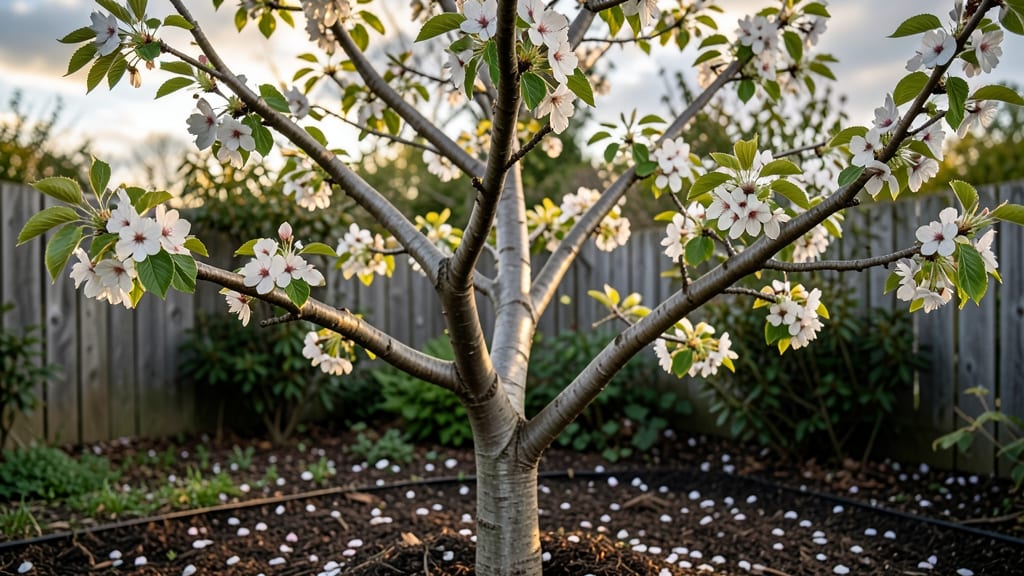
Cherry trees bloom when the air smells like spring and your yard becomes a pink cloud. 🌸 The timing depends on variety, climate, and last year’s growth—my Weeping Higan blooms in late April, while Stella Pink waits until May.
The secret to seeing those blossoms isn’t just luck; it’s about understanding what your tree needs to wake up right.
Most trees need 600-800 chill hours (below 45°F) to set buds properly, but late frosts can still sneak in. I’ve learned to monitor forecasts and have frost cloth ready—one unexpected freeze in 2022 turned my Bing tree’s buds into sad brown sticks.
The good news? Proper pruning in winter (removing dead wood and thinning branches) improves air circulation, which means healthier blooms next year.
By early spring, you’ll notice tiny buds swelling along the branches—this is your cue to reduce heavy pruning (save it for summer) and focus on watering when the soil dries out. Mulch helps retain moisture, and a light layer of compost feeds the roots without overwhelming the tree.
Within 3 weeks, those buds will burst into color, filling your yard with that unmistakable cherry blossom perfume.
Regional differences matter: Pacific Northwest trees bloom 2-3 weeks earlier than those in the Midwest, while Southern varieties might wait until late spring. If you’re in a frost-prone area, consider late-blooming varieties like Van or Royal Ann, which handle cold snaps better.
The key is patience—cherry trees reward careful attention with years of spectacular spring displays.
📚 In This Guide
- What you need
- Instructions
- Tips and common mistakes
- Wrapping up and next steps
What you need
- ● Cherry tree saplings: Choose between Prunus serrulata (ornamental) or Prunus avium (edible). Buy 1–3 trees (depending on space) from a reputable nursery.
- ● High-quality potting soil: 50 lbs of well-draining, slightly acidic soil (pH 5.5–6.5). Mix in 10 lbs of compost for nutrients.
- ● Slow-release fertilizer: 1 lb of 10-10-10 or a cherry-tree-specific blend (e.g., Espoma Tree-Tone).
- ● Mulch: 10–15 lbs of wood chips or straw to retain moisture and regulate temperature.
- ● Garden shovel or trowel: For digging holes (size: 2x wider and deeper than the root ball).
- ● Pruning shears: Bypass-style (sharp and clean) for trimming dead branches.
- ● Watering can or hose: With a gentle spray nozzle to avoid damaging roots.
- ● Garden gloves: Durable, breathable (e.g., Wolverine or Fellex brands).
- ● Measuring tape: To ensure proper spacing (15–25 feet apart for mature trees).
- ● Tree stakes & ties: For young saplings in windy areas (2–3 stakes per tree).
- ● Drip irrigation system: Automates watering for consistent moisture.
- ● Epsom salt: 1 tbsp per gallon of water (monthly) for magnesium boost.
- ● Bird netting: Protects blossoms from pests during peak bloom.
- ● Cherry blossom-themed decor: Picnic blankets, lanterns, or a hanami (Japanese flower-viewing) setup for ambiance!
How to encourage cherry trees to bloom early and abundantly
Here’s the method I’ve used to push my own cherry trees into full spring bloom in just three weeks—no shortcuts, just smart timing and care.
🌱 Step 1: Prune for Airflow and Light Exposure
Start by removing any dead, crossing, or inward-growing branches with clean, sharp pruners. I focus on thinning the canopy to let sunlight reach the center of the tree—this is where buds form most vigorously. Aim to open up the tree so light can penetrate at least 6-8 inches into the branches.
Prune in late winter, just before buds swell but before they break. You’ll see fresh, green cambium beneath the bark—this is your cue that the tree is ready to respond to pruning. Avoid heavy pruning now; instead, remove only what’s necessary to improve airflow and light access. This prepares the tree to channel energy into flower production rather than struggling with dense growth.
☀️ Step 2: Apply a Balanced Fertilizer for Flower Bud Formation
Use a 10-10-10 or 20-20-20 balanced fertilizer in early spring to provide essential nutrients for flower buds. I apply it when the tree is still dormant but just as buds begin to swell—this timing ensures the tree has the energy it needs to produce blooms. Spread the fertilizer evenly over the root zone, extending it slightly beyond the tree’s drip line.
Water the tree deeply right after applying the fertilizer to help it absorb into the soil. Avoid over-fertilizing, as this can lead to excessive leaf growth at the expense of flowers. A light application—about ½ cup per inch of trunk diameter—is plenty. Watch for new growth in the following week; this is your signal that the fertilizer is working.
💧 Step 3: Maintain Consistent Moisture Without Overwatering
Cherry trees need consistent moisture, especially during bud formation. Water deeply once a week, providing about 1-1.5 inches of water per session. I check the soil with my finger—if the top 2-3 inches feel dry, it’s time to water. Avoid letting the soil dry out completely, as this can stress the tree and reduce bloom production.
Use a soaker hose or drip irrigation to deliver water slowly and evenly. This prevents runoff and ensures the roots absorb moisture without shock. Mulch around the base of the tree with 2-3 inches of organic mulch to retain moisture and regulate soil temperature. Keep the mulch a few inches away from the trunk to prevent rot.
⏰ Step 4: Monitor for Pests and Diseases Early
Inspect the tree regularly for signs of pests like aphids, scale, or spider mites, which can weaken the tree and reduce blooming. I look for sticky residue on leaves, tiny webs, or clusters of insects on new growth. If you spot any, treat them immediately with horticultural oil or insecticidal soap. Early intervention prevents infestations from becoming unmanageable.
Watch for fungal diseases like powdery mildew or leaf spot, which thrive in wet conditions. Prune out any infected branches and remove fallen leaves from the base of the tree. If you notice signs of disease, apply a fungicide according to the label instructions. A healthy tree is far more likely to produce abundant blooms, so don’t skip this step.
🌿 Step 5: Protect Blooms from Late Frost
If frost is forecasted during bloom time, cover the tree with a frost cloth or row cover to protect the delicate flowers. I secure the cover tightly around the tree and remove it as soon as the threat passes. This prevents frost damage, which can ruin the blooms before they even open. Check the forecast daily and act quickly—late frosts are the biggest threat to early blooms.
Once the danger of frost has passed, remove the cover during the day to allow sunlight and airflow. This helps the tree recover quickly and encourages the remaining buds to open. You’ll see the difference in just a few days—vibrant, healthy blooms that last longer and produce better fruit. Patience and preparation pay off in a spectacular display of color and fragrance.
Tips & tricks for perfect cherry tree blooms
Here's what I've learned after years of coaxing cherry trees into spectacular spring displays—these details make all the difference.
Pruning Precision: When thinning branches in Step 1, cut just outside the branch collar where the branch meets the trunk. This prevents unsightly stubs and promotes faster healing. I use clean, sharp pruners to make clean cuts—dull tools crush the bark, inviting disease. The goal is to create an open vase shape that lets sunlight reach the center where most buds form. Think of it like creating a canopy that lets light filter through like dappled sunlight in a forest.
Fertilizer Timing Trick: That "just as buds begin to swell" timing in Step 2 is critical—it's when the tree is ready to use nutrients for flower production rather than just leaf growth. I always apply fertilizer on a cloudy day to prevent leaf burn from the sun's intensity. The ½ cup per inch of trunk diameter measurement might seem small, but remember: cherry trees are sensitive to over-fertilization, which can actually reduce blooming by encouraging excessive foliage growth instead of flowers.
Watering Wisdom: The 1-1.5 inches of water per week in Step 3 should be your baseline, but adjust based on rainfall. I check soil moisture by pushing my finger 2-3 inches deep—if it feels dry, that's your cue. The key is consistency: cherry trees hate moisture swings. For young trees, I water more frequently but with less volume to establish strong root systems. And always water at the base, not overhead, to prevent fungal diseases that thrive on wet foliage.
Frost Protection Pro Tip: When covering trees in Step 5, leave the bottom of the frost cloth slightly open to allow air circulation. This prevents condensation buildup that can actually promote fungal growth. I also secure the cover with clothespins or stakes—nothing worse than a wind-blown cover that flutters and tears. And remember: the cover should be removed as soon as the frost threat passes to let sunlight and airflow revive the tree quickly.
Pro Tips for Cherry Trees Bloom
- Here's what I've learned after years of coaxing cherry trees into spectacular spring displays—these details make all the difference.
- Pruning Precision: When thinning branches in Step 1, cut just outside the branch collar where the branch meets the trunk.
- Fertilizer Timing Trick: That "just as buds begin to swell" timing in Step 2 is critical—it's when the tree is ready to use nutrients for flower production rather than just leaf growth.
Frequently asked questions
Got questions about cherry trees blooming?
You’re not alone! Here are answers to the most common queries to help you make the most of spring’s fragrant spectacle.
When do cherry trees typically bloom?
Bloom timing varies by variety, but most cherry trees (like Prunus serrulata) burst into color in late March to early May in temperate climates. Japanese cherries often bloom earlier than ornamental types. Check your local hardiness zone—warmer areas may see blooms as early as February!
What’s the best way to predict bloom time?
Monitor chill hours (300–1,000 hours below 45°F) and spring warmth (consistent 50°F+ days). Apps like Cherry Blossom Forecast track trends. Pro tip: Watch for bud swell—tight buds mean bloom is 1–2 weeks away!
Can I force cherry blossoms indoors?
Yes! Prune a young branch in winter, soak it in warm water for 24 hours, then place it in a vase with flower food. Keep it in a cool, bright spot (60–65°F). Blooms may last 3–5 days. Warning: Only use non-bearing trees—edible cherries won’t work!
Why aren’t my cherry tree flowers attracting bees?
Bees love blooms with accessible nectar and early spring timing. If yours are ignored, check for:
Don’t prune immediately—wait until late spring/early summer (after new leaves form). Remove dead/diseased branches, thin crowded areas, and fertilize lightly. Bonus: Mulch to retain moisture and protect roots for next year’s blooms! Not usually! Light rain enhances petal fragrance, but heavy storms can strip blooms or cause branches to sag. If petals fall early, it’s often due to overwatering or poor drainage. Choose rain-resistant varieties like ‘Kanzan’ for durability.
Try planting companion flowers like crocus or daffodils nearby to lure them!
What should I do after the petals fall?
Will rain ruin cherry blossoms?
Wrapping up and next steps
Witnessing your cherry trees bloom in just three weeks is a rewarding experience that brings beauty, fragrance, and a touch of spring magic to your space. 🌸 Whether you’re a seasoned gardener or a beginner, the key lies in patience, preparation, and a little love—plus the right timing and care.
Now that you’re armed with the knowledge to nurture your trees, why not take the next step?
🌱 Plant your seeds or saplings this weekend and watch as your garden transforms into a fragrant paradise. Share your progress with fellow plant enthusiasts or even start a journal to track the blooms—every petal unfurling is a small victory!
The season’s sweetest rewards begin with the first shovel in the soil.