
Plants
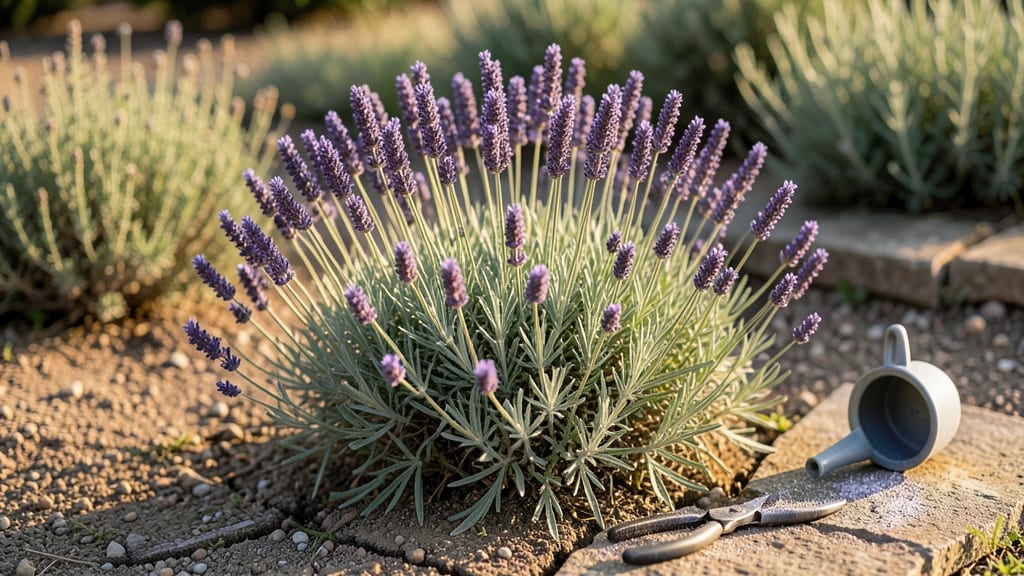
Lavender plants bloom in mid-to-late summer, turning your garden into a fragrant haven with purple spikes that last for weeks.
If you’ve ever dreamed of filling your garden with the intoxicating scent of lavender, timing is everything—because knowing when your lavender blooms directly impacts its fragrance, yield, and even survival. Unlike annuals, lavender’s bloom schedule depends on your climate zone, sunlight exposure, and even the variety you plant.
In USDA Zone 6a, where many gardeners plant lavender in March or April, expect blooms to kick off around June and peak through July. But move a few zones south, and those fragrant spikes might arrive as early as May, while northern growers could wait until August.
The key? Full sun and well-draining soil—two factors that can shift bloom times by weeks.
Below, I’ll share the exact months lavender thrives in your region, plus three proven tips to extend those blooms and keep your plants healthy year after year.
Lavender bloom schedule by USDA hardiness zones: months to expect fragrant spikes
Timing your lavender blooms means understanding your USDA hardiness zone and the specific variety you’re growing. English lavender typically blooms earlier than French or Spanish lavender, but regional microclimates can shift these windows by weeks.
In Zone 5, for example, your lavender might wait until late June for color, while Zone 10 gardeners enjoy blooms as early as March. Let’s dive into the exact months for each zone and variety so you can plan your garden’s fragrant highlights.
Lavender thrives in full sun and well-draining soil, but its bloom timing hinges on your zone’s last frost date. Early bloomers like Lavandula angustifolia (English lavender) often start in May or June in cooler zones, while Lavandula stoechas (Spanish lavender) may wait until July or August.
Southern zones see extended blooming seasons, sometimes from spring to fall, while northern zones get a condensed summer-to-early-autumn window.
Here’s a quick reference for bloom timing across USDA Zones 5–10, including regional variations like California’s mild winters or the Midwest’s humid summers:
In Zone 5, where winters are harsh, lavender often waits until after the last frost to bloom, typically late June. English lavender is your best bet here—it’s hardier and starts blooming earlier than other varieties.
If you’re in Zone 6 or 7, expect blooms from June through September, with French lavender thriving in these conditions. Its silver foliage adds texture even when not in bloom.
For gardeners in Zones 8–10, lavender’s blooming season stretches dramatically. In California’s coastal Zone 9, for example, Munstead lavender can bloom twice a year—once in spring and again in fall.
Meanwhile, Provence lavender in Zone 10 may reward you with blooms from February to December, making it a year-round fragrance powerhouse. Just ensure your soil drains well to prevent root rot in these humid or irrigated climates.
Regional microclimates play a huge role. In the Midwest, where summers are hot but winters cold, lavender often blooms 1–2 weeks later than in California, where mild winters kickstart early blooms.
If you’re in Zone 7 but live near a large body of water, your lavender might bloom 2 weeks later than inland plants due to higher humidity. Always observe your local last frost date and adjust expectations accordingly.
Pro tip: Deadheading spent blooms encourages a second flush of flowers, especially in Zones 8–10. Cut back one-third of the plant after the first bloom to promote bushier growth and prolong the season.
In cooler zones, focus on protecting your lavender from early frosts—a thick layer of mulch or a lightweight frost cloth can save your blooms until October.
If you’re growing lavender in containers, expect blooms to arrive 2–4 weeks earlier than in
How to extend lavender blooming season: pruning, deadheading, and climate hacks
Lavender typically blooms once a year, but with the right techniques, you can coax second flushes and extend that fragrant display. The key lies in strategic pruning, deadheading, and creating ideal growing conditions.
Whether you're dealing with English lavender in Zone 5 or Spanish lavender in Zone 9, these methods work across varieties. Let’s dive into how to keep your lavender blooming longer than ever.
Most lavender varieties bloom between June and August, but timing varies by region. In cooler climates (Zones 5–7), blooms often appear in late June to July, while warmer zones (8–10) see flowers as early as May or as late as September.
The secret to extending this window? Pruning at the right time and removing spent blooms to signal the plant to produce more flowers.
- 1 Late Spring (May–June): Prune woody stems to encourage bushier growth and prepare for the first bloom. Cut back one-third of the oldest stems to the base.
- 2 Mid-Summer (July–August): Deadhead faded blooms immediately to prevent seed formation. This redirects energy to new flower buds for a second flush by late summer.
- 3 Fall (September–October): Lightly trim overgrown stems to shape the plant, but avoid heavy pruning. Mulch with gravel or straw to protect roots in colder zones.
- 4 Winter (November–March): In Zones 5–7, protect lavender with burlap wraps or windbreaks to shield from harsh winds. In Zones 8–10, minimal care is needed—just avoid overwatering.
Deadheading is your best friend for extending blooms. As soon as you notice spent flowers, snip them off with clean pruners or your fingers. This simple act tricks the plant into focusing on new buds instead of seed production. For container-grown lavender, deadheading every 3–5 days can trigger a second bloom cycle in late summer or early fall. Just be gentle—avoid stripping leaves, which house the plant’s energy reserves.
Microclimate adjustments can also work wonders. Lavender thrives in full sun and well-draining soil, but urban growers often struggle with heat islands or limited space. If your lavender is in a container, place it on a heat-reflective surface (like a patio stone) to regulate soil temperature.
For ground-planted lavender, add a 3-inch layer of gravel mulch to improve drainage and deter weeds, which compete for nutrients.
Urban gardeners can also use windbreaks to protect lavender from drying winds, which stress the plant and reduce blooms. A simple lattice fence or even a row of ornamental grasses can create a sheltered microclimate.
In humid zones (like Zone 9), ensure airflow around plants to prevent fungal issues, which can weaken lavender and cut blooms short. A small fan on hot days can mimic natural breezes and keep your lavender thriving.
Finally, fertilize lightly in early spring with a low-nitrogen, high-phosphorus blend (like 5-10-10) to encourage blooming. Avoid heavy feeds—lavender is a low-maintenance perennial that prefers poor soil over rich compost.
Over-fertilizing leads to leafy growth at the expense of flowers, so think of lavender as a drought-tolerant diva that rewards minimal care with maximum fragrance.