
Blooming
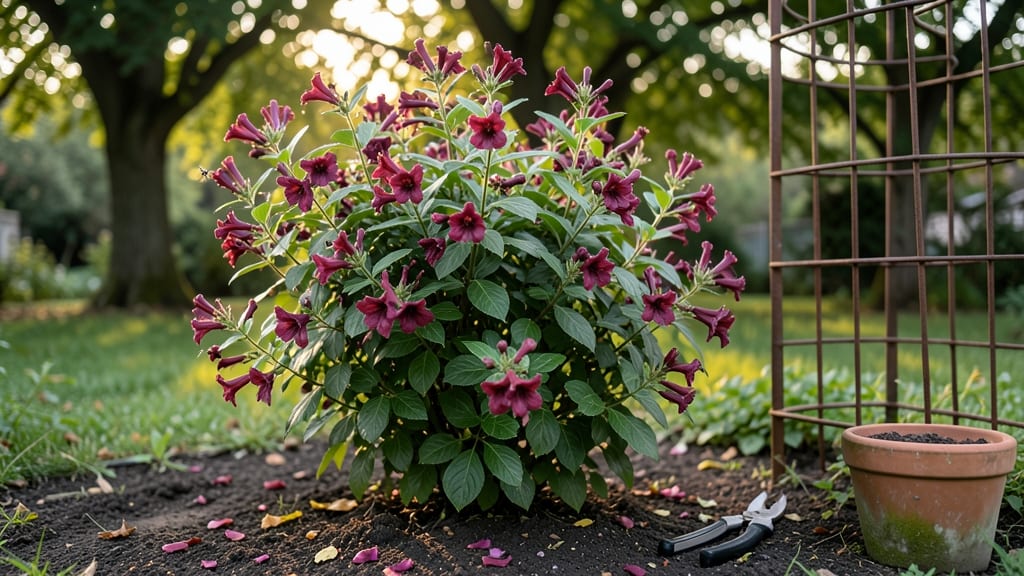
That wine-red cascade of blooms transforms any garden into a showstopper. 🌸 The Weigela florida 'Sonic Bloom Wine' isn’t just cold-hardy—it’s a fragrant, repeat-flowering starburst that thrives where other shrubs wilt. I’ve grown mine through three winters, and it still bursts with color every spring and fall.
This weigela loves full sun but tolerates partial shade, making it perfect for small yards or urban gardens. Plant it in well-draining soil with a touch of compost, and watch it reward you with 3-inch blooms that hum with pollinators.
Just keep it watered the first year to establish roots—after that, it’s drought-tolerant. Prune after flowering to shape it and encourage next year’s blooms. Deadhead spent flowers for a cleaner look, but don’t overdo it—this shrub loves its natural shape.
With proper care, it grows 6-8 feet tall, creating a dramatic vertical accent. Pair it with lavender for contrast or hostas for shade-loving companions. The fragrance alone makes it worth growing—just don’t plant it where you’ll need to prune often, because those blooms are addictive.
📚 In This Guide
- What you need
- Instructions
- Tips and common mistakes
- Wrapping up and next steps
What you need
- ● Weigela Sonic Bloom Wine plant: 1 mature plant (3–4 years old) or 3–5 young nursery plants (1–2 years old) for a fuller look.
- ● Well-draining potting mix: 5–10 gallons (for containers) or 2–3 cubic yards (for in-ground planting). Mix with compost (20–30%) for nutrients.
- ● Organic mulch: 2–3 inches of pine bark or shredded leaves to retain moisture and protect roots.
- ● Slow-release fertilizer: 10–20-10 (NPK ratio) or a balanced organic fertilizer (e.g., fish emulsion or bone meal).
- ● Watering can or hose with a gentle spray nozzle: For deep but gentle hydration.
- ● Garden gloves: 1 pair (to protect hands from thorns and soil).
- ● Trowel or spade: For digging holes (12–18 inches deep and wide for in-ground planting).
- ● Pruning shears: Sharp, sterilized shears for shaping and deadheading.
- ● Sunlight access: Full sun to partial shade (6+ hours of sunlight daily for optimal blooms).
- ● Cold-hardy zone: USDA Zones 4–8 (this variety thrives in chilly climates!).
- ● Container gardening: 1–2 large pots (15+ gallons each) with drainage holes.
- ● Epsom salt: 1 tablespoon mixed into soil annually for magnesium boost.
- ● Staking support: 3–4 bamboo stakes + twine (for young plants in windy areas).
- ● Companion plants: Pair with catmint or Russian sage for a fragrant, pollinator-friendly display.
Step-by-step planting guide for Weigela 'Sonic Bloom Wine'
This cold-hardy beauty thrives with the right placement and care—here's how to get those stunning purple blooms established.
🪴 Step 1: Choose the Perfect Planting Location
Find a spot with full sun to partial shade—at least 4-6 hours of direct sunlight daily. 'Sonic Bloom Wine' tolerates down to USDA Zone 4, so even northern gardens can grow it successfully. I always check the microclimate: spots near foundations or fences stay warmer than open areas.
This variety loves well-draining soil but adapts to most conditions. If your soil is heavy clay, amend with 2-3 inches of compost mixed into the top 12 inches of soil. The key is avoiding waterlogged roots—this plant hates soggy feet. Test drainage by digging a 12-inch hole and filling it with water; if it drains in under an hour, you're good to go.
🌱 Step 2: Prepare the Planting Hole
Dig a hole twice as wide as the root ball but no deeper—this encourages outward root growth. The top of the root ball should sit 1 inch above ground level to prevent crown rot. I always loosen the sides of the hole with a garden fork to reduce soil compaction.
Gently remove the plant from its container and tease apart any circling roots. This prevents girdling as the plant matures. Place it in the hole so the root flare (where roots meet the trunk) is visible. Backfill with native soil mixed with 1 part compost for every 3 parts soil—this gives young roots a nutrient boost without overwhelming them.
💧 Step 3: Water Thoroughly and Mulch
Water immediately after planting, giving the soil a deep soak until it's 6-8 inches wet. You'll know it's right when water runs out the drainage holes if planted in a container, or when the surrounding soil feels damp 2 inches down. Avoid overhead watering for the first week—it can spread disease.
Spread 2-3 inches of mulch around the base, keeping it 3 inches away from the trunk to prevent rot. I use shredded bark mulch because it breaks down slowly and improves soil structure over time. This layer conserves moisture and protects roots from extreme temperature swings—critical for this cold-hardy variety.
☀️ Step 4: Provide Ongoing Care for First Season
Water 1-2 times per week during the first growing season, adjusting for rainfall. The goal is to keep soil consistently moist but never soggy. You'll see new growth emerge within 4-6 weeks—that's your signal the plant is establishing roots.
Fertilize lightly in early spring with a 10-10-10 balanced fertilizer applied at half the recommended rate. This variety is relatively low-maintenance, but a little extra nutrients encourages those vibrant purple blooms. Prune back any dead or damaged branches now to shape the plant and encourage bushier growth.
Tips & tricks for perfect Weigela 'Sonic Bloom Wine' planting
Here's what I've learned after planting this stunning variety in every season—these tricks ensure your Weigela thrives for years.
Sunlight Secret: While 'Sonic Bloom Wine' handles partial shade, those 4-6 hours of direct sunlight are non-negotiable for maximum blooms. I've noticed the most vibrant purple starbursts appear on stems that get afternoon sun—so if your yard has morning shade, position it to catch that golden hour light instead.
Root Ball Rescue: When removing your plant from the container, don't just pull it out by the stems! Gently squeeze the sides of the pot and wiggle it free. This helps preserve those delicate feeder roots that establish so quickly. I've seen plants with damaged roots struggle for months to recover—take the extra 30 seconds to do this right.
Compost Confidence: That 1 part compost to 3 parts soil ratio might seem simple, but here's the pro move: mix the compost directly into the native soil before backfilling. This creates a nutrient-rich zone around the entire root system, not just a pocket at the bottom. Think of it like giving your plant a cozy, fertile blanket to settle into.
Mulch Mastery: The 2-3 inches of mulch isn't just decoration—it's insurance against temperature swings. In hot summers, it keeps roots cool; in cold winters, it acts like a blanket. I've seen plants in unmulched beds suffer from winter desiccation even in Zone 4. Keep that mulch ring fresh each spring by adding a fresh layer after the snow melts.
Pro Tips for Weigela Sonic Bloom Wine
- Here's what I've learned after planting this stunning variety in every season—these tricks ensure your Weigela thrives for years.
- Sunlight Secret: While 'Sonic Bloom Wine' handles partial shade, those 4-6 hours of direct sunlight are non-negotiable for maximum blooms.
- Root Ball Rescue: When removing your plant from the container, don't just pull it out by the stems!
Frequently asked questions
How cold-hardy is Weigela Sonic Bloom Wine?
Weigela Sonic Bloom Wine thrives in USDA Zones 4–8, making it one of the toughest weigelas for northern climates. It handles winter temps down to -30°F (-34°C) with ease, though young plants may need winter mulch for extra protection. Its deep roots also help it bounce back from frost damage faster than many shrubs!
When is the best time to plant Weigela Sonic Bloom Wine?
Plant in early spring or fall for optimal root establishment. Avoid extreme heat (summer) or frozen ground (winter). If planting in fall, do so at least 6 weeks before the first frost to allow roots to settle. Spring planting gives roots a full growing season to strengthen before winter.
Why aren’t my Weigela Sonic Bloom Wine flowers as vibrant?
Duller blooms often signal overcrowding, poor nutrition, or stress. Prune back 1/3 of old wood in late winter to encourage new growth. Feed with a balanced fertilizer (10-10-10) in early spring, and ensure it gets full sun (6+ hours/day). Yellowing leaves? Check for iron deficiency—a soil test can help!
Can I grow Weigela Sonic Bloom Wine in containers?
Yes! It adapts well to large containers (15+ gallons) with drainage holes. Use a well-draining potting mix and repot every 2–3 years. Containers dry out faster, so water deeply 2–3 times per week in summer. Just remember: container-grown weigelas may need winter protection (move indoors or wrap in burlap) in Zone 4.
Are there any pests or diseases to watch for?
This weigela is highly resistant, but keep an eye out for aphids (sap-sucking insects) or powdery mildew in humid climates. Treat aphids with neem oil, and improve airflow to prevent mildew. Overwatering or soggy soil can lead to root rot, so ensure proper drainage. Healthy plants rarely have issues!
What’s a good alternative if I want similar blooms but lower maintenance?
Try Weigela ‘Wine & Roses’ (similar wine-red flowers) or Abelia ‘Kaleidoscope’ for longer blooms and easier care. For a fragrant alternative, Deutzia ‘Nikko’ offers white star-shaped flowers and is just as cold-hardy. All three are deer-resistant—a bonus!
Wrapping up and next steps
The Weigela 'Sonic Bloom Wine' is a cold-hardy, show-stopping shrub that brings vibrant purple starbursts and fragrant blooms to any garden. Its resilience, low-maintenance needs, and stunning visual appeal make it a must-have for both novice and experienced gardeners.
Whether you're drawn to its wine-colored flowers or its ability to thrive in tough climates, this plant is a game-changer for year-round interest.
Ready to transform your outdoor space? Start by selecting the perfect spot—sunny and sheltered—and plant your 'Sonic Bloom Wine' this season. Watch as it grows into a fragrant, eye-catching focal point that keeps your garden buzzing with life! 🌸