
Blooming
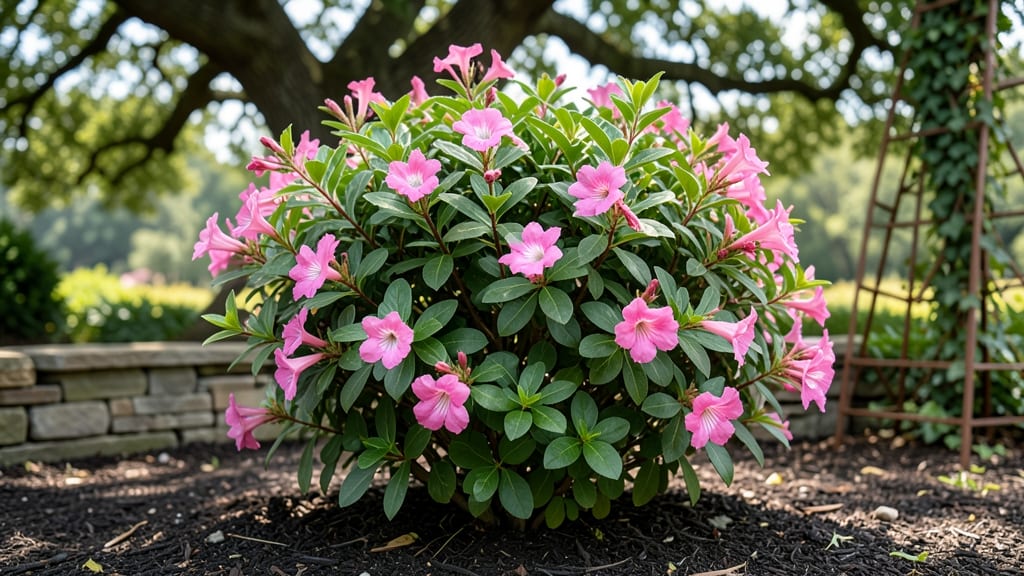
The Sonic Bloom Pink Weigela shrub brings months of vibrant pink blooms that keep coming back—even after harsh winters. 🌸 I’ve watched mine push through snow in Zone 4 and still burst into color by early June, proving this isn’t just another pretty shrub.
The secret lies in its cold-hardy roots and the way it reblooms like clockwork if you prune it right.
Start with well-draining soil and a spot where it gets at least 6 hours of sunlight daily—morning sun with afternoon shade works best in hotter climates.
Space plants 3-4 feet apart to give them room to grow into their mounded shape, and plant in early spring or fall when temperatures are mild. The first year is all about establishing roots, so water deeply once a week unless rain does the work for you.
Pruning is where the magic happens: cut back 1/3 of the oldest stems in late winter to encourage fresh growth, and deadhead spent blooms throughout summer to trigger those second flushes.
Watch for powdery mildew in humid summers—spray with neem oil at the first sign—and keep an eye out for Japanese beetles, which love these flowers. With the right care, your Sonic Bloom will turn heads from May through September.
This shrub thrives in USDA Zones 4-8, making it one of the toughest rebloomers for northern gardens. For container growing, choose a 5-gallon pot with drainage holes—just be ready to water more often.
The payoff? A shrub that’s low-maintenance yet high-impact, with flowers that last longer than most annuals. Ready to make yours the star of your landscape?
📚 In This Guide
- What you need
- Instructions
- Tips and common mistakes
- Wrapping up and next steps
What you need
- ● Sonic Bloom Pink Weigela shrub: 1 healthy, 1- to 3-gallon plant (check for vibrant pink blooms and sturdy stems!)
- ● High-quality potting soil or garden soil: 5+ gallons (ensure it’s well-draining and rich in organic matter)
- ● Organic compost or fertilizer: 1-2 cups (for nutrient boost; opt for a balanced 10-10-10 or slow-release formula)
- ○ Mulch (optional but recommended): 2-3 inches of shredded bark or pine straw (to retain moisture and suppress weeds)
- ● Garden gloves: 1 pair (to protect your hands from thorns or rough soil)
- ● Hand trowel or spade: 1 medium-sized tool (for digging and planting)
- ● Watering can or hose with a gentle spray nozzle: 1 (for thorough hydration without disturbing the soil)
- ● Pruning shears: 1 pair (sterilized; for shaping and encouraging reblooms)
- ○ Stakes or plant supports (optional but helpful): 2-3 wooden or bamboo stakes (if your Weigela needs extra stability)
- ● Slow-release fertilizer spikes: 1-2 (for long-term nourishment)
- ● Plant food with micronutrients: 1 bottle (to enhance bloom vibrancy)
- ● Plant tag or marker: 1 (to label your Weigela for easy identification)
- ● Epsom salt (magnesium sulfate): 1 tablespoon (for green, lush foliage)
- ● Rain gauge or moisture meter: 1 (to monitor watering needs precisely)
Step-by-Step guide to planting and caring for Sonic Bloom Pink Weigela
This cold-hardy beauty thrives with the right preparation—here's my foolproof method.
🌱 Step 1: Select the Perfect Planting Spot
Sonic Bloom Pink Weigela loves full sun to partial shade, ideally 6 hours of direct sunlight daily. I always choose a location with morning sun and afternoon shade in hotter climates—this prevents leaf scorch while still encouraging those vibrant blooms. The shrub grows 4-5 feet tall and wide, so plant it 5-6 feet apart from other shrubs or structures.
Weigela roots spread wide but not deep, so avoid planting near large trees with aggressive root systems. Test your soil's drainage by digging a 6-inch hole—if water pools after 30 minutes, amend with compost to improve aeration. This shrub tolerates USDA Zones 4-8, making it versatile for most gardeners.
🪴 Step 2: Prepare the Planting Hole and Soil
Dig a hole twice as wide as the root ball but only as deep—planting too deep suffocates the roots. Loosen the soil at the bottom of the hole with your hands or a trowel to encourage root spread. I mix the native soil with 2-3 inches of compost at the bottom to give roots a nutrient boost right away.
Gently remove the weigela from its container and tease apart any circling roots. Place the shrub in the hole so the top of the root ball sits 1 inch above ground level. This prevents water from pooling around the stem. Backfill with the amended soil, pressing lightly to eliminate air pockets but not compacting too tightly.
💧 Step 3: Water Thoroughly and Mulch Properly
Water the newly planted weigela deeply right after planting—aim for 1-2 gallons spread evenly around the root zone. The soil should be moist 6 inches down—stick your finger in to check. Overwatering now can suffocate roots, so let the top 2 inches of soil dry slightly—between waterings after the first week.
Spread 2-3 inches of mulch (like shredded bark or pine straw) around the base, keeping it 3 inches away from the stem. This conserves moisture and regulates soil temperature. I always use organic mulch because it breaks down over time, adding nutrients to the soil. Avoid plastic mulch—it traps too much heat and can damage delicate roots.
☀️ Step 4: Prune for Health and Better Blooms
Prune your Sonic Bloom Pink Weigela right after flowering (late spring to early summer) to encourage next year's blooms. Remove 1/3 of the oldest stems at the base—these are the least productive. Cut just above a leaf bud or lateral branch to promote new growth. I always sterilize my pruners with rubbing alcohol between cuts to prevent disease spread.
Shape the shrub by trimming back any leggy or crossing branches. Aim for an open center that allows air circulation—this prevents fungal issues. Avoid heavy pruning in fall or winter, as new growth won't harden off before cold snaps. You'll see more abundant blooms the following season if you stick to this timing.
⏰ Step 5: Maintain Through Seasons
Fertilize in early spring with a balanced 10-10-10 formula, applying ½ cup per foot of shrub height. Water deeply after feeding to help nutrients spread. Weigela is drought-tolerant once established, but I water deeply once a week during dry spells—**check for wilting leaves as your signal.
Watch for aphids or spider mites in hot weather—spray with water or use insecticidal soap if needed. In late fall, remove any dead or diseased stems but leave the healthy framework intact. This shrub's cold-hardy nature means minimal winter care, but a light mulch layer helps protect roots in Zone 4 winters. You'll enjoy vibrant reblooms for years with this simple routine.
Tips & tricks for perfect Sonic Bloom Pink Weigela planting
These simple strategies will help your weigela thrive from day one—and keep blooming beautifully for years.
Sunlight Strategy: The 6 hours of sunlight mentioned in Step 1 is non-negotiable for vibrant blooms, but here's the trick: if your morning sun is weak, supplement with afternoon sun instead. I've seen weigelas in my own garden produce fewer blooms when they get only morning light—those afternoon rays actually boost flower production.
Root Ball Rescue: When you remove your weigela from the container in Step 2, gently squeeze the root ball to check for circling roots. If you find any, use your fingers to carefully separate them—this prevents girdling as the plant grows. I've seen new weigelas struggle when these roots aren't loosened, leading to stunted growth.
Watering Wisdom: That initial 1-2 gallons of water in Step 3 should go deeper than you think. Use a garden trowel to poke holes around the root zone and pour water directly into them—this encourages roots to grow downward rather than staying shallow. The 6-inch moisture check is crucial, but don't be afraid to water again if the top 2 inches dry out faster than expected.
Pruning Precision: When you're removing 1/3 of the oldest stems in Step 4, look for stems that are thicker than your thumb—they're the ones that have outlived their productivity. Cutting just above a leaf bud creates a natural growth point, but make sure that bud is facing outward from the center to maintain that open, airy shape we want.
Pro Tips for Sonic Bloom Pink Weigela Shrub
- These simple strategies will help your weigela thrive from day one—and keep blooming beautifully for years.
- Sunlight Strategy: The 6 hours of sunlight mentioned in Step 1 is non-negotiable for vibrant blooms, but here's the trick: if your morning sun is weak, supplement with afternoon sun instead.
- Root Ball Rescue: When you remove your weigela from the container in Step 2, gently squeeze the root ball to check for circling roots.
Frequently asked questions
Got questions about the Sonic Bloom Pink Weigela? You’re not alone!
This cold-hardy beauty is a gardener’s dream, but like any superstar, it has its quirks. Below, we tackle the most common queries—from planting to pruning—so you can keep your shrub thriving and blooming like a pro.
When is the best time to plant Sonic Bloom Pink Weigela?
The ideal window is early spring or early fall, when soil temps are cool (50–60°F). Planting in spring lets roots establish before summer heat, while fall gives it time to settle before winter. Avoid extreme heat or frost—both can stress young shrubs. Pro tip: Water deeply after planting to reduce transplant shock!
How (and when) should I prune my Weigela for maximum blooms?
Prune right after flowering (late spring to early summer) to encourage reblooming. Cut back 1/3 of the oldest stems to the ground and shape lightly. Avoid heavy pruning in fall/winter—it removes next year’s flower buds! For Sonic Bloom, skip deadheading; its flowers are self-cleaning. Warning: Never prune into bare wood—always leave some green growth.
Is Sonic Bloom Pink Weigela truly cold-hardy? What zones does it tolerate?
This shrub thrives in USDA Zones 4–8, meaning it can handle winters as cold as -30°F. In colder zones (4–5), mulch heavily around the base for extra protection. Sonic Bloom also handles heat and humidity better than many Weigelas, making it a versatile pick for diverse climates.
What pests or diseases should I watch for with Sonic Bloom Pink Weigela?
Keep an eye out for aphids, spider mites, and Japanese beetles—they love Weigela’s tender new growth. Treat infestations with neem oil or insecticidal soap. Powdery mildew can occur in humid climates; improve airflow and avoid overhead watering. Good news: Sonic Bloom is resistant to most Weigela diseases, but monitor leaves for yellowing or spots.
Can I grow Sonic Bloom Pink Weigela in containers? What’s the best setup?
Yes! Use a 5-gallon container minimum with well-draining soil (mix potting soil with perlite). Place in full sun to partial shade and water when the top 1–2 inches of soil dry out. Fertilize lightly in spring with balanced 10-10-10. Note: Container-grown Weigelas may need winter protection in Zone 4 (wrap pots or move to a sheltered spot).
Why isn’t my Sonic Bloom Pink Weigela reblooming like it should?
Reblooming fades if the shrub is overpruned, underfed, or stressed. Check these fixes:
- Prune correctly: Only after flowering, never in late summer.
- Fertilize: Use acidic, slow-release fertilizer in early spring.
- Sunlight: Ensure 6+ hours of sun daily—partial shade reduces blooms.
- Water: Drought stress = fewer flowers. Keep soil moist but not soggy.
Wrapping up and next steps
The Sonic Bloom Pink Weigela is a standout choice for gardeners seeking low-maintenance, cold-hardy beauty with vibrant, repeat blooms that brighten any landscape. Its resilience, striking pink flowers, and adaptability make it a top-tier perennial for both beginners and seasoned horticulturists.
Whether you’re adding color to borders, containers, or mixed beds, this shrub delivers year after year of effortless charm.
Ready to transform your outdoor space? Visit your local nursery or order online to bring home your Sonic Bloom Pink Weigela today—your garden’s next masterpiece is just a few clicks (or steps) away! 🌸🌿