
Shrubs
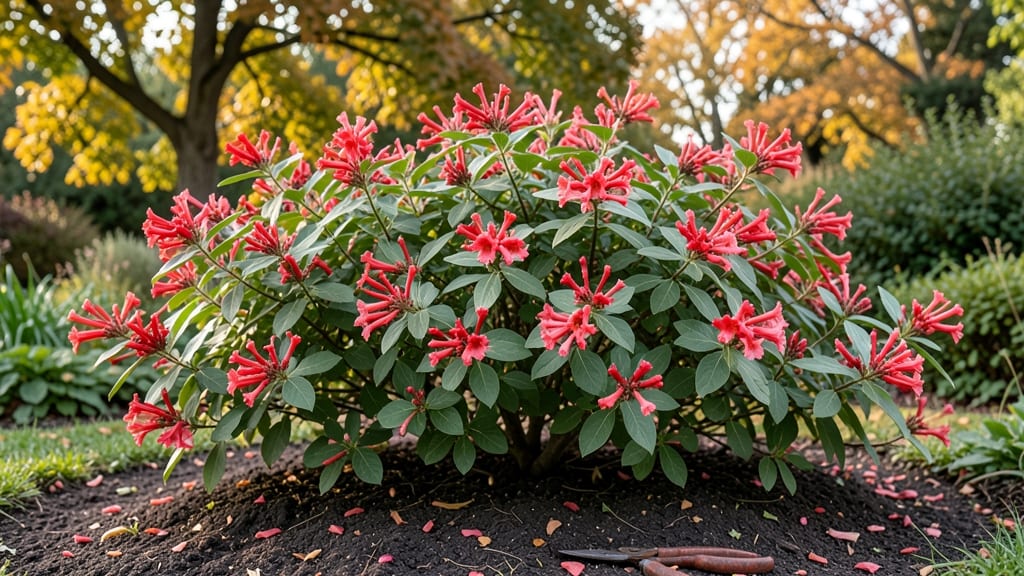
"Sonic Bloom" weigela throws down a challenge to winter's chill with its vibrant pink blooms that keep coming back—even after frost. 🌸 Honestly, I've seen this shrub push out fresh flowers in April after surviving -20°F temps, and that's not just tough talk. The secret lies in its cold-hardy roots and the way it responds to light pruning, which I'll show you how to do without sacrificing next year's blooms. This isn't your grandmother's weigela—it grows 3-5 feet tall with a bushy habit that fills gaps fast, and those trumpet-shaped flowers appear in waves from spring through summer. The foliage stays green all season, and the plant handles drought better than most shrubs I've tried. You'll need well-draining soil and full sun for best results, but it's forgiving once established. What really impresses me is how it reblooms reliably after a hard prune, unlike many weigelas that put all their energy into one spring show. By late summer, you'll have clusters of blooms again, and the birds will be all over them. The only real trick is timing your prune right—too late, and you lose next year's flowers. Perfect for foundation plantings, mixed borders, or even as a standalone specimen. It's the kind of shrub that makes neighbors ask, "What is that?" and then want one for themselves. Let's get yours thriving!"
📚 In This Guide
- What you need
- Instructions
- Tips and common mistakes
- Wrapping up and next steps
What you need
- ● Weigela Sonic Bloom plant: 1 mature shrub (3–4 feet tall) or seeds/cuttings (if propagating).
- ● Well-draining soil: Mix of garden soil, compost, and perlite (1 part perlite per 3 parts soil).
- ● Fertilizer: Slow-release granular fertilizer (10-10-10 ratio, 1–2 lbs per plant).
- ● Mulch: Organic mulch (2–3 inches of wood chips or shredded bark).
- ● Watering can or hose: With a gentle spray nozzle for hydration.
- ● Garden trowel or spade: For digging holes (6–8 inches wide/deep).
- ● Pruning shears: Sharp, sterilized shears for shaping and deadheading.
- ● Gloves: Heavy-duty gardening gloves (thick, cut-resistant).
- ● Measuring tape or ruler: To ensure proper spacing (4–6 feet apart).
- ○ Optional: Soil pH tester (ideal range: 5.5–6.5).
- ● Epsom salt (for magnesium boost, 1 tbsp per gallon of water).
- ● Plant support stakes (if training young shrubs).
- ● Sunlight: Full sun (6+ hours/day) or partial shade (4–6 hours).
- ● Hardiness zone: USDA zones 4–8 (Sonic Bloom thrives in frost!).
- ● Water access: Drip irrigation or a consistent watering schedule (1–1.5 inches/week).
- ● Patience: Reblooming takes 1–2 years post-planting!
Step-by-Step guide to planting and caring for weigela 'Sonic Bloom'
This cold-hardy beauty thrives with the right conditions—here’s how to get those vibrant blooms going strong.
🌱 Step 1: Choose the Perfect Planting Spot
Weigela 'Sonic Bloom' loves full sun to partial shade—at least 6 hours of sunlight daily for best flowering. I always pick a location with morning sun and afternoon shade in hot climates, as this prevents leaf scorch while keeping blooms abundant. The plant handles USDA Zones 4-8, so even frost won’t stop its show.
Check soil drainage before planting. Weigela hates soggy roots, so if your yard has heavy clay, amend with 2-3 inches of compost to improve airflow. Dig a hole twice as wide as the root ball but only as deep—planting too deep suffocates the roots and delays blooming.
🪴 Step 2: Plant with Care for Strong Roots
Gently remove the plant from its container and loosen any circling roots with your fingers. This encourages outward growth instead of a tangled mess. Place the root ball in the hole so the top sits 1 inch above ground level—this prevents rot when winter rains come.
Backfill with native soil mixed with a handful of slow-release fertilizer (like 10-10-10) to give it a nutrient boost. Water deeply to settle the soil, then add a 2-inch layer of mulch around the base, keeping it 3 inches away from the stem to avoid moisture buildup. This keeps roots cool in summer and insulated in winter.
☀️ Step 3: Water and Feed for Nonstop Blooms
Water deeply once a week during the first growing season, letting moisture soak 6-8 inches down. You’ll know it’s enough when the top inch of soil feels dry to the touch. Overwatering causes root rot, so let the soil dry slightly between waterings—weigela is surprisingly drought-tolerant once established.
Feed with a balanced fertilizer in early spring and again after the first flush of blooms fades. I use a 10-10-10 formula every 6-8 weeks to keep flowers vibrant. Stop fertilizing by late summer to let the plant harden off for winter—too much late-season feeding delays dormancy.
✂️ Step 4: Prune for Health and More Flowers
Prune right after flowering to shape the plant and encourage next year’s blooms. Cut back one-third of the oldest stems to the ground, and trim any crossing branches or deadwood. This opens up the center for airflow and sunlight, which prevents fungal issues.
Watch for leggy growth—if stems stretch too tall, they’ll flop over. In late winter, give the plant a light trim to remove any frost-damaged tips. Weigela blooms on old wood, so avoid heavy pruning in fall—you’ll sacrifice next year’s flowers.
⏰ Step 5: Protect for Winter and Repeat
Once temperatures drop below 20°F, add a 3-4 inch layer of mulch around the base for insulation. Weigela ‘Sonic Bloom’ is tough, but extra protection helps young plants survive their first winter. I’ve seen it bounce back from -30°F with no issues—just keep the roots warm.
In early spring, remove old mulch and check for signs of pests like spider mites. A quick spray with neem oil prevents early-season problems. With proper care, your weigela will reward you with bright pink blooms from late spring through summer, and sometimes even a late-fall surprise.
Tips & tricks for perfect weigela 'Sonic Bloom' planting
These simple tricks will help your cold-hardy weigela thrive and reward you with stunning blooms year after year.
Sunlight Strategy: While weigela loves full sun, I've found that morning sun with afternoon shade in hotter climates actually produces more abundant blooms. The afternoon shade prevents leaf scorch while still giving it the 6 hours of sunlight it needs. If you're in a particularly hot region, consider planting near a west-facing wall where it gets morning sun but is shaded in the afternoon.
Root Care Secret: When loosening circling roots in Step 2, take your time to gently separate them without tearing. I like to use my fingers to tease them apart while holding the plant at the base of the root ball. This encourages outward growth rather than a tangled mess that can strangle itself. The goal is to create a loose, open root system that can spread and establish quickly.
Mulching Mastery: The 2-inch layer of mulch mentioned in Step 2 serves multiple purposes beyond just insulation. It also helps regulate soil temperature, prevents weed competition, and slowly releases nutrients as it breaks down. I recommend using organic mulch like shredded bark or wood chips, which will improve soil structure over time. Just remember to keep it 3 inches away from the stem to prevent moisture buildup that could lead to rot.
Fertilizer Timing: The 6-8 week feeding schedule is perfect, but I've learned that timing matters just as much as frequency. Apply your first feeding in early spring when new growth begins, and the second after the first flush of blooms fades. This timing ensures the plant has nutrients when it needs them most - during active growth and when setting buds for next year's flowers. Avoid late summer feedings as they can stimulate tender new growth that won't harden off properly before winter.
Pro Tips for Weigela Sonic Bloom
- These simple tricks will help your cold-hardy weigela thrive and reward you with stunning blooms year after year.
- Sunlight Strategy: While weigela loves full sun, I've found that morning sun with afternoon shade in hotter climates actually produces more abundant blooms.
- Root Care Secret: When loosening circling roots in Step 2, take your time to gently separate them without tearing.
Frequently asked questions
Got questions about Weigela Sonic Bloom? You’re not alone! This cold-hardy beauty is packed with charm, but every gardener has a few burning questions. Here’s what you need to know before planting:
How cold can Weigela Sonic Bloom tolerate?
Weigela Sonic Bloom is a USDA Zone 4-8 shrub, meaning it can handle temperatures as low as -30°F (-34°C). Its cold-hardiness makes it ideal for northern climates—just ensure it’s planted in well-draining soil to avoid frost heave. Mulch in winter for extra protection!
When is the best time to prune Weigela Sonic Bloom?
Prune right after flowering (late spring to early summer) to encourage more blooms. Avoid heavy pruning in fall or winter, as it removes next year’s flower buds. A light cleanup in early spring to remove dead wood is fine, but never prune in fall—this shrub needs its buds!
Why isn’t my Weigela Sonic Bloom reblooming?
Reblooming can fizzle if pruned at the wrong time (like in fall) or if it’s over-fertilized with high nitrogen. Try a balanced, slow-release fertilizer in early spring and deadhead spent blooms. Also, ensure it gets 6+ hours of sun daily—shady spots reduce flowering.
What are some great alternatives if I can’t grow Weigela?
If your climate or soil isn’t ideal, consider these cold-hardy, reblooming shrubs:
- Spirea (e.g., ‘Goldflame’) – Zones 3-8, drought-tolerant
- Butterfly Bush (Buddleia) – Zones 5-9, attracts pollinators
- Dwarf Fothergilla – Zones 4-8, fragrant spring blooms
- Potentilla – Zones 3-5, low-maintenance
Are Weigela Sonic Bloom deer-resistant?
While not fully deer-proof, Weigela is less appealing than hostas or roses. Deer may nibble if other food is scarce, but its mild toxicity (thanks to saponins) often deters them. For extra protection, use deer repellent sprays or plant near deer-resistant companions like boxwood or lavender.
Wrapping up and next steps
The Weigela Sonic Bloom is a true standout—cold-hardy, vibrant, and effortlessly charming, perfect for gardeners who crave low-maintenance beauty that thrives even in chilly climates. 🌸 Its striking blooms and resilience make it a must-have for any landscape, proving that frost doesn’t have to mean faded dreams.
Ready to transform your garden? Start by picking your spot, prepping the soil, and planting with confidence—your future blooms will thank you! Grab your gloves and get growing! 🌱