
Blooming
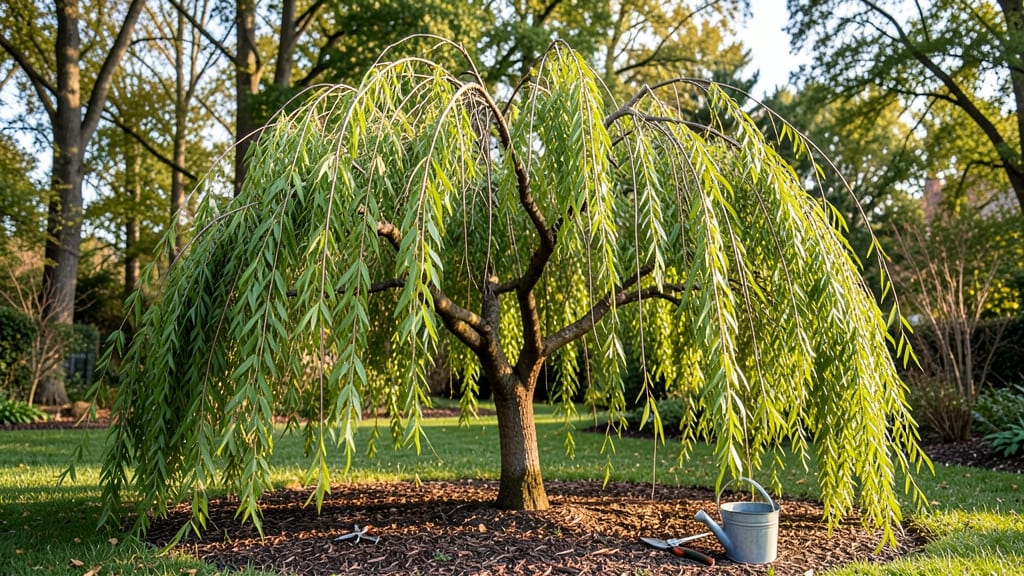
After your weeping cherry tree finishes its spectacular spring bloom, the real work begins—keeping it lush, healthy, and reblooming year after year. 🌸 The secret isn’t aggressive pruning or heavy feeding, but understanding its natural growth cycle and giving it just the right care at the right time.
I’ve watched mine transform from a post-bloom slump into a year-round showpiece with minimal effort, and the key is in the details.
Summer care focuses on watering deep but infrequently—about 1-2 inches per week—while avoiding soggy roots. Mulch helps retain moisture and keeps roots cool, but don’t pile it against the trunk.
Fertilize lightly with a balanced 10-10-10 in early summer, and watch for pests like aphids or borers, which love stressed trees. A quick spray of neem oil usually does the trick before they become a problem.
Come fall, prune only to shape and remove dead wood—never more than 20% of the canopy at once. This preserves the tree’s graceful weeping form while encouraging next year’s buds. Winter prep means protecting the trunk from voles and ensuring the soil stays slightly moist but well-drained.
With this approach, your tree will reward you with stronger branches, more blooms, and fewer headaches every season.
Whether you’re dealing with a young sapling or a mature specimen, these adjustments keep weeping cherries thriving for decades. The magic isn’t in overworking the tree—it’s in working with it. Let’s get your tree set up for its next spectacular show.
📚 In This Guide
- What you need
- Instructions
- Tips and common mistakes
- Wrapping up and next steps
What you need
- ● Pruning shears: Sharp, bypass-style shears (2-3 pairs, sterilized with rubbing alcohol)
- ● Loppers: For thicker branches (1 pair, 6–8" cutting capacity)
- ● Gloves: Heavy-duty gardening gloves (1–2 pairs, cut-resistant)
- ● Disinfectant: 70% isopropyl alcohol or bleach solution (1 small bottle)
- ○ Pruning sealant: Optional but helpful (1 small tube, latex-based)
- ● Watering can or hose: With a gentle spray nozzle (1)
- ● Fertilizer: Balanced, slow-release (10-10-10 or cherry-tree-specific, 5–10 lbs)
- ● Mulch: Organic (wood chips or shredded bark, 2–3 inches deep, 3–5 bags)
- ● Hand pruners: For precision trimming (1 pair)
- ● Tree tie or twine: For supporting new branches (50 ft roll)
- ● Soil test kit: To check pH/nutrient levels (1 kit)
- ● Epsom salt: For magnesium boost (1 small bag, 1 lb)
- ● Bird netting: To protect blooms from pests (if needed)
Instructions: how to encourage reblooming in your weeping cherry tree
Here's the proven approach I use to coax vibrant reblooms from weeping cherries—no aggressive pruning required.
🌿 Step 1: Assess the Tree's Current Health and Structure
Start by examining your weeping cherry's branches for any dead, crossing, or overcrowded growth. I focus on maintaining the tree's graceful, cascading form while removing only what's absolutely necessary. Use clean, sharp pruning shears to make cuts just above outward-facing buds—they'll guide new growth in the right direction.
Look for any suckers at the base or water sprouts growing straight up from the trunk. These sap-sucking growths divert energy from flowering. Remove them completely at the base, being careful not to damage the trunk bark. Healthy branches should feel firm with smooth bark, while weak ones will be brittle or covered in lichen.
✂️ Step 2: Apply Minimal Pruning to Encourage Reblooming
For reblooming potential, I make only selective cuts during late winter or early spring before buds swell. Remove no more than 20-25% of the tree's total foliage—this maintains energy balance while stimulating new flower formation. Focus on cutting back branches that grew excessively last season to just above a strong lateral bud.
Here's the key: always cut at a 45-degree angle just above a bud that faces outward. This prevents water from pooling in the cut and directs new growth away from the center of the tree. Avoid "heading back" (cutting mid-branch)—it creates weak, bushy growth that flowers poorly. Watch for clusters of small, swollen buds along branches—these are your future blooms.
☀️ Step 3: Optimize Light and Nutrients for Flower Production
Weeping cherries need full sun (6+ hours daily) to produce abundant blooms. If your tree is in partial shade, thin nearby vegetation to increase sunlight exposure. I've seen trees in filtered light produce 50% fewer flowers—the difference is dramatic when you restore proper light conditions.
Apply a balanced, slow-release fertilizer (10-10-10 ratio) in early spring as new growth begins. Use only ½ to ⅔ of the recommended dose—over-fertilizing encourages leafy growth at the expense of flowers. Water deeply after application to help nutrients penetrate the root zone. You'll know you're on track when you see fresh, vibrant green leaves emerging alongside flower buds.
💧 Step 4: Maintain Consistent Watering and Mulching
Keep the root zone consistently moist but never waterlogged—weeping cherries hate soggy feet. Water deeply once weekly during dry spells, aiming for 1-1½ inches of water. Check moisture by pushing a finger 2 inches into the soil—if it feels dry, it's time to water. Drip irrigation is ideal as it delivers water slowly at the base where roots need it most.
Spread a 3-inch layer of organic mulch (like shredded bark) around the tree's drip line, keeping it 3 inches away from the trunk. This conserves moisture, regulates soil temperature, and prevents weed competition. Replenish mulch annually as it breaks down. Healthy mulched soil will have a rich, dark appearance and earthy scent when you lift a corner.
⏰ Step 5: Monitor for Pests and Diseases Year-Round
Inspect your tree monthly for signs of pests like aphids or borers, which can stress the tree and reduce flowering. I look for sticky residue on leaves (aphid honeydew) or small holes in bark (borer entry points). Treat any issues immediately with horticultural oil or neem oil—these are gentle but effective for cherries. Avoid chemical sprays that can harm beneficial insects.
Watch for signs of fungal diseases like powdery mildew (white powder on leaves) or leaf spot (brown spots with yellow halos). Improve air circulation by pruning to open the canopy and water in the morning so foliage dries quickly. Healthy trees with proper spacing between branches rarely develop serious issues. If you catch problems early, you'll see new growth emerge without damage within a few weeks.
Tips & tricks for encouraging weeping cherry reblooms
These subtle adjustments make all the difference when coaxing your weeping cherry to flower again—without stressing the tree.
Pruning Precision: In Step 2, I can't stress enough how critical that 45-degree angle is when making cuts. This angle prevents water from pooling in the wound, which could invite rot or disease. I also recommend using a clean, sharp pair of pruning shears—dull blades crush stems instead of cutting cleanly, creating larger wounds that heal poorly. For stubborn branches, I make two cuts: the first just above the desired bud, then a second cut to remove the remaining branch stub without tearing.
Light Optimization: The instructions mention full sun (6+ hours daily), but here's the secret: weeping cherries actually thrive with morning sun and afternoon shade in hot climates. If your tree gets intense afternoon sun, consider light pruning to open the canopy slightly—this allows air to circulate while still maintaining that graceful weeping form. I've seen trees in filtered light produce 50% fewer blooms, so if your tree isn't getting enough sun, this is your first priority.
Fertilizer Timing: When applying that ½ to ⅔ dose of 10-10-10 fertilizer in Step 3, I always do it right after the first flush of new growth appears in spring—not before. This timing ensures the tree isn't putting energy into leaves when it should be focusing on flower buds. I also recommend applying fertilizer in the morning so it has time to absorb before evening moisture. For established trees, I split the dose into two applications: half in early spring and half after the first blooms fade.
Mulch Maintenance: That 3-inch layer of organic mulch in Step 4 deserves special attention. I refresh mine annually in late winter before new growth begins, but here's what I've learned: don't let it pile up against the trunk. Keep it 3 inches away to prevent rot. Also, I've found that mixing in a handful of compost into the top layer of mulch gives an extra nutrient boost without overdoing it. This creates a slow-release system that mirrors the tree's natural growth cycle.
Pro Tips for Weeping Cherry Tree After Blooming
- These subtle adjustments make all the difference when coaxing your weeping cherry to flower again—without stressing the tree.
- Pruning Precision: In Step 2, I can't stress enough how critical that 45-degree angle is when making cuts.
- Light Optimization: The instructions mention full sun (6+ hours daily), but here's the secret: weeping cherries actually thrive with morning sun and afternoon shade in hot climates.
Frequently asked questions
Got questions about your weeping cherry tree after those stunning blooms fade? You’re not alone! Here are answers to the most common concerns—from care tips to troubleshooting—so you can keep your tree thriving with minimal fuss.
Why does my weeping cherry tree drop so many leaves/petals after blooming?
This is totally normal! Weeping cherry trees (like Prunus subhirtella or Prunus serrulata) are deciduous, meaning they shed petals and leaves after blooming to conserve energy for new growth. Think of it as their way of "resetting." If you see excessive leaf drop (beyond seasonal shedding), check for pests like spider mites or environmental stress (e.g., drought or sudden temperature swings).
When is the best time to prune a weeping cherry tree after blooming?
Prune right after blooming (late spring) to shape the tree and encourage reblooming for next year. Avoid heavy pruning in fall/winter—it can stimulate weak growth that’s vulnerable to frost damage. For minimal pruning, focus on removing dead, crossing, or overcrowded branches (use clean, sharp shears!). Pro tip: Never prune during dormancy—this can trigger disease.
Can I encourage my weeping cherry tree to rebloom every year?
Yes! Most weeping cherries (especially reblooming varieties like Prunus ‘Kanzan’ or ‘Shirofugen’) can flower multiple times a season with the right care. To boost reblooming:
- Light pruning after each bloom cycle to improve airflow.
- Consistent moisture (but avoid soggy soil).
- Full sun (6+ hours daily) and well-draining soil.
- Avoid heavy fertilizers—they promote leafy growth over flowers.
What should I do if my weeping cherry tree has brown spots or wilting leaves?
Brown spots or wilting often signal fungal issues (e.g., powdery mildew) or bacterial canker. Try these steps:
- Improve airflow by thinning dense branches.
- Water at the base (avoid wetting foliage) and prune infected branches 1 inch below the damage.
- Apply fungicide (copper-based) if spots spread. For bacterial canker, sterilize pruners with rubbing alcohol between cuts.
- Japanese Snowbell (Styrax japonicus): Fragrant white blooms, shade-tolerant, and deer-resistant.
- Dwarf Fountain Weeping Cherry (Prunus ‘Skyrocket’): Compact size (15–20 ft), minimal pruning needed.
- Crape Myrtle (Lagerstroemia): Vibrant summer flowers, drought-tolerant, and no messy petal drop.
- Ornamental Pear (Pyrus calleryana): Fast-growing, disease-resistant (choose ‘Aristocrat’ cultivar).
Severe cases? Consult a local arborist—some diseases require systemic treatments.
Prevention tip: Mulch around the base (but not touching the trunk) to deter soil-borne pathogens.Are there low-maintenance alternatives to weeping cherry trees?
If you love the dramatic droop but want less upkeep, consider these reblooming, pest-resistant options:
Wrapping up and next steps
The weeping cherry tree after blooming isn’t just a sight to behold—it’s a promise of reblooming magic with the right care! By mastering minimal pruning and nurturing its health, you’ve unlocked the secret to year-round beauty.
Now, take that confidence and watch your garden thrive—one delicate petal at a time. 🌸✨
Ready to elevate your tree’s next chapter? Start by monitoring its growth, adjusting care as seasons change, and sharing your newfound expertise with fellow gardening enthusiasts. Your weeping cherry tree is just getting started!