
Blooming
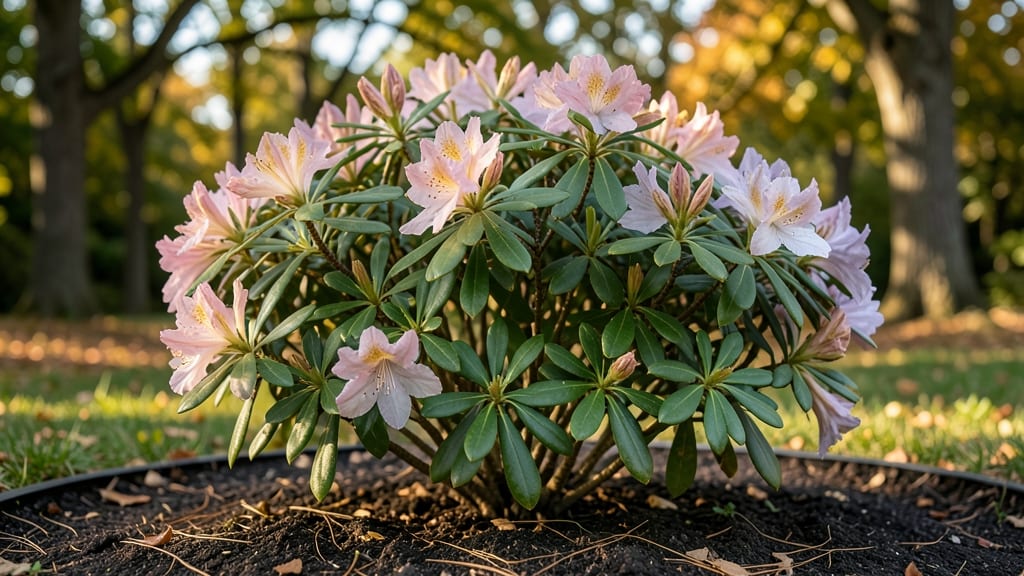
Twice-blooming azaleas deliver two stunning shows in one season—spring and fall—if you nail the care. 🌸 I learned this the hard way after my first azalea bloomed beautifully in May but flopped in September. The secret lies in soil acidity, pruning timing, and feeding at exactly the right moments.
Most gardeners overlook the pH test—azaleas demand 4.5-6.0, and anything higher means no rebloom. I use pine bark fines mixed with peat moss to keep the soil perpetually acidic, and I swear by a slow-release fertilizer with micronutrients. Without this, your second bloom will be sparse or nonexistent.
By late summer, you’ll see buds forming for fall—smaller but just as vibrant as the spring display. The key is cutting back dead blooms immediately after spring, then avoiding heavy pruning until after the second flush. This keeps the plant focused on flowers, not just foliage.
Works in zones 5-9 with proper winter protection (mulch!), and even container-grown azaleas can rebloom if you follow the same rules. Let’s get those buds popping twice a year!
📚 In This Guide
- What you need
- Instructions
- Tips and common mistakes
- Wrapping up and next steps
What you need
- ● Twice-blooming azalea plants: Choose Rhododendron varieties like ‘Girard’s Pink Quill,’ ‘Hino Crimson,’ or ‘Kaleidoscope.’ Buy 3-5 healthy nursery-grown plants (1-gallon pots or larger for best results).
- ● Well-draining acidic soil: Aim for a pH of 4.5–6.0. Mix 2 parts peat moss or pine bark with 1 part garden soil (or use pre-mixed rhododendron soil).
- ● Organic mulch: 3–4 inches of pine straw, cedar chips, or oak leaves to retain moisture and acidify the soil.
- ● Slow-release fertilizer: 10–10–10 or 8–3–9 NPK ratio (look for acid-loving plant formulas). Apply 1–2 lbs per 100 sq ft in early spring and after fall blooms.
- ● Watering can or hose with a gentle spray nozzle: Azaleas hate soggy roots—avoid overhead watering to prevent fungal issues.
- ● Garden trowel or shovel: For digging planting holes twice as wide as the root ball.
- ● Pruning shears: Bypass-style (sharp and clean) for shaping after blooming.
- ● Gloves & knee pads: Because every gardener deserves comfort!
- ○ pH testing kit: Optional but highly recommended to monitor soil acidity (aim for below 6.0).
- ○ Shade cloth (30–50% coverage): Optional for hot climates to protect young plants from intense sun.
Step-by-step instructions for growing twice-blooming azaleas
Here’s how to coax two stunning flower cycles from your azaleas each year—no magic, just smart care.
🌱 Step 1: Choose the Right Variety and Plant in Acidic Soil
Start with a proven twice-blooming azalea variety like ‘Encore’ or ‘Southern Indica’—these are bred to flower in spring and fall. Plant in well-draining, acidic soil (pH 4.5–6.0), because azaleas refuse to bloom well in alkaline conditions. I always mix 20% peat moss or pine bark fines into my native soil to keep pH low and improve drainage.
Dig a hole twice as wide as the root ball but only as deep—azaleas hate being buried too deep. Gently loosen the roots if they’re circling, then backfill with your amended soil. Water deeply right after planting to settle the roots and remove air pockets. You’ll know you’ve done it right when the soil surface looks slightly settled but not compacted.
☀️ Step 2: Position for Morning Sun and Afternoon Shade
Twice-blooming azaleas need 4–6 hours of morning sun but will scorch in harsh afternoon rays. I plant mine where they get dappled shade in the afternoon—think under tall deciduous trees or on the east side of the house. If you only have full sun, provide afternoon shade with a lightweight shade cloth (30–50% block) during peak summer heat.
Watch for leaf scorch—edges turning brown and crispy—that means too much direct sun. If this happens, move the plant or add shade immediately. Azaleas also appreciate high humidity, so group them with other plants or use a mulch ring to retain moisture at the roots.
💧 Step 3: Water Deeply and Mulch to Retain Moisture
Water deeply once a week (or more in extreme heat) to encourage strong root growth—shallow watering leads to weak stems and fewer blooms. I water until 6 inches of soil are moist, which usually means 10–15 gallons for a mature plant. Let the top inch dry out between waterings to prevent root rot, but never let the soil dry completely.
Apply a 3–4 inch layer of mulch (pine straw or bark chips) around the base, keeping it 6 inches away from the trunk. This mimics their natural woodland habitat, keeping roots cool and conserving moisture. Refresh the mulch annually—it breaks down fast and loses effectiveness.
✂️ Step 4: Prune After Each Bloom Cycle
Prune right after the first flush of blooms (late spring) to shape the plant and encourage the second bloom. Remove dead or crossing branches first, then trim back any leggy growth to maintain a rounded shape. Cut just above a leaf bud or lateral branch—never leave stubs, or the plant will produce weak new growth.
After the fall bloom cycle, do a light cleanup—remove any dead or diseased branches and trim back any overly long shoots by one-third. Avoid heavy pruning in late summer or fall, as this can stimulate new growth that won’t harden off before winter. You’ll see stronger blooms next season if you stick to this schedule.
🌿 Step 5: Feed and Protect for Year-Round Blooms
Fertilize twice a year with an acid-loving plant food (like 8-3-9 or azalea-specific formula) in early spring (just as buds form) and mid-summer (after the first bloom). I use half-strength to avoid burning roots—azaleas are sensitive to over-fertilizing. Water thoroughly before and after applying fertilizer to prevent root damage.
Protect young plants from winter winds with a burlap windbreak or group them with evergreens for shelter. In colder climates, mulch heavily (up to 6 inches) to insulate roots. You’ll know your azaleas are happy when they leaf out vigorously in spring and produce buds within 6–8 weeks of feeding.
Tips & tricks for perfect twice-blooming azaleas
These little tricks will help you transform your azaleas into year-round blooming stars—no more waiting for just one seasonal show!
Soil Science Matters: Test your soil pH before planting—azaleas are picky about their acidic environment (4.5-6.0). If your soil tests higher, mix in 20% peat moss or pine bark fines as instructed, but for faster results, I've found adding a handful of sulfur granules to the planting hole helps lower pH immediately. The key is patience—it can take up to a year for the soil to fully adjust, so don't be discouraged if blooms don't appear right away.
Sunlight Strategy: That 4-6 hours of morning sun is non-negotiable, but here's what I've learned about afternoon shade: If you're using shade cloth, opt for the 30% block variety—it provides just enough protection without creating too much shade. I've seen azaleas struggle when covered with 50% block cloth, especially in cooler climates where they need more sunlight. Also, watch for the east-facing window trick—planting near one gives them perfect morning sun while protecting from afternoon intensity.
Watering Wisdom: The "deeply once a week" rule works, but here's how to make it foolproof: Use a soil moisture meter to verify you're reaching that 6-inch depth. I've found that in clay soils, water penetrates more slowly, so you might need to water twice a week even if it's not extreme heat. Pro tip: Water in the early morning to prevent fungal issues from evening moisture. And never water the leaves—always direct the stream at the base to avoid fungal spores splashing onto foliage.
Pruning Precision: When you're trimming after the first bloom cycle, focus on creating an open center shape—this allows light and air to circulate to the inner branches, which encourages more blooms. I always make my cuts just above a leaf bud or lateral branch, and I use sharp, clean pruners—dull blades crush stems and invite disease. For the fall cleanup, I never trim more than one-third off any branch, and I always avoid cutting into old wood (the darker, thicker stems)—new growth from old wood rarely blooms well.
Pro Tips for Twice Blooming Azaleas
- These little tricks will help you transform your azaleas into year-round blooming stars—no more waiting for just one seasonal show!
- Soil Science Matters: Test your soil pH before planting—azaleas are picky about their acidic environment (4.5-6.0).
- I've seen azaleas struggle when covered with 50% block cloth, especially in cooler climates where they need more sunlight.
Frequently asked questions
Got questions about twice-blooming azaleas?
You’re not alone—these stunning plants spark curiosity! Here are answers to the most common queries to help you grow year-round beauty with confidence.
Why do some azaleas bloom twice, while others don’t?
Twice-blooming azaleas (like Satsuki or Kurume hybrids) are bred to produce two flushes of flowers—spring and fall. Single-bloomers focus energy on one showy season. The secret? Genetics + proper care (like pruning after blooms and balanced fertilization) encourage reblooming. Think of it as training your plant for a double performance!
How long does it take for a twice-blooming azalea to rebloom after the first flush?
Patience is key! After the spring bloom fades, wait 6–8 weeks before expecting fall flowers. Young plants (under 3 years) may take longer. Deadhead spent blooms and keep soil moist but well-drained to speed up the process. Pro tip: Fall reblooms often peak in September–October, depending on your climate.
Can I force a second bloom if my azalea skips the fall flowers?
Sometimes, stress (like drought, extreme heat, or poor soil) causes missed blooms. To encourage reblooming:
- Prune lightly after spring blooms to remove dead wood.
- Water deeply 1–2 times weekly (drought stress halts blooms!).
- Fertilize with acidic, high-phosphorus food (like 10-30-20) in early summer.
- Avoid heavy pruning—it removes next year’s flower buds!
If it still doesn’t rebloom, check for pests (like lace bugs) or root rot.
Are there twice-blooming azalea alternatives for colder climates?
If your zone is Zone 5 or colder, try these cold-hardy rebloomers:
| Variety | Zone Range | Notes |
|---|---|---|
| Girard’s Pink | 4–8 | Classic, fragrant, and reliable in cooler areas. |
| Hino Crimson | 5–8 | Vibrant red blooms; thrives in partial shade. |
| Kaleidoscope | 6–9 | Multicolored foliage + blooms; great for containers. |
Always mulch heavily in winter to protect roots!
Why are my azalea leaves yellowing, and will it affect reblooming?
Yellow leaves often signal overwatering, nutrient deficiency, or pests. Here’s how to fix it:
- Check soil moisture: Azaleas hate soggy roots. Ensure pots/containers have drainage holes.
- Test soil pH: Aim for 4.5–6.0 (use sulfur to lower pH if needed).
- Inspect for pests: Spider mites or scale can stress plants. Spray with neem oil if infested.
- Fertilize: A lack of iron (chlorosis) causes yellowing. Use an acid-loving plant fertilizer.
While yellow leaves may reduce blooms, healthy roots can recover with proper care. Act fast to save your reblooming magic!
Wrapping up and next steps
Twice-blooming azaleas are a gardener’s dream—offering two stunning floral displays in one season with the right care! Whether you’re a beginner or a seasoned plant parent, their vibrant blooms and adaptability make them a must-have for year-round garden magic. 🌸
Ready to transform your garden? Start by selecting the perfect variety, then follow the step-by-step planting and maintenance tips to coax those reblooms. Don’t forget to protect them from pests and adjust care as the seasons change. Now, grab your gloves and get growing—your garden’s next masterpiece is waiting!