
Blooming
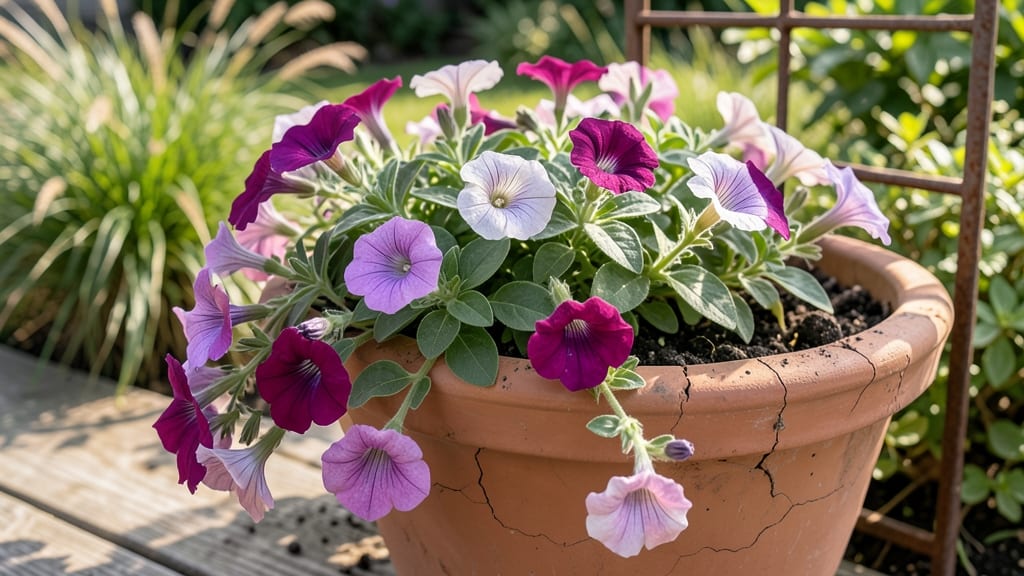
Trailing blooming plants turn blank spaces into waterfalls of color—imagine a 10-foot border that looks like a living painting. 🌸 These perennials spill over edges, climb trellises, and weave through garden beds, creating drama without the fuss of annuals. The best part?
They come back every year, more lush than the first. Think of clematis draping over arbors in pink and purple, penstemon tumbling in waves of red and blue, or lobelia spilling from hanging pots like tiny blue bells.
These plants pair beautifully with upright shrubs or tall grasses, where their cascading forms create natural contrast. A 3-foot trellis becomes a vertical garden, while ground-hugging varieties soften pathways like a living carpet. You’ll love how they transform even small spaces—balconies, patios, or window boxes—into vibrant focal points.
The key is matching their growth habits to your design: fast growers for quick impact, slower ones for controlled elegance. Mix textures too: pair velvety foliage with delicate blooms for depth. Perfect for gardeners who want low-maintenance beauty with high impact.
Let’s explore the best cascading stars and how to style them like a pro!
📚 In This Guide
- What you need
- Instructions
- Tips and common mistakes
- Wrapping up and next steps
What you need
- ● Trailing blooming plants: Choose 3–5 perennial vines like Clematis, Honeysuckle, Passionflower, or Morning Glory (select based on your climate zone).
- ● Containers or garden beds: For containers: 10–15 gallon pots (1 per plant) with drainage holes.
- ● For garden beds: Well-draining soil with a depth of at least 12 inches.
- ● Potting mix: 1–2 bags of high-quality, well-draining potting soil (e.g., Miracle-Gro Moisture Control or a blend with perlite).
- ● Mulch: 1–2 bags of organic mulch (e.g., shredded bark or straw) to retain moisture and suppress weeds.
- ● Garden gloves: 1 pair (to protect your hands from thorns or rough stems).
- ● Trowel or hand shovel: 1 medium-sized tool for planting and soil prep.
- ● Pruners: 1 pair of sharp, sterilized pruners for trimming and shaping.
- ● Watering can or hose with a gentle spray nozzle: For even hydration without damaging delicate blooms.
- ○ Support structures (optional): Trellises, obelisks, or cages (1–2 per plant, depending on growth habit).
- ● String or twine (for tying vines if needed).
- ● Sunlight assessment: Identify areas with partial to full sun (6+ hours of sunlight for most trailing bloomers).
- ● Climate suitability: Verify your USDA hardiness zone matches your chosen plants (e.g., Clematis thrives in zones 4–9).
- ● Water source: Ensure easy access to water for consistent moisture (especially during the first year).
Step-by-Step guide to planting and maintaining trailing blooming perennials
Here’s how to create a stunning, low-maintenance cascading display that blooms year after year.
🪴 Step 1: Select the Right Location and Prepare the Soil
Choose a spot with at least 6 hours of sunlight daily—most trailing perennials thrive in full sun but tolerate partial shade if your climate is hot. I always test the soil first: dig a 6-inch hole, fill it with water, and wait 30 minutes. If the hole stays half-full, your drainage is poor—amend with 2-3 inches of organic compost or sand to improve aeration.
Trailing plants like creeping thyme, lobelia, or alyssum need well-draining soil to prevent root rot. Work in 1-2 inches of compost into the top 12 inches of soil to enrich it without compacting. Avoid heavy garden soil—it smothers delicate roots and stunts growth. If planting in containers, use a lightweight potting mix with 20% perlite for extra drainage.
🌱 Step 2: Plant at the Correct Depth and Spacing
Dig a hole twice as wide as the root ball but only as deep as the container’s base. Gently remove the plant, loosen any circling roots, and place it in the hole so the top of the root ball sits level with the surrounding soil. Press firmly around the edges to eliminate air pockets—this ensures immediate root contact with moist soil.
Space trailing perennials 12-18 inches apart for full coverage. If planting in containers, use one plant per 1-gallon pot for small varieties like lobelia or two per 3-gallon pot for larger cascaders like petunias. I always plant in clusters of three—this creates a lush, layered effect immediately. Water deeply right after planting to settle the soil and encourage root spread.
☀️ Step 3: Provide Support and Prune for Fullness
Most trailing perennials need light support to encourage even growth. Use cage-like trellises, wire baskets, or hanging planters to guide vines downward. For ground covers, let them spill naturally over edges or rock walls. The key is pruning strategically: pinch back the top 2-3 inches of new growth when plants are 6-8 inches tall to promote bushier, fuller cascades.
Deadhead spent blooms weekly to redirect energy into new flowers. I use clean, sharp pruners and snip just above a set of leaves—this prevents leggy growth. For aggressive spreaders like creeping phlox, trim back one-third of the plant in early spring to maintain shape and prevent overcrowding. Mulch with 2 inches of shredded bark to retain moisture and suppress weeds.
💧 Step 4: Water and Fertilize for Continuous Blooms
Water deeply 2-3 times per week during the first 4 weeks to establish roots, then taper to once weekly once established. Check soil moisture by sticking your finger 1 inch deep—water when it feels dry. Overwatering is the fastest way to kill trailing perennials; they prefer consistent moisture, not soggy soil. In containers, water until it drains freely from the bottom.
Feed with a balanced, water-soluble fertilizer (10-10-10) every 4-6 weeks during the growing season. I switch to a low-nitrogen, high-phosphorus formula (5-10-5) when buds form to boost flowering. Avoid slow-release granules—they can burn tender roots. In fall, apply a layer of compost to replenish nutrients for next year’s blooms.
⏰ Step 5: Winterize and Plan for Next Season
Most trailing perennials are hardy, but tender varieties like lobelia need protection. Cut back dead foliage in late fall, leaving 2-3 inches of stem for regrowth. Mulch heavily with 4-6 inches of straw or leaves to insulate roots. In containers, move plants to a garage or sheltered porch if temperatures drop below 20°F—frost can kill delicate stems.
Take cuttings in early spring from vigorous stems to propagate new plants. Dip cuttings in rooting hormone, plant in moist sand, and cover with a plastic bag to retain humidity. Keep under grow lights until roots form—usually 4-6 weeks. This ensures you’ll have fresh, disease-free plants for next year’s display.
Tips & tricks for thriving trailing blooming perennials
These game-changing insights will transform your cascading garden into a year-round showstopper with minimal effort.
Soil Test Precision: The 30-minute soil drainage test in Step 1 is non-negotiable for trailing perennials. I've seen beautiful plants fail because of hidden compacted soil layers. If your hole drains slowly, mix in 1 part perlite to 3 parts compost—this creates the perfect airy medium for delicate roots. For containers, pre-mix your potting soil with 20% perlite or vermiculite before planting to prevent future drainage issues.
Planting Depth Secret: When placing your trailing perennials in Step 2, think of the root ball like a pancake—it should sit level with the surrounding soil, not buried or exposed. The top of the root ball should be flush with the soil surface to prevent stem rot from excess moisture. For container plants, use a small rock at the bottom of the pot to create a drainage layer, then add your lightweight mix—this ensures roots get both air and water exactly where they need it.
Pruning for Impact: The weekly deadheading in Step 3 isn't just about looks—it's about redirecting energy. Use clean pruners and make cuts at a 45-degree angle just above a leaf node. This angled cut prevents water from pooling on the stem, reducing disease risk. For aggressive spreaders like creeping phlox, I recommend using a hand pruner with bypass blades—they give you more control for those precise one-third cuts in early spring. The result? Bushier growth and more blooms.
Winter Protection Strategy: That 20°F threshold in Step 5 is critical for tender varieties like lobelia. I've learned the hard way that moving container plants indoors isn't enough—you need to gradually acclimate them over 3-4 days before bringing them inside. For garden plants, create a mini greenhouse effect by placing a clear plastic dome over the mulched area during hard freezes. This simple trick can save your plants when temperatures dip unexpectedly.
Pro Tips for Trailing Blooming Plants
- These game-changing insights will transform your cascading garden into a year-round showstopper with minimal effort.
- Soil Test Precision: The 30-minute soil drainage test in Step 1 is non-negotiable for trailing perennials.
- Planting Depth Secret: When placing your trailing perennials in Step 2, think of the root ball like a pancake—it should sit level with the surrounding soil, not buried or exposed.
Frequently asked questions
Got questions about trailing blooming plants? You’re not alone!
Here are answers to the most common ones to help you grow with confidence.
What’s the best time to plant trailing blooming vines?
For most trailing bloomers like clematis or sweet potato vine, spring (after the last frost) or early fall is ideal. This gives roots time to establish before extreme heat or cold. If planting in containers, you can start them indoors 4–6 weeks before the last frost for a head start!
How long does it take for trailing plants to bloom?
Patience is key! Many trailing vines—like Ipomoea or Nasturtium—take 6–12 weeks to bloom after planting, while perennials like Clematis may wait until their second year. Deadheading spent blooms encourages more flowers and faster regrowth.
Can trailing blooming plants grow in containers?
Absolutely!
Choose compact varieties like Petunia ‘Wave’ or Bacopa for pots. Use lightweight, well-draining soil and containers with drainage holes. For heavy vines (e.g., Wisteria), add trellises or stakes. Just ensure they get 6+ hours of sunlight daily.
What pests or diseases should I watch for?
Common issues include:
- Aphids (sap-sucking bugs) – Spray with soapy water or introduce ladybugs.
- Powdery mildew (white fungus) – Improve airflow and avoid overhead watering.
- Root rot (from overwatering) – Use pots with drainage and let soil dry slightly between waterings.
Regularly inspect leaves and stems to catch problems early!
How can I extend the blooming season?
Try these pro tips:
- Deadhead regularly to encourage new blooms.
- Choose heat-tolerant varieties (e.g., Lantana or Mandevilla) for summer color.
- Use slow-release fertilizer in early spring to fuel growth.
- Mulch around the base to protect roots and retain moisture.
Some vines, like Clematis, benefit from pruning in late winter to promote fresh growth.
Wrapping up and next steps
Trailing blooming plants are the ultimate seasonal showstoppers—effortlessly turning gardens into lush, cascading masterpieces with minimal fuss! Whether you’re drawn to the delicate charm of Clematis or the bold bursts of Nasturtiums, these perennials deliver year-round drama with their vibrant blooms and graceful growth habits.
The key? Choose wisely, plant with purpose, and embrace their natural flow—your garden will thank you with endless color and texture.
Ready to transform your space? Start small—pick one trailing beauty to test drive this season, then expand your collection as you fall in love with their magic. Happy gardening! 🌿✨