
Blooming
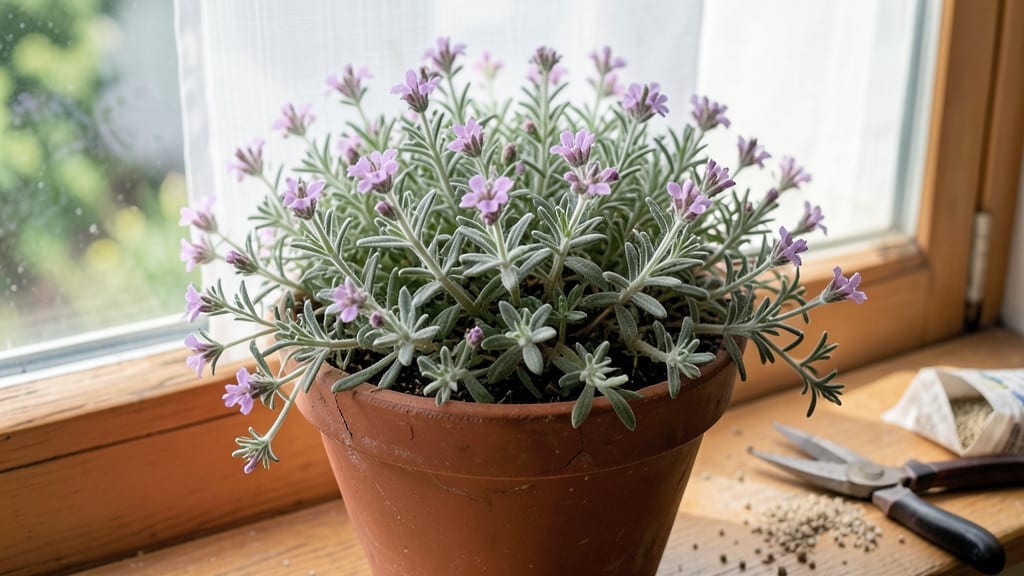
Thyme in bloom transforms your garden into a fragrant, buzzing paradise that lasts all season. 🌿 That delicate lavender haze isn't just pretty—it's a magnet for pollinators, a culinary treasure, and the secret to effortless garden borders.
My front yard's thyme borders now stay lush through summer heat, their tiny flowers attracting bees while keeping deer from nibbling my hostas. The magic happens when you let thyme spread naturally—it forms a dense, drought-tolerant carpet that chokes out weeds.
Pair it with rosemary for a Mediterranean vibe or salvia for contrasting textures, and you've got a low-maintenance combo that thrives in full sun. The scent alone makes pruning worthwhile, and those little flowers dry beautifully for winter arrangements.
What you end up with is a garden that smells like summer even in winter. The flowers attract beneficial insects all season, and the fragrance lingers on your hands after harvesting. It's the kind of plant that makes neighbors ask, "What's that amazing smell?"
Works in containers, rock gardens, or as living mulch between perennials. Here's how to style it for maximum impact!
📚 In This Guide
- What you need
- Instructions
- Tips and common mistakes
- Wrapping up and next steps
What you need
- ● Thyme plants or seeds: For plants: 3–5 nursery-grown thyme plants (common varieties like Thymus vulgaris, Thymus citriodorus, or Thymus serpyllum). For seeds: 1 packet (50–100 seeds) of heirloom or organic thyme seeds (germination takes 14–30 days).
- ○ Well-draining soil: 1–2 bags of cactus/succulent mix or potting soil (amended with perlite or coarse sand for aeration). Containers (optional but handy): 3–5 6–8-inch pots with drainage holes (terracotta or ceramic preferred). OR a raised garden bed (minimum 6 inches deep).
- ● Sunlight access: A south-facing window (6+ hours of sunlight daily) or outdoor space with full sun (6+ hours). 🛠️ Tools & Extras Basic gardening tools: 1 trowel (for planting/seeding). 1 pruning shears (for harvesting/trimming). 1 spray bottle (for watering seedlings).
- ○ Fertilizer (optional): 1 slow-release granular fertilizer (5-10-5 ratio) or organic compost (mix 1 cup per 5 gallons of soil). 1 liquid seaweed extract (for indoor pots, dilute per instructions).
How to grow and maintain thyme in bloom all season
Thyme blooms with minimal fuss once you know its simple needs—sun, well-drained soil, and occasional pruning.
☀️ Step 1: Choose the Perfect Sunny Location
Thyme thrives in full sun—at least 6 hours daily. A south-facing spot gets the best results, but even east or west exposures work if they receive morning or late-afternoon sunlight. I always test a spot by placing a plant there for a week first—if it wilts or looks stressed, move it.
This herb hates soggy roots, so avoid low-lying areas where water pools. If your soil drains poorly, consider planting in a raised bed or container with drainage holes. The key is letting excess water escape within 24 hours—thyme roots rot quickly if left damp.
🌱 Step 2: Plant in Well-Drained Soil
Use loamy, sandy soil with a pH between 6.0 and 8.0. If your garden soil is heavy clay, amend it with 1 part sand or perlite to 3 parts garden soil before planting. I mix in a handful of coarse sand directly into the planting hole to improve drainage further.
Dig a hole twice as wide as the root ball but only as deep as the container’s base. Gently loosen the roots if they’re circling in the pot, then place the plant in so the top of the root ball sits ½ inch below soil level. This prevents stem rot from sitting water.
💧 Step 3: Water Sparingly After Planting
Water deeply right after planting to settle the soil, but then let the top 1-2 inches dry out between waterings. Thyme’s native Mediterranean roots store moisture, so overwatering is the fastest way to kill it. You’ll know it’s thirsty when the leaves start curling slightly or the soil feels dry to the touch.
Once established, thyme rarely needs watering—once every 2-3 weeks in most climates. In containers, check soil moisture daily in summer heat. Mulch lightly with ¼ inch of gravel or coarse sand to retain moisture without suffocating the plant.
✂️ Step 4: Prune for Bushy Growth and Blooms
Prune thyme twice a year: after flowering in early summer and again in late winter. Cut back ⅓ of the plant’s height with clean shears to encourage dense, bushy growth. This also prevents woody stems and keeps the plant compact.
Never cut into old wood—thyme won’t regrow from hardened stems. Watch for new green growth after pruning; that’s your signal the plant is recovering. Deadheading spent blooms in spring encourages more flowers and keeps the plant looking tidy.
🌿 Step 5: Harvest and Maintain Year-Round
Harvest thyme anytime it’s in bloom by snipping sprigs just above a leaf node. This stimulates new growth and keeps the plant productive. I harvest in the morning after dew dries but before the sun peaks—flavor is strongest then.
Divide mature thyme plants every 3-4 years in early spring to rejuvenate growth. Dig up the plant, separate the root clumps, and replant the healthiest sections. Thyme spreads slowly but reliably, so you’ll always have extra to share or replant.
Tips & tricks for thriving thyme plants
Mastering these simple tricks will help your thyme stay vibrant and productive for years—no green thumb required.
Sunlight Strategy: That 6-hour daily sun requirement in Step 1 is non-negotiable, but here's the secret: morning sun is more important than afternoon. I've seen thyme wilt in intense midday heat, so if you're in a hot climate, provide afternoon shade during summer months. A south-facing window works perfectly for container thyme, but rotate pots weekly for even growth.
Soil Secret: The loamy, sandy soil mix in Step 2 is crucial, but don't overlook the pH test. If you're unsure about your soil's pH, grab a simple test kit from your garden center—thyme's ideal 6.0-8.0 range is surprisingly forgiving. I've grown it successfully in slightly acidic soil (around 5.5) without major issues, though the flavor is strongest at neutral pH.
Watering Wisdom: The 1-2 inch dry topsoil rule in Step 3 works perfectly, but here's what nobody tells you: thyme's drought tolerance makes it perfect for rain gardens. Once established, it can handle brief periods of drought—just don't let it go completely bone-dry. I've seen thyme bounce back after weeks of neglect, though flavor may be slightly muted until it recovers.
Pruning Payoff: When you prune that ⅓ of the plant's height in Step 4, focus on cutting just above a leaf node where new growth will emerge. This creates bushier plants with more flavorful leaves. I always prune after flowering because the plant is putting energy into seed production, not leaf growth—this redirecting of energy gives you more harvestable thyme.
Pro Tips for Thyme In Bloom
- Mastering these simple tricks will help your thyme stay vibrant and productive for years—no green thumb required.
- Sunlight Strategy: That 6-hour daily sun requirement in Step 1 is non-negotiable, but here's the secret: morning sun is more important than afternoon.
- Soil Secret: The loamy, sandy soil mix in Step 2 is crucial, but don't overlook the pH test.
Frequently asked questions
Got questions about growing and enjoying thyme in bloom? We’ve got answers!
Whether you’re a seasoned gardener or just starting, this fragrant perennial is easy to love—but here’s what you need to know before diving in.
When is the best time to plant thyme for optimal blooms?
Plant thyme in early spring (after the last frost) or early fall for the best results. This gives the roots time to establish before winter or summer heat stress. If planting in containers, spring is ideal—thyme blooms best with 6–8 hours of sunlight daily and well-draining soil.
How long does it take for thyme to bloom after planting?
Most thyme varieties bloom within 6–12 weeks of planting, especially if given full sun and consistent watering. French thyme and lemon thyme often flower faster than creeping thyme. Pinch back spent blooms to encourage longer, bushier blooms throughout the season!
Can I grow thyme indoors, or does it need to be outside?
Yes! Thyme thrives indoors near a sunny window (south-facing) or under grow lights. Use a well-draining pot with a mix of potting soil and sand. Just avoid overwatering—indoor thyme prefers dry conditions like its outdoor counterparts. Lemon thyme is a great choice for kitchen windowsills!
Are thyme blooms good for pollinators, or should I deadhead them?
Thyme blooms are pollinator magnets! Leave them for bees and butterflies, but deadhead (trim spent flowers) to encourage more blooms. If you’re growing thyme for culinary use, harvest leaves before flowers open—they’re most flavorful then. For gardens, a mix of both works!
Does thyme survive winter, or do I need to protect it?
Thyme is hardy in USDA zones 5–9 and often survives winter with mulch (like straw or leaves) to protect roots. In colder zones, container-grown thyme can be moved to a sheltered spot or indoors. Prune back dead growth in early spring—it’ll bounce back hardier than ever!
Wrapping up and next steps
Watching thyme in bloom is like having a fragrant, low-maintenance gift that keeps on giving—year after year! This hardy perennial not only brightens your garden with its delicate flowers but also invites pollinators and adds a burst of flavor to your kitchen.
Whether you're a seasoned gardener or just starting out, thyme proves that beauty and resilience go hand in hand.
Ready to plant your own patch of thyme magic? Grab your seeds or cuttings, find that sunny spot in your garden, and let the blooms begin! 🌱✨ Happy gardening!