
Blooming
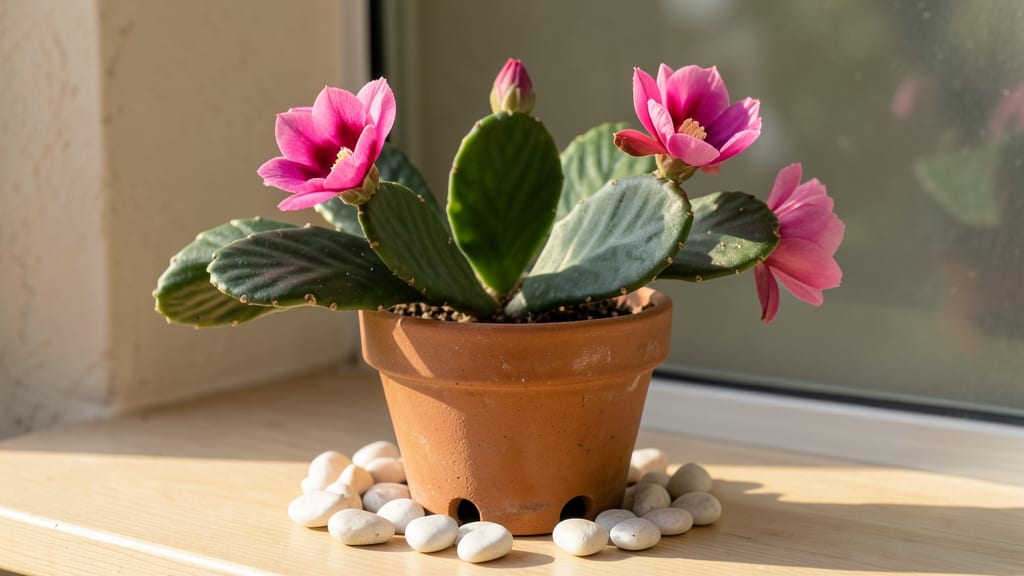
Blooming cactus gardens prove beauty doesn’t need water—just the right desert companions. 🌵 I’ve designed these arrangements where vibrant cacti like peruvian lilies and night-blooming cereus share space with drought-tolerant flowers, creating a mirage of color that thrives on neglect.
The secret lies in pairing plants with similar water needs while contrasting textures and heights for visual drama.
Think beyond traditional desert plants—succulents like echeveria or sedum add softness, while agave and yucca provide striking structural contrast. A well-planned arrangement needs 3-5 plants per container, with cacti as the star and supporting plants filling gaps.
The result? A garden that blooms reliably with almost no maintenance once established.
You’ll end up with a collection that feels like a living desert painting—bright blooms against spiky silhouettes, all while using half the water of traditional gardens.
These designs work in containers, raised beds, or directly in the ground, adapting to any sunny spot. The best part? They reward patience with dramatic seasonal displays.
Whether you’re going for a modern minimalist look or a wild, overgrown desert vibe, the key is balancing colors and textures. Start with a single container or expand to a full bed—either way, you’ll create a garden that’s as drought-proof as it is stunning.
Ready to bring the desert indoors or outdoors?
📚 In This Guide
- What you need
- Instructions
- Tips and common mistakes
- Wrapping up and next steps
What you need
- ● Blooming cacti varieties (3–5 plants): 1–2 Echinopsis (e.g., "Lilac Charm" or "Peruvian Old Lady")
- ● 1 Hylocereus (e.g., "Queen of the Night" for dramatic blooms)
- ● 1–2 Notocactus or Gymnocalycium (colorful, compact bloomers)
- ● Well-draining soil mix (5–10 lbs): 60% cactus/succulent soil (e.g., Cactus Mix by FoxFarm)
- ● 30% perlite or pumice (for aeration)
- ○ 10% coarse sand (optional, for extra grit)
- ● Containers (per plant): Terracotta pots (6–12 inches in diameter) or shallow trays with drainage holes
- ● Gravel or pebbles (1–2 inches layer at the bottom for drainage)
- ● Fertilizer: Balanced low-nitrogen fertilizer (e.g., 10-10-10 or 5-10-10, diluted to half-strength)
- ○ Optional: Slow-release granules (e.g., Osmocote Smart-Release Cactus Plant Food)
- ● Basic tools: Small hand trowel or spoon
- ● Spray bottle (for misting, if needed)
- ○ Gloves (optional, to protect from spines)
- ● Lighting: South-facing window or grow lights (12–14 hours/day, 6–12 inches above plants)
- ● Watering can with a narrow spout (to avoid overwatering)
- ● Prerequisites: Patience! Blooms may take 1–3 years to appear.
- ● Commitment to minimal watering (once every 2–4 weeks, depending on climate).
- ● Humidity tray (for Hylocereus if indoors)
- ● Decorative rocks or sand (for a desert aesthetic)
- ● pH test kit (ideal soil pH: 6.0–7.0)
- ● Support stakes (for heavy-blooming varieties like Echinopsis)
Step-by-step instructions for growing low-water desert bloomers
Here's how to create a stunning, drought-resistant desert garden that blooms beautifully with minimal care.
🪴 Step 1: Select the Right Containers and Soil Mix
Choose containers with multiple drainage holes—terracotta pots or ceramic planters work best. I prefer 12-14 inch diameter pots for each plant to allow proper root spread. Desert bloomers like Echeveria, Sedum, and Kalanchoe thrive in fast-draining cactus/succulent mix combined with 30% perlite or pumice. This blend prevents root rot while mimicking their natural arid environments.
Fill each pot to 2 inches below the rim with your mix, then tap gently to settle without compacting. The soil should feel dry and crumbly—if it sticks together, add more perlite. I like to pre-moisten the mix lightly with a spray bottle, just enough to dampen it evenly. This step ensures your plants start with the perfect foundation for their water-starved lifestyle.
☀️ Step 2: Plant and Position for Maximum Sunlight
Remove plants from their nursery pots and gently loosen the roots if they're tightly bound. Place each specimen in its container, then fill around the base with additional mix, pressing lightly to secure. Desert bloomers need full sun exposure—at least 6-8 hours daily—so position them in the southernmost spot of your patio or balcony. If you're indoors, a south-facing window with supplemental grow lights works well.
Here's the thing—most people underestimate how much light these plants need. If your bloomers start stretching toward the light with long, pale stems, they're not getting enough. Adjust their position immediately, or supplement with a LED grow light kept 6-12 inches above the plants for 12-14 hours daily. You'll see compact, vibrant growth within a few weeks.
💧 Step 3: Establish a Watering Routine That Mimics Nature
Water your desert bloomers only when the soil feels completely dry—this usually means every 2-3 weeks in warm weather, but adjust based on your climate. I use the "finger test"—stick your finger 2 inches into the soil. If it feels dry, water thoroughly until it drains from the bottom. If it's still damp, wait another week. Overwatering is the #1 killer of these plants, so never water on a schedule—always check first.
When you do water, soak the soil completely until water runs out the drainage holes. This encourages deep root growth, which makes your plants more drought-resistant. After watering, let excess moisture drain away completely—never leave plants sitting in saucers of water. In winter, reduce watering to once a month or even less, as growth slows dramatically in cooler months.
✂️ Step 4: Prune and Fertilize for Healthy Blooms
Deadhead spent blooms by snipping the flower stem just above a leaf node with clean, sharp scissors. This encourages more flowers and keeps your plants looking tidy. I also prune leggy stems back by one-third in early spring to promote bushier growth. Just be careful—some desert bloomers, like Aloe, can be sensitive to heavy pruning, so only trim what feels necessary.
Fertilize lightly once in early spring with a balanced, water-soluble fertilizer diluted to half-strength. Too much fertilizer can harm these plants, so less is always better. I use a cactus-specific fertilizer with low nitrogen to prevent excessive leaf growth at the expense of blooms. After fertilizing, water normally to help distribute the nutrients evenly through the soil.
🌿 Step 5: Monitor and Adjust for Seasonal Changes
As temperatures rise in summer, your desert bloomers may need slightly more frequent watering—but only if the soil stays dry for longer than usual. Watch for wrinkled leaves or shriveled stems, which are signs of thirst. In winter, reduce watering significantly, as most desert plants enter a dormant phase. Some, like Christmas cactus, may even need cooler temperatures (50-60°F) to trigger blooming.
Keep an eye out for pests like mealybugs or scale, which love succulent plants. If you spot them, wipe the leaves with a mild soapy water solution or use neem oil as a natural treatment. Desert bloomers are generally low-maintenance, but a little attention goes a long way in keeping them healthy and vibrant. With the right care, your low-water garden will reward you with stunning blooms year after year without the fuss.
Tips & tricks for perfect desert bloomers
Took me years to perfect these drought-resistant beauties, so here are the secrets that make all the difference.
Container Selection: Terracotta pots aren't just pretty—they breathe! Their porous nature helps wick away excess moisture, which is crucial for desert bloomers. I've found that containers with 12-14 inch diameters give roots enough space to spread without becoming root-bound too quickly. For extra insurance, elevate pots on feet or pebbles to prevent water pooling at the bottom, which can lead to rot. This simple adjustment can double your plants' lifespan.
Soil Mix Science: The 30% perlite or pumice in your cactus mix isn't just filler—it's the secret to preventing root rot. When mixing, sift the components together rather than dumping them in layers. This creates a uniform texture that mimics desert sand. I've noticed that plants in properly aerated soil develop stronger root systems that can withstand longer dry periods. Pro tip: Add a handful of chicken grit to your mix for plants like Echeveria—it helps break down tough roots and prevents compaction over time.
Lighting Strategy: Those 6-8 hours of direct sunlight are non-negotiable, but here's what nobody tells you—morning sun is gentler than afternoon heat. Position your plants to catch the coolest, brightest light available. For indoor setups, place them within 12 inches of a south-facing window during winter months when sunlight is weaker. I've seen plants stretch dramatically when they're not getting enough light—this "etiolation" makes them leggy and weak. If you notice pale stems, it's time to adjust their position immediately.
Watering Wisdom: The 2-inch finger test is your best friend, but here's the trick: do it at the same time every week to establish a routine. Desert bloomers actually prefer infrequent, deep watering over frequent light watering. When you do water, let the excess drain completely—don't just water until the top feels moist. I've learned the hard way that leaving plants in saucers of water overnight can kill them faster than drought. In winter, I reduce watering to once every 6-8 weeks for most varieties, letting them enter their natural dormancy phase.
Pro Tips for The Blooming Cactus & Co
- Took me years to perfect these drought-resistant beauties, so here are the secrets that make all the difference.
- Container Selection: Terracotta pots aren't just pretty—they breathe!
- Soil Mix Science: The 30% perlite or pumice in your cactus mix isn't just filler—it's the secret to preventing root rot.
Frequently asked questions
Got questions about nurturing these drought-defying desert bloomers? You’re not alone! Here are answers to the most common queries about The Blooming Cactus & Co—so you can keep your plants happy with minimal fuss.
How often should I water these cacti and succulents?
These desert darlings thrive on neglect! Water only when the soil is completely dry—typically every 2-4 weeks in summer and once a month in winter. Overwatering is the #1 killer, so less is always more. Stick your finger in the soil first—if it’s damp, wait!
When will my cactus bloom, and how do I encourage it?
Patience is key! Most desert cacti bloom after 3-5 years (some take longer). To trigger blooms, mimic their natural habitat: full sun (6+ hours/day), cool nights (below 60°F), and minimal water in late summer/fall. Skip fertilizers—these plants hate being spoiled!
Can I keep these indoors, and what’s the best spot?
Place them near a south- or west-facing window for maximum sunlight. If natural light is weak, supplement with a grow light (12-14 hours/day). Avoid drafts (like AC vents) and keep temps between 65–85°F. Rotate pots occasionally for even growth!
What if my cactus looks wrinkled or shriveled?
Wrinkles = thirst, but don’t panic! Soak the soil thoroughly (bottom-watering helps) and let it dry out completely. If the issue persists, check for root rot (smelly, mushy roots). Repot in cactus mix and trim dead roots. Pro tip: Yellowing means overwatering—adjust your schedule!
Are there low-maintenance alternatives to traditional cacti?
Yes! Try echeverias (rosette-shaped succulents), sedum (hardy and colorful), or agave (dramatic and slow-growing). All three need bright light and occasional watering. Bonus: They’re pet-safe (unlike some cacti). Start with a mix-and-match collection for variety!
Wrapping up and next steps
Discovering the Blooming Cactus & Co opens doors to a world of resilient, water-wise plants that defy the odds with stunning blooms. These desert wonders prove beauty thrives even in arid conditions—perfect for busy gardeners or those craving low-maintenance charm. 🌵✨
Ready to bring a touch of the desert’s magic to your space? Start small: pick one variety, like the Echeveria or Lithops, and let its unique character inspire your collection. Happy planting—and may your garden bloom with effortless elegance!