
Blooming
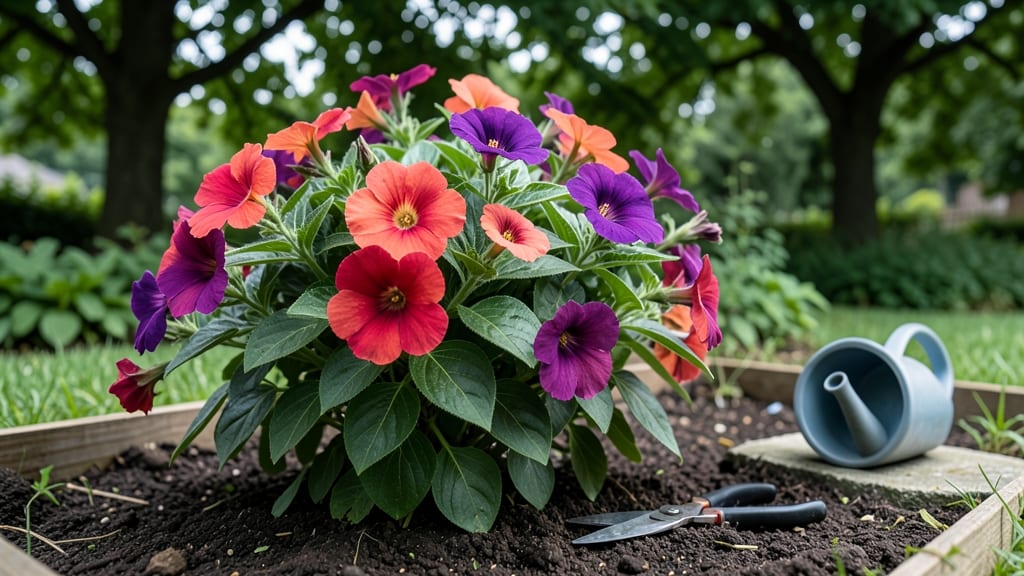
Sunpatiens bloom time starts 6-8 weeks after planting, and they keep going until frost—no summer break needed. 🌻 I planted mine in late April, and by early June, my patio exploded with bold red, pink, and purple blooms that lasted straight through September. The secret?
These heat-loving hybrids thrive when others wilt, but timing matters—plant too late, and you’ll miss peak summer color. The key to extending their bloom time is consistent watering (they hate soggy roots) and deadheading spent flowers weekly.
I learned this the hard way when my first batch slowed down in August—turns out, they need a little help staying productive. With proper care, you’ll enjoy continuous blooms from early summer to fall, even in 90°F+ heat.
What makes sunpatiens special is their reblooming habit—unlike petunias, they don’t quit after one flush. My neighbor’s plants looked ragged by July, but mine stayed vibrant and full until the first frost. The trick?
Choose Tifflower or Sunpatiens hybrids (they’re bred for heat resistance) and plant in full sun with well-draining soil. For best results, start seeds indoors 8-10 weeks before last frost or buy transplants in spring.
If you’re in a hot climate, opt for Sunpatiens ‘Heatwave’ series—they’re the toughest of the bunch. Once established, these plants reward you with months of nonstop color, making them the ultimate low-maintenance summer star.
📚 In This Guide
- What you need
- Instructions
- Tips and common mistakes
- Wrapping up and next steps
What you need
- ● Sunpatiens plants: 6–12 plants (depending on desired coverage; spacing ~12–18 inches apart)
- ● Pro tip: Choose heat-tolerant varieties like 'Sunpatiens Vista Breeze' or 'Sunpatiens Vista Lemon' for best results! 🌡️
- ● Well-draining potting mix: 5–10 gallons (sterilized, peat-free blend with perlite or vermiculite for aeration)
- ● Containers or garden beds: Containers: 10–14" diameter pots with drainage holes (1 per plant)
- ● Garden beds: Full sun exposure (6+ hours/day) with rich, loamy soil
- ● Fertilizer: Balanced, water-soluble fertilizer (10-10-10 or 20-20-20; 1 tbsp per gallon of water)
- ● Watering can or hose with gentle spray nozzle
- ● Pruning shears (sterilized)
- ● Mulch (1–2 inches of shredded bark or pine straw to retain moisture)
- ● Slow-release fertilizer tablets (1 per pot for convenience)
- ● Plant supports (small stakes for leggy varieties)
- ● Shade cloth (30–50% coverage for extreme heat waves)
- ● pH test kit (ideal range: 5.8–6.2)
How to maximize sunpatiens bloom time for continuous season-long color
Sunpatiens thrive with the right care—here’s how to coax those heat-resistant blooms all season long.
🌱 Step 1: Choose the Right Variety and Planting Location
Sunpatiens need full sun to partial shade—at least 6 hours of direct sunlight daily—but they tolerate heat better than traditional impatiens. Pick heat-tolerant varieties like ‘Superbells’ or ‘Wave’ series, which handle 90°F+ temperatures without wilting. Plant in well-draining soil to prevent root rot, which can stunt blooms.
Here’s the thing—sunpatiens planted in morning sun with afternoon shade in hot climates perform best. If your garden gets intense afternoon sun, opt for shade-tolerant varieties like ‘Sunpatiens Vista Breeze’ instead. The key is avoiding midday heat stress, which causes buds to drop before opening.
☀️ Step 2: Provide Consistent Water and Fertilizer for Nonstop Blooms
Water deeply 2-3 times per week—enough to moisten 6 inches of soil—but avoid soggy roots. Sunpatiens wilt quickly when thirsty, but they also hate soggy soil, which leads to yellow leaves and fewer blooms. I like to check moisture by sticking my finger 1 inch into the soil; if it’s dry, water thoroughly.
Feed every 2-3 weeks with a balanced, water-soluble fertilizer (10-10-10 or 20-20-20) to encourage continuous blooming. Stop fertilizing 4-6 weeks before your first frost—this lets the plant focus on hardening off rather than new growth. Over-fertilizing late in the season can lead to weak stems and fewer blooms.
✂️ Step 3: Deadhead and Prune for Longer Bloom Cycles
Deadheading—removing spent blooms—is the secret to reblooming sunpatiens. Pinch off faded flowers at the base with clean pruners or your fingers. This redirects energy from seed production to new buds. I do this every 3-5 days during peak bloom season (late spring to early fall).
Prune leggy stems back by one-third in early summer to encourage bushier growth. This also improves airflow, reducing the risk of powdery mildew or botrytis, which can rot buds before they open. Always use sterilized pruners to prevent spreading disease between plants.
🌿 Step 4: Protect from Heat Stress and Pests for Extended Blooming
In extreme heat (above 95°F), sunpatiens may drop buds or wilt. Provide light shade cloth (30-50%) during peak afternoon heat if needed. Mulch with 2-3 inches of organic mulch (like shredded bark) to keep roots cool and retain moisture. Avoid dark mulches—they absorb heat and can scorch roots.
Watch for aphids, spider mites, or whiteflies, which suck plant juices and weaken blooms. Spray infested plants with neem oil or insecticidal soap at dusk to avoid harming pollinators. A strong blast of water from the hose can also dislodge pests—just do it early in the morning so leaves dry quickly.
⏰ Step 5: Extend the Season with Proper Fall Care
Sunpatiens are tender perennials, so they won’t survive frost. To squeeze out extra weeks of blooms, move potted plants to a sheltered, sunny spot before the first frost. If planted in the ground, cut back one-third of the foliage in early fall to redirect energy to root strengthening. Stop fertilizing 6 weeks before frost to avoid tender new growth.
In mild climates, sunpatiens may rebloom lightly in spring if left in the ground. In colder zones, treat them as annuals—take cuttings in late summer to propagate for next year. Store cuttings in a cool, bright spot (60-65°F) until spring planting.
Tips & tricks for perfect sunpatiens bloom time
Between us, these little details make all the difference between sunpatiens that bloom all season and ones that fizzle in the heat.
Sunlight Strategy: When selecting your planting location, remember that morning sun with afternoon shade is ideal in hot climates. If you're unsure about your garden's sun exposure, observe the area for a week before planting. Look for spots where leaves dry quickly after morning watering—this indicates good airflow and less heat stress. I've seen sunpatiens in full afternoon sun drop buds within days, while those with afternoon shade continue blooming for weeks.
Watering Wisdom: The 2-3 times per week watering guideline assumes average temperatures and well-draining soil. In extreme heat (above 95°F), you may need to water daily, especially if your soil dries out faster. Always check moisture by sticking your finger 1 inch deep—if it feels dry, water thoroughly until moisture reaches 6 inches down. Overwatering is just as damaging as underwatering, so let the top inch dry between waterings to prevent root rot.
Deadheading Discipline: The every 3-5 days deadheading schedule might seem frequent, but it's crucial for continuous blooming. I've found that removing spent flowers at the base (not just cutting them off) prevents seed formation and redirects energy to new buds. Use clean pruners or your fingers—just make sure your tools are sanitized to avoid spreading disease. This simple habit can double your bloom time during peak season.
Heat Stress Prevention: If you're in a region where temperatures regularly exceed 95°F, consider using light shade cloth (30-50%) during peak afternoon hours. I've seen dramatic improvements in bud retention when plants get just a few hours of afternoon shade. For ground-planted sunpatiens, 2-3 inches of organic mulch (like shredded bark) works wonders—it keeps roots cool while retaining moisture. Avoid dark mulches that can scorch roots in intense heat.
Pro Tips for Sunpatiens Bloom Time
- Between us, these little details make all the difference between sunpatiens that bloom all season and ones that fizzle in the heat.
- Sunlight Strategy: When selecting your planting location, remember that morning sun with afternoon shade is ideal in hot climates.
- Watering Wisdom: The 2-3 times per week watering guideline assumes average temperatures and well-draining soil.
Frequently asked questions
Got questions about getting the most out of your sunpatiens’ stunning, heat-resistant blooms? You’re not alone! Here are answers to the most common queries about sunpatiens bloom time—from timing tricks to troubleshooting tips.
When do sunpatiens typically bloom, and how long does it last?
Sunpatiens usually burst into color 6–8 weeks after planting, especially with consistent warmth (60°F+). With proper care, they’ll rebloom continuously until the first hard frost (fall) or heatwave (summer). Some varieties, like ‘Wave Red’ or ‘Solar Flare,’ are bred for nonstop action—just keep deadheading!
Why aren’t my sunpatiens blooming yet? Troubleshooting tips.
If your sunpatiens are leggy or leafy but not flowering, check these fixes:
- Light: They need 6+ hours of direct sun (partial shade = fewer blooms). Move pots to sunnier spots.
- Water: Overwatering stresses roots. Let soil dry slightly between waterings.
- Fertilizer: Use a balanced, water-soluble formula (like 10-10-10) every 2–3 weeks during bloom season.
- Heat stress: If temps hit 90°F+, provide afternoon shade to protect delicate flowers.
Pro tip: Pinch back leggy stems to encourage bushier growth and more blooms!
Can sunpatiens bloom in containers? What’s the best pot size?
Sunpatiens thrive in containers—just choose pots with drainage holes and at least 10–12 inches in diameter for 1–2 plants. Larger pots (14"+) hold moisture better for hot climates. Use a lightweight, well-draining potting mix (add perlite or sand for extra airflow).
Do sunpatiens rebloom after deadheading? How often should I do it?
Yes! Deadheading (removing spent blooms) stimulates new flowers for weeks longer. Snip off flowers just above a leaf node with clean shears. Do this weekly during peak bloom (spring–fall) to keep your sunpatiens looking fresh and prolific.
Will sunpatiens bloom in summer heat? How to protect them?
Sunpatiens are heat-tolerant but may slow bloom production in extreme heat (95°F+). To help them thrive:
- Water deeply in the morning to avoid fungal issues.
- Use mulch to retain soil moisture.
- Provide afternoon shade with sheer curtains or lattice.
- Choose heat-resistant varieties like ‘Superbells’ or ‘Crackerjack.’
Pro tip: A light foliar spray with water on hot days can cool leaves and encourage blooms!
Wrapping up and next steps
Sunpatiens are the ultimate low-maintenance superstars for vibrant, heat-resistant blooms that keep your garden or containers bursting with color from spring until frost! 🌸 With the right care—like proper sunlight, well-draining soil, and consistent watering—you’ll enjoy reblooming magic all season long.
Whether you’re a seasoned gardener or a newbie, these plants make it easy to create a stunning, long-lasting display.
Ready to transform your space? Start by picking your favorite sunpatiens varieties and plant them in a sunny spot this weekend. Watch your garden come alive with color—no green thumb required! 🌞