
Blooming
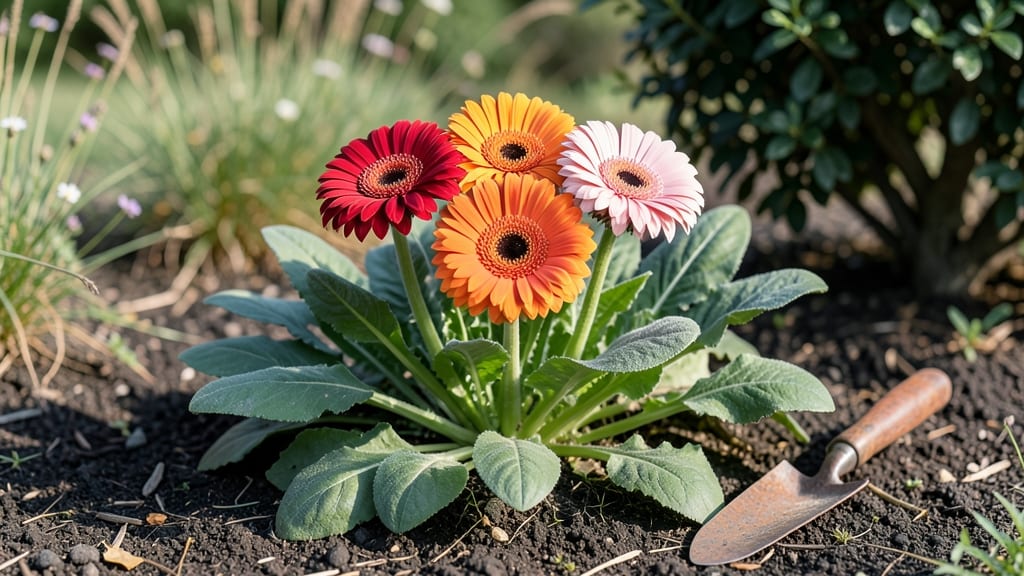
The gerbera daisy bloom time stretches to 6-8 weeks with six hours of sun daily—that’s the secret to their vibrant show, and I learned it the hard way after my first batch faded in just three weeks. 🌻 The difference between a short-lived display and weeks of vibrant blooms comes down to light, water, and soil—simple tweaks that make all the difference.
These cheerful flowers thrive in zones 8-11, but with the right care, they’ll reward you with blooms from early summer through fall in cooler climates.
The key is mimicking their natural habitat: well-draining soil, consistent moisture (not soggy roots), and a spot where they won’t get shaded out by taller plants. Even in heatwaves, they’ll keep producing if you deadhead spent blooms regularly.
What you’ll end up with is a nonstop parade of color—reds, oranges, yellows, and pinks—that brightens borders, containers, and cutting gardens. The blooms stay fresh for days in a vase, too, making them a gardener’s dream for both outdoor displays and indoor arrangements.
That’s six weeks of effortless beauty with minimal maintenance once you get the basics right. For cooler regions, treat them as annuals and replant each spring for the best results. In warmer zones, they’ll often self-seed, giving you free plants next year—and that’s the real magic of gerberas.
Let’s get those blooms going!
📚 In This Guide
- What you need
- Instructions
- Tips and common mistakes
- Wrapping up and next steps
What you need
- ● Gerbera daisy plants: 3–5 healthy, young plants (choose varieties like ‘Red Torch’, ‘Orange Ice’, or ‘Greenlake’ for consistent blooming).
- ● Well-draining potting mix: 5–10 gallons (adjust based on pot size). Opt for a blend with peat moss, perlite, and compost (e.g., 60% potting soil + 30% perlite + 10% compost).
- ● Containers: Pots with drainage holes (12–16 inches in diameter for each plant, or larger for multiple daisies).
- ● Balanced fertilizer: 10–10–10 or 20–20–20 NPK ratio (1 tbsp per gallon of water, applied every 2–3 weeks during bloom season).
- ● Slow-release fertilizer: Osmocote or similar (1 cup per plant at planting time).
- ● Watering can or hose with a gentle spray nozzle: Avoid soggy soil!
- ● Pruning shears: Sharp, sterilized shears for deadheading spent blooms.
- ● pH test kit: Ensure soil pH is 5.5–6.5 (gerberas love slightly acidic soil!).
- ○ Mulch (optional): 1–2 inches of pine bark or straw to retain moisture.
- ○ Grow lights (optional): Full-spectrum LED lights for 12–14 hours/day if indoors.
- ○ Support stakes (optional): For tall varieties (e.g., ‘Greenlake’), use 18-inch stakes.
- ● Sunlight: 6–8 hours of direct sun daily (south- or west-facing spots are ideal).
- ● Temperature: 60–75°F (avoid frost or extreme heat).
- ● Humidity: Moderate (40–60% is perfect; mist occasionally in dry climates).
- ● Patience: Gerberas need 4–6 weeks to adjust before blooming!
How to maximize gerbera daisy bloom time with light and care
Sunlight is the secret weapon for extending those vibrant blooms—here’s how to coax 6-8 weeks of color.
☀️ Step 1: Position Plants for Full Sun Exposure
Gerbera daisies demand 6-8 hours of direct sunlight daily to trigger blooming. Place them in a south- or west-facing spot where they’ll receive unfiltered morning light and afternoon sun. If growing in containers, rotate pots weekly so all sides receive even exposure—you’ll notice stems leaning toward the light if they’re not getting balanced sun.
In cooler climates, supplement with a grow light for 14-16 hours daily during short winter days. Use full-spectrum LEDs positioned 12-18 inches above the plants. Watch for leaves stretching toward the light—this signals insufficient intensity. Adjust the height until foliage stays compact and dark green.
💧 Step 2: Water Deeply at Soil Level for Consistent Blooms
Water gerbera daisies at the base 1-2 inches deep whenever the top inch of soil feels dry. Avoid overhead watering, which encourages fungal diseases like powdery mildew—this is the #1 reason blooms drop prematurely. Use a watering can with a narrow spout or soaker hose to deliver moisture directly to the roots without wetting foliage.
Mulch with 1-2 inches of organic mulch (like shredded bark) to retain moisture and regulate soil temperature. This keeps roots consistently hydrated without the stress of fluctuating dampness. Overwatering is just as harmful as underwatering—yellowing leaves or wilting stems signal you’ve overdone it.
✂️ Step 3: Prune and Deadhead for Extended Blooming
Remove spent blooms by cutting the stem ½ inch above the next set of leaves to encourage new flower production. This redirecting of energy is why gerbera daisies can bloom continuously for 6-8 weeks with proper care. Use clean, sharp pruners to avoid damaging stems—dull tools crush tissue, inviting disease.
Trim back leggy stems in early spring to promote bushier growth. Aim to maintain a compact, rounded shape—this ensures sunlight penetrates the center of the plant where new buds form. If you notice buds forming but not opening, check for crowded foliage blocking light.
🌱 Step 4: Fertilize Strategically for Long-Lasting Color
Feed gerbera daisies with a balanced, water-soluble fertilizer (10-10-10) every 4-6 weeks during the growing season. Dilute to half-strength to avoid burning roots—over-fertilizing causes excessive foliage at the expense of blooms. Apply fertilizer in the morning so plants have time to absorb nutrients before evening.
Switch to a low-phosphorus formula (5-10-10) once buds appear to encourage strong stems rather than leafy growth. You’ll see the difference in 2-3 weeks: stems stay sturdy, and blooms open fully rather than drooping. Avoid fertilizing in late summer to prepare plants for dormancy.
⏰ Step 5: Adjust Care for Seasonal Bloom Extensions
In summer’s peak heat, move containers to partial shade during midday hours (11 AM–3 PM) to prevent wilting. Gerbera daisies tolerate 70-75°F best—temperatures above 85°F stress plants and shorten bloom time. Mist leaves lightly in the morning to increase humidity without promoting fungal growth.
As temperatures drop in fall, reduce watering slightly and stop fertilizing 6-8 weeks before first frost. This gradual adjustment helps plants store energy for next season. You’ll know you’ve timed it right when foliage turns golden-yellow naturally rather than blackening from cold shock.
Tips & tricks for perfect gerbera daisy bloom time
These sun-smart strategies will help you squeeze every last vibrant week out of your gerbera daisies.
Light Intensity Check: In Step 1, when positioning your plants for those crucial 6-8 hours of sunlight, take a moment to observe how the light shifts throughout the day. Morning sun is cooler and less intense, while afternoon sun can be harsh—especially in summer. If you notice leaves turning yellow or crispy at the edges by late afternoon, consider providing some afternoon shade during peak heat hours (around 2-4 PM). This balance prevents stress while still maximizing that essential sunlight exposure.
Grow Light Placement: For those cooler climates requiring 14-16 hours of supplemental light, precision matters. Position your full-spectrum LEDs at exactly 12-18 inches above the plants and adjust the height based on leaf color. If leaves appear dark green and compact, you're golden. If they stretch toward the light or turn pale, lower the lights by 2-3 inches. Remember, gerbera daisies need consistent light intensity—they won't bloom if they're constantly reaching for more.
Pruning Precision: When deadheading in Step 3, that ½-inch cut above the next set of leaves is critical. Cutting too close can damage the leaf node where new growth emerges, while cutting too far above removes too much foliage. Use clean pruners and make cuts at a 45-degree angle just above a leaf node to encourage new growth while maintaining the plant's shape. This precise pruning is what extends that 6-8 week bloom cycle by redirecting energy to new flowers rather than seed production.
Seasonal Transition Timing: That 6-8 week window before first frost is your golden opportunity to prepare plants for dormancy. Start reducing watering gradually about 4 weeks before frost, then completely stop fertilizing at the 6-week mark. You'll know you've timed it right when foliage naturally turns golden-yellow rather than blackening suddenly. This gradual adjustment helps plants store energy efficiently for next season's blooms.
Pro Tips for Gerbera Daisy Bloom Time
- These sun-smart strategies will help you squeeze every last vibrant week out of your gerbera daisies.
- Light Intensity Check: In Step 1, when positioning your plants for those crucial 6-8 hours of sunlight, take a moment to observe how the light shifts throughout the day.
- Grow Light Placement: For those cooler climates requiring 14-16 hours of supplemental light, precision matters.
Frequently asked questions
Got questions about getting those vibrant gerbera daisies to bloom their best? Here are some common ones we hear—and the answers to help you grow stunning flowers!
Why aren’t my gerbera daisies blooming, even with plenty of sunlight?
Gerbera daisies need at least 6-8 hours of direct sunlight daily—but they also need a cooling period (like 50-60°F nights) to trigger blooming. If temps stay too warm (above 80°F), they may focus on foliage instead. Try moving them to partial shade during peak afternoon heat or use shade cloth.
How long does it take for gerbera daisies to bloom after planting?
From seed, expect 8-12 weeks to first bloom, while established plants (from cuttings or nursery stock) may flower in 6-8 weeks under ideal conditions. Patience pays off—consistent watering and sunlight speed up the process! Pro tip: Deadhead spent blooms to encourage more flowers.
Can gerbera daisies bloom indoors near a sunny window?
While possible, indoor blooming is rare without supplemental grow lights (12+ hours/day). A south-facing window may give 4-6 hours of light, but gerberas need intense sunlight to trigger blooms. If you’re determined, pair a bright window with a grow bulb or rotate plants weekly for even exposure.
What’s the best way to extend gerbera daisy bloom time beyond 6-8 weeks?
To prolong blooms, fertilize lightly every 2-3 weeks with a balanced 10-10-10 or bloom-boosting formula (like 5-10-5). Prune leggy stems to encourage bushier growth, and never let soil dry out completely. In cooler climates, mulch roots to protect from temperature swings.
Are there gerbera daisy varieties that bloom year-round?
No variety blooms truly year-round in outdoor conditions, but tropical gerbera varieties (like ‘Teresa’ or ‘Candy Stripe’) handle heat better and may rebloom faster. For continuous color, plant in stages (every 3-4 weeks) or grow in containers you can move indoors in winter with grow lights.
Wrapping up and next steps
Understanding your gerbera daisies’ sun-triggered bloom time is the first step to a vibrant, long-lasting display—up to 6-8 weeks of color! With the right balance of sunlight, soil, and care, you’ve got everything you need to coax those cheerful blooms year after year. 🌞✨
Now that you’re armed with the know-how, take the next step—grab those shears, prep your garden bed, or tweak your indoor lighting, and watch your gerberas shine brighter than ever. Happy planting! 🌸