
Blooming
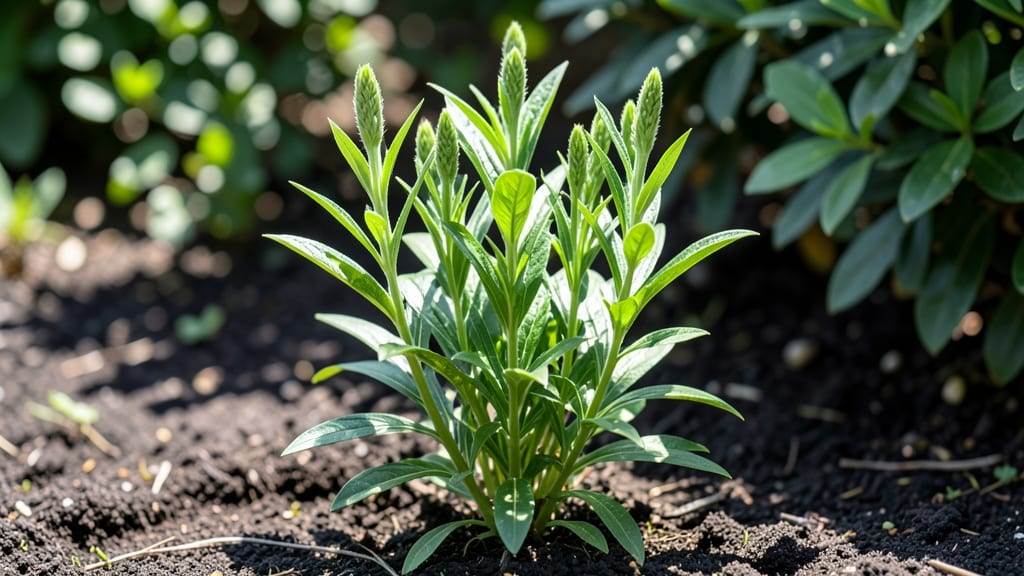
Pinching snapdragons before bloom is the secret to longer stems and fuller plants—I went from scraggly stems to bushy, flower-covered plants in just two months last year. 🌱 The key is timing: wait until plants hit 6-8 inches tall, then snip just above a leaf node where new growth will sprout.
This isn't just about looks—it forces the plant to branch out, creating more blooms later.
Start with well-draining soil rich in compost and space plants 12-18 inches apart to avoid crowding. Snapdragons love full sun (6+ hours daily) but appreciate afternoon shade in hot climates. Water at the base—never overhead—to prevent fungal diseases.
The first sign of healthy growth? Bright green leaves and sturdy stems that don’t flop. If leaves yellow or wilt, you’re either overwatering or missing nutrients.
After pinching, your snapdragons will grow faster and bushier, setting the stage for prolonged blooms all season. The trick is consistency: repeat pinching every 4-6 weeks for continuous flowering.
You’ll end up with plants that look like they’re from a nursery, not your backyard. Just avoid pinching too early—you need those leaves for energy.
This method works for all snapdragon varieties, from dwarf to giant. Whether you’re growing in garden beds or containers, the same rules apply. The payoff? More flowers, fewer leggy stems, and a showstopping display that lasts from early summer to frost.
📚 In This Guide
- What you need
- Instructions
- Tips and common mistakes
- Wrapping up and next steps
What you need
- ● Snapdragon seedlings or young plants (6-8 weeks old, healthy and sturdy)
- ● Clean, sharp pruning shears or scissors (sterilized with rubbing alcohol to prevent disease)
- ○ Gloves (optional but recommended for hygiene and protection)
- ● Well-draining potting mix or garden soil (rich in organic matter, pH 6.0-7.0)
- ● Watering can or hose with a gentle spray nozzle
- ● Balanced fertilizer (10-10-10 or 20-20-20) (diluted to half-strength for young plants)
- ○ Support stakes or cages (optional but helpful) (5-6 inches tall for young plants)
- ● Plant hormone rooting gel (if taking cuttings post-pinching)
- ● Mulch (straw or shredded leaves) (to retain moisture and suppress weeds)
- ● Shade cloth (30-50%) (if pinching in hot climates to reduce stress)
- ● Grow lights or sunny windowsill (for indoor pinching or early starts)
- ● Journal or plant tags (to track pinching dates and growth progress)
Step-by-step guide to pinching snapdragons for bushier growth
Here's how to transform leggy snapdragon seedlings into sturdy, flowering powerhouses.
🌱 Step 1: Wait for the Right Growth Stage
Pinch snapdragons only when they've developed 4-6 true leaves—these are the second set of leaves after the initial seed leaves. You'll know they're ready when the stems are about 4-5 inches tall and the leaves are fully unfurled. This timing ensures the plant has enough energy reserves to branch properly after pinching.
If you pinch too early, you'll stunt the plant's growth; too late, and you'll miss the optimal branching window. I always check for compact stems and deep green leaves before proceeding. Avoid pinching in extreme heat or cold—ideal conditions are 60-75°F with bright, indirect light.
✂️ Step 2: Pinch Above a Leaf Node
Using clean, sharp pruning shears, snip the main stem just above a set of leaves where new branches will emerge. This is called the leaf node—you'll see a small bump or joint where leaves attach to the stem. Pinch about ¼ inch above the node to prevent the cut from drying out and protect against disease entry.
Real talk: I used to pinch too close to the leaves, leaving a stub that looked messy. Now I focus on clean cuts above the node. After pinching, the plant will redirect energy from vertical growth to developing side branches, creating a bushier shape. You'll see new growth emerging from the nodes within 7-10 days.
🌿 Step 3: Encourage Secondary Branching
Once the plant produces 4-6 new side shoots from the first pinch, repeat the process on the two strongest stems. These secondary stems should be at least 3-4 inches tall before pinching. The goal is to create a multi-tiered structure that supports more blooms and stronger stems.
Here's the thing—don't pinch every stem equally. Focus on the primary and secondary stems first. Tertiary branches can wait until they're 2-3 inches tall. This staggered approach ensures the plant doesn't get overwhelmed and produces a balanced, flowering habit. You'll know you're on track when the plant starts looking fuller and more compact.
☀️ Step 4: Optimize Light and Water for Recovery
After pinching, snapdragons need full sun (6+ hours daily) to recover and branch properly. If your plants start looking leggy again, they're not getting enough light. Move them to a sunnier spot or supplement with a grow light for 14-16 hours per day. You'll see stronger, sturdier growth when the stems are thick and leaves are dark green.
Water consistently but avoid soggy soil—keep the top 1-2 inches dry between waterings. Overwatering after pinching can lead to weak stems and disease. I like to water in the morning so the foliage dries quickly, reducing the risk of fungal issues. Fertilize lightly with a balanced 10-10-10 formula every 2-3 weeks to support new growth.
⏰ Step 5: Monitor and Repeat as Needed
Watch for new growth emerging from the nodes where you pinched. If side shoots grow too long without branching, pinch them again when they reach 4-5 inches. This keeps the plant compact and encourages more blooms. You'll know you're doing it right when the plant starts looking like a bush instead of a single stem.
By the time snapdragons reach 12-18 inches tall, they should have multiple stems with buds forming along the sides. This is the moment that matters: a well-pinched snapdragon will produce 2-3 times more blooms than an unpinched one. If you see buds forming too early, reduce water slightly to delay flowering until the plant is fully established.
Tips & tricks for perfect snapdragon pinching
These game-changing techniques will help you transform leggy snapdragons into thriving, bushy plants with abundant blooms.
Growth Stage Insight: The 4-6 true leaves requirement isn't arbitrary—it's when the plant has built enough energy reserves to support branching. I've found that stems between 4-5 inches tall provide the perfect balance between maturity and flexibility for new growth. Watch for leaves that are fully unfurled and deep green; these are your cues that the plant is ready. In cooler conditions (below 60°F), wait an extra day or two as growth slows naturally.
Pinching Precision: That ¼-inch clearance above the leaf node makes all the difference. Too close, and you risk exposing the cut to disease; too far, and you create an awkward stub. I use clean, sharp pruning shears and make a clean cut at a slight angle. For stubborn stems, I gently twist them off just above the node—this works surprisingly well and leaves a cleaner break. After pinching, you'll notice new growth emerging from the nodes within 7-10 days, but be patient if it takes slightly longer in cooler weather.
Light Optimization: The 6+ hours of full sun requirement is non-negotiable for proper recovery after pinching. If your plants start stretching again, they're signaling light deprivation. I've had success with grow lights set to 14-16 hours per day during shorter winter days. Position lights about 6-12 inches above the plants and adjust as they grow. Remember, snapdragons need bright light to maintain that compact, bushy shape we're working toward.
Watering Wisdom: Keeping the top 1-2 inches of soil dry between waterings prevents waterlogged conditions that weaken stems. I've learned this the hard way—overwatered snapdragons develop weak stems that can't support the increased weight of new growth. Water in the morning to allow foliage to dry completely before nightfall, which helps prevent fungal issues. After pinching, you might notice slightly slower growth as the plant redirects energy—this is normal and part of the process.
Pro Tips for Snapdragons Before Bloom
- These game-changing techniques will help you transform leggy snapdragons into thriving, bushy plants with abundant blooms.
- Growth Stage Insight: The 4-6 true leaves requirement isn't arbitrary—it's when the plant has built enough energy reserves to support branching.
- Pinching Precision: That ¼-inch clearance above the leaf node makes all the difference.
Frequently asked questions
Got questions about pre-bloom snapdragon care? You’re not alone! Here are answers to the most common concerns—because every gardener deserves a thriving, bushy snapdragon without the guesswork.
Why should I pinch snapdragons before they bloom?
Pinching encourages bushier growth and longer stems by stimulating side shoots. Without it, snapdragons grow tall but leggy, with fewer blooms. Think of it like pruning a bush—it helps them branch out for a fuller, more vibrant display!
When is the best time to pinch snapdragons?
Pinch young plants 6–8 weeks after germination (or when they’re 6–8 inches tall) and again in late summer if needed. Avoid pinching too late—once buds form, it can reduce flowering. Early intervention = more blooms later!
How do I pinch snapdragons correctly?
Use clean fingers or pruners to snip just above a set of leaves (not a leaf node). Remove the top 2–3 inches of growth. For best results, pinch on a cloudy day to reduce stress. Pro tip: Wear gloves—snapdragons can be prickly!
What if my snapdragons are already too tall before blooming?
Don’t panic! You can still lightly trim leggy stems to encourage branching, but expect fewer blooms that season. For next year, start pinching earlier. If growth is severely stunted, check for pests (like aphids) or nutrient deficiencies (add balanced fertilizer).
Are there alternatives to pinching for bushier snapdragons?
Yes! Try thinning seedlings early (leave 12–18 inches between plants) or plant dwarf varieties (like ‘Tom Thumb’). Overcrowding naturally forces side shoots, but pinching is still the most effective method for dramatic results.
Wrapping up and next steps
Caring for snapdragons before bloom is all about giving them the right attention early—pinching those stems can transform your garden into a lush, vibrant display! 🌸 With just a little effort, you’ll enjoy longer, fuller blooms and healthier plants.
Now that you’re armed with the know-how, grab those shears and get ready to watch your snapdragons thrive!
Ready to take the next step? Start pinching now and track your progress—you’ll be rewarded with a stunning, continuous bloom season!