
Blooming
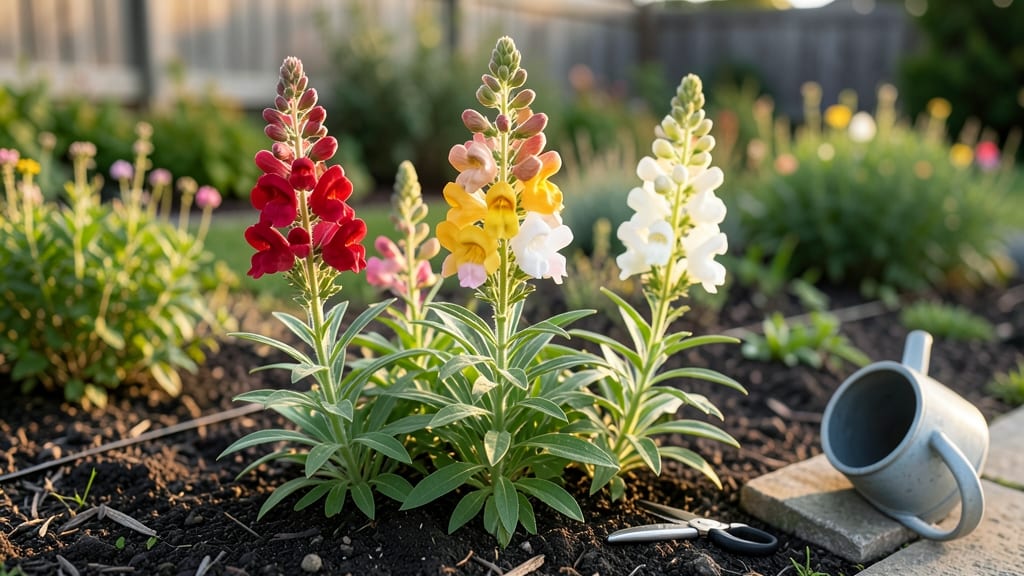
The snapdragon blooming season is a magical time in my garden—spring, summer, and sometimes even fall, depending on where you live. 🌸 I’ve watched these self-seeding wonders pop up year after year, their vibrant colors outshining store-bought flowers.
The key to their magic lies in understanding your climate zone and giving them the right care at the right time.
Most snapdragons are cool-season plants, meaning they thrive in spring and fall but may struggle in scorching summer heat. In USDA zones 7-10, they often act as annuals, blooming fiercely in spring and fall before fading in summer.
But in cooler zones (3-6), they might return as perennials—or at least self-seed like crazy, giving you free plants for years. Deadheading spent blooms keeps them producing, while mulching protects roots from temperature swings.
With the right prep—rich soil, consistent watering, and a little shade in peak summer—you can stretch their blooming season from early spring until first frost. Imagine snapdragons in your garden from March through October, their faces "snapping" open to reveal layers of color.
The secret? Treat them like the resilient survivors they are, and they’ll reward you with showstopping displays year after year.
Whether you’re in a mild coastal zone or a harsh winter region, snapdragons adapt. The trick is adjusting care: more water in summer, less in winter, and always keeping an eye out for those surprise seedlings popping up where you least expect them. Let’s make your garden their forever home.
📚 In This Guide
- What you need
- Instructions
- Tips and common mistakes
- Wrapping up and next steps
What you need
- ● Snapdragon seeds or seedlings: Choose Antirrhinum majus varieties (e.g., 'Rocket,' 'Matrix,' or 'Liberty Hybrid') for reliable self-seeding.
- ● Quantity: 10–50 seeds (or 3–6 seedlings) per 10 sq. ft. for a lush display.
- ● Well-draining soil: Mix: 60% garden soil + 30% compost + 10% perlite/sand (pH 6.0–7.0).
- ○ Optional: Add a slow-release fertilizer (10-10-10 NPK ratio) for extra nutrients.
- ● Growing containers or garden bed: Containers: 6–12" deep pots (1 plant per 6" diameter).
- ● Garden beds: Full sun (6+ hours/day) with spaced rows (12–18" apart).
- ● Watering tools: Watering can with a fine rose nozzle (to avoid displacing seeds).
- ○ Drip irrigation kit (optional, for consistent moisture).
- ● Mulch: 1–2" layer of straw or shredded leaves to retain moisture and suppress weeds.
- ● Pruning shears: Sharp, sterilized shears for deadheading (encourages more blooms!).
- ● Plant markers or stakes (to label varieties and support tall stems).
- ● Organic pest control: Neem oil or insecticidal soap (for aphids/caterpillars).
- ● Garden gloves (to protect hands from prickly stems).
- ● Sunhat & sunscreen (because gardening is hard work!).
How to extend snapdragon blooming season through natural self-seeding
Here’s how to turn your snapdragons into a self-sustaining garden star—no extra work after the first year.
🌱 Step 1: Choose the Right Variety for Your Climate
Snapdragons thrive in cool to mild climates and naturally self-seed in USDA Zones 7-10. Annual varieties like ‘Matrix’ or ‘Rocket’ produce abundant seed pods that scatter easily, while perennial types (like Antirrhinum majus hybrids) return reliably if protected from winter frost. For longer blooming, select early-, mid-, and late-season varieties—plant them in succession so flowers never stop appearing.
I always check seed packets for days to maturity—aim for types that bloom 60-90 days after planting. This ensures your first flush of flowers appears just as summer heats up, and self-sown seedlings take over by late summer. If your zone runs hot, opt for heat-tolerant colors like red or orange—they handle afternoon sun better than pastels.
☀️ Step 2: Plant for Maximum Sun and Airflow
Snapdragons need full sun (6+ hours daily) to produce robust blooms, but they hate afternoon shade. Position them where they get morning light and partial afternoon shade in hot climates—this prevents wilting and extends the season. I plant mine 12-18 inches apart in well-draining soil; closer spacing encourages more self-seeding by letting seed pods brush against soil as they mature.
Airflow matters just as much as sun. Crowded plants develop powdery mildew faster, which weakens stems and reduces seed production. If your garden is shaded, choose dwarf varieties like ‘Tom Thumb’—they bloom profusely even with 4-6 hours of light and self-seed aggressively in partial shade.
✂️ Step 3: Deadhead Strategically for Continuous Blooms
Here’s the trick: Don’t remove all spent blooms. Leave 10-15% of the oldest flowers on the plant until their seed pods turn brown and papery. These pods will split open, scattering seeds naturally. For the rest, snip off faded blooms just above the next set of leaves—this redirects energy to new flowers instead of seed production.
I use clean pruners to avoid spreading disease, and I always work in the morning when stems are dry. Watch for seed pods forming—they look like tiny green bulbs at the base of each flower. Once they’re dry, they’ll pop open like tiny jack-in-the-boxes, releasing seeds for next season’s crop.
🌿 Step 4: Let Seedlings Establish Before Thinning
Self-seeded snapdragons appear 4-6 weeks after pods burst, often in unexpected spots. Wait until they have 2-3 true leaves before thinning—this gives them time to develop strong roots. Use a small hand trowel to gently lift and transplant excess seedlings to bare patches in your garden or share with neighbors.
Real talk: Don’t rush thinning. Weak seedlings compete with established plants for nutrients, leading to leggy, sparse blooms. If you’re short on space, let a few extra seedlings grow and snip the tallest ones back to encourage bushier growth. Snapdragons handle pruning well—they’ll reward you with more flowers and better seed production.
⏰ Step 5: Protect Seedlings Through Winter for Perennial Growth
In Zones 7-9, snapdragons often survive winter if given light mulch (2-3 inches) after the first frost. I use straw or shredded leaves to insulate roots without smothering the plants. In colder zones, dig up mature plants before hard frosts, trim back by half, and pot them in 6-inch containers with well-draining mix. Store them in a cool, dark garage (40-50°F) until spring.
The key is timing. Plant them back outdoors 4-6 weeks before your last frost date—this gives roots time to establish before summer heat arrives. Perennial snapdragons will bloom earlier and more prolifically than annuals, and their self-seeding habit ensures your garden fills in naturally year after year.
Tips & tricks for extending snapdragon blooms naturally
These practical strategies will help you maximize your snapdragons' self-seeding potential while avoiding common pitfalls that shorten their bloom time.
Variety Selection Matters: When choosing your snapdragons, prioritize dwarf varieties like 'Tom Thumb' for shaded areas—they self-seed aggressively even with just 4-6 hours of light. For hotter climates, select heat-tolerant colors like red or orange varieties, which handle afternoon sun better than pastels while maintaining vigorous seed production. The 60-90 day maturity range ensures continuous blooms from early summer through fall.
Strategic Deadheading Technique: In Step 3, when deadheading, focus on removing only 85-90% of spent blooms—leave the oldest 10-15% to develop seed pods. These pods will naturally scatter seeds when they turn brown and papery. I've found that working in the morning with clean pruners prevents disease spread while maintaining airflow. The key visual cue is watching for those tiny green bulbs forming at the base of flowers—they're your future seedlings!
Thinning Timing is Critical: Don't thin seedlings until they've developed 2-3 true leaves (Step 4). This gives them time to establish strong roots before competition begins. I've learned the hard way that rushing thinning leads to leggy, weak plants that struggle to bloom. If space is tight, let a few extra seedlings grow and prune the tallest ones back to encourage bushier growth—this actually boosts both flower production and seed pod formation.
Winter Protection Strategy: In Zones 7-9, apply 2-3 inches of straw or shredded leaves after the first frost to insulate roots without smothering plants. For colder zones, timing is everything—dig up plants before hard frosts and store them in 6-inch containers at 40-50°F until spring. Plant them back outdoors 4-6 weeks before your last frost date to give roots time to establish before summer heat arrives.
Pro Tips for Snapdragon Blooming Season
- These practical strategies will help you maximize your snapdragons' self-seeding potential while avoiding common pitfalls that shorten their bloom time.
- Variety Selection Matters: When choosing your snapdragons, prioritize dwarf varieties like 'Tom Thumb' for shaded areas—they self-seed aggressively even with just 4-6 hours of light.
- Strategic Deadheading Technique: In Step 3, when deadheading, focus on removing only 85-90% of spent blooms—leave the oldest 10-15% to develop seed pods.
Frequently asked questions
Got questions about snapdragons and their magical blooming season? You’re not alone! Here are some of the most common queries—plus quick, practical answers to help you make the most of these self-seeding superstars.
When is the best time to plant snapdragons for blooms?
Snapdragons thrive when planted 6–8 weeks before your last frost date in spring or again in late summer for fall blooms. In warm climates (zones 7–10), they may even bloom year-round with minimal care. For cooler regions, aim for early spring or late summer for a vibrant display!
How long does snapdragon blooming season last?
With proper care, snapdragons can bloom for 8–12 weeks per season! Deadheading spent flowers (snipping just above the next set of leaves) encourages continuous blooms. If you plant in both spring and fall, you might enjoy flowers for half the year—no wonder they’re called "self-seeding wonders!"
Why aren’t my snapdragons blooming?
No flowers? Check these common culprits:
- Too much shade: Snapdragons need 4–6 hours of sun daily.
- Over-fertilizing with nitrogen: Too much "leafy" fertilizer delays blooms. Switch to a balanced 10-10-10 or bloom-specific formula.
- Stress from heat/drought: Keep soil evenly moist (but not soggy) during dry spells.
Can snapdragons grow in containers?
Snapdragons thrive in containers as long as the pot is at least 12 inches deep with drainage holes. Use a well-draining potting mix and fertilize every 2–3 weeks. Dwarf varieties (like ‘Tiny Tower’) are perfect for small spaces—just keep them in full sun for the best blooms!
Will snapdragons come back every year on their own?
Here’s the magic: Yes! Snapdragons are annuals but self-seed like crazy. After blooming, let some seed pods mature (they’ll turn brown and pop open). Next season, you’ll likely spot tiny volunteers popping up—nature’s way of rewarding low-maintenance gardeners! Pro tip: Thin seedlings to avoid overcrowding for bigger, healthier plants.
Wrapping up and next steps
Watching snapdragons burst into vibrant blooms is like nature’s own fireworks show—effortless, rewarding, and full of surprises! 🌸 Their self-seeding magic means more flowers year after year with minimal work, turning your garden into a thriving, pollinator-friendly paradise.
Whether you’re a seasoned gardener or just starting, embrace their resilience and let them multiply naturally.
Ready to dive in? Start by choosing your favorite colors, prepping your soil, and planting seeds or cuttings this spring or fall. Before you know it, your garden will be buzzing with life—and snapdragons that keep giving back. Happy gardening! 🌱