
Blooming
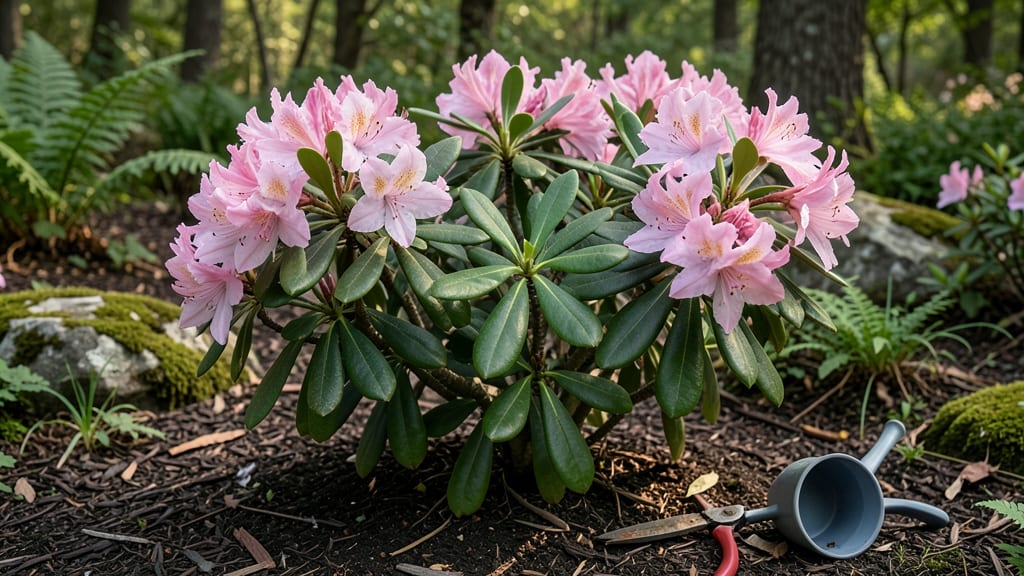
Your rhododendron blooming season starts earlier in the South and later in the North—but there’s a way to coax those vibrant clusters into peak perfection. 🌸 I’ve watched my own bushes bloom from late winter in Georgia to early summer in New England, and the secret isn’t just patience—it’s understanding what your plants really need to thrive.
The timing depends on your zone, but also sunlight, soil moisture, and last year’s care. Too much shade? Blooms arrive late. Overwatered soil? They might never show up. Even the variety matters—some early bloomers like ‘Catawbiense’ wake up by March, while ‘PJM’ waits until May.
The key is matching their needs to your climate. Once those buds swell, you’ll see bold pinks, purples, and whites that last for weeks—if you’ve fed them right. A light layer of compost in early spring and a slow-release fertilizer after blooming keeps them strong for next year.
And here’s the trick: prune after flowers fade to avoid cutting off next year’s buds. Whether you’re in a mild winter zone or a cold snap climate, these adjustments make all the difference. Let’s get those blooms on schedule!
📚 In This Guide
- What you need
- Instructions
- Tips and common mistakes
- Wrapping up and next steps
What you need
- ● Rhododendrons: Healthy, mature plants (3–5 years old) suited to your USDA Hardiness Zone (e.g., Zones 4–8 for most varieties). Pro tip: 💡 Choose early, mid-, or late-season bloomers to extend your display!
- ● Well-draining acidic soil: Mix 2 parts peat moss or pine bark + 1 part perlite/sand + 1 part garden soil (pH 4.5–6.0). Test soil pH with a soil test kit.
- ● Organic mulch: 3–4 inches of pine needles, wood chips, or shredded bark to retain moisture and acidify soil.
- ● Slow-release fertilizer: 10–10–10 or 8–3–9 NPK (acid-loving plant formula), ½ cup per plant in early spring.
- ● Watering can or hose: With a fine rose nozzle for gentle, deep watering (avoid wetting foliage).
- ● Pruning shears: Bypass-pruners (sharp, 5–7 inch) for shaping after blooming.
- ● Epsom salt: 1 tbsp per gallon of water (monthly spray for magnesium boost).
- ● Lime-free compost: 2–3 cups per plant annually to enrich soil.
- ● Shade cloth (30–50% coverage): For young plants in hot zones to prevent leaf scorch.
- ● Bud spray (dormant oil): Apply in late winter to prevent pests like lace bugs.
- ● pH adjustment kit: For tweaking soil acidity with sulfur or aluminum sulfate if needed.
Instructions for maximizing rhododendron bloom timing
Here's how I time everything for vibrant, on-schedule blooms every year—no guesswork involved.
🌱 Step 1: Prune After Last Bloom Fades
Wait until all flowers have dropped and new leaves appear on your rhododendron. This usually happens in late May or June, depending on your zone. I prune deadheading only—never cut into old wood—because new blooms form on last year's growth. Use clean, sharp pruners to make cuts just above a leaf node or bud.
Real talk: If you prune too early, you risk cutting off next year's flower buds before they form. If you wait too long, you miss the best time to shape the plant. I mark my calendar with the last frost date—pruning should happen 4-6 weeks after that date in most regions.
☀️ Step 2: Apply Acidic Fertilizer in Early Spring
In late winter or early spring (when buds begin to swell but before leaves emerge), spread a slow-release acidic fertilizer like 10-10-10 or rhododendron-specific blend around the root zone. I use about 1/2 cup per mature plant and work it into the top 2-3 inches of soil. This mimics the acidic conditions they love in nature.
Don't fertilize after mid-June—new growth won't harden off before winter. I water the area thoroughly after applying fertilizer to help it reach the roots. You'll see new shoots emerge within 2-3 weeks if the timing and soil conditions are right.
💧 Step 3: Water Deeply During Bud Formation
When flower buds begin to form (usually late summer to early fall), water your rhododendron deeply once a week—about 1-2 gallons per plant—to encourage strong root development. The soil should stay evenly moist but not soggy during this critical period. I check moisture by sticking my finger 2 inches deep; if it feels dry, that's your watering cue.
Here's the thing—rhododendrons hate drought stress during bud formation. If the soil dries out completely, buds may drop before opening. Mulch with 2-3 inches of pine bark or pine needles to retain moisture and acidify the soil gradually over time.
⏰ Step 4: Protect Buds from Late Freezes
If your zone gets late spring frosts (common in zones 5-7), cover young buds with frost cloth when nighttime temperatures drop below 28°F. I secure the cloth loosely with stakes to allow airflow—tight covers trap heat and can damage buds. Remove the cover during the day to let sunlight reach the plant.
Don't use plastic or heavy blankets—they can smother the plant. You'll know you've timed this right when buds remain firm and green, not mushy or brown. In most zones, blooms should appear 4-6 weeks after buds form, usually in late spring.
✂️ Step 5: Deadhead and Mulch After Blooming
Once flowers fade, snip spent blooms down to the first set of leaves below the flower cluster. This keeps the plant looking tidy and redirects energy to next year's buds. I also add a 2-inch layer of fresh mulch around the base (but not touching the trunk) to protect roots and maintain soil acidity.
This is the moment that matters: After deadheading, take a step back and admire your work. Healthy rhododendrons should have plump, green buds forming by late summer—that's your sign everything's on track for next year's showstopping blooms.
Tips & tricks for perfect rhododendron blooms
Timing is everything when it comes to coaxing vibrant blooms from your rhododendrons. Here's what I've learned after years of trial and error.
Pruning Precision: In Step 1, when you're ready to prune, focus on removing only the spent flowers—not the stems. The buds for next year's blooms form on last year's growth, so cutting into old wood means fewer flowers. I always look for the first set of leaves below the flower cluster to make my cuts. This ensures you're preserving the framework for future blooms while keeping the plant tidy.
Fertilizer Timing: The 2-3 week window after applying acidic fertilizer in Step 2 is crucial for new shoot growth. If you're not seeing fresh green shoots within that time, check your soil pH—rhododendrons thrive in acidic conditions (pH 4.5-5.5). You can test your soil with a simple kit from your local garden center. If it's too alkaline, add sulfur or peat moss to adjust the pH gradually over time.
Bud Formation Watch: During Step 3, when you're monitoring moisture levels, pay special attention to the buds forming in late summer. They should appear plump and green, not shriveled or brown. If you notice buds dropping prematurely, it's often a sign of drought stress or sudden temperature changes. The 2-inch moisture check depth is perfect—any deeper and you're watering too much, which can cause root rot.
Freeze Protection: In Step 4, when protecting buds from late freezes, remember that frost cloth works best when it allows sunlight through during the day. I've ruined buds in the past by using heavy blankets that blocked light completely. Secure the cloth loosely with stakes so it doesn't touch the plant—just hover above it like a protective umbrella. This keeps the buds warm enough to survive but still allows them to photosynthesize.
Pro Tips for Rhododendron Blooming Season
- Timing is everything when it comes to coaxing vibrant blooms from your rhododendrons.
- Pruning Precision: In Step 1, when you're ready to prune, focus on removing only the spent flowers—not the stems.
- Fertilizer Timing: The 2-3 week window after applying acidic fertilizer in Step 2 is crucial for new shoot growth.
Frequently asked questions
Got questions about rhododendron blooming season?
You’re not alone! Here are answers to the most common queries to help you plan for stunning blooms in your garden.
When is the best time to plant rhododendrons for spring blooms?
Plant rhododendrons in early spring or fall (4–6 weeks before the first frost) to give roots time to establish before winter. Avoid planting in summer heat or extreme cold—roots need moderate soil temps (50–70°F) to thrive. Pro tip: Mulch heavily after planting to protect roots and retain moisture!
Why aren’t my rhododendrons blooming this year?
Common culprits include over-fertilizing (too much nitrogen = leafy growth, no flowers), poor sunlight (they need partial shade), or stress from drought/transplant shock. Check soil pH (ideal: 4.5–6.0)—acidic soil is key! If buds form but drop, it may be late frost damage. Give them time—young plants (under 3 years) often skip blooming.
Can I extend the rhododendron blooming season?
Yes! Choose late-blooming varieties like ‘Nova Zembla’ (pink) or ‘Catawbiense Grandiflorum’ (white) for a longer show. Deadhead spent blooms to encourage reblooming (though most rhododendrons bloom once per year). For winter interest, select cultivars with evergreen foliage or winter-blooming types like Rhododendron ‘Winter Lilac.’
What can I plant near rhododendrons for year-round color?
Pair them with heucheras (for foliage), azaleas (similar care, staggered blooms), or ferns (shade-loving, moisture-retentive). For spring color, try bleeding hearts or dutchman’s breeches. Avoid competitive roots like maples or pines—stick to acid-loving, shade-tolerant plants!
Will rhododendrons bloom in cold climates (Zones 3–5)?
Hardier varieties like ‘PJM’ (white) or ‘Roseum Elegans’ (pink) thrive in Zones 3–7. Key tips: Mulch 4–6 inches deep in winter, water thoroughly before freeze, and plant in sheltered spots (away from wind). Evergreen types may need winter protection in extreme cold (Zone 3).
Wrapping up and next steps
Watching your rhododendrons burst into vibrant color is a rewarding experience—one that’s all about timing, care, and a little patience! 🌸 Whether you’re in Zone 4 or Zone 9, understanding your local blooming season and adjusting your garden prep will ensure stunning displays year after year.
Now that you’re armed with the right tricks, it’s time to roll up your sleeves and get growing.
Start by marking your calendar for next year’s blooming window and noting which varieties thrive best in your area. Then, take a moment to admire your progress—your garden is about to become the talk of the neighborhood! 🌿
Next step: Share your rhododendron journey with us—tag us in your garden photos or ask your own questions in the comments! 📸