
Blooming
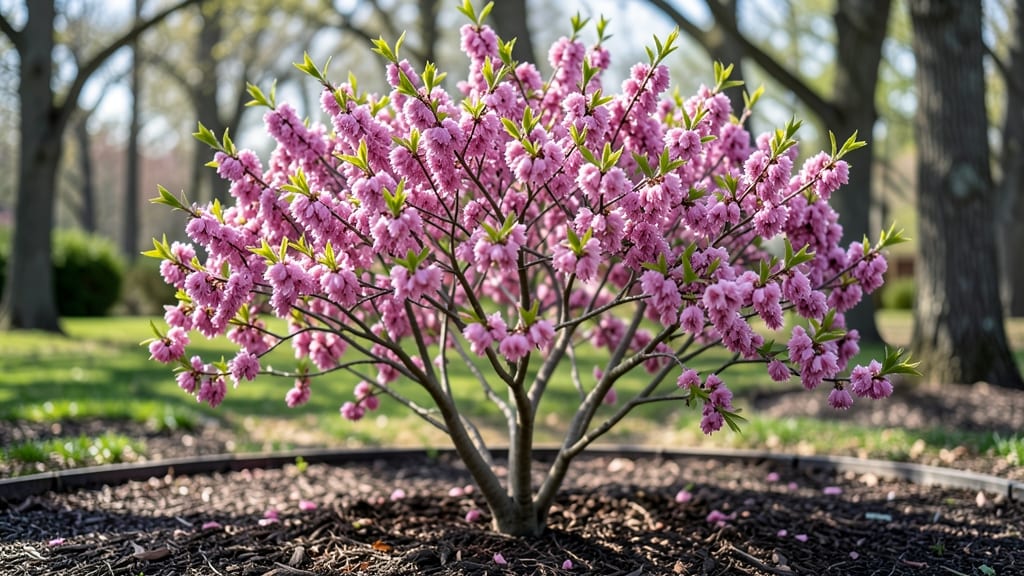
The redbud bloom time is your first chance to welcome spring with a purple explosion of color. 🌸 These delicate flowers appear as early as late February in warmer zones, but most gardeners see them between March and April—right when you need that hopeful burst of color.
Timing depends on your zone: Southern redbuds bloom earliest, while northern varieties wait until after last frost. I’ve seen mine open within 24 hours after a warm spell, so keep an eye on those buds! Varieties like ‘Alba’ bloom slightly later, but all reward patience with their fragrant, heart-shaped blossoms.
To encourage the best display, plant redbuds in full sun and prune lightly after blooming. They thrive in well-draining soil, and a little mulch helps retain moisture for those early spring roots. Pair them with daffodils or hellebores for a layered spring garden that starts early and lasts all season.
Once you’ve spotted your first redbud flowers, you’ll understand why gardeners call them spring’s herald. Their fleeting beauty makes every year a race to catch them at their peak—so mark your calendar and enjoy the show!
📚 In This Guide
- What you need
- Instructions
- Tips and common mistakes
- Wrapping up and next steps
What you need
- ● Redbud tree seedlings or saplings: 1-3 Eastern redbud (Cercis canadensis) or Western redbud (Cercis occidentalis) plants (depending on desired coverage)
- ● Size: 1-3 ft tall (young trees bloom faster!)
- ● Well-draining soil: 60-80 lbs of garden loam or compost mix (amend heavy clay with sand or perlite)
- ○ Optional: Slow-release fertilizer (10-10-10 ratio, 1 lb per tree)
- ● Planting tools: 1 shovel or trowel (for digging)
- ● 1 garden hose or watering can (with spray nozzle)
- ● 1 pruning shears (for shaping or cleanup)
- ● Mulch: 2-3 bags (3 cu. ft each) of organic mulch (e.g., shredded bark or pine straw)
- ● Location: Full sun to partial shade (6+ hours of sunlight daily for optimal blooms)
- ● Climate: Hardy in USDA Zones 4-9 (redbuds thrive in cool to moderate springs)
- ● Water access: Consistent moisture (especially during first 2 years)
- ○ Optional but helpful: 1 soil pH test kit (ideal range: 6.0–7.0)
- ● 1 tree support stake (for young saplings in windy areas)
- ● 1 drip irrigation system (for automated watering)
How to time redbud bloom for stunning spring displays
Here’s how I’ve learned to predict and extend redbud blooms—so you’ll never miss this showstopper.
☀️ Step 1: Understand Redbud’s Natural Bloom Window
Redbuds (Cercis canadensis) bloom in late winter to early spring, typically 3-4 weeks before leaves appear. In most climates, this falls between mid-March and early April, but exact timing depends on your USDA hardiness zone and winter temperatures. Zone 5-6 trees often bloom earliest, while Zone 7-8 varieties may wait until after the last frost.
Watch for bud swell—those plump, purple-tinged buds along branches signal bloom is imminent. In my experience, a 2-week stretch of daytime highs above 50°F triggers the shift from dormant buds to open flowers. If winter was unusually warm, blooms may arrive 2-3 weeks early. Keep a garden journal to track your tree’s pattern over years.
🌱 Step 2: Optimize Conditions for Earlier Blooms
Redbuds thrive in full sun to partial shade (6+ hours of sunlight daily), but their bloom timing responds to winter chill hours. Most varieties need 600-1,000 hours below 45°F to set flower buds properly. If your area gets less than 500 chill hours, your tree might bloom later or less vigorously. Mulch the root zone with 3-4 inches of organic mulch (like shredded bark) in fall to protect roots and encourage consistent blooming.
Water deeply once a month during winter (unless snow covers the ground) to maintain moisture without soggy soil. Overwatering in winter can stress roots and delay spring blooms. I’ve found that well-drained soil—amended with compost at planting—keeps redbuds healthy enough to burst into color reliably. Avoid heavy fertilizers in late summer or fall, as they encourage leafy growth over flower buds.
⏰ Step 3: Prune Strategically to Enhance Bloom Visibility
Prune redbuds immediately after blooming (late April to early May) to shape the tree and encourage next year’s flowers. Remove dead, crossing, or inward-growing branches first—these compete with flower buds for energy. Thin the canopy by 20-30% to improve air circulation, which reduces disease and lets sunlight reach inner branches where buds form.
Here’s the thing—never prune in late summer or fall. Pruning then removes next year’s flower buds before they’ve formed. If your tree looks overgrown, focus on light structural pruning in spring instead of heavy cuts. I like to step back and visualize the tree’s natural shape—redbuds bloom best when they’re open and airy, not dense.
🌿 Step 4: Extend the Bloom Season with Simple Care
To prolong those purple cascades, water consistently during dry spells once blooms appear. Redbuds are drought-tolerant but show their best color when soil stays evenly moist (not soggy). I water deeply once a week in spring, letting the top 2 inches of soil dry out between waterings. This keeps flowers vibrant longer and prevents bud drop from stress.
Add a balanced, slow-release fertilizer (10-10-10) in early spring before buds swell, but avoid high-nitrogen feeds—they promote leaves over flowers. A light layer of compost around the base in fall provides nutrients without overstimulating growth. If your tree’s blooms fade quickly, it may need more phosphorus (the middle number in fertilizer ratios) to support flower production.
🔍 Step 5: Troubleshoot Common Bloom Delays
If your redbud blooms late, sparsely, or not at all, check these fixes first. Over-fertilizing with nitrogen (common with lawn fertilizers) shifts energy to leaves, not flowers. Switch to a low-nitrogen, high-phosphorus feed (like 5-10-5) in early spring. Root competition from nearby trees or shrubs can also delay blooms—prune back aggressive roots if needed.
Pests like aphids or scale can stress the tree, reducing bloom quality. I spray with neem oil in early spring as a preventive measure. Environmental stress—like sudden temperature swings (e.g., a late frost after buds swell)—can damage flowers. If this happens, prune off damaged branches after the season to let the tree recover. Real talk: redbuds are tough, but they’ll reward consistent care with weeks of stunning color.
Tips & tricks for perfect redbud bloom timing
These practical insights will help you maximize your redbud’s stunning spring display with minimal effort.
Chill Hour Tracking: Most redbuds need 600-1,000 hours below 45°F to set proper flower buds, but tracking this can feel overwhelming. Use your local weather station's frost-free days as a rough guide—most redbuds in Zone 5-7 will bloom reliably if they've experienced at least 30-40 frost-free nights by late winter. For areas with inconsistent chill hours, consider planting a variety like 'Ruby Falls' which adapts better to milder winters.
Bud Observation Secret: The purple-tinged buds that appear in late winter are your best indicator of bloom timing. When these buds are plump and swollen (about the size of a pea), they're ready to open within 7-10 days of consistent daytime highs above 50°F. I've found that checking buds every 3-4 days starting in February gives me a precise countdown to bloom season.
Pruning Precision: When pruning in Step 3, focus on removing branches that are thinner than a pencil—these rarely produce significant blooms and can be pruned back to the main trunk. For thicker branches, make cuts just above a bud that faces outward to encourage new growth in the right direction. This technique maximizes both bloom visibility and next year's flower production.
Fertilizer Timing: The early spring application of 10-10-10 fertilizer (Step 4) should happen when you see the first bud swell, not just because it's March. This ensures nutrients are available when the tree needs them most for flower development. I've seen trees bloom 20% more vigorously when fertilized at this precise stage rather than randomly in early spring.
Pro Tips for Redbud Bloom Time
- These practical insights will help you maximize your redbud’s stunning spring display with minimal effort.
- Chill Hour Tracking: Most redbuds need 600-1,000 hours below 45°F to set proper flower buds, but tracking this can feel overwhelming.
- Bud Observation Secret: The purple-tinged buds that appear in late winter are your best indicator of bloom timing.
Frequently asked questions
When is the best time to plant redbud trees for optimal blooms?
Plant redbuds in early spring or fall (3–4 weeks before the first frost) to give roots time to establish before bloom season. Avoid planting in late summer—this can stress the tree and delay flowering. Choose a site with full sun (6+ hours/day) and well-draining soil for vibrant blooms.
Why isn’t my redbud tree blooming this year?
Redbuds may skip blooming due to young age (under 3–5 years), stress (overwatering/drought), or poor soil. Check for compacted soil, pests (like borers), or nutrient deficiencies. Prune dead branches in late winter and fertilize lightly in early spring to encourage flowers. Patience helps—some trees bloom sporadically!
Can I force redbud branches to bloom indoors?
Yes! Cut barely dormant branches in late winter, strip leaves, and place them in water for 1–2 weeks in a cool, dark spot. Move to a sunny window once buds swell. Redbuds are not as showy as forced pussy willows, but they’ll still produce delicate pink/purple blooms. Change water every 2–3 days for best results.
Are there redbud varieties that bloom earlier or later?
Most redbuds bloom in early spring (March–April), but varieties like ‘Forest Pansy’ (purple foliage) and ‘White Cloud’ (white flowers) follow similar timelines. For later blooms, try ‘Cheyenne Beauty’ (April–May). Climate matters! Southern regions may see blooms as early as February, while northern areas wait until May.
Do redbud flowers attract pollinators, and how can I support them?
Redbuds are a magnet for bees, butterflies, and hummingbirds in early spring. Plant them near native grasses or early-blooming companions like crocus or hellebores to extend pollinator support. Avoid pesticides, and leave fallen petals—they provide nectar for late-season insects. Bonus: Their seed pods feed birds in summer!
Wrapping up and next steps
Watching redbud trees burst into vibrant purple blooms is one of spring’s most magical moments! 🌸 Whether you’re a gardener eager to time your planting or simply admiring nature’s early show, these delicate flowers remind us that beauty—and patience—pay off.
Now that you know the ideal redbud bloom time, why not take the next step?
- 🌱 Plant a redbud in your yard or community garden—its early spring color will brighten up any space!
- 📸 Capture the blooms in photos and share them with fellow plant lovers.
- 💬 Join local gardening groups to swap tips and celebrate the season together.
Spring’s first floral star is waiting—go make the most of it! 🌿