
Blooming
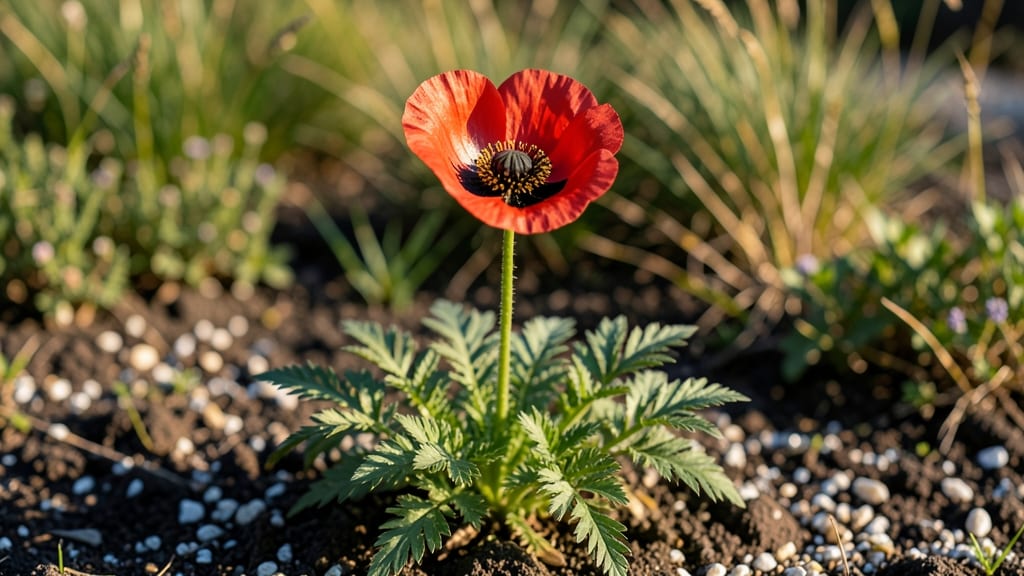
Poppies and blooms create a garden that feels like a painter’s dream—vibrant, airy, and impossible to ignore. 🌸 I’ve watched my poppy patches triple in size each year, their delicate petals swaying in the breeze while other flowers fade.
The secret isn’t complicated: these self-seeding stars spread effortlessly, turning overlooked corners into jewel-toned meadows with almost no work from you.
Start with just a handful of seeds or young plants, and by next spring, you’ll have clusters of red, pink, or white blooms that return year after year. They thrive in full sun, need minimal care, and pair beautifully with lavender, grasses, or even low-growing roses.
The best part? No deadheading required—they’ll reseed themselves, filling gaps naturally and creating that effortless wildflower look.
Imagine a border that fills in on its own, with poppies nodding in the breeze while bees buzz happily between blooms. You’ll spend less time tending and more time enjoying the show—bold colors, soft textures, and that magical poppy scent on warm afternoons.
Perfect for cottage gardens, wildflower meadows, or even container edges.
Here’s the trick: plant them where they can spread without becoming invasive (think borders, not lawns), and let nature handle the rest. By summer’s end, you’ll have a self-sustaining display that feels like a gift from the earth itself. Ready to let poppies take over?
📚 In This Guide
- What you need
- Instructions
- Tips and common mistakes
- Wrapping up and next steps
What you need
- ● Seeds: 1 packet of Papaver rhoeas (common poppy) seeds (approx. 500–1,000 seeds, depending on variety). Look for heirloom or open-pollinated types for self-seeding.
- ○ Optional: Mix in 1–2 other self-seeding perennials like Nepeta (catmint) or Calendula for color diversity.
- ● Soil: Well-draining, sandy loam or light garden soil (poppies hate soggy roots!). Amend heavy clay with compost or perlite.
- ● pH Level: Aim for 6.0–7.5 (neutral to slightly alkaline).
- ● Sunlight: Full sun (6+ hours/day)—poppies thrive in bright, open spaces.
- ● Watering: Watering can or drip irrigation (keep soil moist but not waterlogged during germination).
- ● Tools: Hand trowel or garden fork (for loosening soil).
- ● Rake (to smooth seedbeds).
- ● Pruners or clean scissors (for deadheading spent blooms later).
- ● Fertilizer: Light bone meal or low-nitrogen compost (poppies prefer lean soil—go easy!).
- ● Mulch: Straw or pea gravel (to retain moisture and suppress weeds without smothering seedlings).
- ● Garden markers: Biodegradable labels to track seedling progress (helpful for first-timers!).
- ● Wildlife-friendly touch: Skip pesticides—poppies attract bees and butterflies! 🐝
How to encourage self-seeding in perennial poppies
Here's how I create a poppy meadow that grows itself year after year.
🌱 Step 1: Choose the Right Poppy Varieties
Not all poppies self-seed reliably. I focus on Iceland poppies (Papaver nudicaule) and corn poppies (Papaver rhoeas)—both spread easily from seed. Avoid fancy hybrids; they often revert to wild-type plants with smaller blooms. Buy seeds from reputable suppliers that specialize in heirloom varieties.
Look for open-pollinated seeds on the packet. These produce viable offspring, while hybrids may not. I always check the days-to-maturity on the seed packet too—annual poppies typically bloom in 60-90 days. Plant these in full sun (at least 6 hours daily) for best results, as partial shade reduces seed production.
☀️ Step 2: Plant in Well-Drained, Disturbed Soil
Poppies thrive in poor, sandy soil with minimal fertility. Too much nitrogen produces lush foliage but fewer flowers. I mix native sand into my garden beds to improve drainage—poppies hate soggy roots. Plant seeds ¼ inch deep in early spring or late summer for best germination.
Scatter seeds sparingly—they germinate best when not crowded. I like to create natural drifts by sprinkling seeds in small clusters rather than rows. After planting, lightly cover with soil and water gently (just enough to moisten the surface). Avoid heavy watering, which can wash seeds away.
💧 Step 3: Let Nature Take Its Course
Once seedlings emerge, water only when the soil feels dry to the touch—about once a week in most climates. Poppies are drought-tolerant, but consistent moisture helps establish roots. I avoid fertilizing; too much nitrogen encourages leafy growth over flowers, which is counterproductive for seed production.
Allow flowers to fully mature and dry on the plant. When pods turn brown and crispy, they’ll pop open at the slightest touch, scattering seeds everywhere. This is the magic of self-seeding! If you want to control dispersal, cut back spent blooms before pods dry completely and scatter seeds manually where you want them.
✂️ Step 4: Minimal Maintenance for Year-Round Blooms
In early spring, I thin seedlings to 6-12 inches apart to prevent overcrowding. This ensures strong plants with plenty of blooms. Deadhead only if needed—letting some flowers go to seed is key for self-sufficiency. I also avoid mulching heavily, as poppies prefer open, airy conditions.
By late summer, you’ll see new seedlings popping up naturally. These volunteers are your future blooms! Let them grow undisturbed unless they’re in a high-traffic area. Over time, your poppy patch will expand and renew itself, creating a low-maintenance, ever-blooming display.
🌿 Step 5: Protect and Preserve the Cycle
Poppies are annuals but self-seed prolifically, so they act like perennials. To keep the cycle going, avoid tilling in fall or winter—this buries seeds too deep for germination. Instead, leave seed heads intact until spring, when they’ll release fresh seeds naturally.
If pests like aphids or slugs become an issue, I use neem oil or row covers—chemical pesticides can harm beneficial insects that help pollinate poppies. With minimal care, your poppy patch will grow, spread, and bloom for years with almost no effort from you.
Tips & tricks for growing self-seeding poppies
Here's what I've learned after years of watching poppies multiply effortlessly in my garden.
Variety Selection: Stick to Papaver nudicaule and Papaver rhoeas—these are the proven self-seeders. I've tried fancy hybrids, but they often revert to smaller, less vibrant flowers. The open-pollinated seeds from heirloom suppliers are your best bet for consistent results. Look for seed packets that mention "self-sowing" or "reliable seed production."
Sunlight Strategy: The 6 hours of daily sun mentioned is non-negotiable for reliable blooms and seed production. I've found that poppies in partial shade produce fewer flowers and weaker seed pods. If your garden spot only gets morning sun, consider creating a raised bed with full sun exposure instead.
Seedling Care: After those first seedlings emerge, resist the urge to water daily. Poppies are surprisingly drought-tolerant once established, and overwatering can actually prevent proper seed development. I water mine only when the soil feels dry about an inch below the surface—usually about once a week in my climate.
Pod Management: When those brown, crispy seed pods form, they're ready to scatter seeds at the slightest touch. If you want to control where new plants appear, cut back the spent blooms just before the pods fully dry. I like to collect these seeds in a paper bag for next year's planting—it's like getting free seeds!
Pro Tips for Poppy And Bloom
- Here's what I've learned after years of watching poppies multiply effortlessly in my garden.
- Variety Selection: Stick to Papaver nudicaule and Papaver rhoeas—these are the proven self-seeders.
- Sunlight Strategy: The 6 hours of daily sun mentioned is non-negotiable for reliable blooms and seed production.
Frequently asked questions
Got questions about poppy and bloom self-seeding perennials? You’re not alone! Here are some of the most common queries—and their answers—to help you grow a thriving, natural garden.
Why do poppies self-seed so aggressively?
Poppies are nature’s show-offs! Their self-seeding habit is a survival strategy—they release thousands of tiny seeds that sprout effortlessly. This means you’ll get free blooms for years with minimal effort. Just thin seedlings to avoid overcrowding!
When is the best time to plant poppy seeds?
For direct sowing, plant seeds in early spring or late summer (after the first frost). Poppies hate transplanting, so skip starting indoors. If you’re in a warm climate, fall planting can also work—just keep soil moist until germination (usually 7–14 days).
How do I control poppy spread if it gets too wild?
Poppies are low-maintenance, but if they’re taking over, deadhead spent blooms before seeds form. For stubborn patches, gently pull seedlings when small or use a sharp hoe to cut them at the soil line. Mulching lightly can also slow regrowth in high-traffic areas.
Can I grow poppies in containers or small spaces?
Choose dwarf varieties like Papaver somniferum ‘Black Bat’ or Papaver rhoeas ‘Flamingo Mix’ for pots. Use well-draining soil and a container at least 6 inches deep. Just avoid overcrowding—poppies need room to breathe and self-seed!
Are poppies deer- or pest-resistant?
Poppies are deer-resistant (thanks to their milky sap), but they can attract aphids or slugs. To deter pests, plant near aromatic herbs (like rosemary) or use neem oil. Most poppies bounce back quickly—just remove damaged foliage to keep plants healthy.
Wrapping up and next steps
Embracing poppy and bloom self-seeding perennials is like inviting nature’s magic into your garden—effortless, rewarding, and full of life! 🌱 These resilient plants not only multiply on their own but also bring color, movement, and joy year after year.
Whether you’re a seasoned gardener or just starting, their beauty is a reminder that patience and care pay off in the most stunning ways.
Ready to watch your garden flourish? Start small—plant a few seeds or divide existing clumps—and let nature do the rest. Before you know it, you’ll have a vibrant, low-maintenance paradise that keeps giving back. Happy gardening! 🌸