
Blooming
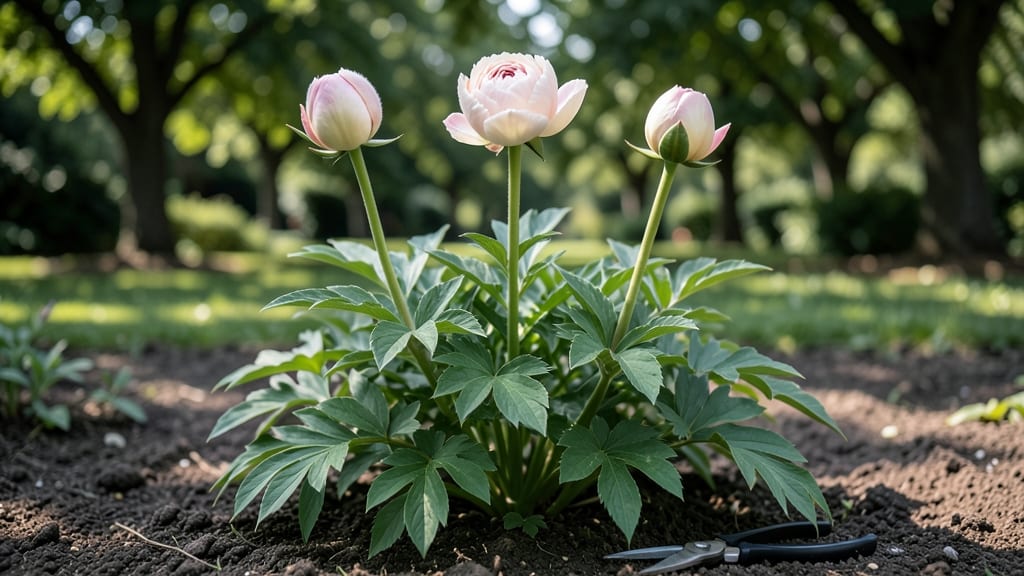
Peonies before bloom are frost-defying green monsters that hide their glory until spring. 🌱 These lush, leafy plants look like nothing special until they burst into pink clouds—but their early growth stage is where you set the stage for showstopping blooms.
I’ve watched my peonies go from awkward clumps of foliage to garden centerpieces, and the secret lies in what you do (and don’t do) before those buds even think about swelling.
The key to pre-bloom success starts with soil prep—peonies hate soggy roots but love deep, well-draining earth. I swear by mixing in compost the season before, and I never cut back last year’s foliage until it turns brown naturally (yes, really).
This protects the crown from winter chill and gives the plant energy to push through early spring. Early spring is also when you’ll spot those first pink buds peeking through, and that’s your cue to start watching for slugs—they love tender new growth.
By mid-spring, your peonies should be thriving with dark green, leathery leaves and those iconic fuzzy buds swelling like tiny pink balloons. This is when pruning mistakes happen—never trim back anything until you see blooms forming, or you’ll sacrifice next year’s flowers.
The best time to prune is late summer, after blooms fade, to keep the plant tidy without harming its energy stores. A healthy pre-bloom peony will reward you with 3-5 inches of lush, velvety blooms that last for weeks.
Here’s the thing—frost isn’t the enemy for peonies. In fact, a light freeze after buds form can even sweeten the scent. The real threats are overwatering and over-pruning, so focus on light feeding (a slow-release fertilizer in early spring) and mulching to protect roots.
With the right care, your peonies will go from unassuming foliage to the star of your garden before you know it.
📚 In This Guide
- What you need
- Instructions
- Tips and common mistakes
- Wrapping up and next steps
What you need
- ● Peony plants: 3–5 bare-root or container-grown peonies (choose early bloomers like 'Sarah Bernhardt' or 'Bowl of Beauty').
- ● Well-draining soil: 1–2 cubic yards of loamy garden soil mixed with compost (ratio: 70% soil, 30% compost).
- ● Organic fertilizer: 1–2 lbs of 10-10-10 balanced fertilizer or bone meal (for phosphorus-rich roots).
- ● Mulch: 2–3 inches of wood chips or straw (to insulate roots from frost).
- ● Garden trowel or spade (for digging holes 2–3 times wider than the roots).
- ● Pruning shears (sterilized with rubbing alcohol to prevent disease).
- ● Garden hose or watering can (for deep watering—1–2 inches per week).
- ● Gloves (to protect hands from thorns and soil).
- ○ Stakes or cages (optional, for tall varieties like 'Coral Charm').
- ● Sunlight: A full-sun location (6+ hours daily) for optimal early blooms.
- ● Planting time: Fall (September–November) or early spring (before buds swell).
- ● Frost awareness: Peonies thrive in cold climates (USDA Zones 3–8)—no extra frost protection needed!
Step-by-step guide to preparing peonies for early bloom
Here’s how to coax those frost-defying pink blooms into appearing earlier—without sacrificing health.
🌱 Step 1: Prune Last Year’s Foliage at the Right Time
Wait until late fall or early winter—after the first hard frost but before the ground freezes solid. This timing lets the plant store energy for next year’s blooms. Use clean, sharp pruners to cut back the brown, wilted foliage to 1-2 inches above the ground. Never cut into the woody stems or you’ll damage next year’s buds.
I always prune on a dry day so the cuts heal faster. If you’re in a colder zone, wait until January to avoid exposing tender new growth to winter winds. You’ll notice the stems look like bare sticks, but those dormant buds are already forming the blooms you’ll see next spring.
☀️ Step 2: Mulch Heavily for Winter Protection
Spread 3-4 inches of organic mulch (like shredded leaves or straw) around the base of the peony, keeping it 6 inches away from the crown to prevent rot. This insulates the roots from freezing temperatures while allowing moisture to drain. In Zone 5 or colder, add an extra 2 inches of mulch for extra protection.
Don’t pile mulch directly against the stems—this can trap moisture and invite disease. Instead, create a donut shape around the plant. Over time, the mulch will break down, adding nutrients to the soil and encouraging stronger blooms the following season.
💧 Step 3: Water Deeply Before the Ground Freezes
Give the peony a deep watering in late fall (after pruning but before mulching) to ensure the roots are hydrated for winter. The soil should feel moist 6 inches down—stick your finger in to check. This helps the plant withstand drought stress once spring arrives.
Peonies are drought-tolerant once established, but a good soak before winter helps them store more energy for early blooming. Avoid watering after mulching, as excess moisture can lead to rot. If your winter is particularly dry, a light watering in early spring (before new growth appears) can give blooms a head start.
⏰ Step 4: Monitor for Early Signs of Growth in Spring
Start checking for new shoots in late winter or early spring, depending on your climate. In warmer zones, you might see pink buds as early as February, while in colder regions, wait until March or April. The first sign is usually a swollen bud at the base of last year’s stem.
Don’t rush to fertilize yet—wait until you see 2-3 inches of new growth before adding a balanced, low-nitrogen fertilizer. Over-fertilizing too early can lead to leafy growth at the expense of blooms. Instead, focus on keeping the soil evenly moist (but not soggy) and providing full sun to encourage strong, vibrant flowers.
Tips & tricks for perfect early peony blooms
These simple strategies will help you coax those stunning pink blooms months ahead of schedule.
Timing is Everything: The late fall pruning window between the first hard frost and frozen ground is critical. I've learned this the hard way—pruning too early means losing energy reserves, while waiting too long risks damaging next year's buds. If you're in a transitional climate, check your local frost dates and mark your calendar for that precise window. A quick online search for "last frost date [your city]" will give you the exact timing.
Mulch Like a Pro: That 3-4 inch layer of organic mulch isn't just decoration—it's insulation. I've seen peonies in Zone 6 survive winters with just 3 inches, but in Zone 5, that extra 2 inches makes all the difference. For extra protection, consider adding a layer of evergreen boughs over the mulch in your coldest areas. Just remember to create that donut shape—piling mulch against stems creates the perfect conditions for fungal diseases.
Watering Wisdom: That deep watering in late fall is your secret weapon for early blooms. I test soil moisture by sticking my finger 6 inches down—if it feels dry, it's time to water. The goal is to hydrate the roots but not create soggy conditions. For established peonies, this one deep soak before winter helps them store enough energy to push those early blooms. In particularly dry winters, that light spring watering can give blooms a real head start.
Spring Monitoring: Those swollen buds in late winter are your first sign of success! I start checking in February for warmer zones, but in colder climates, March is more reliable. Look for the buds to plump up noticeably—this is when you know the plant is gearing up for bloom. The key is patience: waiting for those 2-3 inches of new growth before fertilizing prevents leafy growth at the expense of flowers. A simple soil probe test can help you monitor moisture levels without disturbing the plant.
Pro Tips for Peony Before Bloom
- These simple strategies will help you coax those stunning pink blooms months ahead of schedule.
- Timing is Everything: The late fall pruning window between the first hard frost and frozen ground is critical.
- Mulch Like a Pro: That 3-4 inch layer of organic mulch isn't just decoration—it's insulation.
Frequently asked questions
Got questions about those stunning peony before bloom moments? You’re not alone! Here are some of the most common queries gardeners have—plus quick, practical answers to help you make the most of this fleeting beauty.
Why do peonies look so dramatic before they bloom?
Peonies develop buds that swell dramatically in early spring, creating a lush, almost cloud-like effect before unfolding. This "pre-bloom" phase is nature’s way of storing energy for the big show—think of it as their pink, velvety secret! The buds are packed with nutrients and moisture, making them extra plump and eye-catching.
Can peonies survive a late frost during this stage?
Yes, but with caution! Peony buds are hardy to about 20°F (-7°C), but a sudden late frost can damage or blacken them. To protect them, cover plants with frost cloth or a light blanket on cold nights. If buds freeze, they may still bloom later—but expect smaller, less dramatic flowers.
How long does the "before bloom" phase last?
This phase typically spans 2–4 weeks, depending on your climate and peony variety. In cooler regions, buds may swell slowly over several weeks, while warmer areas might see a faster transition. Watch for bud cracks (tiny slits) or slight color shifts—they’re your cue that bloom time is near!
What if my peony buds dry out or look shriveled?
Dry or shriveled buds often signal underwatering or late-season stress. Peonies need 1–1.5 inches of water weekly, especially in dry spells. Mulch around the base to retain moisture, and avoid overhead watering (it can cause fungal issues). If buds are already damaged, prune them off to redirect energy to healthier growth.
Are there early-blooming peony varieties that show off before bloom?
Look for early-season varieties like ‘Sarah Bernhardt’ (pink) or ‘Bowl of Beauty’ (deep red). These types often swell their buds 2–3 weeks earlier than late bloomers. For maximum drama, pair them with daffodils or hellebores—their contrasting textures and colors create a showstopping spring display!
Wrapping up and next steps
Peonies before bloom are a magical sight—delicate, frost-resistant buds that promise a burst of color and fragrance.
Whether you’re a seasoned gardener or a curious beginner, embracing these early bloomers adds joy and resilience to your garden. Now’s the perfect time to act: grab those bare-root plants, prep your soil, and watch your garden transform into a dreamy pink cloud!
Next steps:
- 🌱 Plant your peonies before winter’s chill sets in.
- 📅 Mark your calendar for early spring care—pruning and fertilizing!
- 🌸 Share your progress with fellow gardeners for inspiration!