
Blooming
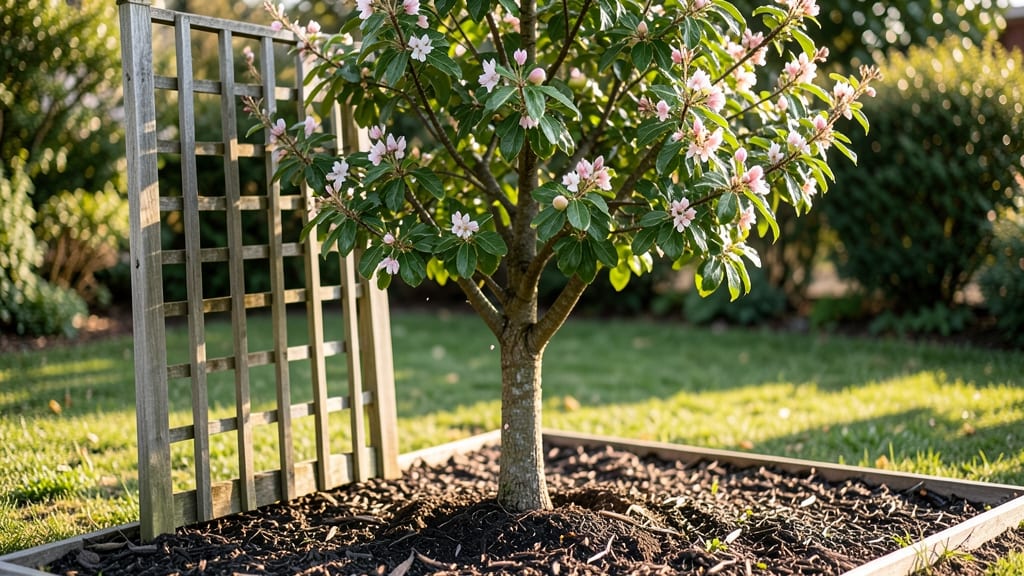
A peach bloom border transforms your garden into a soft, sunlit sanctuary. 🌸 I’ve designed these borders for years, and the secret lies in cold-hardy perennials that spread naturally—no fuss, just vibrant color that returns season after season. The key?
Pairing peach-toned roses with peony varieties and other sun-loving perennials that thrive in your zone. Start with a sunny location (at least 6 hours of light) and mix heights for texture—tall grasses like Miscanthus behind, mid-height peonies in the center, and low-spreading roses or sedum at the front.
Add contrasting foliage like deep purple heuchera or silver artemisia to make the peach hues pop even more. By late spring, you’ll have a border that feels like a warm hug—soft pinks, buttery yellows, and creamy whites all blending into that dreamy peach palette. The best part?
These perennials multiply over time, filling gaps without extra work from you. Works in full sun or light shade, and the same principles apply whether you’re lining a path, framing a patio, or softening a fence line. Let’s bring that effortless charm to your garden!
📚 In This Guide
- What you need
- Instructions
- Tips and common mistakes
- Wrapping up and next steps
What you need
- ● Cold-hardy peach-bloom perennials: 10–15 plants (e.g., Prunus mume, Prunus cerasifera, or Amelanchier varieties). Choose nursery-grown, 1–3 gallon containers for best root establishment.
- ● Well-draining soil: 5–10 bags of organic compost or topsoil (enough to amend 6–12 inches of existing soil per 10-foot border).
- ● Mulch: 2–3 cubic feet of wood chips or straw to retain moisture and suppress weeds.
- ● Slow-release fertilizer: 1 bag (10–20 lbs) of balanced 10-10-10 or organic options like bone meal.
- ● Watering can or hose: With a gentle spray nozzle for post-planting hydration.
- ● Garden trowel or spade: For digging planting holes (6–8 inches wide/deep).
- ● Measuring tape or string line: To mark a straight, 3–6 foot wide border (adjust based on mature plant size).
- ● Pruners or shears: For trimming dead foliage or shaping plants post-planting.
- ● Gloves and knee pads: For comfort during planting.
- ● Sunlight assessment: Ensure your border gets 6+ hours of sun daily—most peach-bloom perennials thrive in full sun.
- ○ Drip irrigation (optional but recommended): For consistent moisture, especially during the first growing season.
- ● Epsom salt (1 lb) for magnesium boost in clay soils.
- ● Companion plants like Salvia nemorosa or Catmint for texture and pollinator appeal.
- ● Stakes or plant markers to track varieties if mixing species.
- ● Edging material (e.g., bricks or metal) to define the border neatly.
How to create a peach bloom border with cold-hardy perennials
Here's how I design a low-maintenance border that bursts with color every spring—and keeps spreading beautifully.
🌱 Step 1: Select the Right Perennials for Your Climate
Start by choosing cold-hardy perennials that thrive in your USDA zone. For a peach-hued border, I recommend peony (Paeonia lactiflora), columbine (Aquilegia canadensis), and beard tongue (Penstemon digitalis)—all of which spread naturally over time. Peonies, in particular, produce lush pink and peach blooms that last for weeks.
Check your local nursery for bare-root plants or established clumps. I always opt for 3-year-old peonies because they bloom more reliably. For columbine, look for cold-hardy varieties like 'Crimson Star' or 'Song Sparrow,' which handle winter well. Plant them in full sun to partial shade—most peach-toned perennials appreciate at least 6 hours of sunlight daily.
🪴 Step 2: Prepare the Soil and Planting Site
Choose a sunny, slightly elevated border to prevent waterlogging, which can rot roots. Loosen the soil to a depth of 12 inches using a garden fork. Amend with compost (about 2 inches mixed in) to improve drainage and fertility. Peonies, especially, hate soggy soil—well-draining earth is key for their longevity.
Dig holes twice as wide as the root ball but only as deep as the top of the roots. If planting peonies, never bury the "eyes" (buds) deeper than 2 inches—this ensures strong blooms. Space plants 2-3 feet apart to allow room for spreading. I like to sketch a rough layout first to visualize the final border.
☀️ Step 3: Plant and Water for Establishment
Place each plant in its hole, spreading roots gently without bending them. Fill in with soil, pressing lightly to remove air pockets. Water deeply right after planting—this helps settle the roots and eliminates air gaps. For the first 2 weeks, keep the soil evenly moist (about 1 inch of water per week).
Mulch around the base with 2-3 inches of shredded bark or straw to retain moisture and regulate soil temperature. Avoid piling mulch against stems, as this can cause rot. After the initial watering, let the soil dry slightly between waterings—overwatering is the fastest way to kill these perennials.
✂️ Step 4: Maintain for Natural Spread and Blooms
Once established, these perennials spread on their own, but a little care keeps them thriving. In early spring, cut back dead foliage to 2 inches above the ground—this encourages fresh growth and prevents disease. For peonies, never cut back stems until they’ve fully browned—this protects next year’s blooms.
Fertilize lightly in early spring with a balanced 10-10-10 formula, but skip heavy feeding—these plants prefer lean soil. If you notice yellowing leaves, it’s often a sign of overwatering or poor drainage. Adjust your watering schedule to only when the top 2 inches of soil feel dry.
🌿 Step 5: Divide and Expand Over Time
Every 3-5 years, dig up and divide clumps in early fall or spring to keep them vigorous. Lift the plant, separate the roots into 3-5 inch sections, and replant immediately. This is how borders naturally expand—each division becomes a new blooming section. I like to move some divisions to fill in gaps or share with neighbors.
Watch for volunteer seedlings from columbine or beard tongue—they’ll pop up around the border and fill in beautifully. If the border starts to look crowded, thin out weaker stems in late winter before new growth begins. With minimal effort, this border will multiply and bloom for decades.
Tips & tricks for creating a stunning peach bloom border
Here's what nobody tells you about making this border thrive for years to come.
Selection Tip: When choosing peonies, look for 3-year-old plants with multiple buds—these will give you the most blooms in their first season. For columbine, pick varieties with dark green foliage and sturdy stems, as these handle wind better. I've learned the hard way that floppy columbine stems flop over in heavy rain, ruining the neat look.
Soil Prep Secret: The 12-inch deep soil loosening in Step 2 is non-negotiable for peonies. Use a garden fork to break up compacted layers—this prevents root rot and encourages deep root growth. If your soil is particularly dense, mix in sand (about 1 part sand to 3 parts soil) for even better drainage. I've seen peonies struggle in heavy clay, no matter how much compost you add.
Planting Depth Matters: That 2-inch maximum depth for peony eyes in Step 2 is critical. Planting too deep causes weak stems and fewer blooms. Mark the depth with a stake before digging holes—it's easy to lose track when you're planting multiple plants. For columbine and beard tongue, you can plant slightly deeper (up to 3 inches), as they're more forgiving.
Watering Wisdom: The 2-week establishment period with 1 inch of water weekly is perfect, but timing matters. Water early in the morning to prevent fungal diseases from evening moisture. After the initial 2 weeks, let the soil dry between waterings—this mimics natural rainfall patterns and prevents root rot. I've seen borders fail completely because of overwatering after establishment.
Pro Tips for Peach Bloom Border
- Here's what nobody tells you about making this border thrive for years to come.
- Selection Tip: When choosing peonies, look for 3-year-old plants with multiple buds—these will give you the most blooms in their first season.
- Soil Prep Secret: The 12-inch deep soil loosening in Step 2 is non-negotiable for peonies.
Frequently asked questions
Got questions about creating a stunning peach bloom border? You’re not alone! Here are some of the most common queries—and their answers—to help you design a low-maintenance, cold-hardy garden that spreads effortlessly.
What are the best peach-blooming perennials for cold climates?
Look for Prunus species like peach tree cultivars (e.g., Prunus persica ‘Bonanza’), cherry blossom hybrids (e.g., Prunus serrulata ‘Kwanzan’), or cold-hardy shrubs like spirea or deutzia. These thrive in zones 4–8 and deliver that signature peach-hued bloom.
When is the ideal time to plant a peach bloom border?
Plant in early spring (after the last frost) or fall (6–8 weeks before your first frost). This gives roots time to establish before extreme temperatures. Avoid planting in summer heat or winter—both stress young plants.
How do I encourage natural spreading in my border?
Choose suckering perennials like Prunus or ground covers such as Cotoneaster or Heuchera (for texture). Prune aggressively in late winter to shape growth, then let nature take over—mulch with wood chips to retain moisture and reduce weeds.
What if my peach blooms don’t return the next year?
Several factors could be at play: late spring frost (damages buds), over-pruning (removes next year’s blooms), or poor drainage. Try delayed pruning (after blooms fade) and planting windbreaks to protect flowers. If pests like borers are the issue, apply neem oil in early spring.
Are there low-maintenance alternatives to peach blooms?
Swap in coral bark maple (Acer palmatum ‘Sango-kaku’), Japanese quince (Chaenomeles), or smoke bush (Cotinus) for similar color and texture. These perennials are drought-tolerant and spread naturally with minimal effort.
Wrapping up and next steps
Creating a peach bloom border with cold-hardy perennials is a dream come true for gardeners who crave low-maintenance beauty and vibrant color. These resilient plants not only thrive in various climates but also spread naturally, filling your garden with effortless charm year after year.
Whether you're a seasoned gardener or just starting out, this border is your ticket to a stunning, self-sustaining landscape that requires minimal effort.
Ready to transform your outdoor space? Start small—pick 3-5 perennials from our list, sketch a simple layout, and dive in! Before you know it, your garden will be bursting with peachy-pink blooms and the joy of nature’s artistry. 🌸 Happy planting!