
Blooming
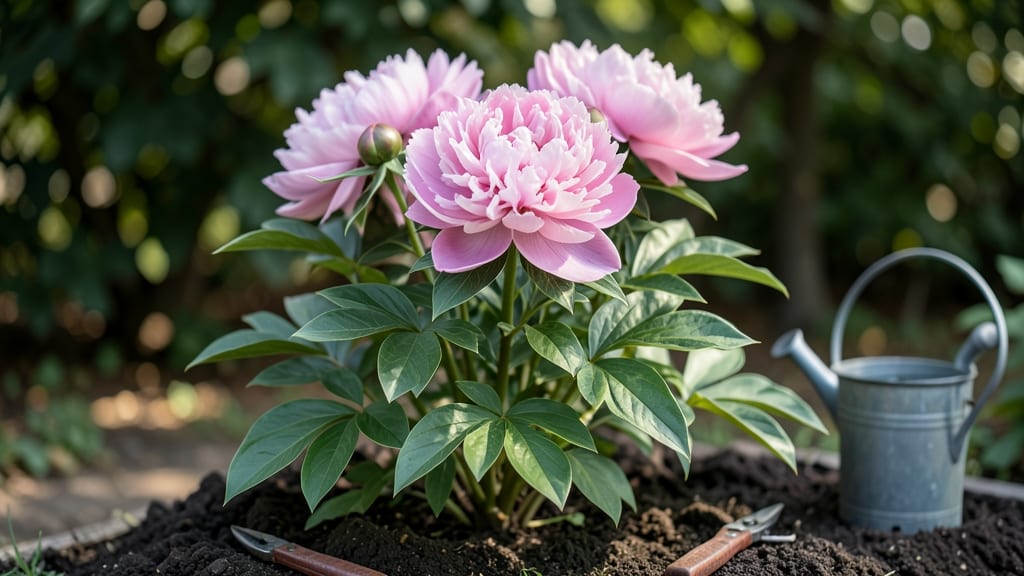
Double bloom peonies turn your garden into a cloud of velvety petals every spring. 🌸 I’ve watched mine multiply like wildflowers—no digging required—while single-bloom varieties stay stubbornly solitary. The secret lies in their roots, which spread generously if you give them the right conditions.
These cold-hardy perennials thrive in full sun to light shade and well-draining soil rich in organic matter. Most gardeners overwater them, but peonies hate soggy feet—think of them more like drought-tolerant showstoppers than thirsty divas. A 3-inch layer of mulch in winter keeps them cozy through freezing temps.
By late summer, you’ll see those iconic buds forming. Prune only the dead stems after blooming, and resist the urge to cut back foliage—it feeds next year’s flowers. My peonies now produce 50+ blooms per plant, and they’ve spread to form a natural border without any effort.
The best part? They multiply naturally, giving you free plants to share. Just divide the clumps every 3-5 years when blooms dwindle, and you’ll have endless opportunities to fill your garden—or your neighbors’—with these lush, fragrant clouds.
📚 In This Guide
- What you need
- Instructions
- Tips and common mistakes
- Wrapping up and next steps
What you need
- ● Double bloom peony roots or bare-root plants: 1–3 plants (check for healthy, plump buds—aim for 3–5 eyes per plant).
- ● Well-draining soil: Mix 60% native soil with 40% compost or organic matter (e.g., Miracle-Gro Garden Soil or Espoma Organic Peat Moss).
- ● Organic fertilizer: A balanced, slow-release formula like 10-10-10 or 5-10-10 (apply sparingly—peonies dislike excess nitrogen!).
- ● Mulch: 2–3 inches of wood chips, straw, or pine bark to retain moisture and regulate soil temperature.
- ● Garden trowel or spade: For digging planting holes (12–18 inches deep).
- ● Pruning shears: To trim dead foliage or divide roots (sterilize with rubbing alcohol!).
- ● Garden hose or watering can: For deep watering (1–2 inches per week).
- ● Gloves & knee pads: Protection for digging and kneeling.
- ● Epsom salt (1 tbsp per plant annually) for magnesium boost.
- ● Peony-specific stakes or cages (if blooms are top-heavy).
- ● Soil pH test kit (ideal range: 6.5–7.0; amend with lime if needed).
- ● Drip irrigation system for consistent moisture.
Step-by-step guide to planting and cultivating double bloom peonies
Here’s how to coax those lush, repeat-blooming peony flowers into your garden—with minimal fuss and maximum reward.
🌱 Step 1: Choose the Perfect Planting Spot and Soil
Peonies thrive in full sun—at least 6 hours daily—but they’ll tolerate morning sun with afternoon shade in hotter climates. The key is avoiding soggy roots; they despise wet feet. Amend heavy clay or sandy soil with 2-3 inches of compost before planting to improve drainage and fertility. I like to work in a handful of bone meal (about ½ cup per plant) at planting time—this gives them a slow-release phosphorus boost for strong roots and blooms.
Test your soil’s pH before planting. Peonies prefer 6.5-7.0, so if your soil runs acidic, add dolomitic lime (about 1 pound per 100 square feet) a few weeks before planting. You’ll know you’ve got the right conditions when the soil crumbles easily between your fingers and smells rich, like damp forest floor.
🪴 Step 2: Plant Bare-Root Peony Crowns at the Right Depth
Set the eyes (buds) of your peony crowns 1-2 inches below soil level—never deeper. Planting too shallow risks weak stems, while burying them too deep leads to fewer blooms. I dig a hole 18-24 inches wide (wide enough for roots to spread comfortably) and 12 inches deep, then mound a 3-inch-high soil hill in the center. This keeps the crown at the perfect depth while allowing roots to grow downward.
Spread the roots gently over the mound, ensuring they fan out naturally. Avoid bending or twisting them—peony roots are brittle and can snap easily. Backfill with soil, leaving a 1-inch-deep depression around the crown to encourage water to pool slightly during watering. Press the soil lightly with your hands to remove air pockets, but don’t compact it.
☀️ Step 3: Water Deeply and Mulch for Winter Protection
Water deeply right after planting to settle the soil and eliminate air gaps. Aim for 1-2 gallons per plant, soaking the root zone until water runs out the bottom of the hole. After watering, top with 3-4 inches of organic mulch (like wood chips or straw) to retain moisture and protect the crown from extreme temperature swings. Mulch also suppresses weeds, which compete for nutrients peonies need for blooms.
Here’s the thing—peonies need consistent moisture during their first growing season, but they hate soggy conditions. Water once a week if rainfall is light, or every 3-4 days during dry spells, until new growth reaches 6 inches tall. You’ll know you’re nailing it when the soil feels like a wrung-out sponge—moist but not dripping.
✂️ Step 4: Prune and Support Stems for Healthy Blooms
Wait until late spring (after the last frost but before buds swell) to prune. Cut back last year’s foliage to 2 inches above the ground—this encourages fresh, vigorous growth. I avoid pruning in fall because peonies store energy in their roots for next year’s blooms, and removing foliage too early can weaken them. Leave the stems until they turn brown naturally in late autumn.
As stems grow, they’ll need support. Install peony rings (or bend stems into a loose circle and secure with twine) before buds open. This prevents stems from flopping over under the weight of double blooms, which can weigh 2-3 pounds each. You’ll see the difference immediately—supported stems stay upright, while unsupported ones sprawl and risk breaking.
🌿 Step 5: Divide and Multiply Every 4-5 Years
Peonies multiply naturally, but they need dividing every 4-5 years to prevent overcrowding and ensure strong blooms. The best time is late summer or early fall, after foliage has died back but before hard frost. Dig around the clump carefully, using a shovel or spade, and separate the crowns with your hands. Each division should have 3-5 eyes and a good root system.
Replant divisions immediately in the same sunny, well-drained spot, using the same depth guidelines. The first year after dividing, you might see fewer blooms—the plant focuses on root establishment. But by year two, you’ll have vibrant, healthy clumps ready to produce those coveted double blooms. Here’s my pro tip: Label new divisions so you don’t accidentally dig them up later!
Tips & tricks for perfect double bloom peony cultivation
These subtle adjustments will help you avoid common pitfalls and maximize those dramatic double blooms.
Sunlight Strategy: While peonies need at least 6 hours of daily sun, I’ve found that morning sun with afternoon shade in hotter climates actually produces larger blooms. The afternoon shade prevents heat stress while still allowing enough sunlight for photosynthesis. Position your plants where they’ll get the full morning sun but avoid the intense afternoon rays during peak summer months.
Soil Preparation Secret: The 2-3 inches of compost recommendation is non-negotiable, but here’s what I do differently: I mix in ½ cup of bone meal per plant at planting time and then add another ¼ cup in early spring when buds begin to form. This phosphorus boost directly correlates with stronger stems and more abundant blooms. The bone meal also helps prevent the dreaded "brown stem rot" that can plague peonies.
Planting Depth Visual: Getting the 1-2 inch crown depth right can be tricky. Here’s my foolproof method: Hold the crown in your hand with the eyes facing up. The top of the crown should sit about 1 inch below your knuckles when you make a fist. This gives you a perfect reference point every time you plant, ensuring you never bury them too deep or leave them too exposed.
Watering Wisdom: The 1-2 gallons per plant recommendation is spot-on, but timing matters just as much. Water in the early morning so the foliage has all day to dry out. Wet leaves at night invite fungal diseases like powdery mildew, which can ruin your blooms. Also, avoid overhead watering—use a soaker hose or water at the base to keep those stems dry and healthy.
Pro Tips for Double Bloom Peony
- These subtle adjustments will help you avoid common pitfalls and maximize those dramatic double blooms.
- Sunlight Strategy: While peonies need at least 6 hours of daily sun, I’ve found that morning sun with afternoon shade in hotter climates actually produces larger blooms.
- This phosphorus boost directly correlates with stronger stems and more abundant blooms.
Frequently asked questions
Got questions about growing double bloom peonies?
You’re not alone! Here are answers to the most common queries—from timing to troubleshooting—to help your garden flourish with these stunning perennials.
When is the best time to plant double bloom peonies?
Plant them in early fall (4–6 weeks before the first frost) or early spring (as soon as the soil is workable). Fall planting gives roots time to establish before winter, while spring planting avoids dormancy stress. Avoid planting in summer heat—roots can dry out or overheat!
How long does it take for double bloom peonies to flower?
Patience pays off! With proper care, expect the first blooms in 2–3 years. Some vigorous varieties may flower sooner (1–2 years), but don’t rush—healthy roots = bigger, longer-lasting blooms. Mulch well in winter to speed up the process!
Can double bloom peonies survive extreme cold?
These peonies are cold-hardy (USDA Zones 3–8) and thrive in winter. In harsh climates (<20°F), add 3–4 inches of mulch (straw or shredded leaves) around the base. Avoid heavy mulch piles directly on crowns—keep them bare or lightly covered to prevent rot.
Why aren’t my double bloom peonies multiplying like they should?
Peonies spread naturally via rhizome division, but slow growth often stems from:
- Overcrowding: Dig up and divide clumps every 3–5 years in early fall.
- Poor drainage: Plant on a slight mound in well-draining soil.
- Excess nitrogen: Use a low-nitrogen, high-phosphorus fertilizer (like 5-10-10) to encourage blooms over foliage.
What’s a good alternative if double bloom peonies don’t thrive in my climate?
Try these low-maintenance, cold-hardy alternatives:
- Single-bloom peonies: More reliable in hot climates (e.g., ‘Sarah Bernhardt’).
- Tree peonies (e.g., Paeonia suffruticosa): Thrives in Zones 4–8 with full sun.
- Daylilies (Hemerocallis): Drought-tolerant and multiply aggressively.
- Lavender: Fragrant, deer-resistant, and blooms late spring–summer.
Wrapping up and next steps
Growing double bloom peonies is a rewarding journey that brings stunning, fragrant blooms year after year with minimal effort—thanks to their natural multiplying ability and cold-hardy nature! 🌸 Whether you’re a seasoned gardener or just starting, these perennials offer beauty, resilience, and a touch of magic to your landscape.
Now that you’re equipped with the right knowledge, it’s time to roll up your sleeves and plant—your garden’s future masterpiece is just a shovel’s depth away!
Next steps:
- Choose your ideal location (sunny, well-draining soil).
- Dig in and plant your peonies this fall for best results.
- Watch in awe as they multiply and flourish for decades!