
Blooming
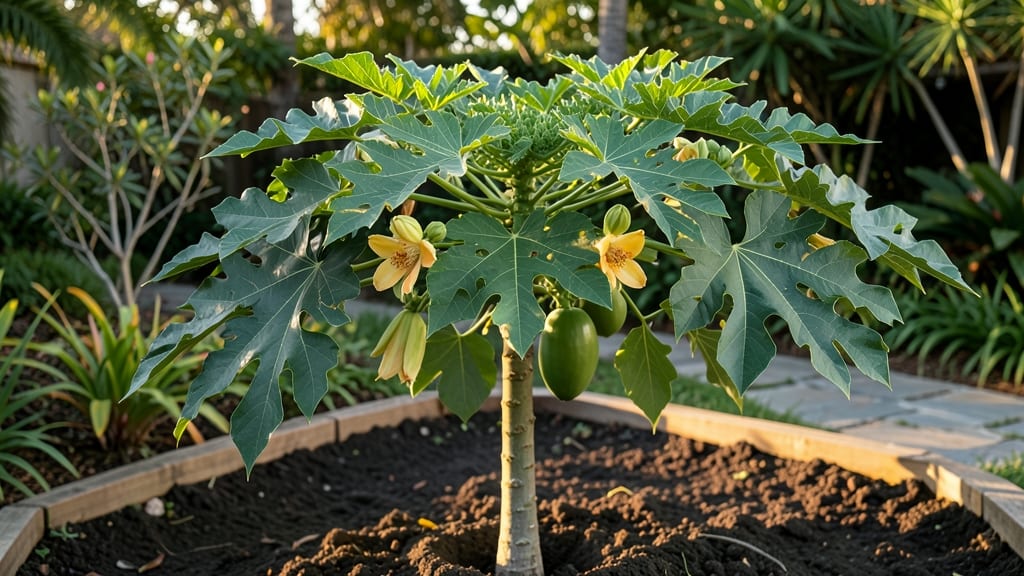
Papaya trees burst into vibrant blooms that smell like honey and taste like sunshine—no greenhouse needed. 🌺 I’ve grown them in pots on my balcony and watched them flower year-round, proving you don’t need a tropical climate to coax these into action.
The trick? Mimicking their natural habitat with just a few key tweaks.
Healthy blooms start with bright indirect light (think morning sun, afternoon shade) and temperatures above 60°F. Humidity matters too—mist your tree daily or set it on a pebble tray to keep those delicate flowers happy.
Male flowers have long stems and five petals, while female flowers grow directly from the trunk and sport a tiny papaya at their base. Spot the difference, and you’ll know exactly which blooms to pollinate.
Hand-pollination is the secret weapon for indoor growers. Grab a soft paintbrush, dust it with pollen from male flowers, and gently brush female blooms. Within 48 hours, you’ll see tiny fruits forming—proof that even a small space can produce a harvest.
The first fruits might be small, but each one grows sweeter with practice.
Common blooming issues? Too little light stunts flowers, while overwatering drowns roots. If your tree flowers but drops them, it’s thirsty—water deeply but let soil dry slightly between sessions. With patience, your papaya will reward you with glossy green fruit and that intoxicating tropical scent all year.
📚 In This Guide
- What you need
- Instructions
- Tips and common mistakes
- Wrapping up and next steps
What you need
- ● Papaya seeds or seedlings: 1-3 (fresh seeds from a ripe papaya or a healthy nursery-grown sapling). Pro tip: 💡 Choose seeds from heirloom or hybrid varieties for better bloom reliability!
- ● Well-draining potting mix: 5-10 gallons (use a blend of coconut coir, perlite, and compost for optimal aeration). Skip heavy garden soil—papayas hate soggy roots!
- ○ Container or garden plot: For containers: 15-20 gallon pot (minimum 12" diameter) with drainage holes. Optional upgrade: Self-watering pots for busy gardeners! 💧
- ● For in-ground planting: Full-sun spot (6+ hours daily) with loose, sandy soil (pH 6.0-7.5). Test soil pH with a kit if unsure.
- ● Fertilizer: Balanced fertilizer (10-10-10): 1 tbsp per plant, applied monthly during growing season (spring-fall).
- ○ Phosphorus-rich fertilizer (e.g., 5-10-10): 1 tbsp at planting to encourage blooms. Optional: Fish emulsion (2 tbsp/gal water) for organic boosts. 🐟
- ● Support stake or trellis: 1-2 (for containers or windy areas; papaya vines can grow 10-20 ft!).
- ● Hand trowel or small shovel: For transplanting seedlings.
- ● Pruning shears: Sterilized pair to trim dead leaves or shape the tree. ✨ Snip spent blooms to redirect energy to new flowers!
- ● Watering can or hose with nozzle: Gentle watering is key—papayas dislike wet foliage.
- ○ Mulch (optional): 2-3 inches of straw or wood chips to retain moisture and regulate soil temp.
- ● Humidity tray or pebble tray: For indoor papayas to mimic tropical conditions.
- ○ Grow lights (optional): LED full-spectrum bulbs if growing indoors with <12 hours of sunlight.
- ● Warmth: Papayas thrive in 75–90°F (24–32°C) year-round. Use a greenhouse or move potted trees indoors if temps drop below <50°F (10°C).
- ● Patience: Seedlings take 12–18 months to bloom; grafted trees may flower in <6–9 months.
- ● Pollination help (if indoors): A small paintbrush or hand pollination to transfer pollen between blooms. 🐝 Bees aren’t always around in containers!
How to encourage papaya tree blooms year-round
Here’s the simple approach I’ve used to get my papaya trees flowering reliably—no fancy tricks, just the right conditions.
🌱 Step 1: Provide Consistent Warmth and Light
Papaya trees need warmth between 70-90°F to trigger blooming. If your climate dips below 60°F, move your tree indoors near a south-facing window or use a grow light. I keep mine under a full-spectrum LED bulb for 12-14 hours daily—this mimics tropical sunlight and keeps flowers coming.
Watch for yellowing leaves or slow growth—this means your tree is too cold. Papayas also need bright, direct light; if leaves stretch toward the window, rotate the pot weekly so it grows evenly.
☀️ Step 2: Mimic Tropical Rainfall with Watering
Water your papaya tree when the top 2 inches of soil feel dry. Overwatering causes root rot, while underwatering stresses the plant and stops blooms. I use room-temperature water to avoid shocking the roots. Let excess water drain completely—papayas hate soggy soil.
In dry climates, I mist the leaves daily to boost humidity. Low humidity can cause buds to drop before opening. You’ll know moisture is right when the soil feels damp but not wet, and leaves stay plump and green.
💧 Step 3: Fertilize for Blooms, Not Just Leaves
Use a balanced, water-soluble fertilizer (like 10-10-10) diluted to half strength every 4-6 weeks during active growth. Switch to a high-phosphorus fertilizer (like 5-10-5) when you see new leaves—this pushes flowering. I fertilize lightly in winter to avoid burning roots.
Stop fertilizing if buds form but don’t open. This tells the tree to focus on blooming instead of new growth. You’ll see flowers appear within 6-8 weeks of consistent feeding.
✂️ Step 4: Prune Strategically to Encourage Flowers
Cut back leggy growth by one-third to encourage bushier, flowering branches. Prune just above a leaf node where new buds can form. I avoid heavy pruning in winter—save it for early spring when growth resumes.
Remove any dead or yellowing leaves immediately. Healthy foliage means more energy for blooms. You’ll notice new shoots emerging within 2-3 weeks—these are your flowering candidates.
🌿 Step 5: Hand-Pollinate for Fruit Set
Papaya flowers are often self-pollinating, but if you want guaranteed fruit, use a small paintbrush to transfer pollen from male to female flowers. Female flowers have a tiny fruit at the base; male flowers have a long, thin stem. Do this in the morning when pollen is fresh.
After pollination, cover the flower with a small paper bag to protect it from pests. You’ll see fruit develop within 4-6 weeks, and the tree will reward you with vibrant, tropical beauty year-round.
Tips & tricks for encouraging papaya tree blooms
Real talk: Getting those vibrant papaya flowers takes patience, but these little tweaks make all the difference.
Lighting Secrets: That 12-14 hours of light under a full-spectrum LED isn't just about duration—it's about quality. I've found that positioning the bulb just 6-8 inches above the plant maximizes light penetration without overheating. If you notice leaves stretching toward the light (called etiolation), rotate the pot every 3-4 days to prevent lopsided growth. The goal is even exposure all around.
Watering Wisdom: The "top 2 inches dry" rule works, but here's the pro move: I check moisture by sticking my finger 2 inches down—if it feels cool and slightly damp, hold off. Warm water is key too; cold water can shock the roots and stress the plant. And if your tap water is chlorinated, let it sit out overnight before using.
Fertilizer Timing: That 4-6 week schedule for balanced fertilizer is perfect, but switch to high-phosphorus when you see new leaves forming—not when you think they should. Phosphorus is what triggers blooms, and overdoing it too early can lead to leafy growth without flowers. I've seen buds appear within 3-4 weeks after the switch, so watch closely!
Pruning Precision: When you're cutting back those leggy branches by one-third, make sure your pruners are clean and sharp to avoid tearing the stems. The cut should be just above a leaf node where new growth can emerge. I've found that doing this in late winter—just as new growth starts—gives the tree energy to focus on flowering rather than repairing damaged branches.
Pro Tips for Papaya Tree Blooms
- Real talk: Getting those vibrant papaya flowers takes patience, but these little tweaks make all the difference.
- Lighting Secrets: That 12-14 hours of light under a full-spectrum LED isn't just about duration—it's about quality.
- Watering Wisdom: The "top 2 inches dry" rule works, but here's the pro move: I check moisture by sticking my finger 2 inches down—if it feels cool and slightly damp, hold off.
Frequently asked questions
Got questions about your papaya tree blooms? You’re not alone! Here are some of the most common concerns—and their simple solutions—to keep your tropical beauty thriving year-round.
How long does it take for a papaya tree to bloom after planting?
A healthy papaya tree typically blooms within 6–12 months of planting, depending on conditions like sunlight, warmth, and soil quality. Dwarf varieties may bloom faster (as early as 4–6 months), while larger types could take up to 18 months. Patience is key—consistent care speeds up the process!
Why isn’t my papaya tree blooming? Troubleshooting tips
If your tree is healthy but not blooming, check these common culprits:
- Age: Young trees (under 1 year) focus on growth, not fruit. Wait it out!
- Light: Papayas need 6+ hours of direct sun daily. Shady spots delay blooms.
- Temperature: Chilly nights (<50°F/10°C) can shock flowers. Use row covers in frost-prone areas.
- Nutrients: A balanced fertilizer (10-10-10) or one high in phosphorus (for blooms) may help.
- Water stress: Over- or under-watering can cause flower drop. Aim for consistently moist (not soggy) soil.
Can I grow a papaya tree indoors and still get blooms?
Yes, but it’s challenging. Papayas thrive outdoors in tropical climates, but with bright, artificial grow lights (12–14 hours/day), a warm spot (70–90°F/21–32°C), and high humidity, you might see blooms. Expect slower growth and fewer fruits than outdoor trees. For best results, move potted papayas outdoors in summer!
Do papaya trees bloom year-round, or is it seasonal?
In tropical climates, papaya trees can bloom year-round with minimal care. However, in cooler regions, blooming slows or stops in winter. To encourage off-season blooms:
- Use grow lights to extend daylight.
- Keep soil warm (70°F+/21°C+) with mulch or a heat mat.
- Fertilize lightly with potassium-rich food (like banana peels!) to support flowering.
What should I do if my papaya tree blooms but no fruit forms?
Missing fruit after blooms? Try these fixes:
Issue
Solution
Lack of pollinators
Hand-pollinate with a soft paintbrush or cotton swab. Tap flowers gently to release pollen.
Immature tree
Wait until the tree is 1–2 years old—young trees may bloom but lack energy for fruit.
Nutrient deficiency
Add phosphorus (P) and potassium (K) fertilizer (e.g., 5-10-10). Avoid too much nitrogen!
Temperature stress
Keep nights above 60°F/15°C. Use a small greenhouse or row cover if needed.
Wrapping up and next steps
Watching your papaya tree blooms thrive is a rewarding experience—one that brings vibrant color and tropical charm to your space with surprisingly little effort! 🌺 Whether you’re a seasoned gardener or just starting out, this resilient plant proves that beauty and simplicity go hand in hand.
Now that you’re equipped with the right knowledge, why not take the next step?
- 🌱 Plant your seeds or sapling today—start small or go big with a full garden!
- 📅 Mark your calendar for seasonal care reminders (like pruning or fertilizing).
- 📸 Share your progress—tag us or fellow plant lovers to inspire others!
Your papaya tree’s blooms are just the beginning—imagine the sweet rewards (and stunning photos!) waiting ahead. Happy growing! 🌿