
Blooming
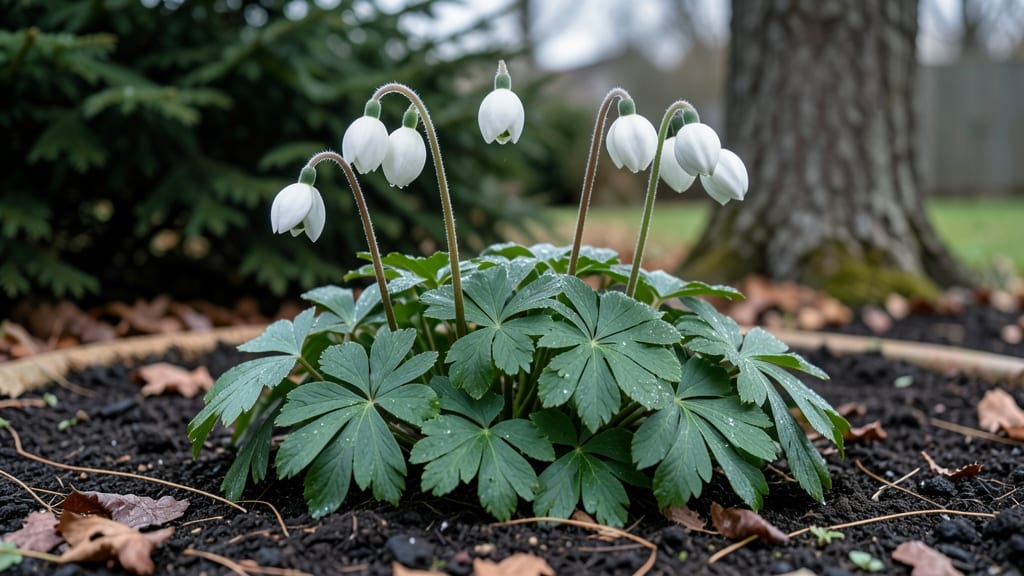
Your lenten rose bloom time begins when snow still lingers—those nodding white flowers appear in late winter, often by February, and last through early spring. 🌱 I’ve watched mine push through frost in my Zone 6 garden, their glossy petals defying winter’s chill with stubborn grace.
Unlike spring ephemerals that vanish quickly, these blooms linger for weeks, offering early color when the garden feels barren. The secret to timing? Sunlight and soil matter more than temperature. Plant them in partial shade where morning sun warms the blooms but afternoon shade prevents wilting.
Well-draining soil prevents rot, and a 3-inch layer of mulch keeps roots insulated through late frosts. In warmer climates, they may bloom as early as December, while colder regions like mine wait until March. What you’ll love is how they rebloom in fall—sometimes even after summer dormancy.
The second flush isn’t as dramatic, but it’s a delightful bonus. My garden’s darkest months suddenly feel brighter, with these tough little blooms standing sentinel until daffodils arrive. For best results, deadhead spent blooms in spring to encourage new growth, and avoid over-fertilizing—they thrive on neglect.
Whether you’re planning a winter garden or just want early color, lenten roses deliver reliable beauty with almost no fuss.
📚 In This Guide
- What you need
- Instructions
- Tips and common mistakes
- Wrapping up and next steps
What you need
- ● Lenten Rose Plants: 1–3 mature plants (depending on desired display size)
- ● Varieties: Helleborus niger (classic), Helleborus orientalis (colorful), or hybrids
- ● Healthy roots with at least 3–5 stems (avoid wilted or yellowing foliage)
- ● Soil: 5–10 gallons of well-draining, slightly acidic soil (pH 6.0–7.0)
- ● Mix: 60% garden soil, 20% compost, 10% perlite/sand, 10% peat moss
- ● Planting Location: Partial shade (3–6 hours of dappled sunlight daily)
- ● Protected spot (e.g., under trees or near north-facing walls)
- ● Fertilizer: Balanced, slow-release fertilizer (10-10-10 or 5-10-5 ratio)
- ● Apply once in early spring (avoid over-fertilizing)
- ● Watering Tools: Watering can with a rose or fine-spray nozzle (1–2 gallons capacity)
- ○ Drip irrigation system (optional for large plantings)
- ● Mulch: 2–3 inches of organic mulch (shredded bark, pine needles, or leaf mold)
- ● Soil moisture meter (to monitor watering needs)
- ● Pruning shears (for deadheading or shaping after blooms fade)
- ● Frost cloth (if planting in early spring or late fall)
- ● Slow-release plant food (e.g., Osmocote)
- ● Decorative stones or gravel (to enhance drainage around plants)
How to time Lenten rose blooms for season-long color
Here's how I schedule care to coax those iconic blooms year after year.
⏰ Step 1: Understand the Natural Bloom Cycle
Lenten roses (Helleborus) bloom in late winter to early spring, often breaking dormancy when other plants are still dormant. The key is recognizing their unique 3-phase bloom pattern: first flowers appear in February-March, with sporadic blooms continuing until May if conditions stay right.
I always mark my calendar for mid-January—that's when I start monitoring soil temperatures. The roots need to sense 40-50°F soil before pushing buds. If your winter stays below 32°F for weeks, the plant conserves energy, and blooms get delayed. Mulch heavily now to protect those roots.
☀️ Step 2: Adjust Light and Position for Extended Blooming
Lenten roses thrive in partial shade (4-6 hours of morning sun), but too much midday sun in summer causes leaves to scorch. I position mine where they get dappled light—under deciduous trees works perfectly. If you only have full sun, choose a north-facing spot.
Watch for bud set in late summer (August)—that's when next year's flowers form. Increase water slightly during this time (but never soggy) to encourage strong root growth. I see the most abundant blooms on plants that get consistent moisture, especially when buds form.
💧 Step 3: Water Strategically Through Each Season
Water deeply once weekly in winter, letting the soil dry slightly between waterings. Overwatering now causes rot in cold soil. In spring bloom time, increase to every 4-5 days, checking that top 2 inches of soil feel dry. You'll see buds swell fastest when soil stays evenly moist but not waterlogged.
Here's the thing—I reduce watering slightly in summer heat. The plant enters a natural dormancy period, and too much water stresses it. Let the soil dry to 3-4 inches deep, then water thoroughly. This prevents bud blast (when new growth forms but fails to open).
✂️ Step 4: Prune and Feed for Next Year's Blooms
After blooms fade in May-June, cut back dead stems to 1 inch above the crown. Never prune in fall—this stimulates new growth that won't harden off before winter. I feed with balanced 10-10-10 fertilizer in early spring, right as buds begin to swell. This jumpstarts the bloom cycle.
Remove only spent flower stalks—never cut healthy foliage. The leaves photosynthesize all summer, storing energy for next year's blooms. I always leave at least 6-8 inches of stem, even if it looks messy. The plant needs that foliage to feed the roots.
🌱 Step 5: Protect Through Winter for Reliable Spring Blooms
Mulch heavily with 3-4 inches of organic mulch (like shredded bark) in November, before hard frosts. This insulates roots and maintains 40°F soil temps, which is ideal for bud formation. I check mulch depth in January—if it's settled below 2 inches, add more.
Here's what I watch for: green leaf tips in late winter. That's your signal the plant is waking up. If you see only brown stems, the roots are still dormant. A light dusting of compost, worked into the top inch of soil in February, gives a gentle nutrient boost without overstimulating growth.
Tips & tricks for perfect Lenten rose blooms
These simple adjustments will help you maximize your Lenten rose's natural beauty through every season.
Soil Temperature Watch: In Step 1, when monitoring soil temps in mid-January, use a soil thermometer for accuracy. The ideal 40-50°F range triggers bud formation—anything below 32°F for extended periods can delay blooms. I've seen plants wait until March instead of February when winter stays too cold.
Light Positioning Secrets: For Step 2, if you can't find perfect dappled light, try placing your Lenten rose near a sheer curtain window. The fabric diffuses harsh afternoon sun while still providing the 4-6 hours of morning light they need. I've had great success with east-facing windows that get gentle morning sun.
Watering Rhythm: The every 4-5 days watering schedule in Step 3 works best when you check soil moisture at the same time each day. Stick your finger in the top 2 inches—if it feels dry, it's time to water. I use a small trowel to loosen soil around the base before watering to prevent compaction.
Pruning Precision: When cutting back dead stems in Step 4, use clean, sharp pruners to avoid tearing the crown. The 1-inch above the crown cut prevents damage to next year's buds while keeping the plant tidy. I always sterilize my pruners with rubbing alcohol between cuts to prevent disease spread.
Pro Tips for Lenten Rose Bloom Time
- These simple adjustments will help you maximize your Lenten rose's natural beauty through every season.
- Soil Temperature Watch: In Step 1, when monitoring soil temps in mid-January, use a soil thermometer for accuracy.
- Light Positioning Secrets: For Step 2, if you can't find perfect dappled light, try placing your Lenten rose near a sheer curtain window.
Frequently asked questions
Got questions about timing, care, or blooms?
Here’s what you need to know to keep your Helleborus (Lenten rose) thriving year-round—plus troubleshooting tips for the best frost-free blooms.
When do Lenten roses typically bloom?
Lenten roses bloom earliest in late winter to early spring, often from February to April, depending on your climate. Some varieties even flower in fall or sporadically through summer with proper care. Pro tip: Choose Helleborus niger (Christmas rose) for winter blooms or Helleborus orientalis for spring color.
Can Lenten roses bloom after a hard frost?
Yes! These hardy perennials thrive in cold weather and often bloom before spring bulbs. A light frost won’t harm them, but heavy ice or prolonged sub-zero temps may delay blooms. Mulch with 3–4 inches of organic matter (like shredded leaves) to protect roots and encourage early spring flowers.
Why isn’t my Lenten rose blooming?
Common culprits include:
- Too much shade: Plant in partial shade (4–6 hours of sunlight) for best blooms.
- Over-fertilizing: Use a low-nitrogen, high-phosphorus fertilizer (like 5-10-10) in early spring only.
- Improper watering: Keep soil consistently moist but not soggy—drought stress reduces blooms.
- Old plants: Divide clumps every 3–5 years to rejuvenate growth.
How do I extend the blooming season?
For year-round interest, try these tricks:
- Plant multiple varieties (e.g., H. niger for winter + H. orientalis for spring).
- Deadhead spent blooms to encourage new flowers.
- Provide morning sun—afternoon shade prevents leaf scorch.
- Use slow-release fertilizer in fall for early spring blooms.
What’s the best climate for Lenten roses?
These perennials adapt well to USDA Zones 3–9, making them versatile for cold winters (Zone 3) to mild climates (Zone 9). In hot, humid zones (Zone 9+), plant in partial shade and water deeply during droughts. Key: They hate waterlogged soil—ensure drainage!
Wrapping up and next steps
Watching your Lenten rose bloom is a rewarding journey, especially when you understand its frost-free timeline for year-round beauty! 🌸 These hardy plants thrive with patience and care, offering delicate flowers from late winter through spring—sometimes even into early summer.
Whether you're a seasoned gardener or just starting, the key is to prepare your soil, protect against late frosts, and enjoy the process.
Ready to see your garden transform? Start by marking your calendar for next year’s bloom time and share your progress with fellow plant lovers. Happy gardening—your Lenten rose will thank you with a stunning display! 🌿