
Blooming
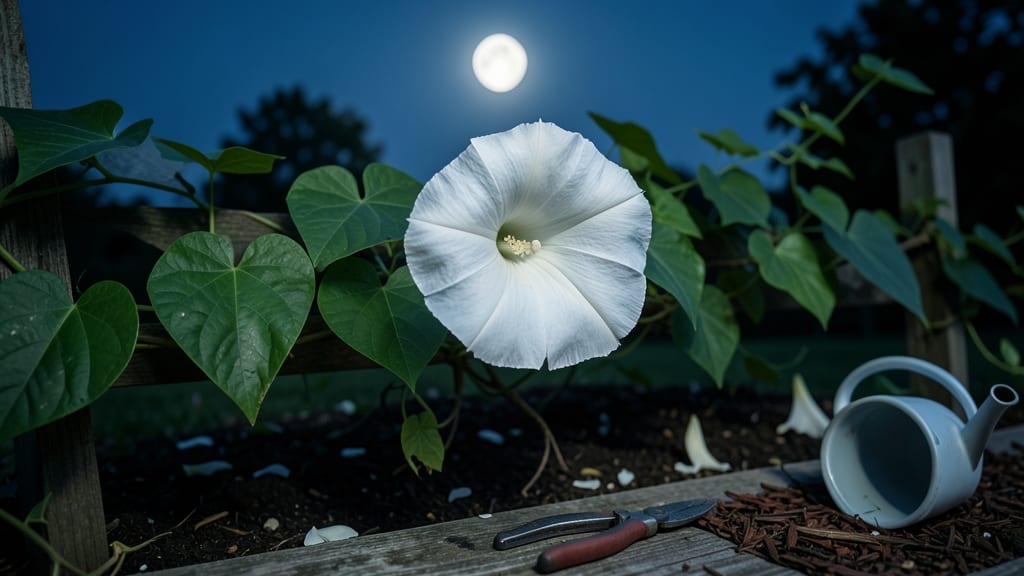
The night-blooming moonflower’s silvery-white blooms open only after dark, revealing their secrets to nocturnal pollinators—yet their self-seeding habit makes them effortless to grow once planted. What makes them special isn't just their beauty—it's how they transform a garden into a twilight spectacle that smells like sweet jasmine after sunset.
These tropical vines thrive in warm climates (zones 9-11) but can be grown as annuals in cooler areas. They need full sun—at least 6 hours daily—and rich, well-draining soil. The key to their success?
A sturdy trellis or fence to climb, since they can reach 15-20 feet if given space. Plant seeds directly in spring after the last frost, or start indoors 8-10 weeks before transplanting.
Water consistently to keep the soil moist but not soggy—drought stress makes them drop buds. Deadhead spent blooms in the morning to encourage more flowers, but leave some seed pods if you want free plants next year.
The fragrance alone makes them worth growing, but their ability to attract moths and other night-flying pollinators adds another layer of magic to your garden.
Perfect for moonlight gardens, privacy screens, or even container growing with a tall trellis. Once established, they're nearly maintenance-free, making them ideal for busy gardeners who still want drama.
The first time you see those ghostly blooms glowing in the dark, you'll understand why they're called the "queen of the night."
📚 In This Guide
- What you need
- Instructions
- Tips and common mistakes
- Wrapping up and next steps
What you need
- ● Moonflower seeds (Ipomoea alba) – 10–20 seeds (or 1–2 seed packets for a small garden). Choose organic, non-GMO seeds for best results.
- ● Well-draining potting mix – 1–2 cubic feet (for seed-starting) or garden soil amended with compost (for direct planting).
- ● Containers or seed trays – 4–6" deep pots (for seedlings) or a seed-starting kit with drainage holes.
- ● Garden soil (if planting outdoors) – Loamy, slightly acidic (pH 6.0–7.0), and free of weeds.
- ● Watering can or hose with a gentle spray nozzle – For consistent moisture without over-saturating.
- ● Garden twine or trellis (5–8 ft tall) – Moonflowers are vining plants and need support to climb.
- ○ Mulch (optional but helpful) – Straw or shredded leaves to retain soil moisture and suppress weeds.
- ● Grow lights or sunlight window – If starting indoors before the last frost.
- ● Fertilizer (balanced 10-10-10 or compost tea) – Light feeding every 4–6 weeks during growing season.
- ● Plant markers – To label your moonflowers (they’re self-seeding but may pop up unexpectedly!).
- ● Pruning shears – For trimming dead vines or encouraging bushier growth.
- ● Garden gloves – To protect your hands while handling soil or trellises.
Step-by-step instructions for cultivating night blooming moonflowers
Here’s how to coax these enchanting vines into your garden—where they’ll reward you with fragrant evening blooms and effortless self-seeding.
Select the Perfect Sunny Spot
Moonflowers demand full sun exposure—at least 6-8 hours of direct sunlight daily—to thrive. Choose a location where they’ll receive morning sun and afternoon warmth without afternoon shade. I’ve found that south- or west-facing walls or fences work best, as they capture the afternoon heat that triggers blooming.
If your garden has limited sun, prioritize the brightest spot available. Even partial shade can reduce flowering, and the vines may grow leggy in search of light. Test the area by observing how long it stays sunny throughout the day—this ensures your moonflowers get the energy they need to produce those stunning nighttime blossoms.
Plant Seeds or Transplants at the Right Time
Direct-sow seeds in late spring, after the last frost date, when soil temperatures reach at least 65°F. Moonflowers are sensitive to cold, so planting too early risks seed rot or stunted growth. If you’re transplanting seedlings, do so in early summer once they’ve developed 3-4 true leaves and nighttime temperatures stay above 55°F.
Dig a hole twice as wide as the root ball but only as deep as the container. Gently remove the plant, loosen the roots if they’re circling, and place it in the hole. Space plants 12-18 inches apart to allow for air circulation, which prevents fungal diseases. Water deeply immediately after planting to settle the soil and eliminate air pockets around the roots.
Provide Support and Encourage Vigorous Growth
Moonflowers are fast-growing annual vines that can climb 10-15 feet in a single season. Install a trellis, arbor, or sturdy fence before planting to give them something to twine around. I recommend using wooden or metal trellises—they’re durable enough to support the weight of blooming vines without bending.
Once planted, water deeply 2-3 times per week, ensuring the soil stays consistently moist but not soggy. Overwatering can lead to root rot, while underwatering causes the vines to wilt, especially in hot afternoons. Mulch around the base with 2-3 inches of organic mulch (like shredded bark) to retain moisture and suppress weeds. Avoid piling mulch directly against the stems, as this can trap moisture and invite rot.
Monitor for Pests and Deadhead Regularly
Moonflowers are generally pest-resistant, but keep an eye out for aphids or spider mites, which can weaken the vines. If you spot clusters of tiny insects on new growth, spray the leaves with a soapy water solution (1 tablespoon mild dish soap per gallon of water) or introduce ladybugs as natural predators. Early intervention prevents infestations from spreading.
To encourage continuous blooming, deadhead spent flowers in the morning by pinching off the faded blossoms just above the next set of leaves. This redirects the plant’s energy into producing more flowers rather than setting seed. I’ve noticed that moonflowers left to self-seed will often produce a second flush of blooms in late summer if given enough sunlight and water.
Enjoy the Evening Display and Plan for Next Year
Once established, moonflowers will begin opening their large, white, trumpet-shaped blooms at dusk, releasing a sweet, intoxicating fragrance that attracts moths and other nocturnal pollinators. The flowers close by mid-morning, making them a true spectacle for evening gardeners. To extend the blooming season, water consistently and avoid fertilizing after mid-summer—this prevents leggy growth and ensures energy goes toward flowers.
If you love the magic of moonflowers, let them self-seed! The seeds scatter easily and often sprout on their own the following spring. In colder climates, you may need to lightly cover seeds with mulch over winter to protect them from frost. With minimal effort, you’ll have a garden full of twilight blooms for years to come.
Tips & tricks for perfect night blooming moonflower cultivation
Here’s what I wish I’d known before planting my first batch—these tricks make all the difference between a few sad vines and a magical twilight garden.
Sunlight Precision: The 6-8 hours of direct sunlight isn't just about quantity—it's about quality. I learned this the hard way when my first batch underperformed in a spot that got "mostly sun." Pay attention to afternoon sun specifically, as those warm rays are what trigger the blooming process. A south-facing wall gets the most consistent results, but if you’re working with limited space, prioritize locations that capture both morning and afternoon warmth. Even a small difference in sun exposure can mean the difference between sporadic blooms and a full garden of nighttime magic.
Timing is Everything: Those soil temperature thresholds of 65°F for seeds and 55°F for transplants are non-negotiable. I’ve seen gardeners rush planting because they’re excited, only to have their seeds rot in cool soil. Use a soil thermometer to check temperatures if you’re unsure—it’s a small investment that pays off with vigorous growth. For transplants, wait until nighttime temperatures consistently stay above 55°F, even if daytime temps are perfect. The cooler evenings can still stress young plants if you’re not careful.
Support Systems Matter: When I first planted moonflowers, I underestimated how quickly they grow—10-15 feet in a season is no joke! Install your trellis or support structure before planting, and make sure it’s sturdy enough to handle the weight of blooming vines. I recommend wooden or metal trellises because they’re durable and won’t bend under the weight. If you’re using a fence, make sure it’s tall enough and properly anchored. The last thing you want is your beautiful blooms crashing to the ground halfway through the season.
Watering Wisdom: The 2-3 times per week deep watering is crucial, but what’s equally important is how you water. I’ve found that watering in the early morning gives the plants time to absorb moisture before the heat of the day. Avoid overhead watering when possible, as wet leaves can encourage fungal diseases. And remember, consistently moist soil is key—moonflowers hate having their roots dry out, especially during hot afternoons. A good soak in the morning can make all the difference in keeping your vines healthy and vigorous.
Pro Tips for Night Blooming Moonflower
- Here’s what I wish I’d known before planting my first batch—these tricks make all the difference between a few sad vines and a magical twilight garden.
- Sunlight Precision: The 6-8 hours of direct sunlight isn't just about quantity—it's about quality.
- Timing is Everything: Those soil temperature thresholds of 65°F for seeds and 55°F for transplants are non-negotiable.
Frequently asked questions
Got questions about growing night-blooming moonflowers? You’re not alone—these enchanting plants spark curiosity! Here are answers to the most common queries to help you cultivate success.
When do moonflowers bloom, and how long do they last?
Moonflowers typically bloom at night under full or new moon light, opening around dusk (6–8 PM) and closing by early morning. Each flower lasts just one night, but the plant produces new blooms daily for 3–5 weeks during its peak season (summer to early fall). For the best show, plant in warm climates or extend the season with row covers.
How do I encourage more blooms from my moonflower?
These self-seeding annuals thrive with full sun (6+ hours/day) and well-draining soil. Deadhead spent blooms in the morning to redirect energy to new flowers, but let some seeds drop if you want next year’s surprise blooms! Avoid over-fertilizing—moonflowers prefer lean soil. Water consistently but let the soil dry slightly between waterings to prevent mildew.
Can moonflowers survive cold winters, or are they annuals?
Moonflowers (Ipomoea alba) are tender annuals in most zones and won’t survive frost. In colder climates (zones 9–11), treat them as summer ephemerals—they’ll self-seed prolifically if left undisturbed. In cooler areas, grow them in containers and bring them indoors before frost or replant seeds each spring. Pro tip: Save seeds from your healthiest blooms for next year!
Are moonflowers toxic to pets or humans?
Great news! Moonflowers are non-toxic to both pets and humans, making them a safe (and stunning) addition to pet-friendly gardens. However, like many vining plants, their leaves can be mildly irritating if ingested in large quantities. Always supervise pets around new plants, and wash hands after handling to avoid skin sensitivity.
What can I plant alongside moonflowers for a moonlit garden?
Pair moonflowers with night-scented companions like evening primrose, night-blooming jasmine, or four o’clocks for a magical twilight display. For height contrast, try tall grasses (like fountain grass) or trellised climbers (e.g., morning glories). Avoid overcrowding—their vines need space to sprawl (up to 10–15 feet!).
Why aren’t my moonflowers blooming at night?
If your flowers aren’t opening after dark, check these fixes:
- Light levels: Moonflowers need low light at night to bloom. Avoid planting near streetlights or indoor lights.
- Temperature: Ideal night temps are 60–75°F. Cooler nights (<50°F) may delay blooming.
- Age: Young plants (under 6 weeks) may not bloom yet—be patient!
- Stress: Overwatering or poor soil can stunt blooms. Let soil dry slightly between waterings.
If issues persist, try transplanting to a sunnier, sheltered spot.
Wrapping up and next steps
The night-blooming moonflower isn’t just a stunning twilight spectacle—it’s a low-maintenance, self-seeding wonder that brings magic to your garden after dark. 🌙 With its delicate petals and easy-growing nature, this plant is perfect for beginners and seasoned gardeners alike.
Whether you’re drawn to its fragrance, its pollinator-friendly charm, or its effortless propagation, it’s a must-have for any garden that thrives under the moon’s glow.
Ready to plant your own piece of the night? Start by gathering your supplies, choosing the right spot, and letting nature do the rest—your garden (and your evening strolls) will thank you! 🌱 What’s stopping you? Dig in and watch the magic unfold!