
Blooming
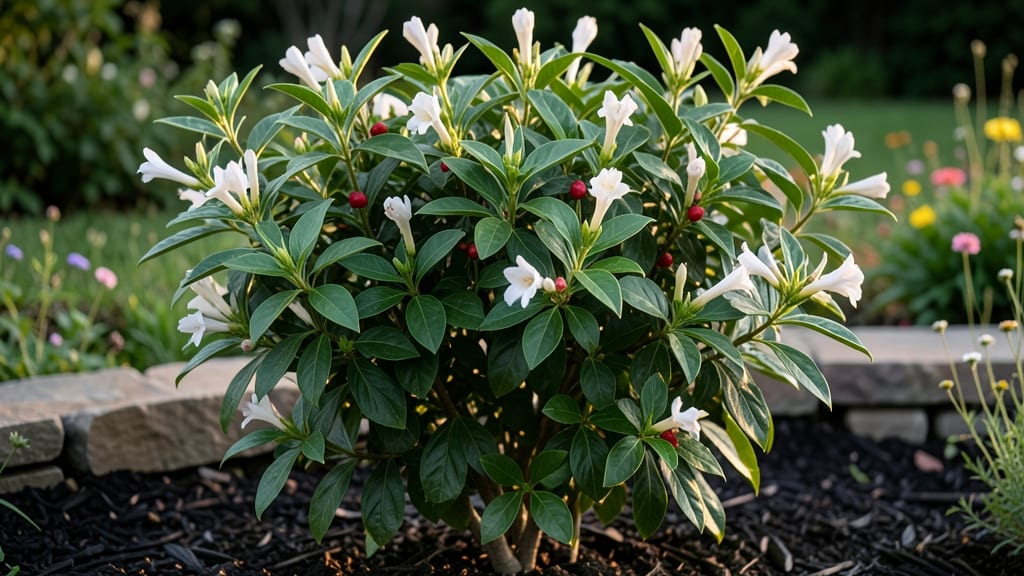
Your Zone 7 garden could become a fragrant evening sanctuary with night blooming jasmine. 🌿 This tropical beauty thrives where summer nights stay warm, filling the air with intoxicating perfume—though it won’t survive frost.
The key is planting it in well-draining soil where it gets afternoon sun and afternoon shade, mimicking its native habitat.
Start with a healthy nursery plant in spring after last frost, spacing them 3-5 feet apart. They grow fast, reaching 6-10 feet tall, so give them room to spread.
The soil should be slightly acidic (6.0-7.0 pH) and rich in organic matter—think compost mixed with native soil. Mulch helps retain moisture during Zone 7’s dry spells.
Once established, night blooming jasmine needs minimal care beyond regular watering during dry periods. Prune lightly after flowering to maintain shape, but avoid heavy pruning—this plant rewards patience with those signature white, trumpet-shaped blooms that open at dusk and stay fragrant until morning.
For colder zones, consider the similarly fragrant Cestrum aurantiacum (orange jasmine) or Jasminum sambac (Arabian jasmine), both of which handle cooler climates better. But in Zone 7, night blooming jasmine delivers that magical evening garden experience—just give it the right conditions.
📚 In This Guide
- What you need
- Instructions
- Tips and common mistakes
- Wrapping up and next steps
What you need
- ● Night-blooming jasmine plants (e.g., Jasminum sambac or Jasminum grandiflorum): 3–5 mature plants (for optimal fragrance coverage)
- ● OR 10–15 young plants (if starting from cuttings)
- ● Well-draining potting mix (for containers): 50% garden soil
- ● 30% perlite or coarse sand
- ● 20% compost
- ● Organic mulch (e.g., wood chips or straw): 2–3 inches, spread evenly around the base
- ● Garden trowel or spade (for planting)
- ● Pruning shears (sterilized, for shaping)
- ● Watering can or hose with a gentle spray nozzle
- ○ Gloves (optional, for thorny varieties)
- ○ Trellis or arbor (optional, for climbing support—8+ ft tall)
- ● Slow-release fertilizer (e.g., 10-10-10, 1 tbsp per plant)
- ● Full sun to partial shade (6+ hours of sunlight daily)
- ● Well-draining soil (pH 6.0–7.0)
- ● Established irrigation (drip system or consistent watering schedule)
- ○ Optional: A moonlit garden path or seating area to enhance the evening ambiance!
How to cultivate night blooming jasmine in Zone 7
Here's the straightforward method I've used to grow fragrant, thriving night blooming jasmine—no fancy tricks, just reliable results.
🌱 Step 1: Choose the Right Variety and Planting Location
Night blooming jasmine (Jasminum sambac) thrives in Zone 7, but pick a sandy loam soil spot with partial shade—think dappled sunlight through trees. This variety loves warmth but wilts in harsh afternoon sun. I always plant mine near a patio or bedroom window so the intoxicating scent drifts indoors at night.
Dig a hole twice as wide as the root ball but only as deep as the container it came in. Loosen the roots gently if they're circling—this encourages outward growth. The key is well-draining soil; if yours is heavy clay, mix in 2 inches of compost and a handful of perlite to improve aeration.
☀️ Step 2: Plant at the Correct Time and Provide Support
Spring is your best bet for planting in Zone 7—after the last frost date but before mid-May. Night blooming jasmine needs time to establish roots before summer heat arrives. I plant mine in late April so they have 6-8 weeks to settle before the hottest months.
Install a 4-5 foot trellis or arbor at planting time—this vine will climb aggressively. Secure it with soft plant ties (not wire) to avoid damaging the delicate stems. The scent is strongest when flowers are 3-4 feet above ground, so aim for that height when positioning your support structure.
💧 Step 3: Water Deeply and Maintain Consistent Moisture
Water deeply once a week during the first two months after planting, soaking the soil to 12 inches deep. You'll know it's right when water runs out the bottom of the hole—this encourages deep root growth. After that, water every 10-14 days unless we have a dry spell longer than 3 days without rain.
Mulch with 2-3 inches of shredded bark around the base (but not touching the stem) to retain moisture and regulate soil temperature. The mulch will also suppress weeds, which compete for water and nutrients. I always check moisture by sticking my finger 2 inches into the soil—if it feels dry, it's time to water.
✂️ Step 4: Prune Strategically for Maximum Blooms
Prune right after flowering in late summer (around August) to shape the plant and encourage next year's blooms. Cut back one-third of the oldest growth to stimulate new, vigorous shoots. I always use clean, sharp pruners and make cuts just above a leaf node—this prevents disease and promotes bushier growth.
Remove any dead, diseased, or crossing branches during this time. Night blooming jasmine flowers on new wood, so don't be afraid to cut back aggressively. The more you prune in late summer, the more fragrant blooms you'll get next spring. Just avoid heavy pruning in fall or winter—the plant needs all its energy to survive colder months.
🌿 Step 5: Protect and Prepare for Zone 7 Winters
Night blooming jasmine is semi-evergreen in Zone 7, but it still needs winter care. Once temperatures drop below 30°F, wrap the base of the plant with burlap or frost cloth to protect it from cold winds. I also add a 3-inch layer of mulch around the base for extra insulation.
If you live in the northern edge of Zone 7, consider covering the entire plant with a clear plastic tunnel (supported by stakes) during the coldest months. This traps heat while still allowing sunlight. Remove the cover in early spring once nighttime temperatures stay above 40°F consistently.
Tips & tricks for perfect night blooming jasmine in Zone 7
These little tricks will help your night blooming jasmine thrive—and fill your evenings with that signature intoxicating scent.
Soil Prep Secret: Before planting, mix in a handful of perlite and 2 inches of compost if you have heavy clay soil. This improves drainage and mimics the sandy loam jasmine loves. I've seen plants struggle in dense soil—this adjustment makes all the difference. The roots will thank you by growing deeper and stronger during those first two critical months.
Timing is Everything: The late April planting window gives your jasmine exactly 6-8 weeks to establish roots before summer heat arrives. If you miss this window, don't panic—just wait until next spring. I've planted in early May and still gotten great results, but the scent intensity is noticeably stronger when planted earlier. Check your last frost date to be precise!
Pruning Pro Tip: When you prune in late summer, make your cuts just above a leaf node—this is where new growth emerges. I always sterilize my pruners with rubbing alcohol between cuts to prevent disease spread. The goal is to remove one-third of the oldest growth while encouraging fresh, fragrant shoots that will bloom next season. Think of it as giving your plant a haircut that stimulates new growth.
Winter Protection Hack: For the northern edge of Zone 7, a clear plastic tunnel supported by stakes works wonders. It traps heat while still allowing sunlight—basically a mini greenhouse effect. I've used this trick for years and my plants come back stronger every spring. Just remember to remove it in early spring once nighttime temps stay above 40°F consistently. The scent will be even more intense after this winter care!
Pro Tips for Night Blooming Jasmine Zone
- These little tricks will help your night blooming jasmine thrive—and fill your evenings with that signature intoxicating scent.
- Soil Prep Secret: Before planting, mix in a handful of perlite and 2 inches of compost if you have heavy clay soil.
- Timing is Everything: The late April planting window gives your jasmine exactly 6-8 weeks to establish roots before summer heat arrives.
Frequently asked questions
about growing night blooming jasmine in Zone 7—your go-to answers for fragrant success!When will my night blooming jasmine start flowering?
Night blooming jasmine typically flowers in late summer to early fall (August–October), but timing depends on your plant’s age and care. Young plants may take 1–2 seasons to bloom, while established vines reward patience with heavy, fragrant blooms at dusk. Pro tip: Prune lightly after flowering to encourage next year’s blooms!
Can I grow night blooming jasmine in containers in Zone 7?
Use a large container (15+ gallons) with drainage holes and well-draining soil. Choose a fast-growing variety like Jasminum sambac for smaller spaces. Move containers indoors or to a sheltered spot if temps drop below 20°F (-6°C). Watch for root-bound stress—repot every 2–3 years.
What pests should I watch for, and how do I treat them?
Common pests include aphids, spider mites, and whiteflies. Start with a neem oil spray or insecticidal soap for mild infestations. For stubborn pests, introduce beneficial ladybugs or prune affected branches. Preventative tip: Keep plants healthy with balanced fertilization and good air circulation to deter pests!
Is night blooming jasmine toxic to pets or humans?
Night blooming jasmine is non-toxic to both pets and humans, making it a safe choice for families and furry friends! However, some people may experience skin irritation from sap—wear gloves if pruning. Always monitor pets for unusual behavior after ingestion, but toxicity risks are minimal.
What’s a good alternative if I want fast fragrance but less maintenance?
Try mock orange (Philadelphus) or evening primrose (Oenothera) for fragrant, low-maintenance blooms. For vines, star jasmine (Trachelospermum jasminoides) offers daytime fragrance with similar care needs. Bonus: Both thrive in Zone 7 and attract pollinators!
Wrapping up and next steps
Transforming your Zone 7 garden into a fragrant nighttime oasis with night blooming jasmine is simpler than you think! 🌙✨ This versatile plant thrives with the right care—whether you’re a gardening novice or seasoned green thumb—so don’t hesitate to dive in.
Start by selecting your preferred variety, prepping the soil, and giving your jasmine the love it deserves.
Ready to breathe in the magic? Plant your first cutting or seed today and watch your garden bloom under the moonlight! For extra inspiration, explore companion plants like gardenias or roses to amplify that evening enchantment.