
Blooming
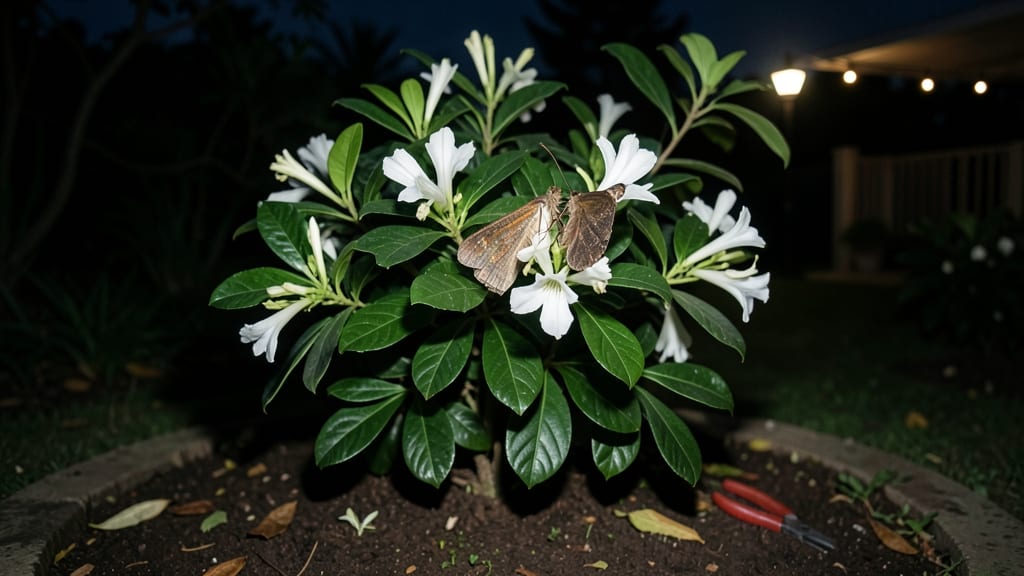
Your garden transforms at night with night blooming jasmine bush—imagine sweet, intoxicating fragrance filling summer evenings when most plants sleep. 🌙 I planted mine last spring, and now it's the star of my patio, drawing hummingbirds and moths after sunset with its creamy white flowers that glow under moonlight.
This tropical beauty thrives in zones 9-11 but can be grown in containers and moved indoors during winter. It craves full sun to partial shade, rich but well-draining soil, and consistent moisture—though it handles drought better than soggy roots.
The key is patience: it takes 1-2 years to establish and bloom reliably, but once it does, you'll understand why gardeners call it "the midnight perfume." You'll end up with a 6-10 foot shrub covered in fragrant blooms from June through frost, creating a magical evening ambiance.
The scent lingers on the breeze for hours, stronger than daytime jasmine varieties, and the glossy green leaves add lush texture year-round. For cooler climates, grow it in large containers (at least 15-gallon pots) and bring it indoors before 35°F temperatures.
Prune lightly after flowering to maintain shape, and watch for aphids—spray with soapy water if you spot them. The payoff? A garden that comes alive when others go quiet.
📚 In This Guide
- What you need
- Instructions
- Tips and common mistakes
- Wrapping up and next steps
What you need
- ● Night Blooming Jasmine Plant: Start with a healthy Cestrum nocturnum (night blooming jasmine) bush—either a young nursery-grown plant or a cutting from an established bush. 🌿
- ● Well-Draining Potting Soil: A 5-gallon bag of high-quality potting mix (look for one labeled for container gardening or tropical plants).
- ● Container or Garden Bed: For Containers: A 15-20 gallon pot with drainage holes (plastic, ceramic, or fabric grow bags work well).
- ● For In-Ground Planting: A sunny spot with 6+ feet of space (jasmine loves to spread!).
- ● Organic Fertilizer: A balanced, slow-release fertilizer (e.g., 10-10-10 or 5-5-5) or a compost-rich soil amendment like worm castings.
- ● Mulch: 2-3 inches of organic mulch (e.g., shredded bark or pine straw) to retain moisture and regulate soil temperature.
- ● Garden Gloves: A pair of durable, breathable gloves to protect your hands while handling soil and plants.
- ● Trowel or Spade: For planting and soil amendments (a transplant spade is ideal for containers).
- ● Watering Can or Hose: With a gentle spray nozzle to avoid disturbing the soil.
- ● Pruning Shears: Sharp, bypass-style shears for trimming and shaping your jasmine bush.
- ○ pH Test Kit (Optional but Helpful): To ensure your soil is slightly acidic to neutral (pH 6.0-7.0), which jasmine prefers.
- ● Cage or Trellis: If growing in a container, a metal or wooden trellis can help support its climbing habit.
- ● Slow-Release Fertilizer Tablets: For monthly feeding without the hassle of reapplying granules.
- ● Plant Support Stakes: 3-4 bamboo stakes (6 feet tall) for in-ground planting to encourage upward growth.
- ● Misting Bottle: To keep the leaves lightly damp in hot, dry climates (jasmine loves humidity!).
Step-by-step guide to planting and caring for night blooming jasmine
Here's how to cultivate this fragrant nighttime beauty—your garden will transform after dark.
🌱 Step 1: Choose the Perfect Planting Location
Night blooming jasmine (Cestrum nocturnum) thrives in full sun to partial shade, but its signature fragrance intensifies with 6+ hours of direct sunlight daily. In hot climates, afternoon shade prevents leaf scorch while maintaining blooms. I always plant mine near patios or pathways so the scent drifts toward evening gatherings.
This plant tolerates a range of soil types but performs best in well-draining, slightly acidic soil (pH 6.0-7.0). Amend heavy clay with 1-2 inches of compost mixed into the top 12 inches of soil to improve aeration. Dig a hole twice as wide as the root ball but only as deep—planting too deep suffocates the roots and delays flowering.
🪴 Step 2: Plant at the Right Time and Depth
Spring or early fall are ideal planting times—6-8 weeks before your last frost date ensures roots establish before summer heat or winter dormancy. Handle the root ball gently to avoid breaking stems; if it's root-bound, loosen the outer edges with your fingers. Place the plant so the top of the root ball sits level with the surrounding soil—never deeper.
Backfill with native soil mixed with 1 part compost, then water deeply to eliminate air pockets. I like to add a 3-inch layer of mulch (wood chips or pine straw) around the base, keeping it 3 inches away from the trunk to prevent rot. This conserves moisture and regulates soil temperature, which is crucial for tropical jasmine.
☀️ Step 3: Water and Fertilize for Strong Growth
Water deeply 2-3 times per week during the first growing season, ensuring the top 6 inches of soil stay moist but not soggy. Jasmine roots are shallow, so frequent shallow watering encourages weak growth. Once established, reduce to once weekly unless your region experiences dry spells over 10 days. You'll know it's thirsty when the leaves start curling slightly at the edges.
Feed with a balanced 10-10-10 fertilizer every 4-6 weeks during spring and summer. I switch to a low-phosphorus formula (5-0-5) in fall to promote flowering rather than foliage. Always water before fertilizing—this prevents root burn. Stop fertilizing 8 weeks before your first frost to harden the plant for winter.
✂️ Step 4: Prune for Shape and Encourage Blooms
Prune late winter or early spring before new growth begins. Remove dead, diseased, or crossing branches first, then shape the bush by cutting back overly long stems by 1/3. Jasmine blooms on new wood, so avoid heavy pruning in fall—you'll sacrifice next year's flowers. I always sterilize my pruners with rubbing alcohol between cuts to prevent bacterial spread.
Pinch back tips of new growth in early summer to encourage bushier growth. This is where I get impatient—waiting for the right moment (when stems reach 4-6 inches) pays off with denser foliage and more blooms. Deadhead spent flowers weekly to redirect energy into new blooms rather than seed production. The scent peaks at night, so timing your pruning avoids disturbing the evening fragrance.
⏰ Step 5: Protect and Maintain Through Seasons
Night blooming jasmine is hardy to USDA zones 9-11 but needs winter protection in colder areas. Before temperatures drop below 30°F, wrap the bush with burlap or move potted plants to a garage or sheltered porch. In zones 8 and below, grow it as an annual or overwinter indoors near a sunny window. I've had success bringing potted plants inside and placing them under grow lights for 12 hours daily during dormancy.
Watch for jasmine moths—their larvae can skeletonize leaves. Treat with neem oil if you notice chewed foliage. Scale and spider mites also target stressed plants, so maintain proper watering and avoid over-fertilizing. The real magic happens at dusk: white, tubular flowers open in the evening, releasing a heavy, sweet fragrance that lingers until dawn. This is your reward for patience—no other plant delivers this kind of nocturnal spectacle.
Tips & tricks for growing night blooming jasmine
These insider secrets will help you coax the most dramatic fragrance and lush growth from your jasmine bush.
Sunlight Strategy: While 6+ hours of sunlight is ideal, I've found that positioning your jasmine near a south-facing window or patio actually intensifies the evening scent. The plant converts sunlight into fragrance compounds during the day, so more light means stronger nighttime perfume. In hot climates, provide afternoon shade to prevent leaf scorch while maintaining that tropical growth habit.
Soil Preparation Secret: The 1-2 inches of compost mixed into the top 12 inches of soil is non-negotiable for this tropical plant. I take it further by adding a handful of worm castings to the planting hole—they boost microbial activity that helps roots establish faster. For heavy clay soils, I mix in perlite to improve drainage, which is crucial since jasmine roots are shallow and hate soggy conditions.
Watering Wisdom: Those 2-3 weekly deep waterings during the first year are critical, but I've learned to check soil moisture with my finger rather than relying on a schedule. Stick your finger 2 inches into the soil—if it feels dry, water deeply. The curling leaf edges are your plant's way of saying "I'm thirsty," but by then it's already stressed. Mulch helps maintain even moisture, but don't let it sit directly against the trunk—keep that 3-inch gap to prevent rot.
Winter Protection Hack: For zones 8 and below, I've had great success overwintering potted jasmine in unheated garages with grow lights. The 12 hours of daily light during dormancy keeps the plant healthy enough to rebound spectacularly in spring. If you must bring it indoors near a sunny window, rotate the pot weekly so all sides get equal light exposure—this prevents lopsided growth.
Pro Tips for Night Blooming Jasmine Bush
- These insider secrets will help you coax the most dramatic fragrance and lush growth from your jasmine bush.
- Sunlight Strategy: While 6+ hours of sunlight is ideal, I've found that positioning your jasmine near a south-facing window or patio actually intensifies the evening scent.
- Soil Preparation Secret: The 1-2 inches of compost mixed into the top 12 inches of soil is non-negotiable for this tropical plant.
Frequently asked questions
Got questions about your night blooming jasmine bush?
You’re not alone! Here are answers to the most common queries—so you can enjoy its magical fragrance without the hassle.
When does night blooming jasmine actually bloom?
Night blooming jasmine typically opens its fragrant flowers after sunset (around 8–10 PM) and stays in full bloom until early morning. For peak fragrance, plant it near patios or windows—just don’t expect daytime flowers!
Why isn’t my night blooming jasmine fragrant?
Several factors can dull the scent: overwatering (root rot kills fragrance), poor sunlight (6+ hours of sun is ideal), or lack of pruning. Try trimming leggy growth in spring and fertilizing lightly with low-nitrogen plant food.
Can night blooming jasmine survive cold winters?
Most varieties (like Cestrum nocturnum) are tender perennials—they’ll die back in frost but often regrow from roots if mulched heavily. In Zone 9+, they’re hardy year-round; elsewhere, treat it as an annual or bring potted plants indoors before freezing temps.
What’s a good alternative if I want daytime fragrance?
If you crave daytime scent, try jasmine (Trachelospermum jasminoides) or gardenia—both bloom in sunlight and perfume the air. For nighttime magic, tuberose or evening primrose are also stellar picks!
How (and when) should I prune my night blooming jasmine?
Prune right after blooming (spring) to shape the bush and encourage dense growth. Cut back dead or crossing branches by ⅓, and avoid heavy pruning in fall—it can stress the plant before winter. Use sterilized shears for clean cuts!
Are night blooming jasmine bushes toxic to pets?
Yes! All parts of Cestrum nocturnum are toxic to dogs and cats if ingested, causing vomiting or drooling. Keep it in hanging baskets or fenced areas, and watch for pets nibbling on leaves.
Pro Tip: Boost fragrance by planting near evening-blooming companions like datura or moonflower—their combined scents create a sensory paradise!
Wrapping up and next steps
Transforming your garden into a fragrant nighttime oasis with night blooming jasmine is easier—and more rewarding—than you might think! 🌙✨ This versatile, low-maintenance shrub brings magic to your outdoor space with its intoxicating scent and lush beauty, perfect for creating a serene evening retreat.
Whether you're a seasoned gardener or just starting, the key is patience, proper care, and a little creativity.
Ready to dive in? Start small—plant a single jasmine bush in a pot or along a fence, then expand as you gain confidence. Before you know it, your garden will be the talk of the neighborhood, and you’ll be the one sharing tips with fellow plant enthusiasts! 🌱💚
- Next step: Pick your favorite jasmine variety and order your plants today—your midnight garden adventure begins now!