
Blooming
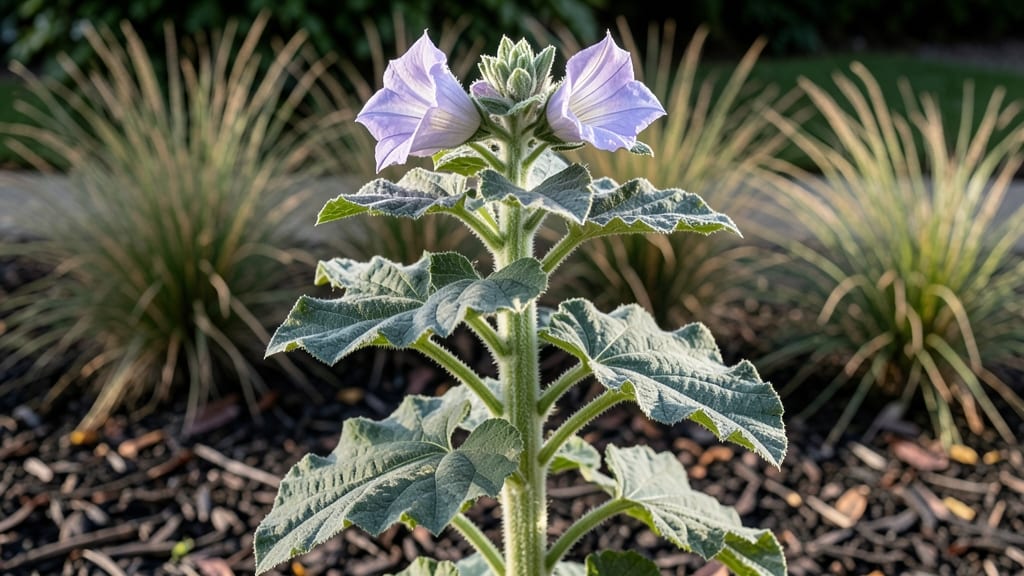
Growing night-blooming cirius transforms your garden into a moonlit wonderland. ✨ These silvery stems unfurl their delicate flowers only after dark, releasing a heady fragrance that turns evening strolls into magical experiences. My first attempt nearly failed—until I learned the secret to mimicking their native desert conditions.
The key is bright sunlight, well-draining soil, and minimal watering—think of a rocky hillside rather than a lush meadow. Most gardeners overwater, which causes root rot and stunted blooms.
Instead, let the soil dry completely between waterings, and place your cirius where it gets at least 6-8 hours of direct sun daily. By late summer, you'll be rewarded with clusters of pale lavender blooms that open at dusk and close by morning.
The scent—sweet yet earthy—lingers in the air, drawing moths and other night pollinators to your garden. Just avoid rich, fertile soil; these plants thrive in lean conditions. Works beautifully in rock gardens, containers, or as a dramatic focal point along pathways.
With the right care, your cirius will become the star of your evening garden show.
📚 In This Guide
- What you need
- Instructions
- Tips and common mistakes
- Wrapping up and next steps
What you need
- ● Night-blooming jasmine plant: 1 nursery-grown plant (3–5 gallons pot size, 12–18" tall) or
- ● 5–10 seeds (viability drops after 1 year; fresh is best!) or
- ● 1–2 healthy cuttings (4–6" long, with 2–3 leaf nodes)
- ● Well-draining potting mix: 1 bag (1.5–2 cubic feet) of a blend like 60% cactus/succulent mix + 40% perlite/pumice.
- ● Container: For seeds/cuttings: 4–6" diameter pots (1–2 units)
- ● For mature plants: 15–20 gallon pot or in-ground planting in zones 9–11.
- ● Drainage: 1–2 layers of coarse gravel or broken pottery shards (2–3" deep) at the pot’s base.
- ● Slow-release fertilizer: 1 lb of 10-10-10 or 7-9-5 (organic options like worm castings work too!).
- ● Basic gardening tools: Trowel or small shovel
- ● Pruning shears (sterilized with rubbing alcohol)
- ○ Gloves (optional but recommended—sap can irritate skin!)
- ● Watering can or hose with a gentle spray nozzle (avoid overhead watering).
- ● Spray bottle (for misting seeds/cuttings).
- ○ Heat mat (optional): 1 unit (70–75°F range) for germinating seeds.
- ○ Grow lights (optional): LED full-spectrum bulb (for indoor starters, 12–14 hrs/day).
- ● Location knowledge: Full sun (6+ hrs/day) in warm climates; partial shade (morning sun) in hotter zones.
Step-by-Step guide to growing night-blooming cirus for stunning moonlit displays
This fragrant nighttime beauty thrives with the right conditions—here’s how to coax those intoxicating blooms.
🌱 Step 1: Select the Right Location and Planting Time
Night-blooming cirius (Cestrum nocturnum) craves full sun—at least 6-8 hours daily—but its real magic happens in the evening. Plant in late spring or early summer after the last frost when soil temperatures stay above 60°F. The plant’s deep roots need well-draining soil, so amend heavy clay with 1-2 inches of compost mixed into the top 12 inches of soil.
Choose a spot sheltered from strong winds, as the heavy, fragrant blooms can snap easily. I always test the soil pH first—cirius prefers slightly acidic to neutral (6.0-7.0). If your soil runs alkaline, add sulfur or peat moss to adjust it before planting. The plant’s glossy leaves will tell you it’s happy: dark green, thick, and waxy.
☀️ Step 2: Provide Evening Light and Warmth for Optimal Blooming
While cirius needs sunlight during the day, its nighttime fragrance peaks when evening temperatures stay above 70°F. If your climate dips below 55°F at night, the blooms may not open fully. In cooler zones, plant near a south-facing wall or use black plastic mulch to absorb heat during the day and radiate it back at night.
Here’s the thing—cirius blooms are highly sensitive to light cycles. If you notice buds forming but not opening, your plant may be getting too much artificial light at night. Keep grow lights or porch lights away from the plant after sunset. Once buds appear, you’ll see them swell in the afternoon and open by late evening, releasing their intoxicating jasmine-like scent.
💧 Step 3: Water Deeply and Maintain Consistent Moisture
Water deeply once a week, soaking the soil to 12-15 inches deep. Cirius has shallow roots but needs moisture to reach deeper for nutrients. The best way to check? Stick your finger 2 inches down—if it feels dry, water thoroughly. Overwatering is the real enemy; soggy roots lead to root rot, which will kill the plant quickly.
Mulch heavily with 3-4 inches of organic mulch (like wood chips) to retain moisture and regulate soil temperature. I always water in the early morning so the foliage dries by evening—wet leaves at night invite fungal diseases. You’ll know you’ve got the right balance when the soil stays evenly moist but not soggy, and the plant’s leaves stay firm and upright without wilting.
✂️ Step 4: Prune Strategically to Encourage More Blooms
Prune right after the first flush of blooms in late summer to shape the plant and stimulate new growth. Cut back 1/3 of the oldest stems to encourage bushier growth. Always prune just above a leaf node where new growth can sprout. Avoid heavy pruning in fall—you want the plant to harden off gradually for winter.
Deadhead spent blooms weekly to redirect the plant’s energy into producing more flowers. Cirius is forgiving, but if you see leggy growth with few buds, it’s a sign the plant needs more light or a pruning reset. The ideal shape is rounded and dense, with stems evenly spaced. Prune in the morning so any cuts have time to dry before evening dew settles.
⏰ Step 5: Protect from Frost and Extend the Blooming Season
Cirius is tender perennials in most climates—if frost threatens, mulch heavily or move potted plants to a sheltered spot. In containers, wrap the pot in bubble wrap and place it against a south-facing wall for winter protection. Even a light frost will damage the foliage, but the roots often survive to regrow in spring.
To extend blooming, fertilize lightly in early spring with a balanced 10-10-10 fertilizer. Too much nitrogen makes the plant grow leaves instead of flowers. You’ll know it’s working when you see new buds forming at the tips of branches and the scent becomes stronger each evening. The first night the blooms open, step outside at dusk—you’ll be rewarded with a fragrant cloud that lingers until dawn.
Tips & tricks for perfect night-blooming cirus growth
Here's what nobody tells you about growing these magical moonlit plants—details that separate good growth from extraordinary blooms.
Soil Temperature Matters: The 60°F soil temperature threshold in Step 1 is non-negotiable for root development. I've learned this the hard way—planting too early when soil is still cool results in stunted roots that struggle to establish. Use a soil thermometer to confirm temperatures before planting. In cooler climates, consider using black plastic mulch before planting to warm the soil naturally. The difference between a struggling plant and one that thrives often comes down to this single factor.
Light Cycle Sensitivity: Cirius blooms are photoperiod sensitive, meaning they respond to day length changes. The instructions mention avoiding artificial light at night, but here's the deeper insight: these plants need at least 12 hours of darkness to trigger blooming. If your neighborhood has streetlights or porch lights that stay on late, consider moving your plant or using a light timer to turn off lights by 9:00 PM during the blooming season. You'll notice buds forming more consistently when this darkness requirement is met.
Pruning Technique: When pruning 1/3 of the oldest stems in Step 4, focus on stems that are woody and no longer producing flowers. These old stems compete with new growth for nutrients. Use clean, sharp pruners and make cuts at a 45-degree angle just above a leaf node. I've found that pruning at this angle helps water run off the cut, preventing rot. The goal is to create an open, airy structure that allows light to penetrate to the center of the plant—this is where new blooms will form.
Frost Protection Strategy: The south-facing wall recommendation in Step 5 works wonders, but here's an extra layer: wrap the plant in burlap or frost cloth during cold snaps. This creates an insulating barrier that can raise temperatures by 5-10°F around the plant. For potted plants, place them on insulated plant saucers or elevate them on bricks to prevent cold air from circulating underneath. I've successfully protected cirius through 32°F nights using these combined methods, allowing the roots to survive and regrow in spring.
Pro Tips for Night Blooming Cirius
- Here's what nobody tells you about growing these magical moonlit plants—details that separate good growth from extraordinary blooms.
- Soil Temperature Matters: The 60°F soil temperature threshold in Step 1 is non-negotiable for root development.
- Light Cycle Sensitivity: Cirius blooms are photoperiod sensitive, meaning they respond to day length changes.
Frequently asked questions
Got questions about night-blooming jasmine (Cirius)? You’re not alone! Here are some common queries—and their answers—to help you grow and enjoy these fragrant moonlit stars.
Why does night-blooming jasmine open at night?
Night-blooming jasmine (like Jasminum sambac) thrives on cooler evening temps and lower light, which triggers its flowers to unfurl after sunset. This adaptation attracts nocturnal pollinators like moths. Plus, the scent intensifies under moonlight—nature’s way of luring pollinators while keeping daytime pests away!
How long do the flowers stay open?
Typically, night-blooming jasmine flowers last 1–2 days per bloom, opening in the late afternoon and wilting by mid-morning. For continuous fragrance, choose varieties like Jasminum grandiflorum, which rebloom frequently. Deadhead spent blooms to encourage new growth—but save a few for tea or potpourri!
Can I grow night-blooming jasmine indoors?
Yes! Start with a potted plant near a bright window (south-facing is ideal) and supplement with grow lights if needed. Use well-draining soil and a trellis for climbing. Keep humidity high (mist leaves or use a pebble tray) and prune regularly to control size. Just mimic its outdoor habitat—warmth, indirect light, and evening air can trick it into blooming indoors!
Will night-blooming jasmine attract pests?
While it draws beneficial pollinators like moths, overwatering or poor drainage can attract aphids or whiteflies. To prevent pests:
- Ensure good airflow around plants.
- Use neem oil or insecticidal soap if needed.
- Avoid synthetic fertilizers, which can stress plants.
What’s the best alternative if I can’t grow night-blooming jasmine?
Try these fragrant night-bloomers:
Plant
Scent
Care Level
Cestrum nocturnum (Queen of the Night)
Sweet, tropical
Moderate (drought-tolerant)
Hoya carnosa (Wax Plant)
Vanilla-like
Low (great for beginners)
Plumeria (Frangipani)
td>Floral, citrusy
Moderate (needs full sun)
Wrapping up and next steps
The night-blooming jasmine isn’t just a plant—it’s a magical experience that transforms your garden into a fragrant sanctuary under the moonlight. 🌙✨ With its delicate petals and intoxicating scent, it’s perfect for adding romance, tranquility, or even a touch of whimsy to your outdoor space.
Whether you’re a seasoned gardener or just starting out, this resilient beauty rewards patience with breathtaking results.
Ready to bring the magic home? Start small—plant a single stem in a pot or your garden bed, and let nature do the rest. Before you know it, you’ll be unwinding to the sweetest nighttime aroma, proving that some of life’s best gifts bloom after dark! 🌸💤