
Blooming
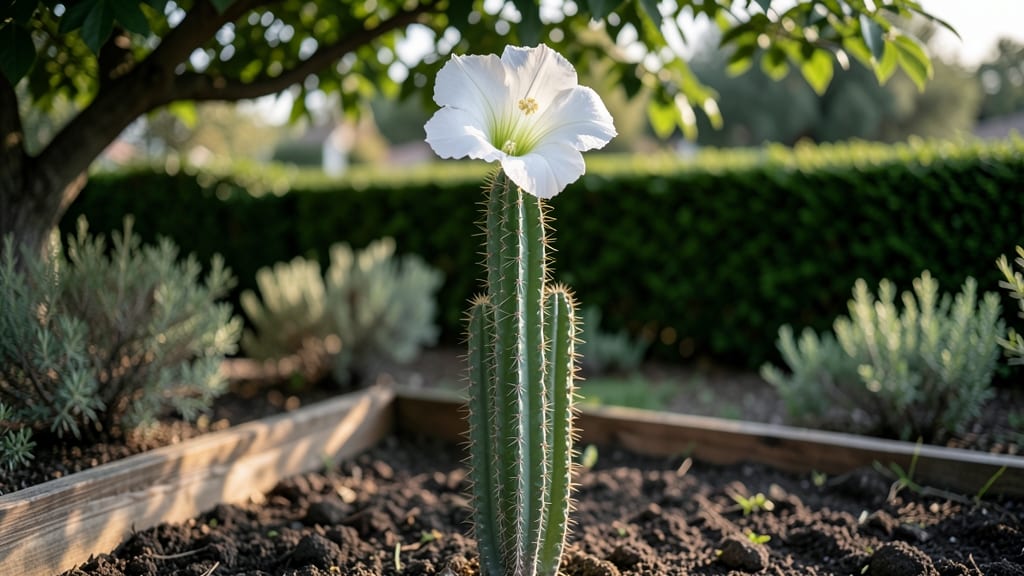
Growing night-blooming cereus flowers means your garden comes alive after dark. 🌙 These dramatic blooms open only at night, releasing a sweet fragrance that lingers for hours—something you won’t find in most daytime flowers.
The secret to coaxing them into bloom lies in mimicking their natural desert environment, where they thrive under specific light, temperature, and watering conditions. Most gardeners struggle with dormancy or failed blooms, but the key is patience and precision.
You’ll need bright, indirect light during the day (think east-facing windows or grow lights), well-draining cactus soil, and a strict watering schedule that mimics seasonal rains. Overwatering is the fastest way to kill these plants, so let the soil dry completely between waterings—even during their active growing season.
Once you get the basics right, you’ll be rewarded with 6-8 inch blooms that unfurl like clockwork at dusk, often accompanied by a heady, citrusy scent. The flowers last just one night, but the experience—watching them open under the moonlight—is unforgettable.
With the right care, your plant will bloom reliably for decades, making it a true garden heirloom. This plant isn’t just for experts—even beginners can succeed by following a few simple rules. The biggest mistakes? Ignoring dormancy or assuming they need constant moisture.
Let’s fix that and get those nighttime blooms happening in your home or garden.
📚 In This Guide
- What you need
- Instructions
- Tips and common mistakes
- Wrapping up and next steps
What you need
- ● Night-blooming cereus plants (e.g., Hylocereus or Selenicereus varieties): 1-3 mature plants (potted or bare-root)
- ● Ensure they’re disease-free and healthy
- ● Well-draining potting mix (specifically for cacti/succulents): 3-5 gallons per plant (adjust based on pot size)
- ● Mix: 60% cactus/succulent soil + 30% perlite/pumice + 10% coarse sand
- ● Containers: 1-2 terracotta or fabric pots (10-15 inches in diameter, with drainage holes)
- ○ Optional: Self-watering pots for beginners
- ● Fertilizer: Balanced liquid fertilizer (10-10-10 or 20-20-20, diluted to half-strength)
- ○ Slow-release granules (optional, for convenience)
- ● Pruning tools: Sterilized pruning shears or a sharp knife
- ● Rubbing alcohol (for sterilization)
- ● Lighting: Bright, indirect sunlight (6+ hours daily)
- ○ Grow lights (optional, for low-light areas)
- ● Temperature: Ideal range: 65–85°F (18–30°C)
- ● Avoid frost (below 50°F/10°C)
- ● Humidity: Moderate to low (40–60% humidity)
- ○ Mist lightly if air is very dry (optional)
- ● Watering setup: Watering can with a narrow spout (for precision)
- ● Tray or saucer (to catch excess water)
- ● Soil moisture meter (to avoid over/under-watering)
- ● Support stakes or trellis (for climbing varieties)
- ● Fragrance diffuser (to enhance the blooms’ natural scent)
- ● Journal/notebook (to track blooming cycles and care notes)
Step-by-step guide to growing night blooming cereus flowers
Here’s how to coax those dramatic midnight blooms from your cereus—with fragrance that lingers until dawn.
🪴 Step 1: Select the Right Variety and Pot
Night blooming cereus varieties like Selenicereus grandiflorus or Hylocereus thrive in well-draining pots with 4-6 inches of depth. I use terra cotta containers—they wick away excess moisture, which is critical since these cacti rot easily when soggy. Choose a pot with drainage holes and fill the bottom 1 inch deep with cactus/succulent mix (never garden soil).
Cereus roots are shallow but sprawling, so a 12-14 inch diameter pot gives them room to spread without crowding. If repotting, do it in early spring when the plant is dormant—just before new growth begins. Tap the pot gently to loosen the root ball, then place it in the new container at the same depth it was growing before. The top of the root ball should sit ½ inch below the rim for stability.
☀️ Step 2: Master Light and Temperature for Midnight Blooms
These plants need bright, indirect light for most of the day—think east or west-facing windows where they get 6-8 hours of sunlight but avoid harsh afternoon rays. In summer, filter light with a sheer curtain to prevent sunburn. The key to blooming? A cool nighttime temperature drop—aim for 55-65°F when darkness falls. I place my pot near an open window at night or use a small fan to simulate breezes that trigger flowering.
Watch for pale, stretched stems—that’s a sign of insufficient light. Rotate the pot quarter-turn weekly so growth stays even. If your home runs warm, move the plant to a cooler room at night. Blooms won’t form unless the plant experiences this temperature contrast between day and night.
💧 Step 3: Water with Precision to Trigger Blooming
Watering is where most growers fail. From spring to fall, soak the soil only when the top 2 inches feel completely dry—about every 10-14 days. I use the "finger test" at the 2-inch depth to check moisture. Overwatering causes root rot, which kills the plant before it flowers. In winter, reduce watering to once every 3-4 weeks, mimicking the plant’s natural dry season. The stress of drought encourages bud formation.
When buds appear, reduce watering slightly—this prevents them from dropping. Use room-temperature water (cold water shocks roots) and water at the base, not the stem. If the soil feels damp past the 1-inch mark, wait another day. Yellowing leaves? You’re overwatering. Wrinkled, shriveled stems? Time to hydrate.
⏰ Step 4: Time Fertilizer and Rest for Maximum Blooms
Feed your cereus once a month from April to September with a balanced 10-10-10 fertilizer diluted to half strength. I mix it into the watering can and apply it after watering to avoid burning roots. Stop fertilizing in October—this dormant period is crucial for bud set. Place the plant in a cool (50-60°F), dark spot for 6-8 weeks to simulate winter. This rest period signals the plant to focus energy on flowering rather than growth.
Real talk: Skipping dormancy means no blooms. If you’re in a warm climate, move the plant outdoors under shade during winter instead. After 8 weeks of rest, resume watering lightly and return it to bright light. Buds typically form 8-12 weeks after breaking dormancy—patience is key here.
🌿 Step 5: Encourage Long-Lasting Blooms with Care
Once a flower opens at night, do not move the plant. Vibrations or temperature shifts cause buds to drop. If your home is too warm, place a small ice pack near the pot (not touching) to keep nighttime temps cool. Blooms last 1-2 nights—harvest spent flowers by twisting gently at the base to redirect energy to new buds. Prune leggy stems after blooming by cutting back to a healthy node with clean, sharp scissors.
Here’s the thing—these flowers are self-pollinating, but you can hand-pollinate for fruit if you’re growing edible varieties. Use a soft paintbrush to transfer pollen between flowers in the morning. After blooming, reduce watering again to prep for next year’s cycle. With consistent care, your cereus will reward you with multiple blooms per season—each one a fragrant spectacle under the moonlight.
Tips & tricks for growing night blooming cereus flowers
These simple strategies will help you transform your cereus into a fragrant midnight spectacle.
Pot Selection Wisdom: Terra cotta pots are your best friend because they breathe—literally. The porous material helps prevent root rot by wicking away excess moisture, which is crucial since these plants despise soggy conditions. If you don't have terra cotta, plastic pots with drainage holes work fine, but monitor soil moisture more closely. The 12-14 inch diameter size recommendation gives those sprawling roots room to establish without becoming root-bound, which directly impacts bloom production.
Lighting Secret: That 6-8 hours of sunlight isn't just about duration—it's about quality. East-facing windows provide perfect morning sun without the harsh afternoon rays that can scorch delicate stems. I've found that rotating the pot quarter-turn weekly prevents uneven growth toward the light source. For indoor growers without ideal windows, a grow light on a timer for 12 hours daily can work, but natural light always yields better blooms. The pale, stretched stems warning sign? That's your plant begging for more light—don't ignore it!
Temperature Timing: The nighttime 55-65°F drop is non-negotiable for blooming. If your home stays above 70°F at night, move the plant to a cooler room or even outdoors under shade during winter. I've seen plants refuse to bloom when kept in consistently warm environments. Pro tip: Place your pot near an open window at night where cooler air circulates naturally. For extra insurance, a small fan on low setting near the plant mimics natural breezes that trigger flowering hormones.
Watering Precision: The finger test at 2-inch depth is your best friend—literally stick your finger in! If it feels damp past that point, wait another day. Overwatering is the #1 killer of cereus blooms, causing root rot that strangles the plant before it can flower. When buds appear, reduce watering by 25% to prevent them from dropping prematurely. And always use room-temperature water—cold water shocks the roots and can cause buds to abort.
Pro Tips for Night Blooming Cereus Flowers
- These simple strategies will help you transform your cereus into a fragrant midnight spectacle.
- Pot Selection Wisdom: Terra cotta pots are your best friend because they breathe—literally.
- Lighting Secret: That 6-8 hours of sunlight isn't just about duration—it's about quality.
Frequently asked questions
Got questions about these magical nighttime bloomers? You’re not alone—night blooming cereus flowers spark curiosity! Here are answers to the most common questions to help you grow (and enjoy) them like a pro.
Why do night blooming cereus flowers only open at night?
These flowers follow a natural circadian rhythm, triggered by darkness and cooler evening temperatures. Opening at night attracts nocturnal pollinators like moths, which are drawn to their sweet fragrance. Pro tip: Avoid bright lights near your plant if you want to preserve this behavior—even streetlights can disrupt their schedule!
How long do night blooming cereus flowers last once they open?
Each bloom typically lasts 12–24 hours, with peak fragrance in the first 6–8 hours after opening. Some varieties, like Hylocereus undatus, may rebloom every 2–3 days during their flowering season (spring/summer). Fun fact: The scent intensifies at night—perfect for a moonlit garden party!
Can I force night blooming cereus to bloom during the day?
While you can’t fully replicate nighttime conditions, you can trick them slightly:
- Move the plant to a dark, cool room (60–65°F) for 24 hours before expected blooming.
- Use a blackout box or cover with a dark cloth to simulate night.
- Limit bright light exposure for a few days—no direct sunlight!
Results vary, but patience pays off. Warning: Overdoing this can stress the plant.
What should I do if my night blooming cereus isn’t flowering?
Common culprits include:
- Insufficient light: Needs 6+ hours of bright, indirect light daily (south-facing window or grow lights).
- Temperature stress: Keep it 60–80°F during the day, cooler at night (50–60°F).
- Lack of dormancy: Mimic winter by reducing water and light for 6–8 weeks in fall.
- Overwatering: Let soil dry 75% between waterings—root rot kills blooms!
Give it time—mature plants (3+ years) bloom more reliably. Patience is key!
Are there non-toxic alternatives to night blooming cereus for indoor gardens?
If you love the drama but want safer options, try these low-maintenance, non-toxic night-scented bloomers:
Plant
Fragrance Notes
Bloom Time
Night-Blooming Jasmine (Cestrum nocturnum)
Sweet, tropical (like gardenia)
Evening to midnight
Queen of the Night (Selenicereus grandiflorus)
Powerful, citrusy
Single night (12–24 hrs)
Angel’s Trumpet (Brugmansia)
Intoxicating, hyacinth-like
Dusk to dawn
Note: While these are pet-safe, always research specific varieties—some Brugmansia species can be toxic if ingested.
Wrapping up and next steps
Night-blooming cereus flowers are a magical addition to any garden, offering breathtaking beauty and intoxicating fragrance that lights up the night. Whether you're a seasoned gardener or a curious beginner, their low-maintenance charm and stunning displays make them a rewarding plant to grow. 🌙✨
Ready to bring some midnight magic to your space? Start by selecting the perfect variety for your climate, gather your supplies, and follow the care tips shared here. With patience and a little love, you'll soon be rewarded with fragrant, luminous blooms that turn your evenings into a dreamy spectacle!
- Next step: Pick a spot in your garden or balcony and get planting!