
Blooming
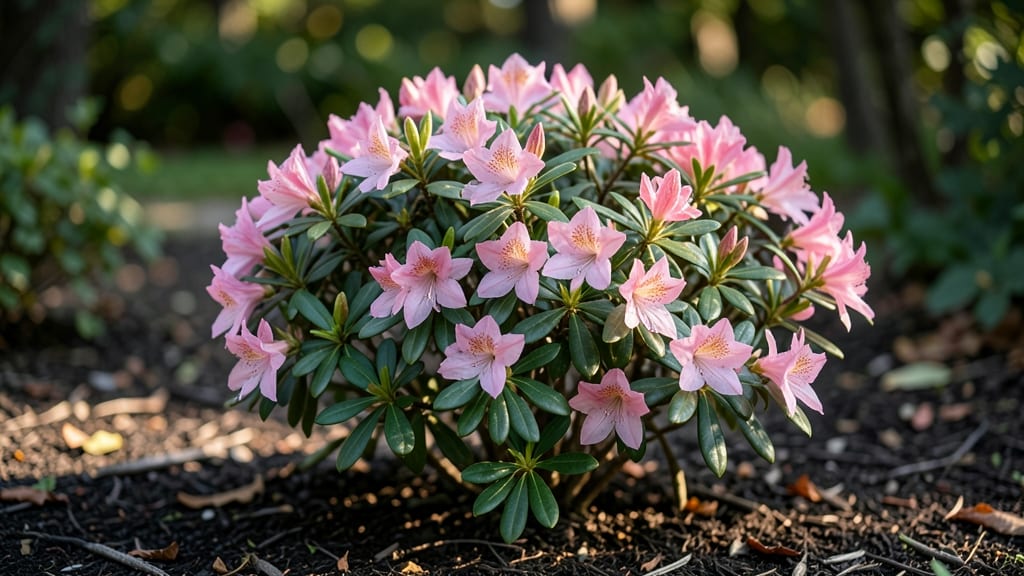
Reblooming azaleas like Encore can turn your yard into a nonstop floral show—if you prune, feed, and repeat at the right times. 🌸 I’ve seen these shrubs go from sparse spring blooms to three full flushes by summer’s end, and the secret lies in timing and technique, not just luck.
The magic starts with late winter pruning (after the first bloom fades) to shape the plant and encourage new growth. Feed with acid-loving fertilizer right after pruning, then repeat mid-summer to fuel the second bloom.
Most gardeners stop there—but the real trick is light pruning after each flush to keep the plant compact and blooming. By fall, you’ll have a shrub covered in buds, ready for another round. The blooms stay vibrant longer, and the foliage stays lush even through heat waves.
It’s not complicated, just consistent care that pays off in months of color instead of weeks. Works for any Encore variety, whether planted in full sun or partial shade. Let’s get those blooms going!
📚 In This Guide
- What you need
- Instructions
- Tips and common mistakes
- Wrapping up and next steps
What you need
- ● Encore reblooming azaleas: 1-3 mature plants (ensure they’re healthy and at least 2-3 years old for best results).
- ● Pruning shears: 1 pair (bypass pruners, sharp and clean, with a 4-6 inch blade for precision cuts).
- ● Garden gloves: 1 pair (nitrile-coated for durability and grip).
- ○ Azalea-specific fertilizer: 1 bag (look for a balanced, acidic formula (e.g., 10-10-10 or 8-3-9) with micronutrients like iron and magnesium). Optional: Slow-release granules or liquid feed.
- ● Mulch: 2-3 bags (pine bark or pine fines, 2-3 inches deep, to retain moisture and acidify soil).
- ● Watering can or hose: 1 (with a gentle spray nozzle to avoid damaging blooms).
- ● pH testing kit: 1 (to check soil acidity; ideal range for azaleas is 4.5-6.0).
- ● Compost or peat moss: 1 bag (for amending soil if needed; avoid fresh manure).
- ● Disinfectant (e.g., rubbing alcohol or bleach solution): To clean pruners between cuts and prevent disease.
- ● Plant support (e.g., stakes or cages): If your azaleas are leggy or need structural help.
- ● Epsom salt: 1 small container (for magnesium boosts if leaves show yellowing between veins).
- ● Plant food spray (e.g., seaweed extract): For a quick foliar feed during blooming season.
- ● Camera or sketchbook: To track pruning cuts and growth progress!
Step-by-Step guide to encourage Encore reblooming in azaleas
Here's how to coax those show-stopping second blooms from your azaleas—no magic, just smart timing and care.
✂️ Step 1: Prune After First Blooms Fade
Wait until your azalea's first flush of flowers has completely faded and the foliage looks tired—usually 4-6 weeks after blooming. This is your cue to prune. Cut back spent blooms to the first set of healthy leaves below the flower cluster. I always use clean, sharp pruners to avoid tearing the stems, which can invite disease.
Focus on shaping the bush while you're at it. Remove any crossing or rubbing branches that might weaken the plant. Azaleas bloom on old wood, so avoid heavy pruning—never trim more than 1/3 of the plant's height at once. You'll see fresh, vibrant new growth within 2-3 weeks if the timing is right.
💧 Step 2: Water Deeply and Keep Soil Consistently Moist
Azaleas thrive when their soil stays evenly moist but never soggy. After pruning, water deeply—1-2 gallons per plant—to help the roots recover and encourage new growth. I check soil moisture by sticking my finger 1 inch down; if it feels dry, it's time to water again.
Mulch around the base with 2-3 inches of organic mulch (like pine bark or shredded leaves) to lock in moisture and keep roots cool. Avoid letting mulch touch the trunk—keep it 2 inches away to prevent rot. Consistent moisture is key for those second blooms, so don't skip this step.
☀️ Step 3: Feed with Acidic Fertilizer for Strong Growth
Azaleas love acidic soil, so use a balanced, acid-loving plant fertilizer (like a 10-10-10 or 8-3-9 formula) mixed with sulfur or peat moss to lower soil pH if needed. Apply fertilizer 4-6 weeks after pruning, when new growth is just starting to appear.
Follow the package instructions for dosage, but I usually cut the recommended amount in half—azaleas are sensitive to over-fertilizing. Water the plant thoroughly after applying to help distribute the nutrients. You'll notice leaves perking up and stems thickening, which means the plant is storing energy for those second blooms.
⏰ Step 4: Monitor Light and Protect from Stress
Azaleas prefer partial shade—3-6 hours of morning sun and dappled shade the rest of the day. Too much direct afternoon sun can scorch leaves and stress the plant, which delays or prevents reblooming. If your azalea is in full sun, consider moving it or providing afternoon shade with a sheer curtain.
Watch for signs of stress like yellowing leaves or wilting. Both can signal overwatering, underwatering, or even pests. I always inspect the undersides of leaves for spider mites or aphids—if you spot them, treat with neem oil or insecticidal soap right away. A healthy, stress-free azalea is your best bet for stunning second blooms.
🌿 Step 5: Repeat Care for Continuous Blooms
Here's the secret: repeat the pruning and feeding process again after the second bloom cycle. If you time it right, you can coax a third, lighter flush of blooms in some varieties. Just follow the same steps—prune after blooms fade, water deeply, and feed with acidic fertilizer.
Real talk: not every azalea will rebloom perfectly, but with consistent care, you'll get more flowers than most gardeners. Keep a journal of when you prune and feed—you'll notice patterns in what works best for your specific plant. Patience is key; it might take a full season to see the best results.
Tips & tricks for perfect Encore reblooming in azaleas
Timing is everything when it comes to encouraging those stunning second blooms—here's what I've learned after years of trial and error.
Pruning Precision: When you're pruning in Step 1, look for the first set of healthy leaves below the flower cluster—this is your stopping point. I've found that cutting back to this spot gives the plant the best chance to produce new blooms without sacrificing next year's flowers. The key is patience: wait until those first blooms are completely faded and the foliage looks tired before you start cutting. This usually happens about 4-6 weeks after blooming, but don't rush it!
Watering Wisdom: In Step 2, when you're watering deeply, I recommend using a rain gauge or measuring cup to deliver exactly 1-2 gallons per plant. The soil should feel like a wrung-out sponge—moist but not soggy. I've made the mistake of underwatering, which leads to weak growth, and overwatering, which can cause root rot. Test soil moisture by sticking your finger 1 inch down—if it feels dry, it's time to water again. Mulching with 2-3 inches of organic material helps maintain this perfect moisture balance while keeping roots cool.
Fertilizer Timing: The 4-6 week window after pruning for fertilizing in Step 3 is crucial. I've learned that applying fertilizer too soon can stress the plant, while waiting too long means missing the growth window. Look for new growth starting to appear—this is your cue that the plant is ready for nutrients. Always cut the recommended dosage in half to avoid over-fertilizing, which can burn the roots and actually prevent blooming. Water thoroughly after applying to help distribute those nutrients evenly.
Light Management: When monitoring light in Step 4, remember that azaleas prefer partial shade with 3-6 hours of morning sun. I've seen many gardeners struggle with afternoon sun scorch—if your azalea is in full sun, consider moving it to a more shaded spot or providing afternoon shade with a sheer curtain. A stressed plant won't bloom well, so keep an eye out for signs like yellowing leaves or wilting, which can indicate overwatering, underwatering, or even pest issues. Regular inspections of leaf undersides help catch problems early.
Pro Tips for Encore Reblooming Azaleas
- Timing is everything when it comes to encouraging those stunning second blooms—here's what I've learned after years o...
- Pruning Precision: When you're pruning in Step 1, look for the first set of healthy leaves below the flower cluster—t...
- Watering Wisdom: In Step 2, when you're watering deeply, I recommend using a rain gauge or measuring cup to deliver e...
Frequently asked questions
Got questions about keeping your encore reblooming azaleas in peak bloom? Here are answers to the most common ones—because even pros need a little help sometimes!
What’s the best time to prune encore azaleas for reblooming?
Prune right after the first flush of blooms fades (late spring to early summer). Avoid heavy pruning in fall or winter—this can stimulate new growth too late in the season, risking frost damage. Light shaping is fine in late summer to prep for the second bloom!
Why isn’t my encore azalea reblooming this year?
Common culprits include over-pruning (cutting into old wood), poor nutrition (lack of acid-loving fertilizer), or stress (drought, extreme heat, or root-bound pots). Check soil pH (aim for 5.0–6.0) and ensure consistent moisture—rebloomers are divas!
Can I use regular azalea fertilizer for encore varieties?
Yes, but timing matters! Use a balanced, acid-forming fertilizer (like 10-10-10 or 8-3-9 with micronutrients) twice a year: once after the first bloom (June) and again after pruning (August). Avoid high-nitrogen fertilizers—they encourage leafy growth over flowers.
Do encore azaleas need winter protection?
In Zones 6–7, mulch heavily (3–4 inches) with pine bark or shredded leaves to insulate roots. In colder zones (below 5), wrap the plant in burlap or use a frost blanket. Pro tip: Evergreen varieties handle cold better than deciduous ones!
What’s a great alternative if my encore azalea struggles to rebloom?
Try Knap Hill or Southern Indica azaleas—they’re hardier rebloomers with vibrant colors. For low-maintenance options, consider Glendale or Hino Crimson, which bloom reliably with minimal fuss. Just match your climate zone!
Wrapping up and next steps
Encore reblooming azaleas are a gardener’s rewarding secret—with the right care, you can enjoy two stunning blooms per season! Pruning, feeding, and consistency are your best tools for coaxing those vibrant flowers back to life. 🌸
Ready to transform your garden? Start by monitoring your plants this season—note what works and adjust as needed. Before next spring, plan your pruning schedule and stock up on the right fertilizers. Your future self (and your neighbors!) will thank you. Happy gardening! 🌿