
Blooming
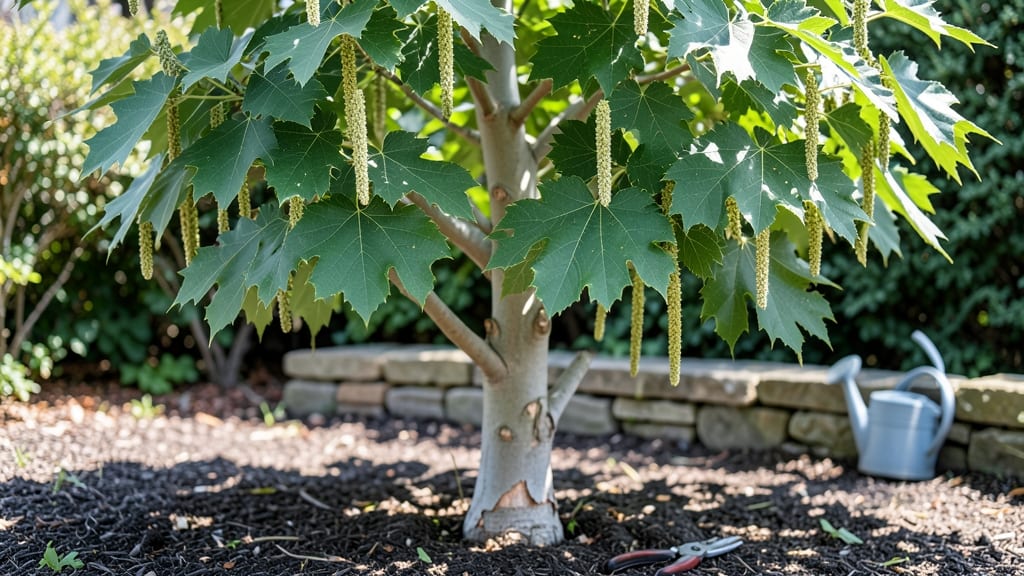
Those fragrant purple starbursts appear every spring—mulberry tree blooms are one of nature’s most underrated shows. 🌸 I’ve watched mine transform my yard from drab to magical, with clusters of tiny flowers that smell like a mix of honey and spring rain.
The timing depends on your climate, but most trees bloom between late April and early June, turning heads before the leaves even fill in.
The secret to reliable blooms? Pruning in late winter—cutting back old growth encourages fresh, vigorous flowering. Mulberries also love full sun and well-drained soil, but they’re tough enough to handle neglect. Just avoid overwatering, as soggy roots can stress the tree and reduce blooms.
Pests like aphids might visit, but they rarely harm the flowers themselves—just hose them off if you see clusters of sticky residue.
When the flowers fade, tiny green berries form, but the real magic is in the first flush of blooms. The tree’s fragrance draws bees and butterflies, turning your yard into a pollinator paradise.
Even if you don’t eat the berries, the blooms alone make it worth growing—just imagine waking up to that sweet, floral scent drifting through your windows.
If your mulberry isn’t flowering yet, don’t worry—young trees often take 3-5 years to mature. Once established, though, they’ll reward you with decades of purple starbursts, year after year. The key is patience and a little seasonal care. Here’s how to keep yours thriving!
📚 In This Guide
- What you need
- Instructions
- Tips and common mistakes
- Wrapping up and next steps
What you need
- ● Mulberry tree saplings or mature trees: Choose disease-resistant varieties like Morus nigra (black mulberry) or Morus alba (white mulberry). For new plantings, opt for 1-3 gallon containers or bare-root saplings (3-5 feet tall).
- ● Well-draining soil: A mix of native soil, compost (20-30%), and perlite or sand (10-15%) for optimal aeration. Test soil pH (ideal range: 5.5–7.0).
- ● Fertilizer: Slow-release granular fertilizer (10-10-10 NPK ratio) or organic options like worm castings or composted manure (apply 2–3 times per year).
- ● Mulch: Wood chips, straw, or shredded bark (2–4 inches deep) to retain moisture and suppress weeds.
- ● Watering supplies: Hose with a gentle spray nozzle or drip irrigation system (for consistent moisture, especially in dry climates).
- ● Pruning tools: Bypass pruners (for clean cuts on branches ½ inch thick).
- ● Loppers (for branches ½–2 inches thick).
- ● Hand saw (for thicker branches, if needed).
- ○ Protective gear (optional but recommended): Garden gloves (to avoid thorns or sap irritation).
- ● Safety goggles (when pruning large branches).
- ● Sunlight: Full sun to partial shade (6+ hours of sunlight daily for optimal blooms).
- ● Space: Mature mulberry trees can reach 20–30 feet tall—ensure 15+ feet of clearance from structures or other plants.
- ● Climate: Hardy in USDA zones 4–9. Cold-hardy varieties (like Morus alba) tolerate down to -25°F.
- ● Pollinators: Mulberry blooms attract bees and butterflies—plant near pollinator-friendly flowers for a thriving ecosystem!
Step-by-step guide to encouraging bountiful mulberry tree blooms
Watch those fragrant purple starbursts return every spring with these proven care strategies.
🌿 Step 1: Select the Right Location for Maximum Sunlight
Mulberry trees need full sun—at least 6-8 hours daily—to produce abundant blooms. I always choose a spot where the tree gets morning sun and afternoon shade if your climate runs hot. The blooms appear on last year's growth, so established trees in sunny locations produce the most flowers.
Test your spot by observing how much sun it gets over a week. If leaves start yellowing or the tree looks stressed, it's not getting enough light. Mulberries tolerate some shade but will bloom less vigorously. Young trees need full sun to develop strong branches that will support next year's flowers.
☀️ Step 2: Prune Correctly in Late Winter for Better Bloom Production
Prune your mulberry tree in late winter or early spring, just before buds swell. Remove any dead, diseased, or crossing branches first—these compete with healthy growth. Then cut back to open the center of the tree, allowing light and air to reach inner branches where most flowers form.
Don't over-prune! I never remove more than 25% of the tree's canopy at once. Focus on branches that haven't produced well in past years. Mulberries bloom on both old and new wood, so avoid heavy pruning that removes too many last year's branches—they hold next year's flower buds.
💧 Step 3: Water Deeply During Dry Spells to Support Flower Development
Water your mulberry tree deeply once a week during dry periods, especially when buds form in early spring. The soil should be moist 6 inches down—stick your finger in to check. Mulberries are drought-tolerant once established, but consistent moisture during bloom time ensures vibrant flowers.
I always water in the morning so the foliage dries quickly, preventing fungal issues. Avoid overhead sprinkling when flowers appear—they're sensitive to wetness. Instead, water at the base with a soaker hose or drip irrigation for gentle, even moisture.
✂️ Step 4: Fertilize Strategically in Early Spring for Strong Growth
Apply a balanced 10-10-10 fertilizer in early spring, just as buds begin to swell. Spread it evenly under the tree's drip line and water it in well. Mulberries don't need heavy feeding, but a light application encourages robust new growth that will support more flowers.
I avoid high-nitrogen fertilizers—they promote leafy growth at the expense of blooms. Instead, I use a low-nitrogen, high-phosphorus fertilizer if my tree's flowers seem sparse. Organic options like composted manure or bone meal work well too. Never fertilize after mid-summer—it encourages tender growth that won't survive winter.
🌱 Step 5: Protect Flowers from Pests and Early Frost
Watch for Japanese beetles and mulberry pyralid moths, which can defoliate trees and reduce next year's blooms. I handpick beetles in the morning when they're sluggish and drop them in soapy water. For severe infestations, neem oil spray applied in early spring works well.
If frost threatens while flowers are open, cover the tree with a lightweight frost cloth at dusk. Mulberry blooms are frost-sensitive, and damaged flowers won't set fruit. I also remove any broken or damaged branches after blooming to encourage new growth for next year's flowers.
Tips & tricks for encouraging vibrant mulberry tree blooms
Here's what nobody tells you about getting those fragrant purple blooms back every spring.
Sunlight Strategy: Those 6-8 hours of daily sun are non-negotiable for bloom production. If your tree isn't getting full sun, try moving it to a sunnier spot or consider pruning nearby trees/shade structures that might be blocking light. I've seen mulberries in partial shade still produce flowers, but they're always less abundant and vibrant. Think of sunlight as the primary energy source for those beautiful blooms—just like how we need good lighting to feel our best!
Pruning Precision: When you're pruning in late winter, focus on creating an open center rather than just removing dead branches. The goal is to let light and air reach the inner branches where most flowers develop. I always make my cuts just above outward-facing buds—this encourages new growth that will support next year's blooms. Remember, you're shaping the tree's future flower production with each cut.
Watering Wisdom: That 6-inch deep watering isn't just about keeping the tree alive—it's about supporting the root system that will feed next year's blooms. I've found that mulberries actually prefer slightly drier conditions once established, but during bloom time, consistent moisture makes all the difference. The key is checking soil moisture regularly rather than sticking to a rigid schedule—your finger is the best moisture meter!
Fertilizer Timing: The early spring timing for that 10-10-10 fertilizer is crucial because it gives the tree energy to produce flowers while leaves are still developing. I've learned the hard way that fertilizing too late can result in tender new growth that won't survive winter. Think of it like preparing for a big event—you want to fuel up before the main performance, not after it's already started.
Pro Tips for Mulberry Tree Blooms
- Here's what nobody tells you about getting those fragrant purple blooms back every spring.
- Sunlight Strategy: Those 6-8 hours of daily sun are non-negotiable for bloom production.
- Pruning Precision: When you're pruning in late winter, focus on creating an open center rather than just removing dead branches.
Frequently asked questions
Got questions about mulberry tree blooms? You’re not alone! Here are answers to the most common queries—from timing to troubleshooting—so you can enjoy those stunning purple starbursts with confidence.
When do mulberry trees bloom, and how long do the flowers last?
Mulberry trees typically bloom in early spring (March–April in most U.S. zones), just before or with the leaves. The fragrant purple flowers last 1–2 weeks, creating a breathtaking but fleeting show. For late bloomers, check your local climate—warmer regions may see blooms as early as February!
Why aren’t my mulberry tree flowers opening, or they’re sparse?
Sparse blooms often stem from young trees (they need 3–5 years to mature) or over-pruning in late winter. Other culprits:
- Nutrient deficiency (add compost or a balanced fertilizer in early spring).
- Cold damage (late frosts can kill buds—protect with burlap if frost is forecasted).
- Drought stress (mulberry trees need consistent moisture during bloom season).
How can I extend the blooming season for my mulberry tree?
While you can’t naturally extend the 1–2 week window, you can maximize bloom health with these tricks:
- Prune in late winter (before buds swell) to encourage new growth.
- Water deeply 1–2 times per week during bloom season (avoid soggy soil).
- Choose a sunny spot (6+ hours of sunlight = more blooms).
Are mulberry tree flowers edible, or can I use them in recipes?
Yes! Mulberry flowers are edible and delicious, with a mild, slightly sweet flavor. Use them in:
- Honey infusions (add fresh blooms to honey for a fragrant, floral touch).
- Tea blends (steep with chamomile or lavender for a soothing drink).
- Garnishes (sprinkle on desserts like lemon tarts or sorbet).
What’s a good alternative if I can’t grow a mulberry tree?
If space or climate limits mulberry growth, try these fragrant, purple-blooming alternatives:
Plant
Bloom Time
Care Level
Lilac (Syringa)
Late spring
Moderate (sun, well-drained soil)
Wisteria
Spring (some rebloom in fall)
High (needs support, pruning)
Crape Myrtle (Lagerstroemia)
Summer
Low (drought-tolerant)
Wrapping up and next steps
Witnessing the mulberry tree blooms is like nature’s own burst of magic—delicate, fragrant, and full of promise! These stunning purple starbursts remind us that beauty thrives with patience, and even the smallest garden can become a haven for pollinators and joy.
Whether you’re a seasoned gardener or just starting, embracing these blooms is a celebration of resilience and renewal.
Ready to invite more wonder into your space? 🌱 Start small: Plant a mulberry tree, or even just a single branch, and watch as its legacy unfolds year after year.
Share the magic with friends, snap photos of the blooms, or simply take a moment to breathe in their sweet scent—because sometimes, the best gardens grow in the moments we pause to notice them.