
Blooming
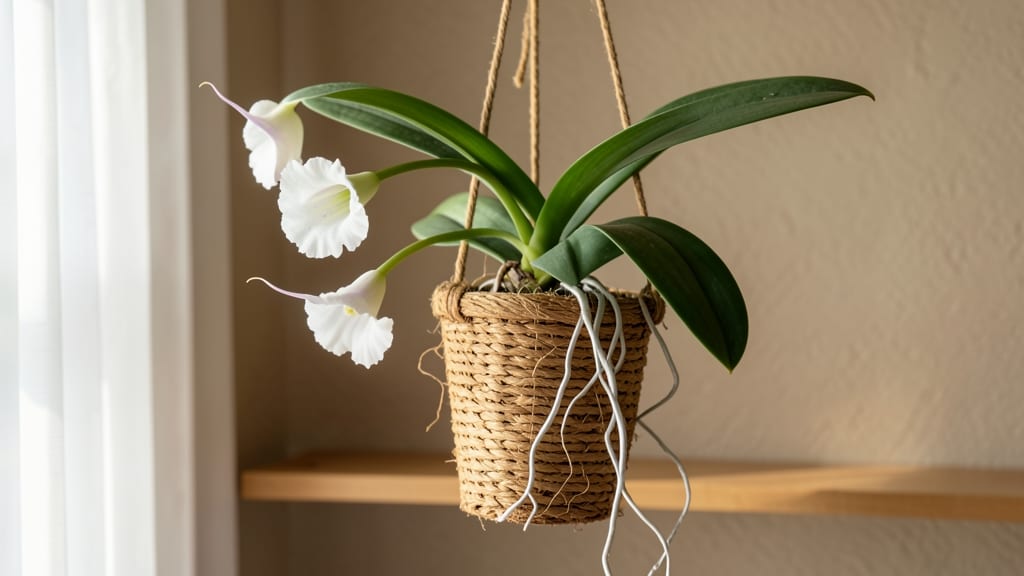
Nothing says "dramatic" like this ornamental plant with purple trumpet-like blooms lighting up your garden at dusk. 🌹 These fragrant evening stars—think Angel’s Trumpet or Allamanda—transform any space into a moonlit spectacle with their velvety petals and intoxicating scent.
I’ve used them to create dramatic borders that glow under porch lights, where their height (up to 6 feet) makes them instant focal points. The key to their magic? Plant them where they’ll get morning sun and afternoon shade—this keeps the blooms vibrant and the fragrance strong.
Pair them with silver foliage plants (like lamb’s ear) or spiky grasses to contrast their soft trumpets, and watch how they steal the show when fireflies start to dance. Their evening display is unmatched, drawing hummingbirds and moths into your garden after dark.
You’ll love how they anchor cottage gardens or elevate container arrangements—just add a trellis for climbing varieties like Allamanda, and you’ve got a vertical masterpiece. The scent alone makes them worth growing, but the way they frame pathways or patios? Pure garden artistry.
For best results, prune after blooming to encourage more flowers, and fertilize lightly in spring. They thrive in zones 9-11 but can be grown as annuals in cooler climates—just bring them indoors before frost. Here’s how to make them the star of your summer nights.
📚 In This Guide
- What you need
- Instructions
- Tips and common mistakes
- Wrapping up and next steps
What you need
- ● Ornamental Plant: Choose one of these stunning varieties (pick one!): Angel’s Trumpet (Brugmansia spp.) – Best for outdoor gardens (zones 9-11; may need winter protection).
- ● Petunia (Petunia spp., trumpet varieties) – Annual, thrives in containers or beds (zones 10-11; start indoors in cooler climates).
- ● Datura (Datura metel) – Hardy annual or perennial (zones 9-11), but toxic—handle with care!
- ● Campsis (Campsis radicans, Trumpet Vine) – Vigorous vine for trellises (zones 4-9).
- ● Soil: Well-draining potting mix (10-20 lbs) or garden soil amended with compost (50% soil, 50% compost by volume). For containers, use a mix with perlite or vermiculite.
- ● Containers (if applicable): 5-10 gallon pots for Brugmansia or Petunia (ensure drainage holes!).
- ● Large trellis or sturdy structure for Trumpet Vine (height: 10-20 ft).
- ● Fertilizer: Balanced granular fertilizer (10-10-10 or 20-20-20, 1 lb per plant).
- ○ Slow-release pellets (optional for containers, 1 cup per pot).
- ● Organic options: Fish emulsion (2-3 tbsp per gallon of water) or worm castings (1 cup per plant).
- ● Garden tools: Trowel or hand shovel (for planting).
- ● Pruning shears (sterilized with rubbing alcohol).
- ● Gloves (nitrile for Datura or heavy-duty for Trumpet Vine).
- ● Watering supplies: Watering can (1-2 gallon capacity) or hose with gentle nozzle.
- ○ Drip irrigation kit (optional for large gardens).
- ● Support structures (if needed): Trellis, obelisk, or sturdy fence for vining plants.
- ● Stakes (3-5 ft tall) for Brugmansia (to prevent toppling).
- ● Location: Full sun (6+ hours/day) for Brugmansia, Datura, and Trumpet Vine.
- ● Partial shade (4-6 hours sun) for Petunia in hot climates.
- ● Climate zones: Verify your USDA hardiness zone (e.g., Brugmansia thrives in zones 9-11).
- ● Timing: Start seeds indoors 8-10 weeks before last frost (for annuals).
- ● Plant bulbs/tubers 6 weeks before frost (or in spring for warm zones).
- ● Safety note: Datura and Brugmansia are toxic—keep away from pets/kids! Wear gloves when handling.
How to grow stunning purple Trumpet-shaped flowers for nighttime beauty
These fragrant, towering blooms transform any garden into a moonlit masterpiece—here’s how to cultivate them successfully.
🌱 Step 1: Select the Right Variety for Your Climate
Angel’s Trumpet (Brugmansia) and Moonflower (Ipomoea alba) are the two most dramatic purple trumpet-shaped blooms, but they thrive in different zones. Angel’s Trumpet loves zones 8-11 and needs warmth year-round, while Moonflower is a cool-season annual that self-seeds easily in zones 3-10. I always check the USDA zone map before choosing—planting Angel’s Trumpet in a cold climate means winter kills the plant.
For containers, Angel’s Trumpet does best in 15-gallon pots with drainage, while Moonflower can sprawl in 5-gallon pots or grow directly in garden beds. Both need well-draining soil—Angel’s Trumpet hates soggy roots, so amend heavy soil with compost and perlite to prevent rot. Moonflower, meanwhile, tolerates average garden soil as long as it’s not waterlogged.
☀️ Step 2: Plant in Partial Shade for Maximum Blooms
Angel’s Trumpet thrives in morning sun and afternoon shade—direct afternoon sun scorches the large, waxy leaves. I plant mine where they get 4-6 hours of sun but avoid the hottest midday rays. Moonflower, on the other hand, blooms best in full sun to partial shade, but the flowers open at dusk, so positioning near a patio or walkway ensures you’ll smell their sweet fragrance in the evening.
Dig a hole twice as wide as the root ball but only as deep as the container. Loosen the roots gently if they’re circling—this encourages outward growth. For Angel’s Trumpet, stake the plant immediately since the 5-12 foot stems can flop without support. I use 3-foot bamboo stakes buried 6 inches deep and tie the main stems loosely with soft plant ties to avoid damaging the bark.
💧 Step 3: Water Deeply and Mulch to Retain Moisture
Both plants need consistent moisture, especially Angel’s Trumpet, which has shallow roots. Water deeply once a week during the first growing season until the top 2 inches of soil feel dry. Overwatering is the biggest mistake—Angel’s Trumpet’s leaves will yellow and drop if the roots sit in wet soil. Moonflower is more forgiving but still dislikes soggy conditions.
Apply 2-3 inches of mulch around the base (but not touching the stem) to lock in moisture and regulate soil temperature. I use shredded bark mulch because it breaks down slowly and improves soil structure over time. In containers, add 1-2 inches of mulch on top of the soil surface to reduce evaporation. Fertilize lightly with a balanced 10-10-10 formula every 4-6 weeks during the growing season—too much nitrogen encourages leafy growth over flowers.
✂️ Step 4: Prune for Shape and Encourage More Blooms
Angel’s Trumpet blooms on new wood, so prune in early spring to shape the plant and remove dead or crossing branches. Cut back leggy stems by one-third to encourage bushier growth. Moonflower, however, blooms on current season growth, so prune only to remove spent flowers and encourage more blooms—this plant is a self-seeder, so deadheading isn’t critical unless you want to control where it spreads.
Here’s the thing—Angel’s Trumpet’s flowers are heavy, and the stems can snap under their own weight. I always prune out weak stems early in the season to prevent breakage. For both plants, pinch back new growth by 1/3 in early summer to promote thicker, more compact growth and prevent flopping. You’ll see a surge in new blooms within 4-6 weeks of pruning.
🌿 Step 5: Protect Flowers from Pests and Enjoy the Evening Display
Angel’s Trumpet attracts hummingbirds and moths but can also draw aphids and spider mites if stressed. I treat preventatively with neem oil spray every 2 weeks during the growing season—this deters pests without harming pollinators. Moonflower is generally pest-resistant, but watch for Japanese beetles on the leaves. Handpick them early in the morning when they’re sluggish.
The real magic happens at dusk when the trumpet-shaped blooms open, releasing their intoxicating fragrance. Angel’s Trumpet’s scent is sweet and tropical, while Moonflower’s is jasmine-like and heady. To extend the blooming season, deadhead spent flowers weekly—this redirects the plant’s energy into producing more blooms. With proper care, Angel’s Trumpet can bloom year-round in warm climates, while Moonflower will self-seed and return for multiple seasons in favorable conditions.
Tips & tricks for cultivating dramatic purple Trumpet-shaped flowers
Here's what I've learned after years of growing these show-stopping nighttime beauties—details that make all the difference.
Climate Considerations: Angel's Trumpet's love for zones 8-11 means winter protection is essential if you're on the border. I've had success overwintering potted plants by moving them to an unheated garage with temperatures above 40°F. For Moonflower, which thrives in zones 3-10, don't be tempted to plant too early—wait until all frost danger has passed, as cold snaps can kill young seedlings. The 4-6 hours of morning sun for Angel's Trumpet is non-negotiable; I've seen leaves crisp in just two hours of direct afternoon sun.
Container Strategy: The 15-gallon pot requirement for Angel's Trumpet isn't just about size—it's about stability. These plants develop surprisingly heavy canopies, and I've seen 5-gallon pots topple when planted directly in the ground. For containers, use pots with saucers to catch water runoff, especially important during that weekly deep watering. The extra inch of mulch in containers makes a world of difference in preventing soil evaporation during hot afternoons.
Pruning Precision: When cutting back leggy stems by one-third in early spring, focus on removing stems that are growing outward rather than upward. This creates a more compact plant that won't flop. For Angel's Trumpet, I make my cuts just above a leaf node where new growth will emerge. The 4-6 week bloom surge after pruning is worth the effort—just be patient and consistent with your weekly deadheading to maintain that floral display.
Pest Prevention: That 2-week neem oil schedule works wonders, but I've found even better results by alternating with insecticidal soap every third application. The key is consistency—don't skip treatments just because you haven't seen pests yet. For Japanese beetles on Moonflower, I've had success with a simple homemade spray of water and a drop of dish soap applied in the early morning when the beetles are sluggish.
Pro Tips for Ornamental Plant With Purple Trumpet Like Blooms
- Here's what I've learned after years of growing these show-stopping nighttime beauties—details that make all the difference.
- Climate Considerations: Angel's Trumpet's love for zones 8-11 means winter protection is essential if you're on the border.
- Container Strategy: The 15-gallon pot requirement for Angel's Trumpet isn't just about size—it's about stability.
Frequently asked questions
Got questions about those stunning purple trumpet-like blooms? You’re not alone! Here are answers to the most common queries—from care tips to troubleshooting—so you can keep your plant thriving and showing off its dramatic beauty.
What’s the best way to encourage more trumpet-shaped blooms?
For rich, frequent blooms, prioritize full sun (6+ hours/day) and well-draining soil. Deadhead spent flowers regularly to redirect energy, and fertilize lightly with a balanced, bloom-boosting formula (like 10-10-10) every 4–6 weeks during spring/summer. Pro tip: Prune leggy stems in early spring to encourage bushier growth and more flowers!
How long do these blooms typically last, and when is peak season?
Most trumpet-like blooms (like Angel’s Trumpet or Brugmansia) last 3–7 days per flower, but new buds form continuously. Peak season is late spring to early fall, with fragrant evenings drawing in pollinators. In warmer climates, they may bloom year-round! For longer displays, choose varieties like Brugmansia ‘Pink Trumpet’, which reblooms prolifically.
Can I grow these indoors? What’s the ideal temperature range?
Yes! Angel’s Trumpet (Brugmansia) thrives indoors near bright, south-facing windows or under grow lights. Keep temps between 60–75°F (15–24°C)—avoid drafts or cold windows, which stress the plant. In winter, reduce watering and supplement with grow lights (12+ hours/day) to mimic summer conditions. Warning: All parts are toxic if ingested—keep away from pets/kids!
Why are my trumpet blooms wilting or dropping early?
Wilting or early drop-off often signals underwatering, overwatering, or stress. Check soil moisture—let the top 1–2 inches dry between waterings. Other culprits:
If trumpet blooms seem high-maintenance, try these fragrant, purple-hued alternatives:
Quick fix: Trim affected stems and adjust care immediately!
What are some low-maintenance alternatives with similar blooms?
Plant
Bloom Color
Maintenance Level
Datura (Jimsonweed)
Purple-white
Moderate (drought-tolerant but toxic)
Petunia ‘Supertunia’
Deep purple
Low (great for containers)
Lantana ‘Bandana Cherry’
Purple-pink
Very low (drought-resistant)
Wrapping up and next steps
Adding an ornamental plant with purple trumpet-like blooms to your garden or home is a fantastic way to bring drama, fragrance, and natural beauty to your space.
These stunning plants not only captivate with their evening displays but also thrive with the right care—think rich soil, proper lighting, and a touch of patience. Whether you're a seasoned gardener or just starting, their height and elegance make them a showstopper.
Ready to transform your space? Start by choosing the perfect variety—like Angel’s Trumpet or Brugmansia—and dive into nurturing these floral wonders. Your garden (or patio!) will thank you with breathtaking blooms that glow under the moonlight! 🌙✨