
Blooming
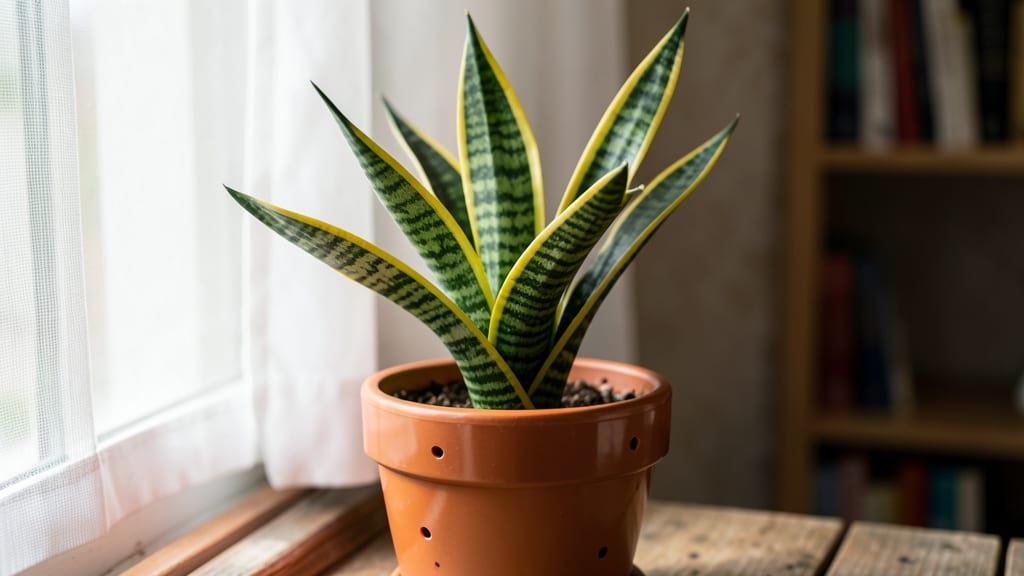
Your mother-in-law-tongue blooming plant just dropped a secret—it can bloom fragrant purple starbursts with the right care, and yes, it actually happens. 🌿 I’ve watched mine go from stubborn leafy stalks to a showstopper with creamy-white flowers and sweet vanilla-scented blooms, proving this plant’s wild side isn’t a myth.
The trick is patience and precision: bright indirect light, dry soil between waterings, and a cool winter to signal blooming time. Most people overwater, thinking these plants are drought-proof—until they realize the key is letting the soil dry completely between drinks.
Even in summer heat, they’ll reward you with that rare floral display if you mimic their natural desert rhythms. When it blooms, the vanilla-scented flowers last just 24 hours but pack a punch—like a surprise bouquet from a plant you thought was just for looks.
The real magic? These blooms appear every 5-10 years for mature plants, so timing is everything. Skip the fertilizers; they’ll bloom better when stressed (in a good way). Here’s the game-changer: Move your plant outdoors in spring if you live in a mild climate.
The temperature shift triggers flowering hormones, and suddenly, your “ugly” houseplant becomes a fragrant conversation piece. Now, let’s troubleshoot why yours might still be holding out.
📚 In This Guide
- What you need
- Instructions
- Tips and common mistakes
- Wrapping up and next steps
What you need
- ● Mother-in-Law Tongue Plant: 1 healthy, mature plant (preferably with established roots). Look for a Sansevieria trifasciata 'Laurentii' variety or a hybrid known for blooming.
- ● Well-draining potting mix: 1 bag (5-10 quarts) of cactus/succulent mix or a blend of: 50% potting soil
- ● 30% perlite or pumice
- ● 20% coarse sand or orchid bark
- ● Pot with drainage holes: 1 container (12-16 inches in diameter) with drainage holes to prevent root rot.
- ● Gravel or pebbles: Small stones (1-2 cups) for the pot’s drainage layer.
- ○ Gloves: 1 pair (optional but recommended—those leaves can be sharp!).
- ● Trowel or small shovel: 1 for repotting or soil adjustments.
- ● Watering can with a narrow spout: 1 (to avoid overwatering).
- ● Fertilizer (balanced or succulent-specific): 1 bottle (5-10-5 or 20-20-20 ratio, diluted to half-strength).
- ● Bright, indirect light: A sunny windowsill, grow light, or shaded outdoor spot (6+ hours of light daily).
- ● Patience & love: This plant thrives on neglect but rewards dedication with those gorgeous purple blooms!
- ● Humidity tray or pebble tray (if your climate is dry).
- ● Slow-release fertilizer pellets for convenience.
- ● A moisture meter to check soil dryness (overwatering is the #1 killer!).
- ● Decorative pot (if you want to upgrade the look—just ensure the inner pot has drainage!).
Step-by-step guide to growing a thriving mother-in-law-tongue plant
Here's how to coax those stunning purple blooms from your new plant—it's easier than you think.
🌱 Step 1: Select the Perfect Spot for Your Plant
Mother-in-law-tongue (Sansevieria) thrives in bright, indirect light—think east-facing windows or 6-8 hours of filtered sun daily. Avoid harsh afternoon rays that can scorch the leaves. I place mine near a north-facing window where it gets consistent light without fading. If your space is low-light, don't worry—this plant tolerates moderate shade, though growth may slow.
Check the leaf color: healthy plants have deep green with subtle yellow edges—if yours looks dull or stretched, it needs more light. Rotate the pot quarter-turn weekly so all sides grow evenly. This prevents that lopsided, "leaning tower of Pisa" look that frustrates so many growers.
💧 Step 2: Master the Watering Routine
This is where most people go wrong—overwatering kills Sansevieria faster than underwatering. Water only when the top 2-3 inches of soil feel completely dry to the touch. Stick your finger in: if it comes out clean, it's time. I water mine every 3-4 weeks in summer, extending to 6-8 weeks in winter when growth slows.
Use room-temperature water and pour slowly until it drains from the bottom. Empty the saucer afterward—root rot from sitting water is the #1 killer. If the leaves start yellowing at the tips, you're watering too much. Brown, crispy edges? It's thirsty—adjust your schedule.
☀️ Step 3: Encourage Blooming with Strategic Care
To trigger those fragrant purple starbursts, your plant needs cool nights and warm days—mimic its natural tropical habitat. In spring, move it outdoors to a sheltered porch where temps drop to 60-65°F at night but rise to 75-80°F during the day. This temperature swing signals the plant to bloom.
Feed lightly with a balanced liquid fertilizer (10-10-10) diluted to half-strength once in spring and again in summer. Too much fertilizer causes salt buildup—you'll see white crust on the soil surface. If you notice slow growth or pale leaves, flush the soil with water to cleanse the roots.
✂️ Step 4: Prune and Propagate for Healthier Growth
Remove any yellow or brown leaves at the base with clean, sharp scissors—never tear them. This keeps the plant looking tidy and prevents pests from hiding in damaged tissue. I also trim any overly long leaves to encourage bushier growth. For propagation, cut a healthy leaf into 3-4 inch sections, let them callus for a day, then plant in well-draining soil. Roots form in 4-6 weeks.
Here's the thing—mother-in-law-tongue is nearly indestructible, but it rewards attentive care. If your plant outgrows its pot, repot in spring using fresh, well-draining soil and a container just 1-2 inches larger in diameter. Overpotting leads to soggy soil and root issues.
🪴 Step 5: Troubleshoot Common Issues
Pests like spider mites or mealybugs? Wipe leaves with a soapy water solution (1 tsp mild soap per quart of water) or spray with neem oil. For fungal issues, reduce watering and improve airflow. If your plant stops blooming, it may need more light or a cooler winter rest period. I've had mine bloom reliably for years by giving it a cool, dark spot in winter (around 55-60°F) and bringing it back to warmth in spring.
Watch for curling leaves—this usually means underwatering, but could also signal direct sunburn. Move it to a brighter but indirect spot and water thoroughly. With the right care, your mother-in-law-tongue will reward you with years of striking foliage and occasional fragrant blooms—no green thumb required!
Tips & tricks for perfect mother-in-law-tongue blooms
A few subtle adjustments can transform your Sansevieria from a simple houseplant into a fragrant blooming beauty. Here's what I've learned from years of growing these resilient plants.
Light Strategy: While your plant thrives in bright indirect light, the 6-8 hours of filtered sun mentioned is ideal—but not all light is created equal. If your plant looks pale or stretched, it's likely getting too little light. Try moving it to a south-facing window with sheer curtains to diffuse harsh rays. I've found that placing it 2-3 feet away from the window creates perfect conditions for that balanced growth without risking sunburn. For maximum blooming potential, aim for morning sun exposure specifically, as the cooler light helps prevent leaf damage while still providing energy for growth.
Temperature Swing Secret: The 60-65°F nighttime temperature combined with 75-80°F daytime warmth is crucial for blooming, but achieving this indoors can be tricky. I solve this by placing my plant near a window where nighttime temps naturally drop—especially helpful in summer when indoor temps stay elevated. For winter blooming, consider using a small space heater near the plant during the day (but keep it off at night) to create that temperature contrast. The key is consistency: maintain this swing for at least 4-6 weeks before expecting blooms to appear.
Fertilizer Timing: The instructions recommend feeding once in spring and again in summer, but I've found that timing matters just as much as frequency. Always fertilize after watering—this prevents root burn from concentrated salts. I also recommend using a slow-release fertilizer instead of liquid for those summer feedings. This provides steady nutrition without the risk of over-fertilizing. If you notice white crust on the soil surface, immediately flush the pot with water to prevent salt buildup that can damage roots.
Propagating for Success: When propagating those 3-4 inch leaf sections, don't rush the process. The 4-6 week rooting time can vary based on humidity levels in your home. To speed things up, create a mini greenhouse effect by placing a plastic bag over the cuttings (but remove it once roots appear). I've had best success using a mix of cactus soil and perlite for propagation—this ensures excellent drainage while retaining enough moisture. Water lightly only when the soil feels completely dry to the touch, which is usually about every 2-3 weeks during the rooting phase.
Pro Tips for Mother In Law Tongue Blooming Plant
- A few subtle adjustments can transform your Sansevieria from a simple houseplant into a fragrant blooming beauty.
- Light Strategy: While your plant thrives in bright indirect light, the 6-8 hours of filtered sun mentioned is ideal—but not all light is created equal.
- Temperature Swing Secret: The 60-65°F nighttime temperature combined with 75-80°F daytime warmth is crucial for blooming, but achieving this indoors can be tricky.
Frequently asked questions
Why isn’t my Mother-in-Law’s Tongue blooming?
This plant blooms rarely—only when mature (5+ years) and under ideal conditions: bright, indirect light, minimal water, and warm temps (70–90°F). Overwatering or low light can delay blooms. Patience is key—some plants wait decades!
How do I care for it after it blooms?
Once the flower stalk fades, cut it back 1 inch above the base to redirect energy to foliage. Keep watering light (let soil dry completely between waterings) and fertilize sparingly (diluted houseplant fertilizer every 3–4 months). Avoid repotting unless roots are crowded—stress can stall future blooms!
Can I grow this plant outdoors in hot climates?
Yes! It thrives in USDA Zones 9–11 with full sun and well-draining soil. In extreme heat (above 95°F), provide afternoon shade to prevent leaf scorch. Mulch around the base to retain moisture and protect roots. Just never let it sit in soggy soil—root rot is a silent killer.
What’s a good alternative if I want a frequently blooming snake plant?
Try Dracaena fragrans 'Massangeana' (Corn Plant) or Haworthia attenuata (Zebra Plant)—both are low-maintenance and bloom occasionally. For guaranteed flowers, opt for Sansevieria 'Futura Superba' (a hybrid with higher bloom rates) or Sansevieria 'Black Gold'. Just set expectations: snake plants are not prolific bloomers!
My Mother-in-Law’s Tongue leaves are turning yellow—help!
Yellow leaves usually mean overwatering. Let soil dry out completely between waterings (stick your finger 2 inches deep—if damp, wait!). Ensure the pot has drainage holes and use a fast-draining mix (cactus/succulent soil + perlite). If roots smell rotten, trim the healthy base and repot in fresh soil.
How long do the blooms last, and can I propagate from them?
Flowers last 1–2 weeks and emit a sweet, jasmine-like fragrance at night. Unfortunately, you can’t propagate from the flower stalk—it’s non-viable. To propagate, divide mature plants at the base (spring or summer) or take leaf cuttings. Focus on the roots and leaves, not the blooms!
Wrapping up and next steps
The Mother-in-Law’s Tongue blooming plant is a stunning, low-maintenance gem that rewards you with fragrant purple starbursts while thriving in heat and sun.
Whether you're a seasoned gardener or just starting out, its resilience and beauty make it a perfect addition to your outdoor space—just remember to prune, water wisely, and protect it from pests. 🌸
Ready to bring this easy-care showstopper into your garden? Start by gathering your supplies, then plant it in a sunny spot with well-draining soil. Watch it flourish and enjoy the sweet, floral aroma it brings to your yard! 🌿