
Blooming
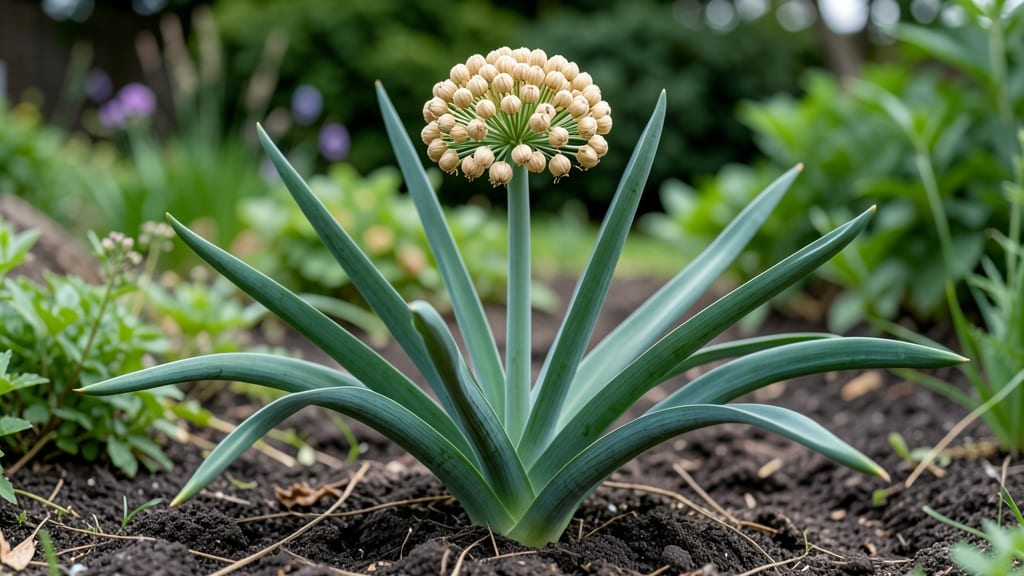
Forget the grocery store—your blooming onions will be the star of your garden, year after year. 🌱 I used to think onions were just for cooking, but these purple starbursts changed my mind.
The secret? Let them flower naturally without deadheading, and you’ll get a showy display that keeps coming back.
Onions bloom when they sense maturity, not stress. If you leave bulbs in the ground or replant green tops, they’ll send up those dramatic flowers. You just need well-draining soil, full sun, and consistent watering—no fancy tricks. Even if you’ve killed plants before, this works.
By summer, you’ll have clusters of vibrant purple blooms that attract pollinators and last for weeks. The bulbs stay edible, too—just harvest them before the flowers fully mature. No deadheading means less work and more beauty.
Perfect for borders, containers, or cutting gardens. Once you try it, you’ll never grow onions the old way again. Here’s how to get started—no green thumb required!
📚 In This Guide
- What you need
- Instructions
- Tips and common mistakes
- Wrapping up and next steps
What you need
- ● Onion sets or seeds: Choose top-setting varieties like 'Walkers Purple Stripe' or 'Red Baron' (available at garden centers or online nurseries).
- ● Well-draining soil: Mix 1 part potting soil with 1 part perlite or coarse sand (or use a pre-mixed cactus/succulent blend).
- ● Containers or garden bed: For containers: 6-inch pots or larger (1-2 onions per pot).
- ● For garden beds: Full sun exposure (6+ hours/day) and loose, fertile soil.
- ● Balanced fertilizer: 5-10-10 or 10-10-10 (use sparingly—too much nitrogen = fewer blooms!).
- ● Watering can or hose with a gentle nozzle: Avoid overwatering (let soil dry slightly between waterings).
- ○ Gloves (optional): Protect your hands from soil and sharp onion tops.
- ● Tweezers or small pruners: For gently separating onion sets or trimming foliage.
- ● Mulch (e.g., straw or bark): Helps retain moisture and suppress weeds.
- ● Grow lights (indoor option): LED full-spectrum bulbs if growing in low-light spaces.
- ● Slow-release fertilizer pellets: For hassle-free nutrition over months.
- ● Patience! Blooming onions take 6-12 months to flower, depending on variety and conditions.
- ● A sunny spot—no blooms without full sun!
- ● Consistency: Regular (but not excessive) watering and minimal interference with the plant’s growth.
Step-by-Step instructions for growing ornamental onions
Here's how to grow those stunning purple blooms that last all season with minimal fuss.
🌱 Step 1: Choose and Prepare Your Planting Site
Ornamental onions thrive in full sun with at least 6 hours of direct light daily. I always pick a spot where they'll get morning sun and afternoon shade in hotter months—this prevents the blooms from wilting in heat. The soil should drain well but retain moisture; if yours is heavy clay, mix in a 2-inch layer of compost to improve texture.
Loosen the top 6 inches of soil with a garden fork to create space for roots. If planting in containers, use a well-draining potting mix—these onions hate soggy feet. You'll know the soil is ready when it crumbles easily between your fingers without sticking.
🌱 Step 2: Plant the Bulbs at the Right Depth
Set each bulb with the pointed end facing up, about 2 inches deep and 6 inches apart. I like to plant them in clusters of 3-5 for a fuller look, but never crowd them—each bulb needs room to grow its own roots. Gently press the soil around the bulb to remove air pockets, but don't pack it down too tightly.
Water deeply right after planting to settle the soil and encourage root growth. You'll see the first green shoots emerge in 2-3 weeks, but don't be surprised if they take longer in cooler weather. The key is patience—rushing watering can cause the bulbs to rot before they sprout.
☀️ Step 3: Provide Consistent Care for Long-Lasting Blooms
Once the green foliage reaches about 4-6 inches tall, you'll notice a tall stem begin to form. This is your flowering stalk, and it needs regular watering—about 1 inch per week. Water at the base of the plant in the morning so the blooms stay dry and last longer. You'll know you're doing it right when the leaves stay vibrant green and the stalk grows straight.
Fertilize lightly with a balanced, water-soluble fertilizer (like 10-10-10) once a month during the growing season. Too much nitrogen will make the plant focus on leaves instead of flowers, so keep it mild. The blooms will appear in 8-12 weeks, depending on when you planted and your climate.
✂️ Step 4: Enjoy the Blooms Without Deadheading
Here's the magic: ornamental onions don't need deadheading! Once the purple starburst blooms open, they'll last for weeks as long as you keep them watered and in a sunny spot. The flowers may even self-seed, giving you free plants next year. If you want to encourage more blooms, simply leave the spent flowers on the plant—they'll dry out naturally and add winter interest.
After the blooms fade, cut the stalks back to 2 inches above the ground to keep the plant tidy. The bulbs will store energy for next season, and you'll often see new foliage emerge in spring. This is why they're perfect for year-round color with almost no maintenance.
Tips & tricks for perfect ornamental onion blooms
Here's what I learned after growing these purple beauties for years—tricks that make all the difference between good and show-stopping.
Lighting Strategy: The 6 hours of daily sun is non-negotiable, but here's the secret: position your plants to catch morning sunlight first. This prevents the delicate blooms from wilting in afternoon heat. I've found that a spot with dappled afternoon shade (like under a tree canopy) extends bloom life by nearly 2 weeks. If you're in a hot climate, consider using shade cloth during peak summer hours.
Soil Prep Hack: For that perfect crumbly texture in Step 1, mix your 2-inch compost layer with a handful of perlite or coarse sand. This creates tiny air pockets that prevent soggy soil—critical since ornamental onions hate wet feet. I test soil readiness by squeezing a handful: if it holds its shape but crumbles easily, it's perfect. If it sticks together, add more compost.
Planting Depth Visual: When planting those bulbs 2 inches deep in Step 2, think of it like this: the bulb should be buried to about the width of two stacked quarters. This ensures roots have room to spread while keeping the top exposed for sprouting. I always plant mine in small clusters of 3-5 bulbs to create a fuller, more dramatic display without overcrowding.
Watering Timing: That 1-inch weekly watering in Step 3 works best when done at dawn. Morning watering gives plants time to dry before evening, reducing fungal risks. I use a rain gauge to measure exactly 1 inch—too much can cause rot, while too little stresses the plants. If your area gets heavy rain, skip the watering that week to avoid over-saturation.
Pro Tips for Making Blooming Onion
- Here's what I learned after growing these purple beauties for years—tricks that make all the difference between good and show-stopping.
- Lighting Strategy: The 6 hours of daily sun is non-negotiable, but here's the secret: position your plants to catch morning sunlight first.
- Soil Prep Hack: For that perfect crumbly texture in Step 1, mix your 2-inch compost layer with a handful of perlite or coarse sand.
Frequently asked questions
Got questions about growing blooming onions? You're not alone!
Here are some of the most common queries—plus quick, practical answers to help you cultivate stunning purple starbursts with ease.
How long does it take for blooming onions to flower?
Blooming onions typically take 90–120 days from planting to full flower, depending on the variety and climate. Early varieties (like 'Red Baron') may bloom in as little as 80 days, while larger types (like 'Purple Globe') can take up to 150 days. Plant in early spring for summer blooms or late summer for winter interest!
Can I grow blooming onions in cold climates?
Blooming onions are hardy perennials in USDA zones 3–9. In colder regions, plant bulbs in late summer or early fall for a head start. Mulch heavily in winter to protect roots. They’ll often resprout year after year with minimal care—just snip spent flowers to encourage regrowth!
What if my blooming onions don’t flower?
No flowers? Check these fixes:
- Age: Onions need 2+ years to bloom. Younger plants may focus on bulb development first.
- Light: Ensure 6+ hours of sun daily—partial shade can delay flowering.
- Water: Overwatering or drought stress can stunt growth. Aim for 1–1.5 inches of water weekly.
- Variety: Some "onion" plants (like chives) are not true blooming onions. Verify your seeds/bulbs are Allium fistulosum or Allium cepa varieties.
Are blooming onions edible after they flower?
Yes! All parts are edible—even after blooming. Use:
- Flowers: Garnish salads, soups, or cocktails (taste like mild onion).
- Leaves: Cook like chives or add raw to dishes.
- Bulbs: Smaller than storage onions but great for quick pickling or stir-fries.
What’s the best alternative if blooming onions won’t grow in my area?
Try these low-maintenance, flower-heavy alternatives:
Plant
Why It Works
Care Level
Garlic Chives
Purple flowers, edible, perennial, and deer-resistant.
(Easy)
Allium 'Purple Sensation'
Bold globes, drought-tolerant, and long-lasting blooms.
(Moderate)
Egyptian Onion (Multiplier Onion)
Forms clusters, edible greens, and flowers in the second year.
(Easy)
All three thrive in similar conditions and offer edible + ornamental double duty!
Wrapping up and next steps
You’ve now unlocked the secret to growing stunning blooming onions—those magical purple starbursts that bring color to your garden all year long! 🌸 With just a few simple steps and a little patience, you can transform humble onion bulbs into a breathtaking floral display, without any deadheading hassle.
Whether you’re a beginner or a seasoned gardener, this technique is your ticket to effortless beauty.
Ready to showcase your blooming onions? Try planting them in pots for patio charm or mix them into borders for a pop of color. Which creative spot will you choose? 🌱✨