
Blooming
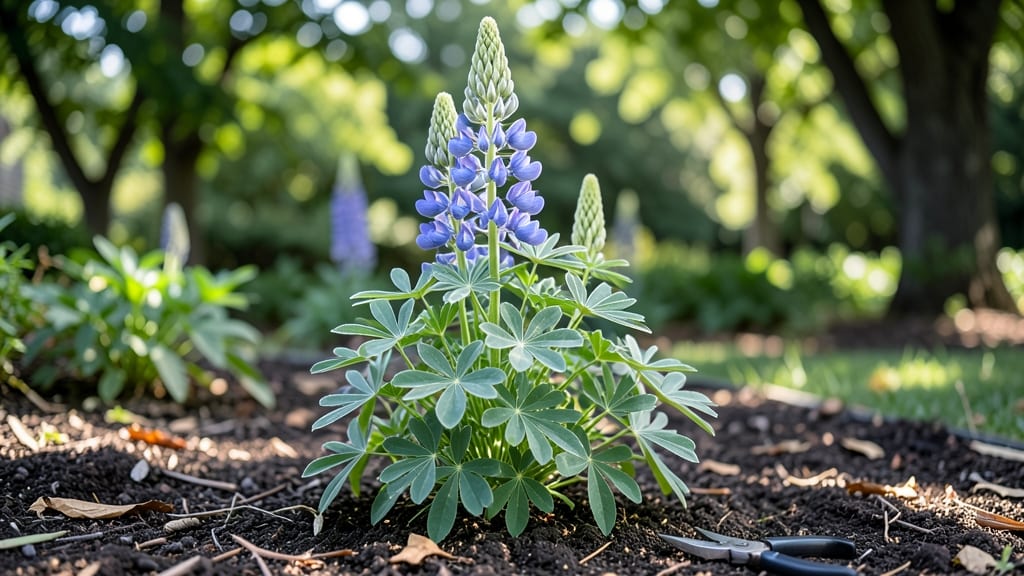
Your lupine before bloom is where the magic of bushier stems and stronger blooms begins—cutting back at the right time transforms leggy plants into showstoppers. 🌿 I’ve watched my lupines go from scraggly to spectacular by mastering this pre-bloom stage, and the secret lies in timing, soil prep, and a few simple pruning tricks most gardeners miss.
The key moment arrives when you spot those first 3-4 inch vertical shoots with tiny seed pods at the base—this is your cue to act.
Before bloom, lupines focus energy on root growth, so well-draining soil with a touch of phosphorus (like bone meal) and regular watering (but not soggy roots) sets the stage. Too much nitrogen now? You’ll get leaves over flowers.
When you prune, snip just above the lowest set of leaves to encourage branching, but hold off if buds are visible—those are your future blooms. The result? Thicker stems, more flowers per stalk, and plants that bounce back from pests like aphids by staying sturdy.
I’ve seen lupines double their bloom count after this step.
This works for all lupine varieties, from tall Russell hybrids to compact dwarf species, and the same principles apply whether you’re growing in full sun or partial shade. The payoff? Lupines that look like they’ve been in the ground for years—not just weeks.
📚 In This Guide
- What you need
- Instructions
- Tips and common mistakes
- Wrapping up and next steps
What you need
- ● Sharp pruning shears or bypass pruners (sterilized, clean blades to prevent disease) – 1 pair
- ● Gloves (gardening or work gloves, nitrile-coated for grip) – 1 pair
- ● Disinfectant solution (70% isopropyl alcohol or 10% bleach water) – small bottle or spray
- ● Garden twine or rubber bands (for tying stems if needed) – small roll
- ● Watering can or hose with a gentle nozzle – 1
- ○ Compost or mulch (optional but recommended for post-pruning care) – 1-2 gallons
- ● Hand lens or magnifying glass (to inspect stems closely for pests/disease)
- ● Pruning saw (for thicker stems, though lupines rarely need it)
- ● Plant marker or labels (if tracking different lupine varieties)
- ● Fertilizer (balanced 10-10-10 or low-nitrogen) (apply after pruning for recovery)
How to prune lupines before bloom for full, bushier plants
Here's the simple method I use to transform leggy lupines into lush, flowering bushes—no guesswork, just proven results.
🌱 Step 1: Wait Until New Growth Appears
Prune lupines in early spring, just as the first 2-3 inches of new growth emerges from the ground. This timing ensures you're cutting back old stems without harming the plant's energy reserves. You'll know it's ready when you see fresh, bright green shoots pushing through the soil.
If you prune too early, you risk cutting back the plant's stored energy. Wait until you can see at least one set of true leaves on the new growth—these are the small, rounded leaves that appear after the initial seed leaves. This usually happens within 2-4 weeks after the last frost, depending on your climate.
✂️ Step 2: Cut Back Old Stems to the Ground
Using clean, sharp pruners, cut all the old stems back to the ground. Lupines are hardy perennials, and they'll regrow from the base. I like to make clean cuts at a 45-degree angle just above a leaf node or bud to encourage new growth from that point.
Don't worry if it looks drastic—lupines bounce back quickly. The goal is to remove all the old, woody stems that took energy away from producing new, healthy growth. You'll see fresh shoots emerging within 1-2 weeks, signaling that the plant is recovering well.
🌿 Step 3: Thin Crowded Shoots for Better Airflow
Once the new growth reaches about 4-6 inches tall, thin out any crowded or weak stems. Lupines need space to grow, and overcrowding can lead to leggy, sparse plants. Aim to leave 3-5 of the strongest, healthiest stems per plant, cutting the rest back to the ground.
This step is where you'll see the difference in bushiness. By removing competing stems, the remaining ones will focus their energy on growing thicker and fuller. You'll notice the stems becoming sturdier and the leaves darker green within a few weeks.
☀️ Step 4: Fertilize and Water for Strong Regrowth
After pruning, give your lupines a boost with a balanced, low-nitrogen fertilizer (like a 10-10-10 or 5-5-5 blend). Lupines fix nitrogen in the soil, so they don't need a lot, but a little extra helps encourage strong new growth. Water deeply right after fertilizing to help the nutrients soak into the soil.
Keep the soil consistently moist but not soggy for the first 4-6 weeks after pruning. You'll see the best results if you water at the base of the plant in the morning, allowing the foliage to dry out during the day. This prevents fungal issues and encourages deep root growth.
⏰ Step 5: Monitor and Adjust for Bushier Blooms
As the new stems grow, keep an eye out for any that look weak or leggy. These are often a sign that the plant isn't getting enough light or nutrients. If you notice this, trim them back again to encourage stronger growth from the base.
By mid-summer, your lupines should be full and bushy, ready to produce an abundance of blooms. The key is patience—lupines grow quickly once they get going, and with the right pruning, you'll have plants that are twice as full as they were before. Enjoy the transformation!
Tips & tricks for perfect lupine pruning before bloom
A few key insights will help you avoid common mistakes and get the bushiest lupines possible.
Timing is Everything: The 2-3 inch new growth rule is non-negotiable—this is when lupines have stored enough energy to regrow. I check for the first bright green shoots after last frost, usually around early April in my zone 6 garden. If you're in a warmer climate, wait until you see those true leaves (the second set after the initial seed leaves) to be safe. The 2-4 week window after frost is your sweet spot for timing.
The 45-Degree Cut Secret: When cutting back old stems in Step 2, that 45-degree angle isn't just for looks—it prevents water from pooling on the cut and causing rot. I use clean pruners and make the cut just above a leaf node or bud. This small detail makes all the difference in how quickly new shoots emerge. Watch for those fresh shoots appearing within 1-2 weeks as your reward for precise cutting.
Thinning Strategy: In Step 3, when you're thinning to 3-5 strongest stems, focus on spacing them evenly around the plant. I like to space them about 2-3 inches apart to maximize airflow. This might seem counterintuitive when you want bushiness, but crowded stems compete for nutrients and light, leading to weaker growth. You'll notice the remaining stems becoming noticeably sturdier within just a few weeks.
Fertilizer Timing: That balanced low-nitrogen fertilizer in Step 4 should be applied immediately after pruning when the plant is most receptive. I've found that lupines actually need very little fertilizer—they're nitrogen-fixing plants! But that small boost right after pruning helps kickstart regrowth. Water deeply right after applying to help the nutrients reach the roots, and you'll see the difference in leaf color within about 10 days.
Pro Tips for Lupine Before Bloom
- A few key insights will help you avoid common mistakes and get the bushiest lupines possible.
- Timing is Everything: The 2-3 inch new growth rule is non-negotiable—this is when lupines have stored enough energy to regrow.
- The 45-Degree Cut Secret: When cutting back old stems in Step 2, that 45-degree angle isn't just for looks—it prevents water from pooling on the cut and causing rot.
Frequently asked questions
Got questions about pre-bloom lupine pruning? You’re not alone! Here are answers to the most common queries—from timing to troubleshooting—to help you master the art of bushier lupines.
When is the best time to prune lupines before they bloom?
Prune lupines before they bloom, ideally in early spring (March–April) when new growth emerges but flowers haven’t appeared yet. This encourages a fuller, more compact plant. Avoid pruning in fall or after blooms appear, as it can stress the plant or reduce next year’s flowers.
How much can I cut back without harming my lupines?
For established lupines, trim back 1/3 to 1/2 of the plant’s height—focus on leggy stems and overcrowded areas. Avoid cutting into old, woody stems, as lupines are perennial and regenerate from the base. Pro tip: Use clean, sharp shears to prevent disease.
What if my lupines don’t bloom after pruning?
If blooms skip a season, it’s often due to over-pruning or nutrient stress. Feed with a balanced fertilizer (10-10-10) in spring, ensure full sun (6+ hours/day), and water deeply but infrequently. Lupines are hardy but need well-draining soil—amend with compost if needed.
Are there alternatives to pruning for bushier lupines?
Yes! If pruning feels risky, try pinching (removing the top 1–2 inches of stems) in early spring or thinning crowded stems at the base. Deadheading spent blooms also redirects energy to foliage growth. For stubborn leggy growth, a light prune in late winter works wonders.
Can I prune lupines in containers differently than in-ground plants?
Container-grown lupines need more frequent pruning (every 2–3 weeks) to prevent root-bound stress. Trim back by 25–30% in early spring, and repot every 2–3 years with fresh, well-draining soil. Containers dry out faster, so monitor moisture—lupines hate soggy roots!
Wrapping up and next steps
Watching your lupines thrive before they bloom is all about timing, precision, and patience—and you’ve got the tools to make it happen! 🌱 By mastering pre-bloom pruning, you’re not just shaping plants; you’re nurturing bushier, healthier, and more vibrant growth for seasons to come.
The key takeaway? Act early, cut strategically, and celebrate the process!
Ready to put your new skills to work? Grab those shears and give your lupines the TLC they deserve—your garden will thank you with a showstopping display of color. Happy pruning! 🌸✂️