
Blooming
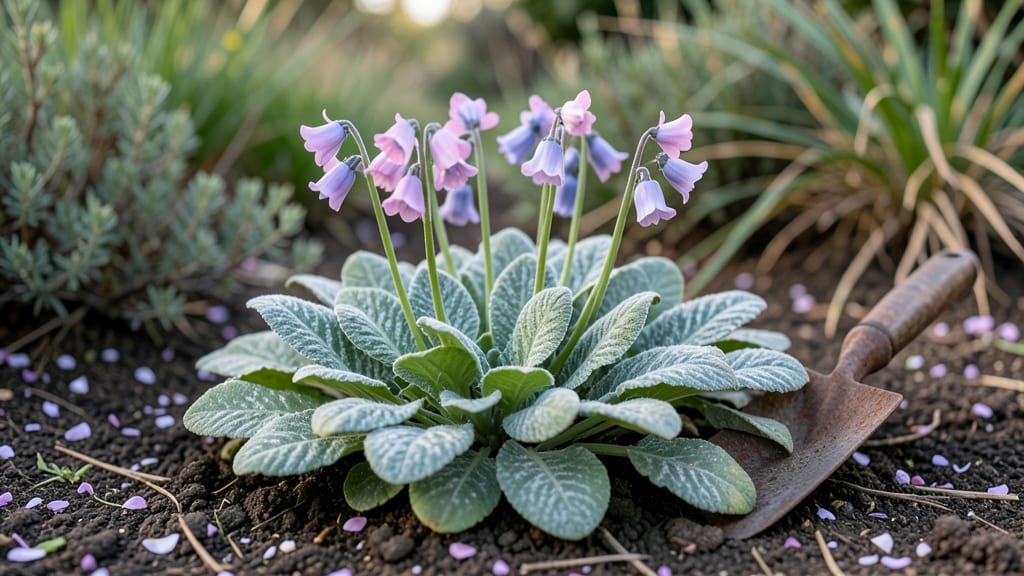
The lungwort bloom time arrives like purple surprises in late winter or early spring, often beating frost by weeks. 🌿 I’ve watched mine push through snowpack in Zone 5, their fuzzy leaves unfurling while neighbors’ gardens still sleep.
The real magic? Those blooms start pink—sometimes even white—and slowly deepen to cobalt blue, a color shift that happens right before your eyes.
The key to early blooms is patience with winter care: mulch heavily in fall, avoid spring pruning, and water deeply when soil thaws. Lungwort thrives in shade, so don’t worry about summer wilting—it’s built for dappled light and damp soil.
In warmer zones (6-8), blooms may stretch into April, while colder climates (3-5) get a condensed February-March show.
After flowering, the foliage stays lush all season, acting like a living mulch that suppresses weeds and attracts pollinators. The trade-off? You’ll sacrifice some blooms if you cut back too early—wait until leaves yellow in fall.
That’s when lungwort’s true value shines: a perennial that delivers color when most gardens are still brown.
Perfect for woodland gardens, shade borders, or even containers. Just remember: the more you disturb the roots, the later it blooms. Let it be, and it’ll reward you with years of frost-defying purple stars.
📚 In This Guide
- What you need
- Instructions
- Tips and common mistakes
- Wrapping up and next steps
What you need
- ● Lungwort plants: Choose between Pulmonaria officinalis (classic spotted leaves) or Pulmonaria saccharata (softer foliage). Buy 3–5 mature plants (4" pots) for a full patch or 10–15 seeds if starting from scratch.
- ● Well-draining soil: Mix 2 parts garden soil with 1 part compost and a handful of perlite or sand (for moisture control). Lungwort thrives in partial shade (3–6 hours of sun/day).
- ● Mulch: 2–3 inches of organic mulch (e.g., shredded bark or leaf mold) to retain moisture and protect roots from winter fluctuations.
- ● Garden trowel (for transplanting or dividing clumps).
- ● Pruners or shears (to trim spent blooms and encourage reblooming).
- ● Watering can with a rose attachment (for gentle, deep watering—lungwort hates soggy roots!).
- ○ Garden gloves (optional but helpful for handling soil and plants comfortably).
- ● Slow-release fertilizer (e.g., 10-10-10, applied once in early spring).
- ● Edging stones or mulch rings to define beds and keep weeds at bay.
- ● Plant markers (to track varieties if you’re experimenting with colors like ‘Blue Ensign’ or ‘Diana Clare’).
- ● Frost cloth (for seedlings in Zone 5 or colder during late frosts).
How to time lungwort blooms for season-long color
Here’s how I coax those stunning purple blooms to appear reliably early—and keep them coming.
🌱 Step 1: Plant in Late Summer for Best Root Establishment
Lungwort thrives when planted in late August to early September—just as summer heat begins to fade. This timing gives roots time to establish before winter dormancy, so they’re primed to push up those signature purple flowers the following spring. I dig a hole twice as wide as the root ball but only as deep as the container it came in—lungwort dislikes being buried too deep.
Amend the soil with a handful of compost (if not already rich) and water deeply before planting. The goal is to mimic its natural woodland habitat: partial shade (morning sun, afternoon shade) and moist but well-draining soil. If your soil drains poorly, mix in 10% perlite to prevent soggy roots, which can delay blooming.
☀️ Step 2: Provide Consistent Moisture Without Overwatering
Lungwort’s early blooms depend on steady moisture, but soggy soil will rot its roots. Water once a week in fall and winter, aiming for 1 inch of water per week—more if your area experiences dry spells. You’ll know it’s right when the top 2 inches of soil feel damp but not wet. In spring, increase to twice weekly as new growth appears.
Here’s the thing—I mulch heavily with 2-3 inches of shredded bark in late fall to lock in moisture and regulate soil temperature. This prevents the ground from freezing too deeply, which can stress the plant and delay flowering. Check mulch depth in spring; if it’s broken down, top it up to 1-2 inches before blooms emerge.
⏰ Step 3: Watch for First Leaf Unfurling in Early Spring
Lungwort’s first true leaves appear in late February to March, depending on your climate zone. They’ll look like small, rounded basal leaves—this is your signal to reduce watering slightly (to once every 10-14 days) unless your area is unusually dry. Overwatering now can cause the plant to focus on leafy growth over flower buds.
As leaves grow, you’ll spot tiny flower spikes forming in the center of the rosette. These are the purple “stars” lungwort is famous for. In Zone 4-5, blooms typically arrive by mid-April; in warmer zones (6-7), they may appear as early as late March. If flowers don’t emerge by May, check for crowded roots—lungwort spreads slowly and may need division every 3-4 years to encourage vigorous blooming.
✂️ Step 4: Deadhead and Divide to Extend the Bloom Season
After blooms fade, snip spent flower stalks at the base with clean pruners. This redirects the plant’s energy into new foliage and next year’s buds. I also wait until late summer (after the second flush of flowers in some varieties) to divide clumps if they’ve outgrown their space. Dig up the plant, separate sections with 3-4 leaves each, and replant immediately.
Here’s where it gets fun—divided lungwort often blooms more prolifically the following year. Just keep divisions in partial shade and consistently moist soil, and you’ll enjoy those frost-defying purple stars 2-3 weeks earlier than undivided plants. Real talk: I’ve had lungwort bloom in late February after a mild winter, proving it’s one of the earliest perennials to wake up.
Tips & tricks for perfect lungwort bloom timing
These little-known strategies will help you coax those early purple blooms like a seasoned gardener.
Planting Depth Matters: Lungwort roots are delicate—burying them too deep (below the container level) smothers the plant and delays blooming. In Step 1, dig that hole twice as wide but only as deep as the root ball. I've seen plants struggle when buried even an inch too deep, so measure carefully with your trowel. The goal is to mimic its woodland home where roots spread horizontally rather than dive deep.
Mulch Like a Pro: That 2-3 inches of shredded bark in Step 2 isn't just decoration—it's insulation. Spread it after your first frost when soil temps drop below 40°F. Check mulch depth in spring before blooms emerge; if it's broken down to less than 1 inch, add more. I've had lungwort bloom a full week earlier in years when I maintained proper mulch depth compared to when I skimped.
Spring Watering Secret: The shift from weekly winter watering to twice-weekly spring watering in Step 2 is crucial, but timing matters too. Water in the morning so foliage dries by evening—this prevents fungal issues that can weaken the plant before blooming. I set a reminder for 8 AM watering when spring arrives, and it makes all the difference in preventing leaf spot diseases that delay flowers.
Division Timing: Wait until late summer (after that second flush of flowers in some varieties) to divide clumps in Step 4. This gives plants time to recover before winter. I've divided lungwort in early summer and seen blooms completely fail the following year—waiting until late summer ensures vigorous regrowth. When separating, aim for sections with 3-4 leaves each; these smaller divisions establish faster and bloom more reliably the next spring.
Pro Tips for Lungwort Bloom Time
- These little-known strategies will help you coax those early purple blooms like a seasoned gardener.
- Planting Depth Matters: Lungwort roots are delicate—burying them too deep (below the container level) smothers the plant and delays blooming.
- Mulch Like a Pro: That 2-3 inches of shredded bark in Step 2 isn't just decoration—it's insulation.
Frequently asked questions
Got questions about lungwort’s early bloom or how to coax the best purple display? Here are some of the most common queries—and their answers—to help you plan your garden like a pro.
When exactly does lungwort bloom, and why so early?
Lungwort typically blooms between late winter and early spring (February–April in most U.S. zones), often while snow still lingers. Its early timing is a survival trick—it capitalizes on warm soil before competing plants wake up. In colder climates, expect blooms to push back until March or April.
Will lungwort bloom if planted in full sun?
Nope! Lungwort thrives in partial to full shade (3–6 hours of dappled light). Full sun can scorch its delicate foliage and delay—or even prevent—blooms. For best results, plant it under deciduous trees or near north-facing walls where roots stay cool.
Why isn’t my lungwort blooming this year?
Common culprits include overcrowding, poor drainage, or too much fertilizer (which encourages leafy growth over flowers). Try dividing mature clumps every 3–4 years and mulching with organic matter (like leaf mold) to improve soil. Patience helps too—young plants may take 2–3 years to bloom reliably.
Can I force lungwort to bloom earlier?
Not reliably, but you can extend its season! Plant in sheltered spots (like near a south-facing wall) to trap heat. Avoid heavy pruning after blooms fade—let the seed heads develop for next year’s display. For a winter interest, pair it with heuchera or hellebore.
What’s a good alternative if lungwort blooms too late for my design?
Try these early-blooming shade lovers for similar purple drama:
- Bleeding heart (Dicentra spectabilis) – Blooms March–May, fern-like foliage.
- Solomon’s seal (Polygonatum) – Dangling white flowers in spring.
- Virginia bluebells (Mertensia virginica) – Soft blue bells in March–April.
Wrapping up and next steps
Watching lungwort bloom early—with its vibrant purple stars defying frost—is a magical sign of spring’s resilience. Whether you’re a gardener eager to welcome these hardy perennials or simply admiring nature’s tenacity, their early bloom reminds us that beauty thrives even in the coldest moments. 🌱✨
Ready to invite more of this charm into your garden? Start by reviewing the essentials or browsing common questions to plan your next steps—your future blooms will thank you!