
Light Requirements
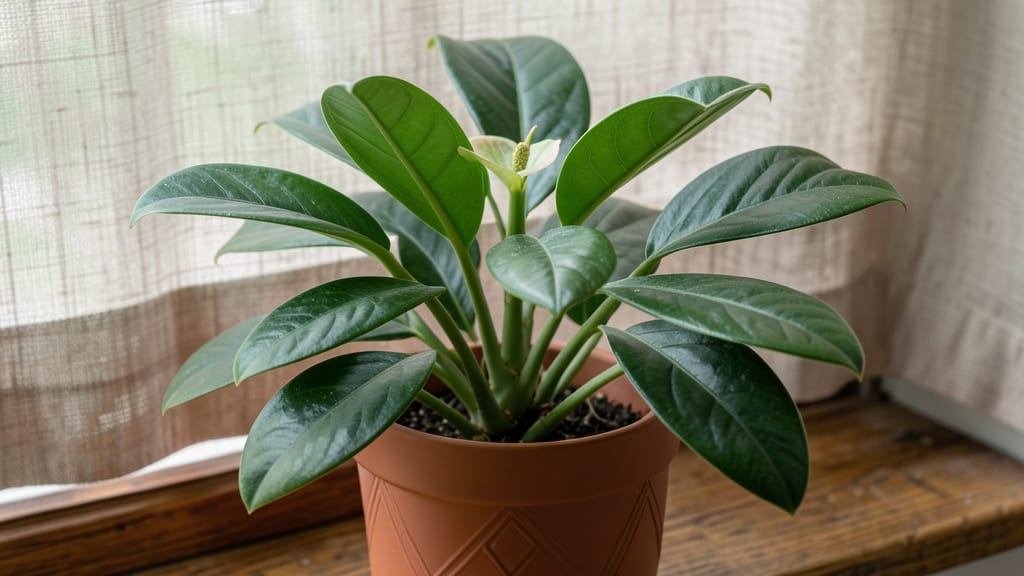
Low light blooming houseplants prove you don’t need a sun-drenched windowsill to enjoy vibrant flowers. 🌸 My first Peace Lily bloomed last winter in a corner that got just a few hours of indirect light—something I never thought possible.
The secret lies in choosing the right plants and tweaking care just enough to encourage those stunning blooms without overwhelming them.
These plants thrive with minimal fuss: Peace Lilies, Anthuriums, and even ZZ Plants (which occasionally surprise you with tiny blooms). The key is consistent moisture (but never soggy soil) and occasional fertilizer during growing seasons.
Most need bright, indirect light—think 10-20 feet from a window—but some, like Snake Plants, tolerate near-darkness while still producing occasional flowers. The payoff? Lush foliage and unexpected blooms that brighten even the dimmest rooms.
You’ll notice the difference within weeks: glossy leaves, sturdy stems, and—if you’re lucky—those first delicate blossoms. The Anthurium’s heart-shaped flowers last for months, while Peace Lily blooms add a touch of elegance with their white, candle-like spikes.
Even the ZZ Plant’s rare blooms are a reward for patience, appearing as tiny white flowers on tall stems. These plants don’t just survive low light—they thrive in it.
Whether you’re styling a cozy living room, a dimly lit office, or a bedroom corner, these plants adapt beautifully. Group them with other low-light lovers like Pothos or Philodendrons for a lush, layered look.
The trick is to rotate them occasionally so all sides get even light exposure—this keeps them balanced and encourages blooming. With the right care, your space will feel alive, even when sunlight is scarce.
📚 In This Guide
- What you need
- Instructions
- Tips and common mistakes
- Wrapping up and next steps
What you need
- ● Low-light blooming houseplants: 1–3 plants (e.g., Peace Lily (Spathiphyllum), Anthurium, African Violet (Saintpaulia), or Zebra Plant (Aphelandra)). Choose based on your space and care preferences!
- ● Well-draining pots: 1–2 pots per plant (6–12 inches in diameter, with drainage holes). Terracotta or ceramic work great!
- ● High-quality potting mix: 1–2 bags of well-draining, peat-based or coco coir mix (avoid heavy garden soil). Look for blends labeled for indoor plants.
- ● Watering can or spray bottle: A gentle spray bottle for misting (especially for humidity-loving plants like African Violets).
- ○ Grow lights (optional but helpful): 1–2 LED grow lights (10–20 watts per plant, adjustable height). Look for full-spectrum bulbs for blooming plants.
- ● Humidity tray or pebble tray: Elevates moisture levels for tropical bloomers.
- ● Plant food: A balanced liquid fertilizer (e.g., 10-10-10 or 20-20-20) for blooming plants. Dilute to half-strength!
- ● Plant supports: Small stakes or moss poles for vining plants like Philodendrons or Pothos.
- ● Soil moisture meter: Avoids over/under-watering guesswork!
How to select and care for low light blooming houseplants
Here’s my go-to approach for keeping these shade-loving beauties thriving indoors.
🌱 Step 1: Choose the Right Species for Your Space
Not all low-light plants bloom—focus on proven performers like peace lilies (Spathiphyllum), African violets (Saintpaulia), or begonias (Begonia). These varieties tolerate 100-200 feet-candles of light (about 10-20 feet from a north-facing window) and still produce vibrant flowers.
Check the plant’s leaf color—dark green leaves indicate it’s adapted to lower light, while bright or variegated foliage often signals higher light needs. I always test a plant’s light tolerance for a week before committing—if leaves yellow or droop, it’s not the right match.
💧 Step 2: Master the Watering Balance
Low-light plants grow slower, so they need less frequent watering—typically every 7-10 days when the top 1-2 inches of soil feel dry. Overwatering is the #1 killer; I use my finger to check moisture rather than relying on a schedule.
Use room-temperature water and water until it drains from the bottom holes. Let excess water sit in the saucer for 10 minutes, then empty it—soggy roots will rot even in low light. Peace lilies, for example, wilt slightly when thirsty but bounce back within hours of proper watering.
☀️ Step 3: Optimize Light Without Direct Sun
Rotate plants quarter-turn weekly to prevent lopsided growth toward any available light. If flowers fade quickly, the plant isn’t getting enough light—try moving it 4-6 inches closer to the window or supplement with a grow light (12-14 hours/day at 2,000-3,000 lumens).
North-facing windows are ideal, but east or west exposures work too—just avoid south-facing spots, which can scorch leaves. I’ve seen African violets bloom nonstop under cool fluorescent lighting in offices, proving they’re adaptable.
✂️ Step 4: Prune and Fertilize for Continuous Blooms
Deadhead spent blooms every 2-3 weeks to encourage new flowers—this applies to African violets and begonias. Use clean, sharp scissors to snip stems just above the leaf node. For peace lilies, I trim yellow leaves at the base to redirect energy to flowering.
Feed monthly with a balanced liquid fertilizer (10-10-10) diluted to half-strength during spring and summer. In fall/winter, reduce to every 6-8 weeks—these plants rest in cooler months. Over-fertilizing causes salt buildup, which stunts growth.
🪴 Step 5: Monitor for Pests and Adjust Conditions
Low-light plants are less pest-prone, but spider mites and mealybugs can still appear. Wipe leaves with a damp cloth weekly to remove dust and deter pests. If you spot webbing or cottony residue, isolate the plant and treat with neem oil (mix 1 tsp per quart of water).
Humidity matters—most blooming houseplants thrive at 40-60% humidity. Group plants together or use a pebble tray with water to boost moisture. If leaves crisp at the edges, increase humidity immediately—this is a classic sign of dry air stress.
Tips & tricks for perfect low light blooming houseplants
Here's what nobody tells you about keeping these shade-loving beauties thriving indoors.
Species Selection: When choosing between peace lilies, African violets, and begonias, consider your space's specific light conditions. Peace lilies are the most forgiving—they'll even tolerate fluorescent lighting, making them perfect for offices. African violets, however, need slightly brighter indirect light to produce their signature blooms. I've found that begonias with waxy leaves handle low light better than those with thin foliage.
Watering Wisdom: The 7-10 day watering schedule works best when your home maintains consistent temperatures. In winter, when indoor air gets drier from heating systems, you might need to water every 10-12 days. Always check moisture by inserting your finger 1-2 inches into the soil—this prevents both underwatering and the dreaded root rot from overwatering. I've learned the hard way that peace lilies' slight wilting is actually a thirst signal, not a distress call!
Light Optimization: That quarter-turn weekly rotation isn't just about aesthetics—it's crucial for even growth. I've seen plants develop lopsided shapes when consistently facing one light source. For the 12-14 hours of grow light, position it 6-12 inches above the plant (closer for smaller varieties like African violets). The 2,000-3,000 lumen range is ideal, but even a basic LED bulb can work if placed properly—just avoid cheap grow lights that emit too much heat.
Pruning Strategy: When deadheading every 2-3 weeks, don't just snip the flowers—cut back to the first set of healthy leaves. This encourages bushier growth and more blooms. For peace lilies, I've found that removing just the yellow leaves (not the entire leaf) gives them enough energy to produce those iconic white spathe flowers without stressing the plant. Always use clean scissors to prevent spreading disease.
Pro Tips for Low Light Blooming Houseplants
- Here's what nobody tells you about keeping these shade-loving beauties thriving indoors.
- Species Selection: When choosing between peace lilies, African violets, and begonias, consider your space's specific light conditions.
- Watering Wisdom: The 7-10 day watering schedule works best when your home maintains consistent temperatures.
Frequently asked questions
Got questions about keeping your low-light bloomers happy and blooming?
You’re not alone! Here are answers to the most common queries—so you can enjoy those gorgeous flowers without the sun struggle.
What are the best low-light blooming plants for beginners?
Start with Peace Lilies, African Violets, or Cast Iron Plants—they’re forgiving and thrive in dim corners. For bold blooms, try Anthuriums or Zebra Plants. Just avoid direct sunlight, and you’re golden!
How often should I expect flowers from low-light plants?
Blooming frequency varies! African Violets may flower every 6–8 weeks with consistent care, while Peace Lilies bloom sporadically (1–2 times a year). Patience is key—over-fertilizing can stress them out.
Why isn’t my low-light plant blooming?
Check these fixes:
- Light: Even "low light" needs bright indirect light (e.g., near a north-facing window).
- Fertilizer: Use a balanced, diluted houseplant fertilizer every 4–6 weeks during growing season.
- Stress: Sudden temperature drops or drafts can halt blooms.
Can I grow blooming plants under artificial lights?
Yes! Use full-spectrum LED grow lights (6–8 hours/day) for plants like Gloxinias or Bromeliads. Keep lights 6–12 inches away to mimic natural light. Just avoid cool-white bulbs—they’re too harsh!
What if my plant’s leaves look sad but it’s still blooming?
Yellowing leaves? It’s often a sign of overwatering or root rot. Let the top inch of soil dry out between waterings, and repot in well-draining mix if needed. Blooms first? Prioritize roots—trim wilted leaves to redirect energy.
Are there any toxic blooming low-light plants?
Yes! Peace Lilies and Philodendrons are toxic to pets if ingested. Opt for Spider Plants or Boston Ferns if you’ve got furry friends. Always research before bringing plants home!
Wrapping up and next steps
Bringing life and color to your space doesn’t require a sun-soaked windowsill!
With the right low light blooming houseplants, you can enjoy vibrant blooms and lush foliage—even in dimly lit corners. 🌿 From the elegant Peace Lily to the cheerful African Violet, these plants prove that beauty thrives with minimal sunlight.
Ready to transform your home? Start by choosing a plant that matches your lighting conditions, then give it the care it needs to flourish. Your next step? Pick one of these stunning varieties and watch your space bloom with effortless charm!