
Blooming
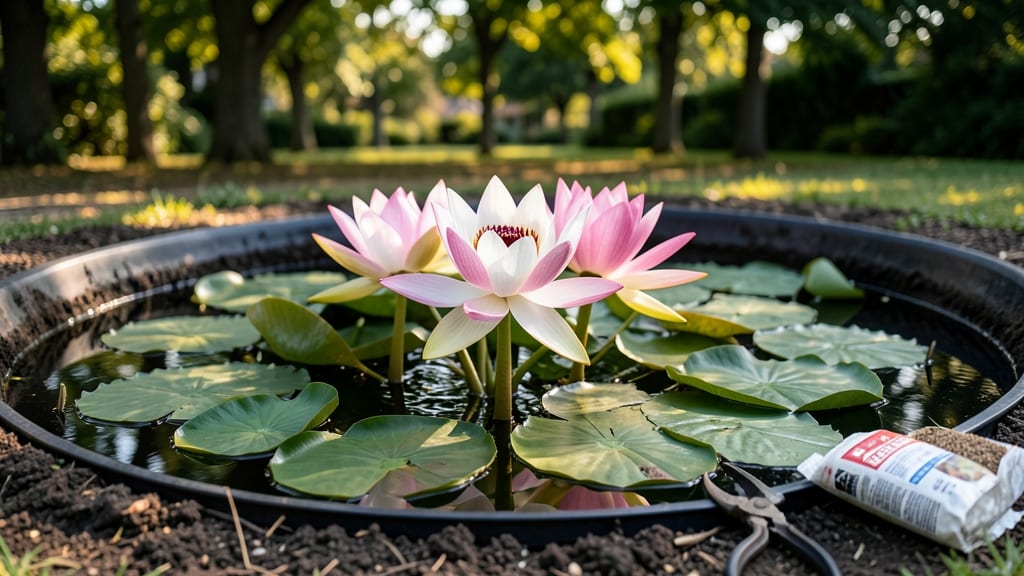
Water lilies transform ponds into floating gardens when their pads bloom in summer. 🌸 I’ve watched my first batch of blooms emerge in early June, their delicate petals unfurling like nature’s own confetti.
The magic happens when sunlight, warmth, and patience align—though timing shifts depending on your zone and water temperature.
Most gardeners plant in spring when water reaches 60°F, but blooms won’t appear until late May or June. Southern climates may see earlier blooms, while colder regions might wait until July. The key? Consistent sunlight (6+ hours daily) and clean, shallow water—never deeper than 12 inches for hardy varieties.
With the right care, you’ll enjoy blooms for 6-8 weeks, their fragrance drawing bees and dragonflies. Deadhead spent blooms to encourage more flowers, and fertilize lightly in early summer. Even in small containers, these plants create a serene focal point that rivals any garden bed.
Regional tweaks matter: Northern gardeners may need to overwinter tubers, while tropical zones can enjoy year-round blooms. Here’s how to keep yours thriving through the season.
📚 In This Guide
- What you need
- Instructions
- Tips and common mistakes
- Wrapping up and next steps
What you need
- ● Hardy Water Lilies or Water Hyacinths: 3–5 tubers or rooted plants (depending on pond size; start with 1 per 10 sq. ft. for coverage)
- ● Species recommendations: Nymphaea (true water lilies), Victoria amazonica (giant lilies), or Eichhornia crassipes (water hyacinth)
- ● Floating Platforms or Lily Pads: 6–10 pre-made foam or coconut fiber pads (12–18" diameter) or DIY options (see below)
- ● DIY alternative: Balsa wood or lightweight plastic sheets (cut to size)
- ● Pond or Container: Minimum 12" depth (deeper for tropical species like Victoria)
- ● Size: 4’ x 4’ minimum (larger for full blooms; adjust based on plant count)
- ● Gravel or Pebbles: 5–10 lbs (for anchoring roots and aeration)
- ● Water Fertilizer: 1–2 slow-release tablets (e.g., Aquascape or Pond Logic)
- ● Tools: Garden trowel or small shovel
- ● Scissors or pruning shears (for trimming roots)
- ● Measuring tape (for spacing)
- ● Decorative Elements: Miniature bridges, stones, or solar-powered lights for ambiance
- ● Floating plants like water lettuce or duckweed (for texture)
- ● Pond Accessories: UV filter (to prevent algae) 💡
- ● Fountain or aerator (for oxygenation)
- ● Seasonal Care: Winterizing blanket (for colder climates)
- ● Algae control (barley straw or liquid treatments)
Instructions for creating a thriving floating lily pad garden
Here's how to transform your pond into a lush, blooming aquatic oasis—step by step.
🪴 Step 1: Select and Prepare the Right Water Body
Lily pads thrive in 6-12 inches of still water with full sun exposure (6+ hours daily). Avoid areas with strong currents or deep shade—these plants need warmth and calm to establish roots. I test water depth by tossing a weighted string; if it doesn't touch bottom at 12 inches, the spot works perfectly.
For existing ponds, clear debris from the planting zone first. Use a pond net to scoop out leaves and sediment, then rinse the area with clean water. This prevents rot and gives roots room to spread. If your water is murky, add a small aquatic clarifier (like barley straw) a week before planting—it improves clarity naturally.
🌱 Step 2: Choose and Acclimate Lily Pad Tubers
Select hardy varieties like Nymphaea odorata (fragrant white blooms) or Nuphar lutea (golden-yellow flowers) for reliable performance. I buy tubers from specialty aquatic nurseries in early spring, when they're still dormant but plump. Soak them in lukewarm water for 24 hours before planting to wake up the roots.
Gently separate tubers if you have multiple—each should have at least one visible eye (growth node). Plant them 6-12 inches apart in shallow water, pressing them just below the surface so the top remains exposed. Use a small weight (like a smooth river rock) to anchor them temporarily until roots take hold.
☀️ Step 3: Optimize Sunlight and Nutrient Conditions
Lily pads need direct sunlight for 6+ hours daily to produce vibrant blooms. If your pond has partial shade, choose smaller varieties like Nymphaea tetragona (dwarf white lily) that tolerate 4-6 hours of sun. You'll see leggy growth or sparse blooms if light is insufficient—this is your cue to relocate plants.
Add a slow-release aquatic fertilizer tablet (like Osmocote Pond) to the planting zone to boost nutrient availability. I place one tablet per 10 square feet of water surface, securing it with a mesh bag. Avoid over-fertilizing—excess nutrients cause algae blooms that smother lily pads.
💧 Step 4: Maintain Water Quality and Prune Strategically
Check water quality weekly by testing pH (ideal range: 6.5-7.5) and ammonia levels (should be 0 ppm). Lily pads are sensitive to chemical imbalances—cloudy water or fish odor means it's time to perform a partial water change. I replace 10-20% of the water monthly during peak growing season (May-September).
Deadhead spent blooms by pinching them off at the base to encourage new flowers. Thin dense foliage in early summer if pads overlap—this prevents disease and improves air circulation. I use sterilized scissors to trim back one-third of the oldest leaves, leaving the healthiest growth intact.
⏰ Step 5: Overwinter and Prepare for Next Season
As temperatures drop below 50°F, lily pads enter dormancy. Stop fertilizing and reduce maintenance to weekly checks. In colder climates (zones 5-7), harvest tubers by lifting them with a pond rake and storing them in moist peat moss at 40-50°F until spring.
In warmer zones (8+), mulch the water surface with 1-2 inches of aquatic compost to protect roots. I cover the pond with a floating shade cloth during winter storms to prevent debris buildup. Come spring, you'll see new shoots emerge within 2-3 weeks—that's your signal to resume care.
Tips & tricks for perfect floating lily pad gardens
Here's what I've learned after years of growing these stunning aquatic plants—tricks that'll make your pond transformation even more successful.
Sunlight Strategy: While the instructions mention 6+ hours of sun, I've found that morning sun (6-9 AM) is more effective than harsh afternoon rays. Position your lily pads to catch that gentle morning light first—it helps prevent leaf scorch while still providing the energy they need for blooming. If your pond has partial shade, consider adding a small solar-powered water feature nearby; the gentle movement can actually improve light penetration to shaded areas.
Tuber Selection Tip: When choosing tubers in Step 2, look for ones that feel heavy for their size—this indicates they're well-hydrated and full of stored energy. I also recommend selecting tubers with multiple eyes (growth nodes) rather than just one; these will produce multiple stems and more blooms. Store any extras in a damp paper towel in the fridge until ready to plant.
Water Quality Watch: The instructions mention testing pH weekly, but I've learned that ammonia levels are even more critical. If you have fish in your pond, perform a 25% water change every two weeks during peak growing season (May-September) to keep ammonia at 0 ppm. I also add a small dose of beneficial bacteria (like Microbe-Lift) monthly to help break down any waste before it becomes problematic.
Overwintering Hack: For colder climates, I've developed a simple overwintering system: I place the harvested tubers in a mesh bag filled with moist peat moss, then suspend the bag in a shallow tub of water in my garage. This mimics their natural aquatic environment while keeping them cool (40-50°F). The water level should just cover the tubers—this prevents them from drying out during dormancy.
Pro Tips for Lily Pads Bloom
- Here's what I've learned after years of growing these stunning aquatic plants—tricks that'll make your pond transformation even more successful.
- Sunlight Strategy: While the instructions mention 6+ hours of sun, I've found that morning sun (6-9 AM) is more effective than harsh afternoon rays.
- Tuber Selection Tip: When choosing tubers in Step 2, look for ones that feel heavy for their size—this indicates they're well-hydrated and full of stored energy.
Frequently asked questions
Got questions about growing lily pads? You’re not alone!
Whether you’re a beginner or a seasoned water gardener, these answers will help you create the perfect floating oasis.
How long does it take for lily pads to bloom after planting?
Patience is key! Hardy lily pads like Nymphaea or Nuphar typically take 4–8 weeks to sprout leaves after planting tubers. Blooms arrive 6–12 weeks later, depending on sunlight, water temperature (65–85°F is ideal), and species. Tropical varieties bloom faster but need warmer water.
Can lily pads survive winter in cold climates?
Most hardy lily pads (Zone 3–10) go dormant in winter but return yearly. In freezing temps (<32°F), bury tubers in pond mud (6–12 inches deep) or lift them into a cooler (35–45°F). Tropical species need overwintering indoors. Pro tip: Add a pond heater or thick mulch to protect roots!
Are lily pads safe for ponds with fish or frogs?
Lily pads create shade and shelter for fish, frogs, and tadpoles while filtering algae. Just avoid invasive species like water hyacinth. Tip: Start with hardy natives (e.g., Nymphaea odorata) to support local ecosystems.
Why aren’t my lily pads blooming this year?
No blooms? Check these fixes:
- Light: Needs 6+ hours of direct sun daily.
- Water depth: Tubers should sit 1–3 feet deep (shallow = stress).
- Fertilizer: Use low-nitrogen pond tabs in spring.
- Age: Young tubers may wait 2+ years for first blooms.
If leaves are yellowing, test water for pH (6.5–7.5) and nutrients.
What’s a good alternative if lily pads don’t thrive in my pond?
Try these low-maintenance floating plants:
- Water lettuce (fast-growing, tropical).
- Duckweed (tiny but effective for algae control).
- Water hyacinth (vigorous bloomer, but check local laws—it’s invasive in some areas!).
- Water lilies (non-floating) for rooted coverage.
Tip: Mix species for texture and pollinator appeal!
Wrapping up and next steps
Transforming your pond or water garden into a lily pad paradise isn’t just about beauty—it’s about creating a thriving, self-sustaining ecosystem that brings joy with every bloom. 🌸 From selecting the perfect varieties to mastering care tips, you now have all the tools to make your water garden flourish.
The key? Patience and passion—just like watching those first lily pads unfurl!
Ready to dive in? Start small—pick one or two varieties to test, then expand as you gain confidence. Your pond’s magic is just a season away! Happy planting! 🌊✨