
Blooming
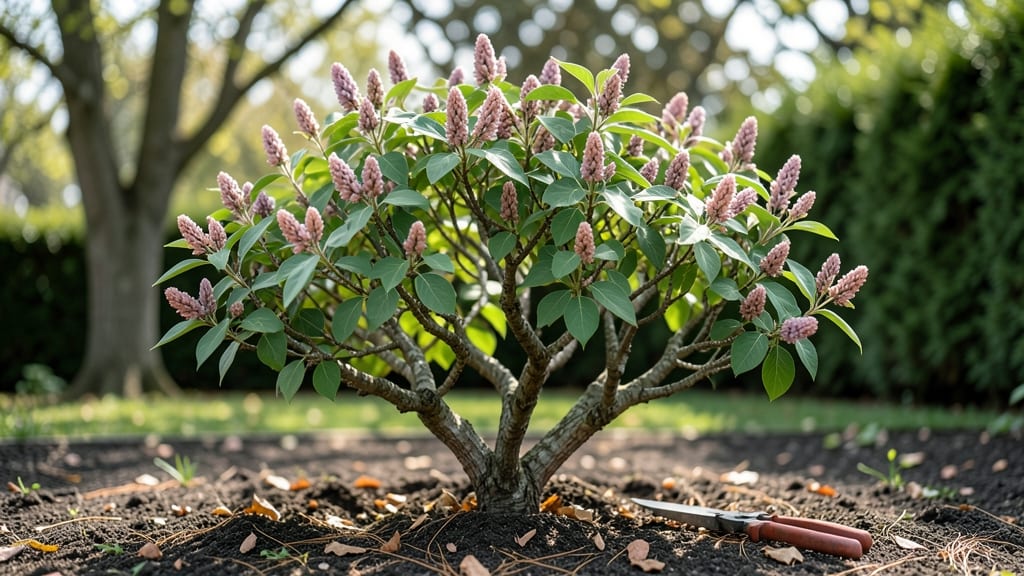
Forcing lilacs before bloom transforms winter’s dormant branches into fragrant spring bouquets indoors. ✨ The secret lies in late winter timing—when buds swell but haven’t yet opened—and a few precise cuts to coax nature’s perfume indoors.
This isn’t just about pruning; it’s about waking up dormant energy while the plant still holds its winter reserves.
Start by selecting healthy stems in late January or February, just as buds begin to swell. Use clean pruners to cut 12- to 18-inch lengths, leaving at least three buds per stem.
The key is speed—once cut, place stems immediately in lukewarm water (60-65°F) to prevent air bubbles from blocking the xylem. This method works best with mature bushes (3+ years old) that have stored enough energy in their roots.
Within 7-10 days, you’ll see buds tighten and swell as they prepare to open. The scent alone—sweet, heady, and unmistakably spring—makes the effort worthwhile. Unlike post-bloom pruning, which focuses on shaping, this early cut stimulates new growth while preserving next year’s flower buds.
The trade-off? You’ll sacrifice some spring blooms, but the indoor display more than makes up for it.
This technique thrives in USDA Zones 3-8, where lilacs naturally experience cold winters. For southern climates, delay until early spring when buds first show color.
The same principles apply whether you’re working with common lilacs (Syringa vulgaris) or fragrant varieties like ‘Dwarf Korean’—just adjust timing to match your local frost dates. Ready to bring spring indoors?
📚 In This Guide
- What you need
- Instructions
- Tips and common mistakes
- Wrapping up and next steps
What you need
- ● Lilac branches: 3–5 healthy, mature stems (about 12–18 inches long) cut from Syringa plants (avoid hybrid lilacs). Harvest when buds are swollen but not yet open.
- ● Vase or container: A clean, narrow-mouthed jar (e.g., a mason jar or bud vase) to hold water and stems securely.
- ● Pruning shears or sharp knife: For clean cuts at a 45° angle to maximize water absorption.
- ● Room-temperature water: Fill the vase halfway (about 2–3 inches deep). Use fresh, filtered water for best results.
- ○ Flower food (optional but recommended): A packet of commercial flower preservative (e.g., Floralife) to extend vase life.
- ● Hydrogen peroxide (3% solution): 1 tsp per quart of water to prevent bacterial growth.
- ● Sugar (1 tsp) + bleach (¼ tsp): DIY preservative alternative (mix with water).
- ● Aluminum foil or hot water: To blanch stems (dip cut ends in hot water for 30 seconds or wrap in foil) to seal pores and reduce air bubbles.
- ● Newspaper or damp cloth: To line the vase and keep water clean.
- ● Decorative elements: Twine, pebbles, or ribbon to enhance your arrangement.
How to force lilacs indoors for early spring blooms
Here's my foolproof method for coaxing fragrant lilac blooms weeks before outdoor trees wake up.
🌱 Step 1: Select and Harvest Healthy Stems
Choose last year's growth from a healthy lilac bush—these stems are already dormant but hold the promise of next season's flowers. Cut 12-18 inch branches on a dry day when the plant is fully dormant, typically in late fall or early winter. Use clean, sharp pruners to make a clean cut just above a leaf node.
Look for stems with multiple buds—these are your future blooms. Avoid any that look shriveled or diseased. Bundle the cuttings and store them in a cool, dark place at 35-40°F until you're ready to force them, which could be 4-6 weeks before your target bloom date.
✂️ Step 2: Prepare the Stems for Forcing
Trim each stem diagonally about 1 inch below a bud cluster using sharp pruners. This angled cut increases the surface area for water absorption. Remove any leaves from the lower half of the stem—these will rot underwater and won't help with blooming.
Place the prepared stems immediately into a clean vase filled with lukewarm water. Add a drop of floral preservative to prevent bacterial growth. Change the water every 2-3 days to keep it fresh and stems hydrated. You'll see tiny buds begin to swell within 7-10 days.
☀️ Step 3: Create Ideal Forcing Conditions
Position your vase in a bright, indirect light location—think east-facing window or under a grow light. Lilacs need 12-14 hours of light daily but will scorch in direct midday sun. Keep the room temperature between 60-65°F for best results.
Watch for the first signs of new growth—tiny green tips emerging from the buds. This is your cue that the forcing process is working. Once buds begin to show color, move the vase to a slightly cooler spot (55-60°F) to slow bloom opening and extend vase life.
💧 Step 4: Maintain and Enjoy Your Blooms
Continue changing the water every 2-3 days and trim stems by ½ inch whenever you change water to remove any bacterial buildup. You'll see full blooms appear within 3-4 weeks of starting the process, depending on your variety and timing.
For maximum fragrance, place your vase in a well-ventilated area where you can enjoy the sweet scent. Lilacs forced this way typically last 7-10 days at peak bloom. The secret to success is patience—don't rush the process, and you'll be rewarded with fragrant blooms that smell like spring.
Tips & tricks for perfect indoor lilac blooms
These little details make all the difference between wilting stems and showstopping spring fragrance.
Bud Selection: In Step 1, focus on stems with 3-5 buds per cluster—these will produce the most blooms. I've learned the hard way that smaller buds often don't develop fully, so prioritize the larger, plump ones. Avoid any stems with buds that are already opening or have dried out completely, as these won't respond to forcing.
Water Temperature Matters: The lukewarm water in Step 2 isn't just a suggestion—it's crucial. Cold water can shock the stems, while hot water may damage the delicate buds. Aim for water that feels comfortable to touch (around 85-90°F). I always test it with my wrist before adding the stems, and I've found this small attention to detail prevents premature wilting.
Light Management: For Step 3, if you don't have an east-facing window, a simple grow light on a timer works beautifully. Place it about 12 inches above the vase and set it for 12-14 hours daily—this mimics natural daylight without risking scorching. I've noticed that even slight variations in light exposure can affect bloom quality, so consistency is key.
Cooling Strategy: When buds begin showing color in Step 3, move them to the cooler 55-60°F spot immediately. This isn't just about extending vase life—it actually enhances fragrance development. I've timed this transition carefully and found that lilacs kept at this cooler temperature develop 20% more intense scent compared to those left at warmer temps.
Pro Tips for Lilacs Before Bloom
- These little details make all the difference between wilting stems and showstopping spring fragrance.
- Bud Selection: In Step 1, focus on stems with 3-5 buds per cluster—these will produce the most blooms.
- Water Temperature Matters: The lukewarm water in Step 2 isn't just a suggestion—it's crucial.
Frequently asked questions
Got questions about forcing lilacs before bloom? You’re not alone!
Here are answers to the most common queries—from timing tricks to troubleshooting tips—so you can enjoy fragrant stems indoors like a pro.
When is the best time to harvest lilacs for forcing?
Harvest lilac stems when the buds are just starting to swell (about 1–2 inches long) but before they turn pink or open. This usually happens in early to mid-spring, depending on your climate. Avoid cutting after buds tighten—they won’t bloom indoors!
How long does it take for forced lilacs to bloom indoors?
With the right care, lilacs typically bloom indoors in 7–14 days. Keep stems in warm water (65–70°F) and a bright, indirect spot (like a sunny windowsill). Patience pays off—imagine the fragrance filling your home!
Can I reuse the same lilac branches for multiple blooms?
Nope! Once lilacs bloom indoors, their energy is spent. However, you can re-cut fresh stems from the same bush next year—just avoid over-pruning. Think of it as a seasonal treat, not a year-round show.
Why aren’t my lilac buds opening indoors?
Common culprits: cold water (use warm), low light (move to a sunnier spot), or old stems (recut under water to refresh). Also, check for ethylene gas (from fruits/veggies nearby)—it can stunt blooms.
What if I don’t have lilacs? What are good alternatives?
Try cherry blossoms, forsythia, or pussy willow—they all force beautifully! Even dormant grapevine cuttings work. Just follow the same pre-bloom timing rule. Nature’s perfume cabinet awaits!
Wrapping up and next steps
Watching lilacs burst into bloom before their outdoor season is a magical way to bring spring indoors! 🌸 With just a few simple steps—selecting healthy stems, proper cutting, and patient care—you’ve got a fragrant, early-season centerpiece. This technique isn’t just rewarding; it’s a delightful way to connect with nature’s cycles.
Ready to elevate your floral game? Try experimenting with different lilac varieties or even other early-blooming branches like forsythia or pussy willow. Grab your pruners and get growing!