
Blooming
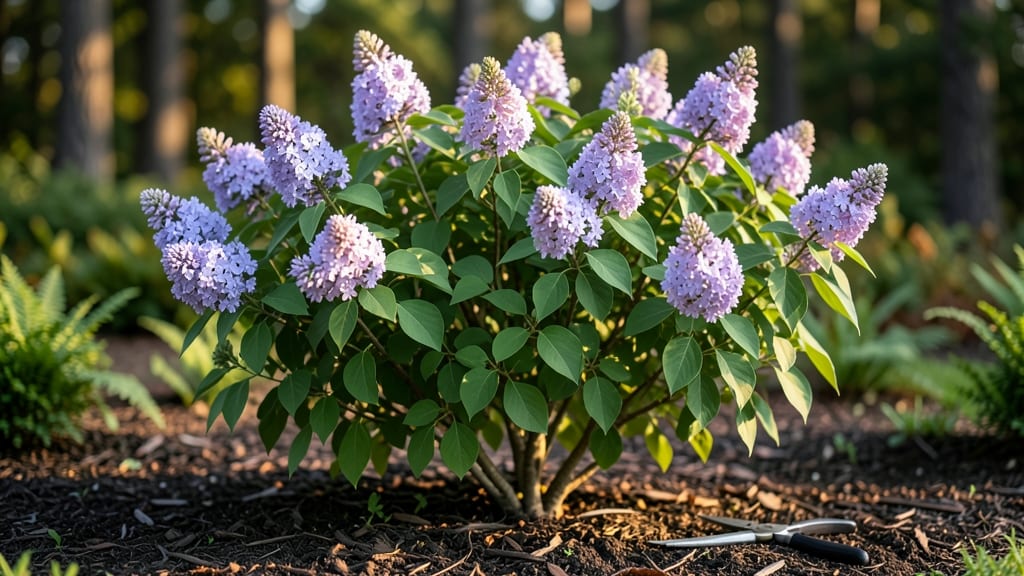
The lilac bloom time bursts into fragrant purple clouds every spring—typically between late April and early June, depending on where you live. 🌸 I’ve watched my lilac bushes transform my yard from winter’s quiet to a sweet-smelling spectacle, and the timing isn’t just about luck.
It’s all about your climate zone, last year’s pruning, and even how much winter chill your plants got.
Cooler regions like the Pacific Northwest see blooms as early as March, while Southern gardeners might wait until May or June. The key to extending that floral show?
Prune right after blooming—never in fall—and avoid heavy cuts that remove next year’s flower buds. A well-timed watering in early spring also helps, especially in drought-prone areas.
You’ll know your lilacs are happy when they reward you with dense clusters and that classic intoxicating scent. Some varieties even rebloom later in summer if you give them the right care. The secret lies in balancing sunlight, soil, and patience—no fancy tricks needed.
Whether you’re in Zone 3 or Zone 8, these tips will help you time your lilacs’ performance like a pro. Next time you see those first buds, you’ll know exactly what to do to make them shine all season.
📚 In This Guide
- What you need
- Instructions
- Tips and common mistakes
- Wrapping up and next steps
What you need
- ● Lilac plants or bare-root cuttings: Choose hardy varieties like Syringa vulgaris (common lilac) or Syringa meyeri (dwarf lilac). Quantity: 1–3 plants per 100 sq. ft. for optimal air circulation.
- ● Well-draining soil: Lilacs thrive in slightly alkaline soil (pH 6.0–7.0). Amend clay soil with compost or sand (1 part per 3 parts soil).
- ● Organic mulch: Wood chips or straw (2–3 inches thick) to retain moisture and regulate soil temperature.
- ● Slow-release fertilizer: A balanced 10-10-10 or phosphorus-rich (5-10-10) fertilizer to encourage root and bloom development.
- ● Pruning shears: Bypass pruners (sharp, 6–8 inch blades) for clean cuts.
- ● Garden trowel or spade: For digging holes (12–18 inches deep/wide).
- ● Gloves: Heavy-duty gardening gloves to protect against thorns.
- ● Watering can or hose with nozzle: Lilacs need 1–1.5 inches of water per week (more during bloom time).
- ○ Soil pH test kit: Optional but helpful to confirm alkalinity.
- ○ Epsom salt (magnesium sulfate): Optional foliar spray (1 tbsp per gallon of water) to boost bloom intensity.
- ● Stakes or supports: For young lilacs in windy areas.
How to time lilac blooms for season-long fragrance
Lilacs don't bloom on a schedule—they respond to light, temperature, and last year's growth. Here's how to predict and extend their purple display.
☀️ Step 1: Identify Your Lilac's Light Requirements
Lilacs thrive in full sun—at least 6 hours daily. If your plant gets less, blooms will be sparse. I always check the sun exposure first: stand near the bush at noon and count the hours of direct light. South-facing spots deliver the most consistent blooms, but west exposures work too.
Watch for these clues: if leaves turn yellow in summer, it's a sign of too much shade. Move your lilac to sunnier ground in early spring before buds form. The more sunlight, the more buds the plant will set the following year.
⏰ Step 2: Prune for Next Year's Bloom Cycle
Prune lilacs immediately after flowering, never in fall or winter. Cut back old wood to encourage new growth that will bear next year's blooms. I use sharp pruners to remove 1/3 of the oldest stems at the base, making clean cuts just above a outward-facing bud.
Never prune in late summer or fall—you'll cut off next year's flower buds. If you skip pruning, your lilac will still bloom, but the display will be smaller and less fragrant. This is the single most important step for consistent blooming.
🌱 Step 3: Monitor Temperature Cues for Bud Formation
Lilacs need chilling hours—typically 800-1,000 hours below 45°F—to set flower buds. Track your winter lows: if temperatures stay above 45°F for too long, buds won't form properly. I keep a small thermometer near my lilacs to confirm they're getting enough cold.
In warmer climates, consider planting early-blooming varieties like 'Katherine Havemeyer' that tolerate milder winters. The key is ensuring buds form in late winter—you'll see them as small green swellings along the stems in February.
💧 Step 4: Adjust Watering for Peak Bloom Health
Water lilacs deeply once a week during dry spells, aiming for 1-1.5 inches of water. Too much water stresses roots, while too little causes buds to drop. I check soil moisture by pushing my finger 2 inches deep—if it's dry, that's your watering cue.
Mulch around the base with 2-3 inches of organic mulch to retain moisture and protect roots. Avoid wetting the foliage when watering—damp leaves invite fungal diseases that weaken blooms. Healthy leaves mean stronger stems to support those fragrant clusters.
✂️ Step 5: Deadhead and Extend the Show
Cut back spent blooms to the first set of leaves below the flower cluster. This encourages new growth that may produce secondary blooms in some varieties. I use clean pruners to make angled cuts just above the leaf node—never leave stubs.
Don't prune too late in the season. Stop deadheading by mid-summer to let the plant focus on storing energy for next year's blooms. The goal is to balance this year's display with next year's potential.
Tips & tricks for perfect lilac bloom timing
These practical insights will help you transform your lilac's blooming potential from sporadic to spectacular.
Light Optimization: Beyond the required 6 hours of sun, position your lilac to capture morning sunlight—this is when light intensity is highest. I've found that lilacs in east-facing locations bloom 10-14 days earlier than those in west-facing spots because morning light triggers earlier bud formation. If you must plant in partial shade, choose a location with at least 4 hours of direct morning sun—the critical window for photosynthesis that fuels blooms.
Pruning Precision: When removing 1/3 of the oldest stems in Step 2, focus on the thickest, most woody stems first—they're the least productive. I like to work when blooms are just starting to fade (about 7-10 days after peak bloom) because the plant has completed its current flowering cycle but hasn't yet begun storing energy for next year. Always make cuts at a 45-degree angle just above an outward-facing bud to encourage proper growth direction.
Chilling Hours Tracking: The 800-1,000 hours below 45°F requirement can be tricky in transitional climates. I recommend using a minimum-maximum thermometer placed near your lilac to track these hours accurately. In mild winters, you might need to supplement with artificial chilling—wrap young plants with burlap and place them in a shaded garage during warm spells to accumulate the necessary cold exposure. This is especially important for late-winter bud formation.
Watering Wisdom: The 1-1.5 inches of water weekly guideline assumes average soil conditions. In sandy soils, you may need to water more frequently (every 4-5 days) because water drains too quickly, while clay soils might only need watering every 10 days. I test soil moisture by pushing my finger 2 inches deep—if it feels dry at that depth, that's your cue. The key is maintaining consistent moisture without waterlogging, which can suffocate roots and lead to bud drop.
Pro Tips for Lilac Bloom Time
- These practical insights will help you transform your lilac's blooming potential from sporadic to spectacular.
- Light Optimization: Beyond the required 6 hours of sun, position your lilac to capture morning sunlight—this is when light intensity is highest.
- Pruning Precision: When removing 1/3 of the oldest stems in Step 2, focus on the thickest, most woody stems first—they're the least productive.
Frequently asked questions
Got questions about when and how lilacs bloom? You’re not alone! Here are some of the most common inquiries—plus quick answers to help you plan your garden’s fragrant purple show.
When is the best time to plant lilacs for optimal bloom?
Plant lilacs in early spring or fall (3–4 weeks before the first frost) for the best root establishment. This gives them time to settle before winter or summer heat. Avoid planting in late summer, as new roots may struggle before cold weather hits.
Why do some lilacs bloom earlier or later than others?
Bloom time varies by variety—early bloomers like ‘Dwarf Korean’ appear in late April to early May, while late varieties such as ‘Miss Kim’ may wait until May to June. Climate, sunlight, and soil health also play a role. Southern gardens often see blooms 2–3 weeks earlier than northern regions.
What should I do if my lilac blooms are sparse or missing?
Sparse blooms often signal overpruning, poor nutrition, or stress. Prune lilacs right after flowering (never in late summer!) and fertilize in early spring with a balanced 10-10-10 formula. Check for pests like borers or powdery mildew, which can weaken plants. Mulch heavily in winter to protect roots.
Can I extend my lilac’s bloom time with care?
While you can’t permanently stretch bloom time, deadheading (removing spent flowers) encourages a second, smaller flush of blooms later in the season. For longer vase life, cut stems early in the morning and place them in cool water. Choose varieties like ‘Sensation’ (double blooms) for extra drama!
Are there lilac alternatives that bloom at different times?
Yes! For earlier blooms, try wisteria (March–April) or forsythia (late winter). For longer-lasting color, opt for deutzia (spring to early summer) or weigela (late spring). All thrive in similar conditions but offer varied timelines and fragrance profiles.
Wrapping up and next steps
Watching lilacs burst into bloom is nature’s way of painting your world in fragrant purple magic—year after year!
Whether you’re a seasoned gardener or a new plant parent, these resilient beauties remind us that patience and care yield rewards worth savoring. Now’s the perfect time to act: plant a cutting, prune for next year’s showstopper blooms, or simply step outside to soak in their sweet perfume. Your garden—and your senses—will thank you! 🌸✨