
Blooming
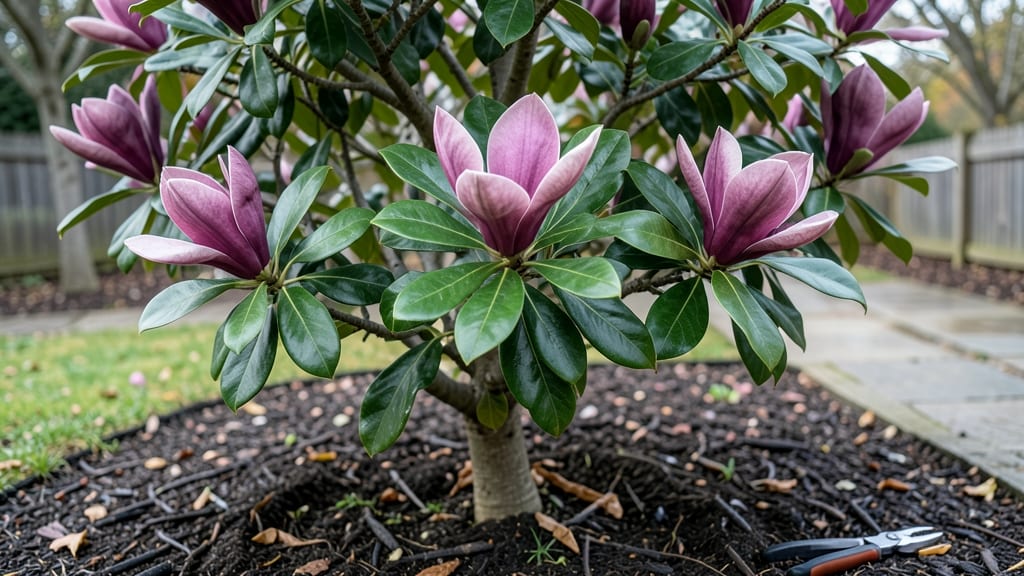
Late blooming magnolias transform your yard into a fragrant purple cloud when others have faded. 🌸 Unlike their early spring counterparts, these varieties burst into bloom in late May or June, dodging frost damage and delivering a second show in summer.
My ‘Black Tulip’ magnolia still smells like honey in August when most gardens are wilting. The secret to their performance lies in timing—plant in fall or early spring when roots establish before summer heat.
Prune right after blooming to encourage next year’s flowers, and avoid heavy pruning in winter when they’re most vulnerable to cold. These trees thrive in partial shade, making them perfect for understory plantings where other magnolias would struggle.
You’ll love watching them rebloom naturally, their velvety petals attracting hummingbirds and bees for weeks. The trade-off? They grow slower than early bloomers, but the extended show makes it worth the wait. Ideal for gardeners who want drama without the springtime gamble.
Perfect for USDA zones 5-9, these magnolias handle heat and humidity better than most. The key is patience—their full potential unfolds over years, not seasons. Here’s how to set yours up for success.
📚 In This Guide
- What you need
- Instructions
- Tips and common mistakes
- Wrapping up and next steps
What you need
- ● Late-blooming magnolia tree (e.g., Magnolia × soulangeana or Magnolia 'Black Tulip'): 1 bare-root or potted sapling (3–5 gallons container size for established plants)
- ● Age: 1–3 years old (younger plants adapt faster)
- ● Well-draining soil mix: 50% native topsoil
- ● 30% compost or aged manure
- ● 20% perlite or coarse sand (for aeration)
- ● Planting site: Full sun to partial shade (6+ hours of sunlight daily)
- ● Sheltered from strong winds (magnolias are delicate!
- ● Mulch: 2–3 inches of organic mulch (e.g., pine straw or shredded bark)
- ● Watering can or hose (with adjustable nozzle for gentle watering)
- ● Pruning shears (sterilized, sharp, and bypass-style for clean cuts)
- ● Garden trowel (for digging planting holes)
- ● Soil pH test kit (ideal pH: 5.0–6.0; magnolias love slightly acidic soil!)
- ● Fertilizer: Slow-release granular fertilizer (e.g., 10-10-10, 1 lb per 100 sq ft)
- ○ Optional: Acid-loving plant fertilizer (e.g., Miracle-Gro Azalea/Camellia)
- ● Tree stake & ties (if planting in windy areas)
- ● Drip irrigation system (for consistent moisture during dry spells)
- ● Fungicide (e.g., copper-based spray, for prevention of powdery mildew)
Step-by-Step guide to cultivating a late-blooming magnolia
Here’s how to nurture a fragrant purple magnolia that reblooms effortlessly year after year.
🌱 Step 1: Select the Right Variety and Planting Site
Late-blooming magnolias thrive in USDA Zones 5-9, so choose a variety suited to your climate—like Magnolia × soulangeana or Magnolia liliiflora—known for their vibrant purple blooms and repeat flowering. The key is full sun to partial shade (at least 6 hours of direct light daily), but afternoon shade in hotter regions prevents leaf scorch.
Dig a hole twice as wide as the root ball but only as deep as the container’s base. Loosen the roots gently if pot-bound, then place the tree so the top of the root ball sits 1-2 inches above ground level. This prevents waterlogging, which can rot the roots over time.
☀️ Step 2: Amend Soil and Water Deeply
Magnolias prefer well-draining, slightly acidic soil (pH 5.0-6.5). Mix 2-3 inches of compost into the native soil to improve fertility and structure. Avoid heavy clay—amend with sand or perlite if needed. The root system should never sit in soggy soil, as this invites fungal diseases like root rot.
Water deeply immediately after planting to settle the soil and eliminate air pockets. Use 5-10 gallons of water, depending on the tree’s size, and let it soak in completely. Mulch the base with 3 inches of organic mulch (like pine bark or shredded leaves) to retain moisture and regulate soil temperature—just keep mulch 6 inches away from the trunk to prevent rot.
💧 Step 3: Fertilize and Prune for Repeat Blooms
Feed your magnolia in early spring with a balanced, slow-release fertilizer (10-10-10) applied 6 inches from the trunk. Avoid high-nitrogen fertilizers, which promote leafy growth at the expense of flowers. A light application of phosphorus (like bone meal) encourages blooming. Water thoroughly after fertilizing to prevent root burn.
Prune immediately after flowering (late spring) to shape the tree and remove dead or crossing branches. Cut back just above a outward-facing bud to encourage new growth. Avoid heavy pruning—magnolias bloom on old wood, so aggressive cuts reduce next year’s flowers. Thin out crowded branches to improve airflow, which minimizes disease risk.
⏰ Step 4: Maintain Year-Round Care for Reblooming
Water deeply once a week during the first growing season, then taper to every 2-3 weeks once established (unless in extreme drought). Magnolias are drought-tolerant once mature but need consistent moisture to establish strong roots. Check soil moisture by digging 2 inches down—if dry, water again.
In late winter, apply a 2-inch layer of mulch to protect roots from freezing temperatures. Avoid fertilizing in fall or winter, as new growth can’t harden off before cold snaps. Watch for scale insects or aphids—treat with neem oil if pests appear, as chemical sprays can harm the tree’s delicate blooms.
🌿 Step 5: Encourage Natural Reblooming
To maximize reblooming, ensure your magnolia gets full sun and consistent moisture during the growing season. Late-blooming varieties often need cross-pollination—plant a second magnolia nearby if your tree isn’t setting buds. Deadhead spent blooms only if they’re unsightly, as they can develop into seed pods that attract pollinators.
By mid-summer, you’ll see buds forming for next year’s flowers. If buds drop unexpectedly, it’s often due to stress from drought, overwatering, or sudden temperature swings. Adjust care accordingly—magnolias reward patience with decades of fragrant blooms.
Tips & tricks for cultivating a late-blooming magnolia
These pro insights will help you transform your garden into a fragrant purple paradise that keeps reblooming for years.
Location is Everything: The 6 hours of daily sun mentioned in Step 1 is non-negotiable for vibrant blooms, but here's the secret: position your magnolia where it gets morning sun and afternoon shade in hot climates. I've seen trees in full afternoon sun develop leaf scorch—those crispy brown edges ruin the elegant look. If your yard has limited shade options, consider planting near a north-facing wall that provides natural protection.
Soil Science Matters: When amending soil in Step 2, don't just toss in compost—create a proper soil mix. I blend equal parts native soil, compost, and perlite for perfect drainage. For clay-heavy soils, add coarse sand to break up compaction. Test your soil pH before planting—magnolias thrive at 5.0-6.5, and adjusting with sulfur (to lower pH) or lime (to raise it) can make all the difference in bloom production.
Watering Wisdom: The deep watering instructions in Step 2 are crucial, but timing matters just as much. Water in early morning so foliage dries quickly, preventing fungal issues. I use a soaker hose for established trees to deliver water directly to roots without wetting leaves. For young trees, the 5-10 gallons immediately after planting should create a moisture reservoir—check soil 2 inches down after 24 hours to ensure proper absorption.
Pruning Precision: Step 3 warns about pruning old wood, but here's how I approach it: always prune just after flowering when new growth has begun. Look for outward-facing buds when making cuts—they'll grow into stronger branches. I never remove more than 20% of the tree's canopy in one year, and I always sterilize my pruners with rubbing alcohol between cuts to prevent disease spread. This careful approach preserves next year's blooms while maintaining shape.
Pro Tips for Late Blooming Magnolia
- These pro insights will help you transform your garden into a fragrant purple paradise that keeps reblooming for years.
- Location is Everything: The 6 hours of daily sun mentioned in Step 1 is non-negotiable for vibrant blooms, but here's the secret: position your magnolia where it gets morning sun and afternoon shade in hot climates.
- Soil Science Matters: When amending soil in Step 2, don't just toss in compost—create a proper soil mix.
Frequently asked questions
Got questions about nurturing your late-blooming magnolia? You’re not alone! Here are some of the most common queries—plus straightforward answers to help you cultivate that dreamy purple canopy with confidence.
Why is my magnolia blooming so late?
Late blooming is often genetic (some varieties like Magnolia × soulangeana are naturally late), but factors like cool spring weather, young age, or stress (drought, poor soil) can delay flowers. If your tree is over 5 years old and still late, test soil pH (ideal: 4.5–6.0) or check for pests like scale insects.
How long will it take to see consistent blooms?
Patience is key! Most magnolias take 3–7 years to mature enough for reliable blooms. Late-blooming varieties may take even longer. Prune lightly in late winter to encourage stronger growth, but avoid heavy cuts—magnolias bloom on old wood.
Can I force a magnolia to bloom earlier?
Unfortunately, no—you can’t rush nature! However, you can optimize conditions to support timely blooms:
- Mulch heavily in fall to insulate roots.
- Ensure full sun (6+ hours/day) and well-draining soil.
- Avoid fertilizer in spring (it promotes leafy growth over flowers).
What if my magnolia never blooms?
Don’t panic! Check these troubleshooting steps:
Issue
Solution
Too young
Wait 1–2 more years; focus on healthy growth.
Poor location
Move to sunnier spot (magnolias hate shade).
Over/under-watering
Water deeply 1–2x/week (drought-stressed trees skip blooms).
Disease/pests
Inspect for powdery mildew or aphids; treat with neem oil.
Are there early-blooming alternatives?
If you’re eager for color, try these fast-blooming magnolia hybrids:
- ‘Annabel’ – Blooms in spring (white, fragrant).
- ‘Jane’ – Reblooms summer/fall (pink-purple).
- ‘Stella’ – Early spring bloomer (white, compact).
Wrapping up and next steps
Your late-blooming magnolia isn’t just a stunning addition to your garden—it’s a rewarding one! With patience and the right care, this fragrant purple beauty will rebloom naturally, gifting you years of breathtaking blooms.
Whether you’re a seasoned gardener or just starting, the key is consistency: prune with care, feed it well, and watch it thrive.
Ready to take the next step? Plant yours today and enjoy the magic of a garden that keeps giving! 🌸✨