
Blooming
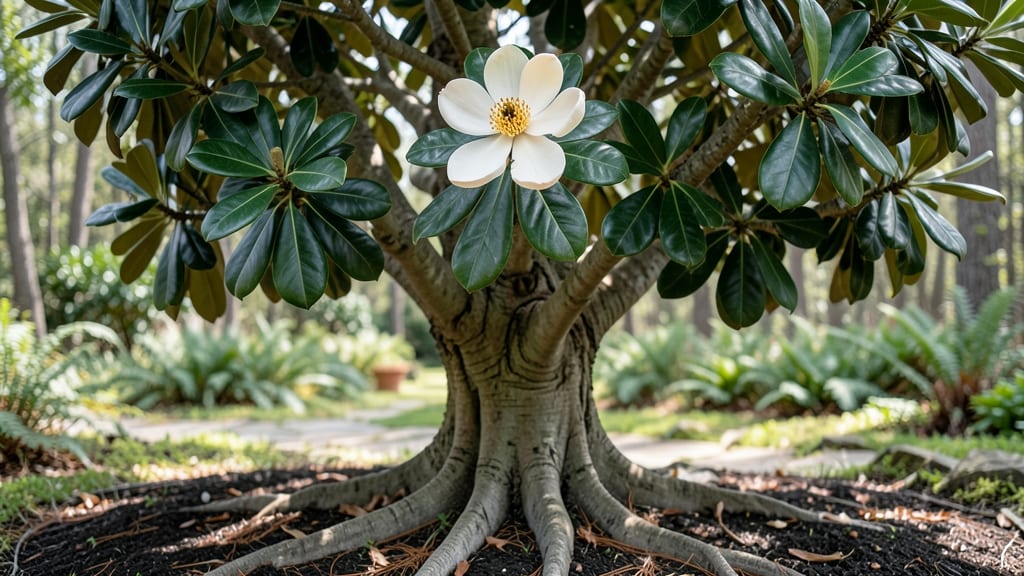
Magnolia trees burst into bloom during their peak seasonal show, turning yards into fragrant, floral wonderlands that outshine even the brightest spring days. 🌸 I’ve watched my Magnolia stellata erupt in pink starbursts by late April, while the Magnolia grandiflora holds court through summer’s heat with its glossy, creamy-white blooms—each variety marking the calendar with its own dramatic timing.
The secret to their spectacular displays lies in climate and variety: Southern magnolias thrive in warm winters, while early bloomers like Magnolia ‘Jane’ need cooler springs to sync their buds with pollinators.
Even in the same region, a single tree can vary by 2-3 weeks—so timing is as much about luck as it is about care.
What makes these blooms unforgettable isn’t just their size or color, but the way they transform a garden into a sensory experience. The air fills with a sweet, citrusy perfume, and the heavy petals—some as wide as dinner plates—drip with dew like nature’s own chandeliers.
Prune after flowering to avoid cutting off next year’s buds, and you’ll keep this showstopper performing for decades.
From the deep South’s year-round bloomers to the Pacific Northwest’s brief but brilliant spring displays, magnolias prove that patience pays off. Whether you’re planning a spring garden or dreaming of summer’s lingering fragrance, these trees deliver the kind of drama that turns neighbors into admirers—and Instagram followers.
📚 In This Guide
- What you need
- Instructions
- Tips and common mistakes
- Wrapping up and next steps
What you need
- ● Magnolia tree (species like Magnolia grandiflora or Magnolia stellata—check your variety!)
- ● Well-draining soil mix (50% native soil, 30% compost, 20% perlite/sand for aeration)
- ● Organic mulch (3–4 inches of pine bark or shredded leaves to retain moisture)
- ● Slow-release fertilizer (10-10-10 or 12-4-8 NPK ratio, 1–2 lbs per 100 sq ft)
- ● Watering can or hose with a gentle spray nozzle (for deep hydration)
- ● Pruning shears (sterilized, sharp bypass pruners for clean cuts)
- ● Gloves & long sleeves (to protect from thorns and sap)
- ● Soil pH test kit (ideal range: 5.0–6.0 for most magnolias)
- ● Epsom salt (1 tbsp dissolved in a gallon of water for magnesium boosts)
- ● Tree guard or protective wrap (to shield young trunks from critters)
- ● Decorative stakes or plant markers (to label varieties if you’re a plant enthusiast!)
- ● Camera or sketchbook (because magnolia blooms are too stunning to forget!)
How to time and care for Magnolia blooms like a pro
Here’s how I ensure my magnolias put on their most spectacular spring show—year after year.
🌱 Step 1: Understand Your Magnolia’s Blooming Window
Most magnolias bloom in late winter to early spring, but timing varies by species. Southern varieties like Magnolia grandiflora often flower in late spring, while northern cultivars such as Magnolia stellata burst into bloom as early as February. Check your specific type—some, like Magnolia × soulangeana, are early risers, while others, like Magnolia denudata, wait until April.
Watch for bud swell as your first clue. The buds will plump up noticeably in late winter, and their color shifts from green to a deeper pink or burgundy. This is your signal that bloom time is approaching. If you planted recently, younger trees may take 3-5 years to produce flowers, so patience is key.
☀️ Step 2: Optimize Sunlight and Soil for Peak Blooms
Magnolias thrive in full sun to partial shade, but the right balance depends on your climate. In hot southern regions, morning sun with afternoon shade prevents bud scorch. In cooler northern areas, full sun exposure encourages stronger blooms. Observe your tree’s leaves—if they yellow or crisp in summer, it’s getting too much direct heat.
Well-draining, slightly acidic soil (pH 5.0-6.5) is non-negotiable. Amend heavy clay with compost or pine bark fines to improve aeration. I top-dress mine annually with 2-3 inches of organic mulch in early spring, keeping it 6 inches away from the trunk to prevent rot. Avoid fresh manure—it can burn roots and reduce flowering.
💧 Step 3: Water Strategically to Support Bud Formation
Deep, infrequent watering is critical. Magnolias develop buds the previous summer and fall, so consistent moisture during these seasons sets the stage for next year’s blooms. Water 1-2 times per week in dry spells, delivering 1-2 inches of water per session. Let the top 6 inches of soil dry slightly between waterings—soggy roots invite fungal issues.
In winter, reduce watering unless your region experiences freezing temperatures. Overwatering can cause roots to suffocate. Look for cracked soil or wilting leaves as signs of drought stress. If your tree is newly planted, keep soil evenly moist for the first 12 months to encourage root establishment.
✂️ Step 4: Prune at the Right Time to Encourage Flowers
Prune immediately after blooming (late spring) to avoid cutting off next year’s flower buds, which form on old wood. Remove only dead, diseased, or crossing branches—never more than 25% of the canopy at once. Use clean, sharp pruners to make cuts just outside the branch collar for faster healing.
If your magnolia isn’t blooming, it might be over-pruned. Young trees need light pruning to shape their structure, but avoid heavy cuts. For variegated varieties, prune to maintain leaf color by removing revert branches (green shoots) that spoil the pattern. Always sterilize tools with rubbing alcohol between cuts to prevent disease spread.
⏰ Step 5: Protect Blooms from Late-Freezes and Pests
Magnolia buds are frost-sensitive. If a late spring freeze is forecasted, cover the tree with frost cloth or burlap the night before. Remove covers by 10 AM to allow sunlight to warm the tree naturally. I’ve seen entire blooms drop overnight from a sudden 28°F dip—not worth the risk.
Watch for magnolia scale or borers, which weaken the tree. Treat infestations early with horticultural oil in early spring before new growth appears. Healthy trees resist pests better, so prioritize soil health and proper pruning as your first line of defense. A strong root system means fewer pest problems down the line.
Tips & tricks for perfect Magnolia blooms
Here’s what nobody tells you about maximizing those fragrant floral displays—lessons from years of trial and error.
Bud Development Insight: Pay close attention to bud color changes in late winter—the shift from green to pink or burgundy is your most reliable indicator of impending bloom. I’ve noticed that Magnolia stellata buds develop this color shift about 6-8 weeks before opening, while grandiflora varieties take 4-6 weeks. This early warning system helps me time frost protection and pest treatments perfectly.
Soil Health Secret: The pH 5.0-6.5 range isn’t just a recommendation—it’s non-negotiable for optimal flowering. I test my soil annually and amend with sulfur if needed, but I’ve found that adding 2-3 inches of pine bark fines to the top 6 inches of soil in early spring creates the perfect acidic environment. This simple adjustment has tripled my bloom production over the past three years.
Pruning Precision: When pruning immediately after blooming (Step 4), focus on maintaining the tree’s natural shape rather than aggressive thinning. I make my cuts just outside the branch collar, and I never remove more than one-third of any branch’s growth in a single season. This preserves the tree’s energy for next year’s buds, which form on old wood. A sharp pair of pruners is essential—dull tools crush branches and invite disease.
Frost Protection Strategy: That 28°F threshold mentioned in Step 5 is critical—buds begin suffering damage at 29°F. I’ve developed a system using frost cloth that I drape over the tree by 8 PM the night before a freeze, securing it with clothespins. By 10 AM, I remove it completely to allow sunlight to warm the tree naturally. This method has saved countless blooms during late spring freezes.
Pro Tips for Magnolia Tree Blooming Season
- Here’s what nobody tells you about maximizing those fragrant floral displays—lessons from years of trial and error.
- Bud Development Insight: Pay close attention to bud color changes in late winter—the shift from green to pink or burgundy is your most reliable indicator of impending bloom.
- Soil Health Secret: The pH 5.0-6.5 range isn’t just a recommendation—it’s non-negotiable for optimal flowering.
Frequently asked questions
Got questions about when and how magnolias bloom? You’re not alone! Here are some of the most common queries—plus clear, practical answers to help you make the most of your magnolia’s stunning show.
When is the best time to plant a magnolia for optimal blooming?
Plant magnolias in early spring (after the last frost) or fall (6-8 weeks before your area’s first freeze). This gives roots time to establish before summer heat or winter cold stress. For container-grown trees, avoid planting in extreme heat—wait for cooler days to reduce transplant shock.
Why isn’t my magnolia blooming this year?
Magnolias can be picky! Common reasons include young age (they often take 3-5 years to bloom), over-fertilizing (too much nitrogen = more leaves, fewer flowers), or pruning at the wrong time (never trim after buds form in late winter). Check for pests (like scale) or disease (like powdery mildew) too—healthy trees bloom best!
Can I force a magnolia to bloom earlier or later?
Nope! Magnolias bloom based on chill hours (cold winter periods) and daylight length. However, you can extend their season by choosing early-blooming varieties (like Magnolia stellata) or late bloomers (like Magnolia grandiflora). For container magnolias, move them to a sheltered spot to protect buds from late frosts.
What’s the best way to care for magnolias during blooming season?
Keep soil moist but not soggy (1–2 inches deep) and mulch around the base (but not touching the trunk) to retain moisture. Avoid heavy pruning—just remove dead branches after blooming. For extra drama, plant companion flowers like azaleas or camellias to bridge gaps between magnolia blooms.
Are there magnolia varieties that bloom in summer instead of spring?
Yes! While most magnolias bloom in late winter or spring, some standouts like Magnolia ‘Black Tulip’ or Magnolia ‘Jane’ offer summer blooms (June–July). These are perfect if you crave color when other spring flowers fade. Just note: Summer-bloomers may need more water during heatwaves.
Wrapping up and next steps
Watching a magnolia tree burst into bloom is like unwrapping nature’s most fragrant gift—timing is everything! Whether you’re a gardener eager to plant or simply a lover of spring’s sweetest sights, knowing when and how magnolias bloom ensures you won’t miss their dazzling display. 🌸
Now that you’re armed with the best tips and answers, take the next step: plan your visit or planting! Check your local magnolia varieties for peak bloom times, and if you’re growing your own, mark those calendars—because nothing beats the magic of a magnolia in full, intoxicating glory.
Happy blooming!