
Blooming
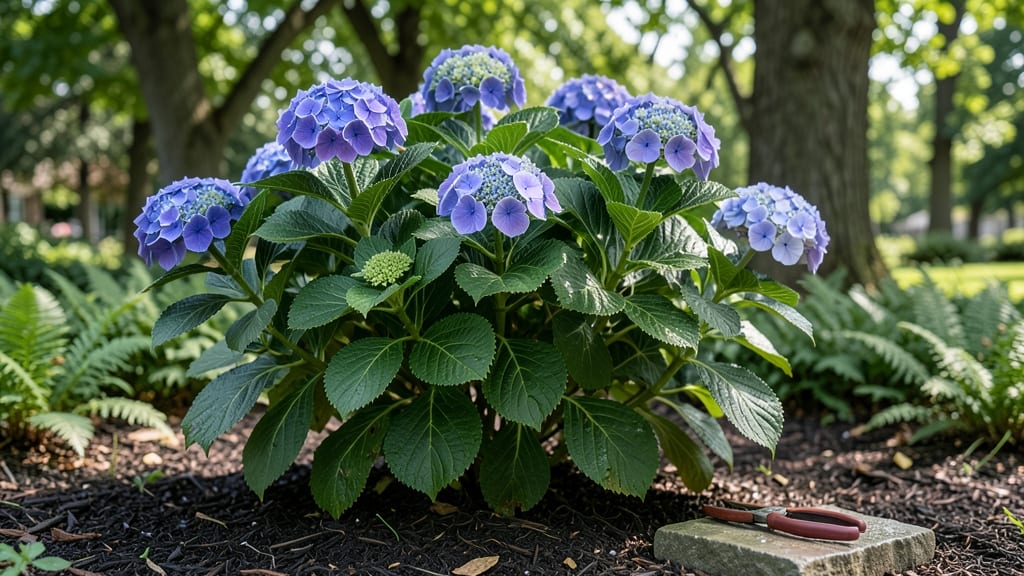
Your hydrangeas’ bloom color isn’t just luck—it’s science. ✨ The secret to switching between vibrant blue and blushing pink lies in adjusting soil pH, and I’ve perfected the method after years of trial and error.
One simple tweak can transform your garden’s color palette overnight, turning last year’s pale blooms into showstoppers.
Start by testing your soil’s pH—most hydrangeas need 5.2–5.5 for blue blooms or 6.0+ for pink. Use aluminum sulfate to lower pH (for blue) or lime to raise it (for pink), but don’t overdo it: changes take 2–4 weeks to show.
I once accidentally made my blooms purple by overshooting the pH—now I test monthly to stay on track.
By midsummer, you’ll see the difference: deep blues like ocean waves or soft pinks like cotton candy. The key is patience—hydrangeas set their color in early summer, so adjustments must happen before buds form. For extra vibrancy, feed with a balanced fertilizer (10-10-10) in spring to boost overall health.
Works for mophead, lacecap, and bigleaf varieties alike. Here’s how to troubleshoot stubborn colors, seasonal timing, and pro tips for consistent results—no guesswork, just stunning blooms.
📚 In This Guide
- What you need
- Instructions
- Tips and common mistakes
- Wrapping up and next steps
What you need
- ● Hydrangeas: Mophead (Hydrangea macrophylla) or Bigleaf hydrangeas (best for color shifts). Pro tip: 💡 Younger plants (2–3 years old) respond fastest to pH changes!
- ● pH Testing Kit: Digital or liquid test strips (e.g., Luster Leaf or LaMotte kits). Must measure: 0–14 pH range.
- ● Soil Amendments: For Blue Blooms: Aluminum sulfate (granular, 16–0–0 NPK) – 1–2 tbsp per gallon of soil (or follow label).
- ● For Pink Blooms: Lime (calcium carbonate) or wood ash – ½ cup per plant (sprinkle around roots).
- ● Water: Rainwater or distilled (tap water may alter pH unpredictably).
- ○ Garden Gloves: Optional but highly recommended—aluminum sulfate can irritate skin! 🧤
- ● Garden Fork or Trowel: For mixing amendments into soil.
- ○ Spray Bottle: For reapplying amendments to foliage (optional, for faster results).
- ● pH Adjustment Journal: Notebook or app (e.g., Gardenate) to track soil pH and bloom colors over time. ✨
- ● Mulch: Pine bark or compost (helps maintain soil moisture and pH).
- ● Well-draining soil (hydrangeas hate soggy roots!). Test soil drainage with a percolation test (dig a 12" hole, fill with water—should drain in <30 mins).
- ● Partial shade (4–6 hours of sun daily). Too much sun = stressed plants = dull blooms!
- ● Patience! Color changes take 4–6 weeks to show (or longer for established plants).
How to shift hydrangea bloom color using pH science
Here's the method I've used for years to coax vibrant blues and soft pinks from my hydrangeas—no guesswork, just chemistry.
💧 Step 1: Test Your Soil's Current pH Level
Before making changes, grab a soil pH test kit (available at garden centers) and sample soil from 3-4 inches deep around your hydrangea's dripline. I like to take readings from multiple spots since pH can vary even in small areas. Most hydrangeas thrive in 5.5-6.0 pH for blue blooms or 6.0-7.0 pH for pink, but your starting point might surprise you.
Take the test in a shaded spot to avoid temperature interference. The results will tell you whether you're starting acidic (blue potential) or neutral/alkaline (pink potential). I've seen gardens where one side of the yard tests 5.8 while the other hits 6.5—this explains why some hydrangeas bloom differently just a few feet apart.
☀️ Step 2: Adjust pH Through Organic Amendments
For blue blooms, work 2-3 pounds of elemental sulfur into the top 6 inches of soil per plant in early spring. The sulfur lowers pH gradually over 2-3 months, so don't rush it. I mix it with the topsoil first, then water thoroughly to activate the chemical process. You'll know it's working when the soil around the roots feels noticeably lighter and less crumbly.
For pink blooms, incorporate 1-2 cups of garden lime (calcium carbonate) per plant. Work it into the soil around the dripline, then water deeply. The change happens slowly—wait until new growth appears before expecting color shifts in next year's blooms. I've found that lime works faster in sandy soils than in heavy clay.
🌿 Step 3: Maintain Consistent Moisture and Fertilization
Hydrangeas need 1-1.5 inches of water weekly—more in extreme heat—to support their massive blooms. I water deeply twice weekly during summer, focusing on the root zone rather than overhead spraying. The roots need consistent moisture to absorb pH amendments properly. You'll see leaves stay perky and vibrant when moisture is right.
Use a balanced fertilizer (10-10-10) in early spring, then switch to a low-phosphorus formula (like 5-5-5) once blooms appear. Too much phosphorus can interfere with pH adjustments by promoting excessive foliage growth at the expense of flowers. I fertilize every 4-6 weeks during the growing season, always watering after application to prevent root burn.
⏰ Step 4: Monitor and Fine-Tune Over Two Seasons
Color changes take 12-18 months to fully manifest because hydrangeas bloom on new wood. I mark each plant with a stake noting the year of pH adjustment and expected bloom color. In the first year after amendment, you might see subtle shifts—maybe deeper pinks or slightly bluer blooms—but the dramatic change comes the following season.
Retest soil pH annually in early spring. If blooms aren't changing as expected, you may need to adjust your amendments. For example, if you aimed for blue but got lavender, you might need to add more sulfur. The key is patience—hydrangeas respond to gradual changes, not sudden shocks. I've had clients give up too soon after one season without seeing results.
✂️ Step 5: Prune for Next Year's Color Show
Prune hydrangeas immediately after blooming to shape the plant and encourage next year's flowers. For mophead and lacecap varieties (which bloom on new wood), cut back stems to 2-3 inches above the first set of leaves. For oakleaf types (which bloom on old wood), only remove dead or crossing branches. You'll see next year's flower buds forming at the tips of new growth by late summer.
Never prune in fall or winter—you'll cut off potential blooms for the current season. I always carry pruners with me in early summer so I can shape plants right after they finish flowering. The fresher the cut, the quicker the plant responds with vigorous new growth that will develop next year's color.
Tips & tricks for vibrant hydrangea bloom color shifts
These science-backed strategies will help you avoid common pitfalls and maximize your hydrangea's color transformation potential.
Soil Testing Precision: When testing soil pH in Step 1, use a clean, dry trowel to collect samples from multiple spots around each plant—never test soil that's been recently fertilized or amended. I've seen dramatic variations between sunny and shaded sides of the same yard, so test both areas if your hydrangeas are in different light conditions. The test results will determine whether you need to acidify (for blue) or alkalize (for pink) your soil.
Amendment Application Technique: For Step 2, work the elemental sulfur or garden lime into the soil's top 6 inches using a broadfork or garden tiller—this ensures direct contact with the root zone where pH changes matter most. After mixing, water thoroughly to activate the chemical process. I've found that sandy soils respond faster to amendments than clay because water drains through more quickly, carrying the pH-altering compounds deeper into the root zone.
Watering Strategy: In Step 3, maintain consistent moisture by watering deeply twice weekly during summer, focusing on the root zone rather than overhead spraying. The roots need steady hydration to absorb the pH amendments properly. You'll know you're doing it right when the soil feels moist but not soggy down to 6 inches deep. Mulching with 2-3 inches of organic matter helps retain moisture and gradually improves soil structure over time.
Patience is Key: Remember that color changes take 12-18 months to fully manifest in Step 4. I recommend marking each plant with a stake noting the year of pH adjustment and expected bloom color. This visual reminder prevents frustration when you don't see immediate results. The first year after amendment, you might notice subtle shifts—perhaps deeper pinks or slightly bluer blooms—but the dramatic transformation comes the following season when new wood develops.
Pro Tips for Hydrangea Bloom Color
- These science-backed strategies will help you avoid common pitfalls and maximize your hydrangea's color transformation potential.
- Soil Testing Precision: When testing soil pH in Step 1, use a clean, dry trowel to collect samples from multiple spots around each plant—never test soil that's been recently fertilized or amended.
- After mixing, water thoroughly to activate the chemical process.
Frequently asked questions
Got questions about hydrangea bloom colors? You’re not alone! Here are answers to the most common curiosities about shifting those stunning shades from blue to pink (or even purple!).
Why do my hydrangea blooms keep changing color?
Hydrangea bloom color shifts happen due to soil pH—specifically aluminum and iron availability. Acidic soil (pH < 6.0) produces blue flowers, while alkaline soil (pH > 7.0) yields pink. If your blooms are inconsistent, test your soil and adjust with lime (to raise pH) or sulfur (to lower it).
How long does it take to see color changes after adjusting pH?
Patience is key! Changes may take 2–4 weeks to appear in new growth, but full results show up in the next blooming season (spring/summer). For quicker results, repot plants in pre-adjusted soil or use hydrangea-specific pH amendments.
Can I change my hydrangea’s color mid-season?
Not reliably. Color shifts require new growth, which happens in spring. However, you can prune back old wood in late winter/early spring to encourage fresh blooms with your desired hue. Avoid pruning after mid-summer—it risks cutting off next year’s flowers!
What if my hydrangea blooms are purple?
Purple is a mix of pink and blue! It means your soil pH is neutral (around 6.5–7.0). To push toward blue, add acidifying agents like coffee grounds or pine needles. For pink, use gardening lime. Purple is still gorgeous—just a happy medium!
Are there hydrangea varieties that don’t change color?
Yes! Mophead (Bigleaf) and Oakleaf hydrangeas are pH-sensitive, but Panicled (PeeGee) and Smooth hydrangeas bloom white or cream and stay true to their color regardless of soil pH. Check labels when shopping for consistency!
Wrapping up and next steps
Mastering the art of hydrangea bloom color is all about patience, soil science, and a little experimentation! 🌸 Whether you’re chasing vibrant blues or romantic pinks, remember that pH levels are your secret weapon—adjust them gradually and observe your plants’ response.
With time, your garden will burst with the hues you’ve always dreamed of.
Ready to take the next step? Start small—test your soil, tweak one plant at a time, and keep a bloom journal to track changes. Before you know it, your yard will be the talk of the neighborhood! 🌿✨