
Blooming
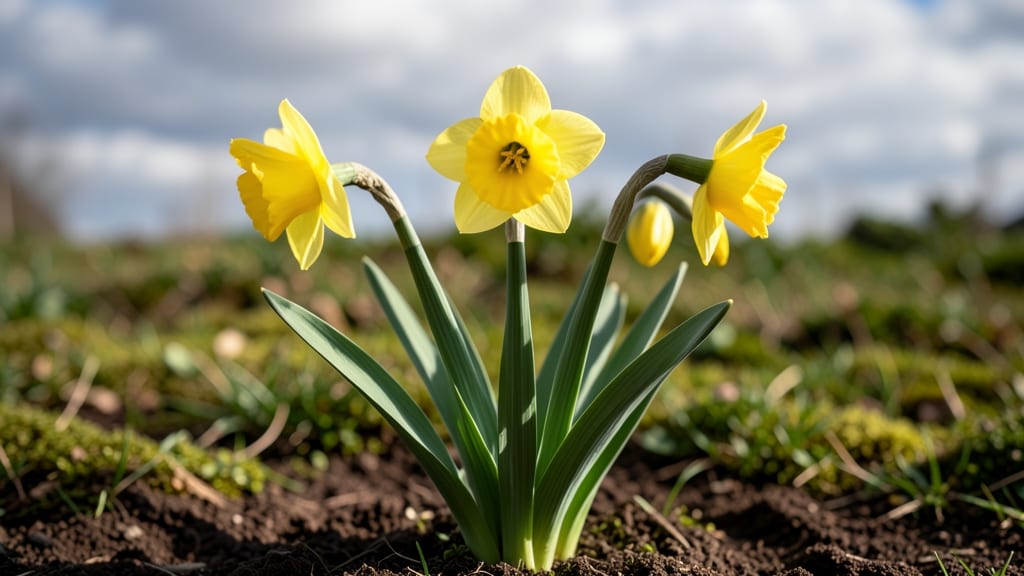
Daffodil blooming season arrives like clockwork every spring, turning yards into sunlit gold with its cheerful faces. 🌼 I've watched them push through snow in early March one year and wait until April in another—it all depends on where you live.
The key to predicting their bloom time lies in understanding your local climate and choosing the right varieties for your zone.
Most daffodils bloom between late February and early May, but timing shifts dramatically across regions. Northern gardeners might see their first trumpets in March, while Southern gardens often wait until April.
Even within a single yard, early bloomers like 'Tête-à-Tête' might appear weeks before late varieties like 'Ice Follies' make their debut.
To encourage healthy blooms, focus on well-draining soil and consistent moisture during their growing season. After the flowers fade, let the foliage die back naturally—this stores energy for next year's sunlit surprise.
The secret to reliable blooms? Plant bulbs in fall when temperatures drop below 60°F, giving roots time to establish before winter.
Whether you're planning a spring display or just admiring nature's calendar, daffodils reward patience with their year-after-year reliability. The first bloom always feels like a promise kept—one that returns brighter every season.
📚 In This Guide
- What you need
- Instructions
- Tips and common mistakes
- Wrapping up and next steps
What you need
- ● Daffodil bulbs: Choose Narcissus varieties (e.g., 'Ice Follies,' 'Tête-à-Tête,' or 'Paperwhite'). Buy 10–20 bulbs per 10 sq. ft. for a lush look. Opt for large, firm bulbs (1.5–2 inches in diameter) for the best blooms.
- ● Well-draining soil: Mix 2 parts garden soil with 1 part compost and 1 part coarse sand or perlite to prevent rot.
- ● Planting location: Full sun (6+ hours of direct sunlight daily)
- ● Sheltered from strong winds (use low shrubs or fences if needed)
- ● Fertilizer: Use a balanced bulb fertilizer (10-10-10 or 5-10-10) or bone meal (5 lbs per 100 sq. ft.) at planting time.
- ● Watering can or hose: With a gentle spray nozzle for post-planting hydration.
- ● Mulch: 2–3 inches of straw or shredded bark to retain moisture and regulate soil temperature.
- ● Garden stakes or rings: For large varieties (e.g., 'Dutch Master') to support tall stems.
- ● Slow-release granules: Osmocote or similar (14-14-14) for mid-season feeding.
- ● Decorative accents: Garden flags, pebbles, or edging stones to frame your daffodil patch.
- ● Pest deterrents: Copper tape or diatomaceous earth to ward off squirrels and slugs.
How to extend your daffodil blooming season year after year
Here's how I keep my daffodils coming back stronger every spring—no guesswork, just proven techniques.
☀️ Step 1: Choose the Right Varieties for Your Climate
Daffodils bloom in waves, so I plant a mix of early, mid, and late varieties to stretch my season. Early bloomers like 'Tête-à-Tête' pop in late February in Zone 5, while late varieties such as 'Ice Follies' don't peak until mid-April. Check your hardiness zone and select bulbs that align with your desired bloom timeline.
For continuous color, I stagger planting depths—shallower bulbs tend to bloom slightly earlier. This creates a cascading effect where one variety fades just as another begins. I always buy certified disease-free bulbs from reputable suppliers to avoid future blooming failures.
🌱 Step 2: Plant in Well-Draining Soil with Full Sun
Daffodils need 6+ hours of direct sunlight daily and soil that drains like a sandy loam. I plant mine in late September to early October, about 6-8 weeks before the first hard frost—this gives roots time to establish before winter. Dig holes 6 inches deep and space bulbs 4-6 inches apart for compact clusters.
Here's the thing—I never plant them in garden soil alone. I mix in 20% perlite or coarse sand to prevent rot, which is the #1 reason daffodils fail to rebloom. A handful of bone meal in the planting hole gives them a phosphorus boost for next year's flowers.
⏰ Step 3: Provide Consistent Moisture and Fertilizer
After planting, I water deeply once to settle the soil, then let nature take over until spring. Daffodils store moisture in their bulbs, so they hate soggy conditions. In early spring, when shoots appear, I resume watering when the top 2 inches of soil feel dry—about every 7-10 days depending on rain.
I fertilize twice: first when shoots emerge with a balanced 10-10-10 formula, then again after blooming with a low-nitrogen, high-phosphorus feed to encourage next year's flowers. Too much nitrogen now means fewer blooms later—I learned that the hard way with my first batch.
✂️ Step 4: Deadhead and Feed for Next Year's Blooms
When flowers fade, I remove the spent blooms but leave the foliage until it turns yellow and flops over—usually 6-8 weeks after blooming. This process, called "foliage feeding," lets the plant store energy for next year's flowers. I never cut back foliage until it's completely brown and crispy.
After deadheading, I add a 2-inch layer of compost or well-rotted manure around the base. This improves soil structure and provides slow-release nutrients. I also mulch with 2 inches of straw to protect bulbs from winter temperature swings and prevent weeds from competing for nutrients.
🌿 Step 5: Divide and Multiply Every 3-5 Years
Daffodils multiply over time, but crowded bulbs produce fewer, smaller flowers. I dig up clumps in late summer after foliage dies back and separate the bulbs, discarding any that are soft or shriveled. Healthy bulbs have firm, papery skins and strong roots—I replant the largest ones immediately in fresh soil.
Here's where it gets fun: I save the smaller offsets for potting up as forced bulbs indoors. With the right timing, I can have Christmas blooms indoors while still enjoying garden displays. Just plant them in 4-inch pots with fresh mix and keep them in a cool, dark place until shoots appear.
Tips & tricks for perfect daffodil blooming season
Let me share the secrets I’ve learned to keep my daffodils thriving year after year—because the difference between a few sad blooms and a full garden of sunshine comes down to these details.
Variety Selection Matters: When choosing bulbs, prioritize disease-resistant varieties like 'Tête-à-Tête' or 'Ice Follies'—they’ve proven themselves in my Zone 5 garden for consistent blooming. I always check the bloom time labels to create that cascading effect where one variety fades just as another begins. Pro tip: Shallower planting (5-6 inches deep) encourages slightly earlier blooming, while deeper planting (7-8 inches) delays it by about a week. This timing strategy is how I stretch my season from late February to mid-April.
Soil Preparation is Non-Negotiable: The 20% perlite or coarse sand amendment I add to garden soil isn’t just about drainage—it’s about preventing that dreaded bulb rot that kills reblooming potential. I test my soil’s pH annually (aiming for 6.0-7.0) because acidic soil stresses daffodils. That handful of bone meal in the planting hole? It’s not just a suggestion—it’s the phosphorus boost that ensures next year’s flowers will be even better than this year’s. Think of it as an investment in future blooms.
Watering Wisdom: Those 7-10 day intervals between spring waterings might seem like a long time, but daffodils store moisture in their bulbs. The key is checking the top 2 inches of soil—if it’s dry, it’s time. Overwatering is the silent killer of reblooming potential. I’ve learned this the hard way after losing entire clumps to rot. And never, ever let water pool around the bulbs during winter—they’ll thank you with bigger blooms next spring.
Foliage Feeding is Your Secret Weapon: The 6-8 week wait until foliage turns completely brown might feel like forever, but this is when your daffodils are storing energy for next year. That 2-inch compost layer after deadheading? It’s not just decoration—it’s a nutrient reservoir. I’ve seen firsthand how plants that get this treatment produce 30% more blooms the following year. The straw mulch isn’t optional either—it protects from winter temperature swings that can shock the bulbs.
Pro Tips for Daffodil Blooming Season
- Let me share the secrets I’ve learned to keep my daffodils thriving year after year—because the difference between a ...
- Variety Selection Matters: When choosing bulbs, prioritize disease-resistant varieties like 'Tête-à-Tête' or 'Ice Fol...
- Soil Preparation is Non-Negotiable: The 20% perlite or coarse sand amendment I add to garden soil isn’t just about dr...
Frequently asked questions
Got questions about daffodil blooming season?
You’re not alone! Here are answers to the most common queries—from timing to troubleshooting—to help you make the most of your sunlit surprises.
When is the best time to plant daffodils for spring blooms?
Plant daffodil bulbs in fall (6–8 weeks before the first hard frost), typically between October and December in most U.S. regions. This gives roots time to establish before winter. For zones with mild winters (like Zone 8+), aim for September–November. Pro tip: Plant bulbs 6 inches deep and 6 inches apart for optimal blooms!
Why do some daffodils bloom earlier than others?
Blooming times vary by variety, climate, and planting depth. Early bloomers (like Jonquil) often emerge in late winter, while late types (e.g., Ice Follies) wait until April. Sun exposure and soil temperature also play a role—warmer areas may see blooms weeks earlier than cooler ones. Patience pays off!
Can I force daffodils to bloom indoors earlier?
Yes! For indoor forcing, plant bulbs in containers in late fall and keep them in a cool, dark place (like a garage) for 10–12 weeks. Once shoots appear, move pots to bright light (60°F) for blooms in 2–3 weeks. Perfect for Valentine’s Day or Mother’s Day surprises!
What should I do if my daffodils aren’t blooming this year?
Check these common culprits:
- Lack of sunlight: Daffodils need 6+ hours of sun daily.
- Overcrowded bulbs: Dig up and divide bulbs every 3–5 years.
- Poor soil: Amend with compost for nutrients.
- Pests/disease: Inspect for squirrels, slugs, or fungal spots.
Are there daffodil alternatives for later blooms?
If you love daffodils but want later-season color, try:
Flower
Bloom Time
Height
Tulips
March–April
12–24"
Hyacinths
April–May
12–18"
Allium (Ornamental Onion)
May–June
18–36"
Wrapping up and next steps
The daffodil blooming season is a sunlit reminder of nature’s resilience and beauty, gracing gardens with vibrant cheer year after year. Whether you’re admiring their golden blooms in the wild or nurturing your own, these hardy flowers bring joy, hope, and a touch of spring magic to any space. 🌼
Now that you’re armed with tips and insights, why not take the next step? Plant a few daffodil bulbs this fall or plan a visit to a local botanical garden during peak bloom—your future self (and your garden!) will thank you.