
Pruning
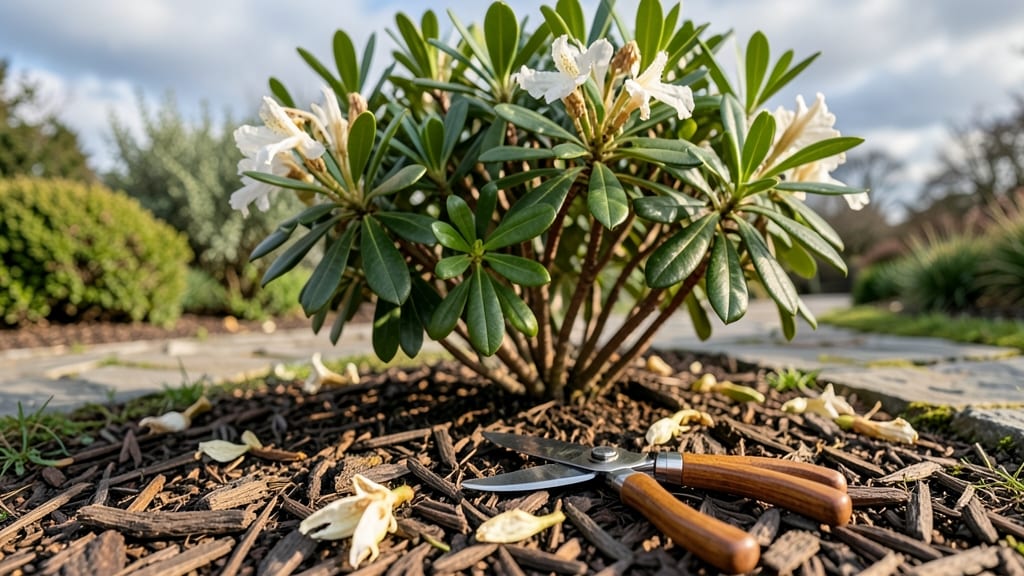
Pruning rhododendrons after blooming isn’t just about tidying up—it’s the secret to next year’s showstopping flowers. 🌸 I’ve learned the hard way that cutting too late can rob you of spring blooms, while doing it right keeps your shrubs lush and full for decades.
The key is timing: wait until after the flowers fade but before new buds form.
You’ll need just a few tools: clean, sharp pruners or loppers (sterilize them first!), and maybe a pair of shears for finer work. Grab a bucket for clippings and a hose to rinse tools between cuts—this keeps diseases from spreading. A 10-minute cleanup now saves hours of struggle later.
Start by snipping off spent blooms at the base of the flower stalk, then shape the shrub by thinning out crowded branches from the inside. Never cut more than 1/3 of the plant at once—rhododendrons hate drastic haircuts.
After pruning, give the roots a drink and top with 2-3 inches of mulch to protect them.
Southern gardens can prune anytime after blooming, but Northern growers should wait until late summer to avoid damaging next year’s buds. Watch for spider mites after pruning—they love stressed plants. With this method, your rhododendrons will reward you with denser foliage and bigger blooms next spring.
📚 In This Guide
- What you need
- Instructions
- Tips and common mistakes
- Wrapping up and next steps
What you need
- ● Bypass pruners: A sharp pair for clean cuts (look for ergonomic handles for comfort). Recommended size: 5–7 inches.
- ● Loppers: For thicker stems (1.5–2 inches in diameter). Opt for bypass or anvil-style with non-slip grips.
- ● Hand saw: For stubborn, woody branches (8–10 inches, with a fine-tooth blade to avoid tearing).
- ● Gloves: Heavy-duty, cut-resistant gloves (e.g., mechanics’ gloves) to protect from thorns and sap.
- ○ Disinfectant: 70% isopropyl alcohol or a pruning sealant (optional but helpful to prevent disease spread).
- ● Pruning shears with a ratchet mechanism for easier leverage on thick branches.
- ● Ladder or step stool: For high-reaching branches (ensure it’s stable and non-slip).
- ● Trash bags or bucket: To collect pruned branches and debris.
- ● Rake or leaf blower: For clearing fallen petals and small debris post-pruning.
- ● Check the weather: Prune on a dry, overcast day (avoid pruning in extreme heat or wet conditions).
- ● Wear long sleeves and closed-toe shoes to protect from scratches and sap.
- ● Have a clear plan of which branches to remove (refer to your rhododendron’s natural shape).
Step-by-step instructions for pruning rhododendrons after blooming
Revitalizing your rhododendrons after flowering is easier than you think—just follow these simple steps.
✂️ Step 1: Wait Until Flowers Fade Completely
Never prune while flowers are still open—wait until they’ve fully faded and seed pods form but haven’t dried out completely. This usually happens 4-6 weeks after blooming, depending on your climate. You’ll know it’s time when the old blossoms turn brown and the new growth begins pushing from the center of the plant.
If you prune too early, you risk cutting off next year’s flower buds, which form on last year’s growth. I always mark the date when flowers first appear to track this timing—it’s the best way to avoid mistakes. For late-blooming varieties, push pruning back until late summer.
🌿 Step 2: Remove Dead or Damaged Wood First
Start by inspecting the plant for any branches that are dead, diseased, or crossing. Dead wood looks dry and brittle, while diseased branches may have black spots or unusual growths. Use clean, sharp pruners to make cuts just above a leaf node or outward-facing bud—this encourages new growth in the right direction.
I always work from the bottom up, removing the worst offenders first. This keeps the plant balanced and prevents overcrowding. If a branch is larger than ½ inch in diameter, seal the cut with pruning sealant to prevent disease entry.
✂️ Step 3: Thin Out Overcrowded Branches
Next, focus on thinning the center of the plant to improve airflow and sunlight penetration. Look for branches growing inward or rubbing against others—these compete for resources and can lead to weak growth. Remove about 1/3 of the oldest, thickest branches, cutting them back to their base or a strong outward-facing bud.
Thinning creates space for new growth and prevents the classic "mophead" shape that blocks light from reaching the center. I like to step back every few cuts to visualize the plant’s structure—this helps me see what needs removing. Never remove more than 25% of the plant’s total growth in one season.
🌱 Step 4: Shape for Balance and Airflow
Now it’s time to refine the plant’s shape. Rhododendrons naturally grow in a rounded form, so avoid cutting back into the center too aggressively. Instead, focus on creating an open, vase-like structure by selectively trimming the outer edges. Use your pruners to make clean cuts at a 45-degree angle just above a bud or leaf.
For larger branches, I make the cut slightly above a bud that faces outward—this directs new growth away from the center. Avoid "heading back" (cutting into older wood) unless you’re rejuvenating a very overgrown plant. The goal is to maintain the plant’s natural shape while encouraging dense, healthy foliage.
💧 Step 5: Clean Up and Monitor Recovery
After pruning, rake up all clippings and dispose of them properly—never leave them under the plant, as they can harbor pests and diseases. Water the rhododendron deeply right after pruning to help it recover, especially if you’ve made large cuts. Mulch around the base with 2-3 inches of organic mulch to retain moisture and protect roots.
In the weeks following pruning, keep an eye out for new growth emerging from the center. This is a good sign your plant is responding well. Avoid fertilizing immediately after pruning—wait until new growth appears before applying a balanced, acid-loving plant fertilizer. With proper care, your rhododendron will reward you with even more vibrant blooms next season.
Tips & tricks for pruning rhododendrons after blooming
Pruning rhododendrons might seem intimidating, but these simple tricks will help you achieve a healthier, more vibrant plant every time.
Timing is Everything: The 4-6 week window after blooming is critical because that's when flower buds for next year are forming. I learned this the hard way—pruning too early can mean no flowers next spring! Mark your calendar when flowers first appear, then wait until they've turned completely brown and new growth emerges from the center. For late-blooming varieties, don't rush—wait until late summer when the risk of frost has passed.
Tool Preparation: Your pruners are more important than you might think. Always use clean, sharp tools to make precise cuts—dull blades crush stems instead of cutting cleanly, which can damage the plant. I keep a small bottle of rubbing alcohol handy to wipe down my pruners between cuts, especially when working with diseased branches. For larger branches over ½ inch in diameter, consider using a pruning saw to avoid tearing the bark.
Visualization Technique: Before making any cuts, step back and examine your plant from all angles. This helps you visualize the final shape and identify problem areas. I like to imagine the plant as a vase—open at the top, narrower at the bottom. When thinning in Step 3, focus on creating this natural shape by removing branches that grow inward or cross others. This single habit has made the biggest difference in my pruning results.
Recovery Care: The 2-3 inches of organic mulch after pruning isn't just decorative—it's essential for recovery. This layer helps retain moisture, regulates soil temperature, and prevents weeds from competing with your rhododendron. I always use pine bark or wood chips for their acidity, which matches rhododendrons' natural soil preferences. Water deeply after pruning, especially if you've made large cuts, to help the plant recover more quickly.
Pro Tips for Prune Rhododendrons After Blooming
- Pruning rhododendrons might seem intimidating, but these simple tricks will help you achieve a healthier, more vibrant plant every time.
- Timing is Everything: The 4-6 week window after blooming is critical because that's when flower buds for next year are forming.
- Tool Preparation: Your pruners are more important than you might think.
Frequently asked questions
Got questions about pruning rhododendrons? You’re not alone! Here are some of the most common concerns—and straightforward answers—to help you prune like a pro.
When is the exact best time to prune rhododendrons after blooming?
Prune right after the flowers fade but before new buds form—typically late spring to early summer (May–June in most zones). Avoid pruning in fall or winter, as it can stress the plant or leave it vulnerable to frost damage. Pro tip: If you miss the window, wait until early summer at the latest!
Do I need to sterilize my pruning tools before and after?
Sterilizing tools with rubbing alcohol or a 10% bleach solution prevents spreading diseases like Phytophthora (a fungal threat to rhododendrons). Wipe blades before and after pruning—especially if you’ve worked on other plants or diseased foliage. A quick scrub with soapy water works in a pinch!
What if my rhododendron didn’t bloom this year? Should I still prune?
Yes! Even non-blooming rhododendrons benefit from pruning to encourage airflow, remove dead wood, and shape the plant. Focus on thinning out crowded branches and cutting back any leggy growth. Check for stress signs (yellowing leaves, sparse growth) and adjust care—like ensuring acidic soil (pH 4.5–6.0)—to boost next year’s blooms.
I accidentally pruned too much—will my rhododendron survive?
Don’t panic! Rhododendrons are resilient, but severe pruning (cutting >1/3 of the plant) may delay blooming for a season. Focus on light, strategic cuts next time: remove only spent blooms and a few old stems. Over time, the plant will recover—just keep it well-watered and fertilized!
Can I prune rhododendrons in rainy weather?
Rainy days aren’t ideal because wet tools can spread disease, and soggy soil may make the plant more susceptible to root rot. Wait for dry, overcast conditions to prune. If you must work in light rain, sterilize tools frequently and avoid pruning if heavy downpours are forecasted.
Still unsure? Snap a photo of your rhododendron’s growth and ask for a second opinion—happy pruning!
Wrapping up and next steps
Pruning your rhododendrons after blooming isn’t just about tidying up—it’s your secret to bigger, healthier blooms next season! 🌸 By following these steps, you’ll encourage stronger growth, prevent overcrowding, and keep your shrubs looking their absolute best.
Now that you’re armed with the know-how, grab those shears and get pruning—your rhododendrons will thank you with a spectacular show in spring!
Ready to take it further? Monitor your plant’s progress over the next few months, and don’t hesitate to adjust your pruning approach based on how it responds. Happy gardening!