
Blooming
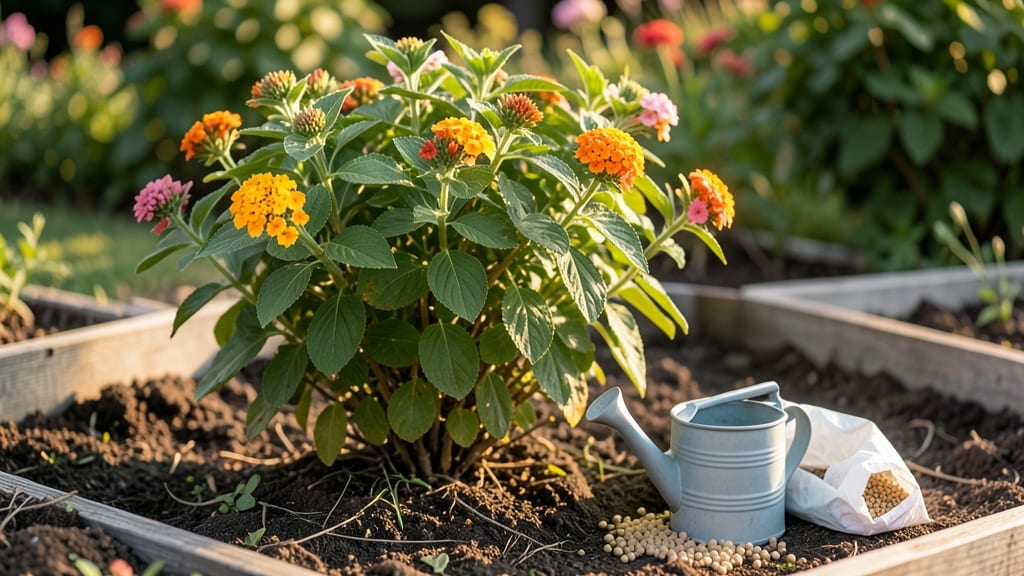
Lantana refuses to bloom when you ignore its natural growth habits—especially those early spring shoots. ✨ I’ve turned leggy, flowerless bushes into vibrant blooming powerhouses by mastering just one technique: strategic pinching. The secret isn’t complicated—it’s about redirecting energy from leafy growth to those showstopping clusters.
Start by pinching back the tips of new shoots when they’re about 4-6 inches tall, using just your fingers. This forces the plant to branch out, creating more flower-producing stems.
Most people overwater or fertilize too much, which delays blooming—lantana thrives on dry soil and bright, direct sun (at least 6+ hours daily).
Within 4-6 weeks, you’ll see bushier plants covered in bright orange, yellow, or pink blooms. The key is consistency: repeat pinching every 2-3 weeks during growing season, and avoid heavy pruning after mid-summer to preserve next year’s flowers.
Works for both container lantana and in-ground plants. Here’s how to keep those blooms coming all season—no more sad, sparse stems!
📚 In This Guide
- What you need
- Instructions
- Tips and common mistakes
- Wrapping up and next steps
What you need
- ● Healthy lantana plant(s): Mature or young (6+ months old) Lantana camara or similar varieties, potted or in-ground.
- ● Pruning shears or sharp scissors: Clean, sterilized tools (rubbing alcohol wipe works!). Avoid dull blades to prevent tearing.
- ○ Gloves (optional but recommended): Nitrile or leather gloves to protect from thorns and sap irritation.
- ● Well-draining potting mix: For potted lantanas—use a blend with perlite or sand (e.g., 60% potting soil, 30% perlite, 10% compost).
- ● Balanced fertilizer (10-10-10 or 20-20-20): Water-soluble or slow-release granules (follow label for dilution rates).
- ● Watering can or hose with a gentle spray nozzle: Avoid overwatering—lantanas hate soggy roots!
- ● Rooting hormone: For propagating cuttings (if you want to expand your lantana collection!).
- ● Mulch (e.g., pine bark or straw): Helps retain moisture and regulate soil temp—great for in-ground plants.
- ● Grow lights or sunny windowsill: If your lantana is indoors, ensure it gets 6+ hours of bright light daily.
- ● Pruning paste: Seals cuts to prevent disease (use on thick stems if needed).
- ● Notebook or app: Track pruning dates and blooming progress for future reference!
Step-by-Step guide to encouraging lantana blooms
Here's how I transform leggy lantana into a nonstop floral show—no mystery fertilizers or expensive tricks.
🌱 Step 1: Prune for Bushier Growth in Early Spring
When your lantana emerges from winter dormancy—usually in late March or April—cut back all stems by one-third using clean, sharp pruners. This shock treatment forces the plant to produce multiple side branches instead of one long, bare stem. I always prune just above a leaf node where new growth will emerge.
Remove any dead, diseased, or crossing branches first. You'll notice the plant looks shockingly bare, but within 4-6 weeks, those pruned stems will burst with fresh, compact growth. This is the foundation for your blooming season—skip it, and you'll get sparse, weak flowers.
✂️ Step 2: Pinch Back New Growth Regularly
Once your lantana starts actively growing, pinch back the tips of new shoots when they reach 4-6 inches. This simple technique prevents leggy growth and encourages the plant to produce more flowering side shoots. Use your fingers or small pruners to make the cut just above a set of leaves.
I do this every 2-3 weeks during the growing season. You'll see new growth sprout from the pinched areas within 7-10 days. The key is consistency—lantana responds beautifully to regular pruning, but if you neglect it, those long, bare stems will dominate and reduce flowering.
☀️ Step 3: Provide Full Sun and Proper Watering
Lantana thrives in full sun—6+ hours daily. If your plant isn't blooming, check its location first. Move it to a sunnier spot if needed, and you'll see a dramatic difference within weeks. The more sunlight, the more flowers it produces.
Water deeply but infrequently—lantana is drought-tolerant once established. Let the top 2 inches of soil dry out between waterings. Overwatering leads to weak growth and fewer blooms. You'll know you're doing it right when the plant has sturdy stems and vibrant green leaves without yellowing.
💧 Step 4: Feed Lightly During Blooming Season
Apply a balanced, water-soluble fertilizer (10-10-10 or similar) at half-strength every 4-6 weeks during the growing season. Lantana doesn't need heavy feeding—too much nitrogen promotes leafy growth at the expense of flowers. I switch to a low-nitrogen, high-phosphorus fertilizer (like 5-10-10) when buds start forming to encourage more blooms.
Stop fertilizing after mid-summer to let the plant prepare for winter. You'll notice flowers becoming more abundant and vibrant as the season progresses. If your lantana looks stressed or flowers drop off quickly, it's likely getting too much fertilizer—cut back immediately.
⏰ Step 5: Deadhead and Maintain Through Fall
Remove spent blooms regularly to encourage continuous flowering. Pinch back the stems just above a leaf node after deadheading—this promotes new growth and more flowers. I do this every 1-2 weeks during the blooming season.
As temperatures drop in late fall, reduce watering and stop fertilizing. Lantana is semi-evergreen in mild climates, but it benefits from a light pruning in late winter to shape it for the next season. You'll see the results of your efforts in the following spring—a bushy, vibrant plant covered in blooms.
Tips & tricks for perfect lantana blooms
These simple strategies will transform your leggy lantana into a vibrant, flower-filled powerhouse without the guesswork.
Pruning Precision: When you cut back those stems in Step 1, focus on making clean cuts just above a leaf node—this is where new growth emerges. I use sterilized pruners to prevent disease spread, and I never cut into old wood. The goal is to create a fuller shape, not just reduce size. After pruning, your plant might look shockingly sparse, but that's normal—think of it as a reset button for explosive new growth within those 4-6 weeks.
Pinching Technique: The key to successful pinching in Step 2 lies in timing and technique. Wait until shoots reach 4-6 inches before pinching—this ensures you're not removing too much at once. Use your thumb and forefinger to gently squeeze the stem between two leaves, then pull upward sharply. This method is faster than pruners and gives you more control. You'll notice tiny buds forming at the pinched spots within 7-10 days, signaling successful stimulation of new growth.
Sunlight Strategy: If your lantana isn't blooming, the first thing to check is its sunlight exposure. Step 3 emphasizes 6+ hours of direct sun daily, but quality matters more than quantity. Morning sun is ideal—it warms the plant gently without scorching. If you notice yellowing leaves, your plant might be getting too much harsh afternoon sun, especially in hot climates. Rotate the pot occasionally to ensure even sun exposure all around the plant.
Fertilizer Timing: The switch to low-nitrogen, high-phosphorus fertilizer in Step 4 is crucial for blooming. I recommend making this change when you first see flower buds forming. Too much nitrogen at this stage will send your plant into leafy overdrive instead of producing flowers. Remember to stop fertilizing after mid-summer—this gives your lantana time to harden off before winter. You'll see the most dramatic increase in blooms after this adjustment, typically within 2-3 weeks.
Pro Tips for Make Lantana Bloom
- These simple strategies will transform your leggy lantana into a vibrant, flower-filled powerhouse without the guesswork.
- Pruning Precision: When you cut back those stems in Step 1, focus on making clean cuts just above a leaf node—this is where new growth emerges.
- Pinching Technique: The key to successful pinching in Step 2 lies in timing and technique.
Frequently asked questions
Got questions about coaxing those vibrant lantana blooms? You’re not alone! Here are some of the most common concerns—and quick, actionable answers to help you grow a lush, flowering lantana bush.
Why isn’t my lantana blooming even after pinching back?
Lantanas need three key things to bloom: sunlight (6+ hours daily), well-draining soil, and regular pruning. If you’ve pinched back but still see sparse flowers, check for shady spots or overwatering. Deadhead spent blooms too—it encourages new growth!
How long does it take for lantana to bloom after pruning?
With proper care, you’ll see new buds in 4–8 weeks after pinching back young shoots. The first flush of flowers may be smaller, but subsequent blooms will pack more color! For faster results, use a balanced fertilizer (10-10-10) every 4–6 weeks during growing season.
Can I make lantana bloom in cooler climates?
Lantanas are tropical plants and thrive in USDA Zones 9–11. In cooler areas (Zones 8 or below), grow them in containers and bring them indoors before frost. Use a grow light or place them near a sunny window to maintain blooming.
What’s the best time of year to prune for maximum blooms?
Prune twice a year: early spring (to shape and encourage new growth) and late summer/early fall (to remove leggy stems). Avoid heavy pruning in winter—lantanas are semi-dormant then. Light trims to deadhead spent blooms can be done year-round!
Are there any alternatives to pinching if my lantana is already overgrown?
If your lantana is woody or unruly, opt for a hard prune (cutting back ⅓ of the plant) in early spring. For container-grown lantanas, a renewal prune (trimming all stems to 6–12 inches) can rejuvenate growth. Just water and fertilize consistently afterward!
Still stumped? Drop your lantana’s growing conditions in the comments—we’re happy to troubleshoot!
Wrapping up and next steps
With the right care—like pinching back young shoots, ensuring full sun, and balancing water and nutrients—your lantana can burst into a vibrant, nonstop floral show! 🌸 The key is patience and consistency, but the reward of those bright, butterfly-loving blooms is worth every effort.
Ready to transform your garden? Grab your pruners and get started today!
For extra tips, check out our guide on lantana care or share your progress with the gardening community—your blooms might inspire someone else’s green thumb! 🌿