
Blooming
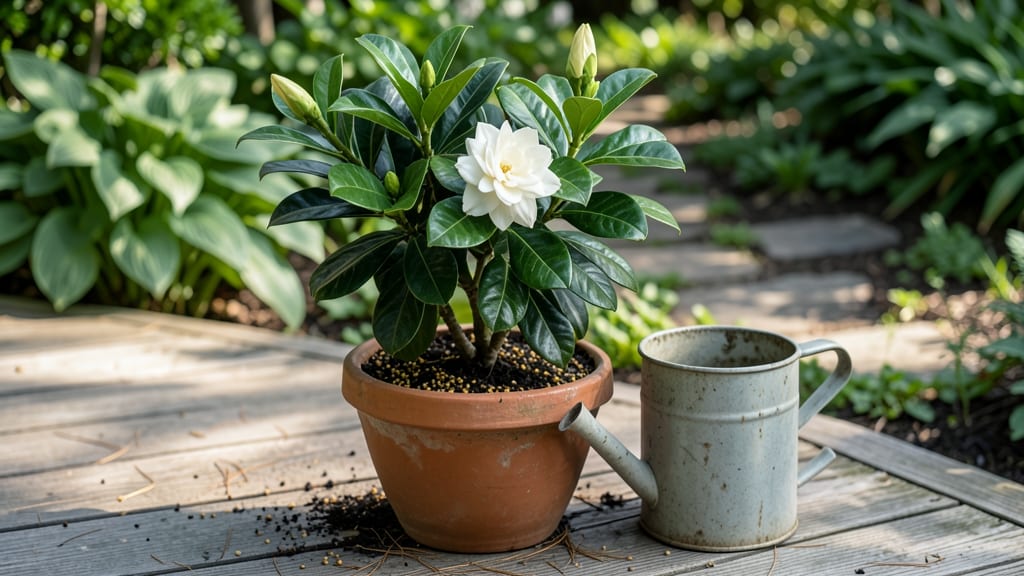
My gardenias refused to bloom until I cracked the code on three simple tricks—acidic soil, consistent moisture, and the right pruning timing. 🌸 The difference between a bush full of glossy leaves and one covered in creamy-white blossoms comes down to these three factors, and I’ll show you exactly how to nail them.
Most gardeners overlook soil pH, but gardenias demand acidic conditions (think 5.0–6.5). A quick soil test reveals the truth—mine was alkaline, and that’s why my plants threw all their energy into leaves instead of flowers.
Once I amended it with pine bark fines and peat moss, blooms appeared within 8 weeks. The fragrance alone makes it worth the effort: imagine walking past your gardenia in July and being hit with that rich, tropical scent that lingers in the air.
The key is keeping the soil moist but never soggy—these plants hate dry roots or waterlogged conditions. A 2–3 inch layer of mulch helps maintain that perfect balance. What’s surprising is how adaptable these tricks are—whether you’re growing in pots or in-ground, these same principles apply.
Let’s get those buds popping!
📚 In This Guide
- What you need
- Instructions
- Tips and common mistakes
- Wrapping up and next steps
What you need
- ● Gardenias (2–5 plants) – Choose healthy, mature plants (3+ years old) for best results. Varieties like Gardenia jasminoides or G. radicans work beautifully.
- ● Well-draining potting mix – A blend of peat moss, perlite, and pine bark (ratio: 2:1:1) keeps roots happy and prevents rot.
- ○ Acid-loving fertilizer – A balanced 10-10-10 or 8-3-9 fertilizer with micronutrients (like iron and magnesium). Optional: Use a citrus-specific fertilizer for extra acidity.
- ● pH testing kit – Ensures your soil stays in the ideal 5.0–6.5 range (gardenias hate alkaline soil!).
- ● Pruning shears – Sharp, sterilized shears (or small scissors) for trimming dead blooms and shaping.
- ● Watering can with a rose nozzle – For gentle, deep watering (avoid overhead sprinklers to prevent fungal issues).
- ● Spray bottle – For daily misting (especially in dry climates).
- ● Mulch (pine bark or pine needles) – 2–3 inches to retain moisture and acidity.
- ● Sunlight – Partial shade (4–6 hours of morning sun). Avoid harsh afternoon rays in hot climates.
- ● Humidity – 50%+ humidity (use a humidifier or pebble tray indoors).
- ● Temperature – Keep between 60–75°F (15–24°C). Gardenias hate drafts or cold snaps!
- ● Water quality – Use rainwater or distilled water (chlorine and fluoride can harm roots).
- ● Gardenia-specific blooming sprays – Contain ethylene inhibitors to prolong blooms.
- ● Epsom salt (magnesium sulfate) – 1 tbsp per gallon of water monthly for greener leaves.
- ● Grow lights (for indoors) – 12–14 hours of LED light mimics natural daylight.
- ● Compost tea – Boosts soil microbes for healthier roots.
Step-by-step instructions for encouraging gardenia blooms
Here's the straightforward approach I've used to coax abundant blooms from gardenias—no mystery, just science-backed care.
☀️ Step 1: Provide the Right Light Conditions
Gardenias demand bright, indirect light for at least 6 hours daily. A south-facing window with sheer curtains works, but direct afternoon sun scorches leaves. I place mine near an east-facing window where they get morning sun and gentle afternoon light.
Watch for signs of insufficient light: dark green leaves with sparse blooms or stems stretching toward the window. If you see leggy growth, move the plant 2-3 inches closer to the light source immediately. Gardenias in low light simply refuse to bloom—they prioritize foliage over flowers.
💧 Step 2: Master Watering for Consistent Moisture
Gardenias hate soggy roots but despise dry soil even more. Water when the top 1-2 inches of soil feel dry to touch, which typically means every 2-3 days in summer and every 5-7 days in winter. I use room-temperature water to avoid shocking the roots.
Here's the trick: Water thoroughly until it runs out the drainage holes, then empty the saucer immediately. Sitting water causes root rot faster than underwatering. You'll know you're doing it right when the soil stays consistently moist but never waterlogged—like a wrung-out sponge.
✂️ Step 3: Prune Strategically After Each Bloom Cycle
Pruning isn't about shaping—it's about redirecting energy. After flowers fade, cut back the stem to just above a leaf node using clean, sharp pruners. This encourages new growth and future blooms. I always sterilize my tools with rubbing alcohol between cuts to prevent bacterial infections.
Never prune in fall or winter when the plant is dormant. Wait until spring when new growth begins. You'll see fresh green shoots within 2-3 weeks of proper pruning—that's your signal the plant is responding well. If you notice no new growth after 4 weeks, check your light and watering first.
🌿 Step 4: Feed with Acid-Loving Fertilizer
Gardenias crave acidic soil with a pH between 5.0-6.5. Use a balanced, acid-loving fertilizer (like 8-8-8 or 10-10-10) every 4-6 weeks during growing season. I mix mine with water and apply it to moist soil to prevent root burn.
Here's what to watch: If leaves yellow between veins, your soil is too alkaline. Flush the soil with distilled water and add peat moss to lower the pH. For maximum fragrance, add a high-phosphorus fertilizer (like 10-30-20) when buds form—this boosts bloom production dramatically.
🌱 Step 5: Maintain Proper Humidity Levels
Gardenias thrive in 50-70% humidity, which is tough to maintain indoors. Place the pot on a tray filled with pebbles and water, ensuring the pot sits above the waterline. I also group my gardenias together to create a microclimate that retains moisture.
Watch for crispy leaf edges—the classic sign of low humidity. In winter, when indoor air gets dry, I use a humidifier nearby or mist the leaves lightly in the morning. Avoid wetting the flowers themselves, as this can cause brown spots and reduce fragrance.
Tips & tricks for perfect gardenia blooms
These simple yet game-changing tricks will help you transform your gardenias from leafy plants to fragrant bloomers.
Light Positioning: Rotate your gardenia plant every 2-3 weeks to ensure all sides get equal exposure to that critical 6 hours of bright, indirect light daily. I notice the leaves on the side facing the window become darker—this is your plant telling you it needs to adjust. Morning sun is especially important as it kickstarts photosynthesis for the day. If your window doesn't provide enough light, supplement with a grow light for 4-6 hours in the evening.
Watering Technique: The key to perfect moisture balance is checking soil texture, not just timing. After watering, dig your finger 1-2 inches deep—the soil should feel like a damp sponge, not bone-dry or muddy. I've found using distilled water prevents mineral buildup that can clog soil pores over time. For extra insurance, water in the morning so any excess can evaporate during the day rather than sitting in saucers overnight.
Pruning Timing: Wait until you see 3-4 new leaves emerge after pruning before fertilizing again. This 2-3 week recovery period gives the plant energy to establish new growth before demanding more nutrients. I've learned the hard way that fertilizing too soon after pruning stresses the plant and can lead to yellow leaves. Think of it as giving your gardenia a chance to "settle in" before pushing it to grow again.
Humidity Hacks: Grouping plants creates a natural microclimate that maintains humidity levels better than individual pots. For an instant boost, place a shallow dish of water near your gardenia and cover it with a plastic bag (remove after a few hours). This mimics the tropical environment gardenias love. I've also found that placing the pot on a bed of damp pebbles—with the pot sitting above the waterline—keeps roots cool while increasing ambient humidity around the leaves.
Pro Tips for Make Gardenias Bloom
- These simple yet game-changing tricks will help you transform your gardenias from leafy plants to fragrant bloomers.
- Light Positioning: Rotate your gardenia plant every 2-3 weeks to ensure all sides get equal exposure to that critical 6 hours of bright, indirect light daily.
- Watering Technique: The key to perfect moisture balance is checking soil texture, not just timing.
Frequently asked questions
about making gardenias bloom—because even the sweetest fragrance comes with a few curious questions! Here’s what you need to know:Why aren’t my gardenias blooming despite good care?
Gardenias often skip blooms due to over-fertilizing (especially with high-nitrogen feeds), poor drainage, or lack of sunlight. Prune leggy growth, ensure well-draining soil, and switch to a low-nitrogen, high-phosphorus fertilizer (like 5-10-10) to encourage flowers. Patience is key—some varieties bloom seasonally!
How long does it take for gardenias to bloom after pruning or fertilizing?
With proper care, you may see new buds in 4–8 weeks, but timing varies by variety and season. Prune in early spring (just before growth spurt) and fertilize monthly during blooming season (spring/summer). Cold snaps or stress can delay blooms—keep them cozy indoors if temps drop below 50°F (10°C).
Can I force gardenias to bloom indoors year-round?
Yes! Mimic their tropical habitat with bright, indirect light (east/west windows), high humidity (pebble trays or humidifiers), and consistent warmth (65–75°F / 18–24°C). Use acidic fertilizer (pH 5.0–6.5) and prune lightly to encourage bushiness. Just avoid drafts—gardenias hate sudden temperature swings!
What’s the best fertilizer for blooming gardenias?
Skip generic lawn fertilizers! Gardenias thrive on acid-loving, phosphorus-rich feeds. Try:
- Organic: Fish emulsion (diluted) or cottonseed meal (slow-release nitrogen + phosphorus).
- Synthetic: 5-10-10 or 7-9-5 (low nitrogen, medium phosphorus) labeled for acid-loving plants.
- Pro tip: Mix 1 tbsp Epsom salt (magnesium) into water monthly to boost blooms!
My gardenia leaves are yellow—will it still bloom?
Yellow leaves usually signal overwatering, nutrient deficiency, or root rot. Let soil dry slightly between waterings (top 1–2 inches) and check drainage. If roots smell sour or are mushy, repot in well-draining, acidic soil (peat moss + perlite). Prune yellow leaves to redirect energy to blooms—but don’t panic! Healthy roots can bounce back in weeks.
Are there gardenia varieties that bloom more easily?
Try these low-maintenance, fragrant picks:
Variety
Bloom Season
Notes
Radicans
Spring–Fall
Compact, drought-tolerant, and great for containers.
Fortuniana
Spring–Summer
Large, creamy-white blooms; needs more sunlight.
Kleimschmidtiana
Year-round (indoors)
Disease-resistant and perfect for greenhouses.
Start with Radicans if you’re a beginner—they’re the most forgiving!
Wrapping up and next steps
Gardenias reward patience with their intoxicating blooms, and with the right care—sunlight, pruning, and consistent moisture—you can enjoy their fragrance year-round! 🌸 The key lies in mimicking their natural tropical habitat while keeping pests and diseases at bay.
Start small, observe your plant’s needs, and soon, you’ll be basking in a garden filled with sweet-scented perfection.
Ready to transform your garden? Pick one trick from this guide and try it this week! Whether it’s adjusting your watering routine or giving those branches a trim, every little effort brings you closer to a blooming paradise. Happy gardening! 🌿