
Blooming
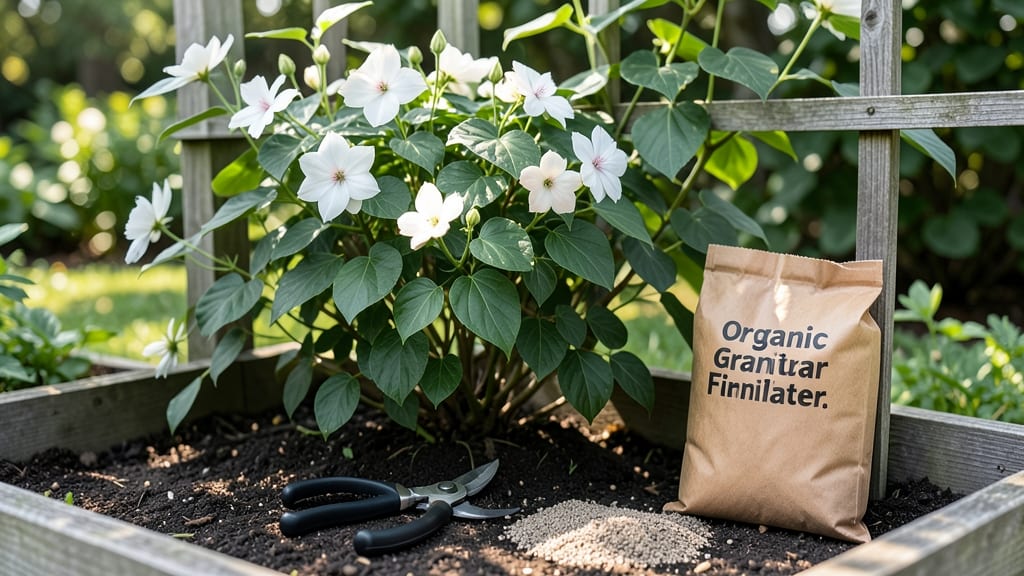
My clematis finally bloomed like crazy after I learned the three big secrets: pruning at the right time, feeding with the right nutrients, and giving it just enough sun. 🌸 The difference between a few sad flowers and a vine covered in blooms comes down to these three things—and I’ll show you exactly how to get it right.
First, sunlight is non-negotiable: 6 hours of morning sun (afternoon shade helps prevent scorching). Then, prune based on your variety—early bloomers need minimal cuts, while late bloomers thrive with aggressive trimming in early spring.
The soil should be rich in organic matter, and a slow-release fertilizer in early spring gives them the energy they need.
By mid-summer, you’ll see thick, healthy stems pushing new buds, and with proper support (like a trellis), those flowers will cascade like a waterfall. The key is consistency: feed, prune, and water deeply (but don’t drown them), and your clematis will reward you with blooms from spring to fall.
Even if you’ve struggled before, this method works—whether you’re dealing with a stubborn vine in a shady spot or a variety that just won’t cooperate. Let’s fix that and get those flowers going!
📚 In This Guide
- What you need
- Instructions
- Tips and common mistakes
- Wrapping up and next steps
What you need
- ● Pruning shears or loppers: Sharp, sterilized tools (bypass pruners for small stems, loppers for thicker branches). Size: 6–8" blades for precision.
- ● Gloves: Heavy-duty gardening gloves (to protect from thorns and sap). Tip: Choose breathable fabric with reinforced palms!
- ○ Balanced fertilizer: 10-10-10 or 20-20-20 NPK ratio (follow label for dosage). Optional: Slow-release granules for convenience.
- ● Compost or organic mulch: Aged compost or shredded bark (2–3 inches thick) to retain moisture and nutrients.
- ● Watering can or hose: With a gentle spray nozzle (clematis hates soggy roots!).
- ● Support structure (if needed): Trellis or obelisk: 6–8 feet tall for climbing varieties (e.g., Clematis montana).
- ● Cage or wire frame: For bushier types (e.g., Clematis armandii).
- ● Copper or sulfur-based fungicide: (For prevention of clematis wilt—apply before blooming season starts.)
- ● Epsom salt: 1 tablespoon dissolved in 1 gallon of water (magnesium boost for yellowing leaves).
- ● Moss or bark chips: For moisture retention around the base (great for drought-prone areas).
- ● Pruning sealant: (For large cuts—not essential but speeds healing.)
- ● Soil test kit: To check pH (ideal: 6.5–7.0; amend with lime or sulfur if needed).
- ● Shade cloth: 30–50% coverage for afternoon sun protection in hot climates.
Step-by-step instructions for encouraging nonstop clematis blooms
Here's the method I've used to transform stubborn clematis into flowering powerhouses—no black magic, just science-backed care.
✂️ Step 1: Prune Correctly Based on Your Variety
First, identify your clematis type: Group 1 (early bloomers, prune after flowering), Group 2 (repeat bloomers, light prune), or Group 3 (late bloomers, hard prune in early spring). I always check the flower color—white or blue flowers usually mean Group 3, while purple or pink often indicate Group 2.
For Group 3 (most common), cut back one-third of the stems to strong buds in early spring. Never remove healthy growth—you're shaping next year's blooms. I like to make cuts just above outward-facing buds to encourage bushier growth. Wear gloves; clematis vines have sharp thorns that snag sleeves.
☀️ Step 2: Provide the Right Sunlight and Support
Clematis needs 6+ hours of morning sun but afternoon shade—too much hot afternoon sun scorches the leaves. I plant mine near a south-facing wall where they get morning light but afternoon relief. The roots should stay cool (mulch heavily), while the top benefits from warmth.
Install a strong trellis or arbor at planting. Weak support leads to tangled vines that break under flower weight. I use metal cages for small varieties and wooden arbors for climbing types. Train new growth along the support immediately—waiting until it's established makes bending difficult.
🌿 Step 3: Feed with the Right Fertilizer Strategy
Clematis is a heavy feeder, but timing matters. In early spring, apply a balanced 10-10-10 fertilizer when new shoots emerge. I scatter granules around the base (not touching stems) and water deeply to activate them. For repeat blooming varieties, give a second feeding in early summer with low-phosphorus fertilizer (5-10-10) to encourage flowers over foliage.
Organic options work too—fish emulsion or compost tea every 4-6 weeks keeps roots happy. The key is consistency: clematis responds to steady nutrition, not occasional boosts. Yellowing leaves? You're overdoing nitrogen—switch to a bloom-focused formula immediately.
💧 Step 4: Water Deeply and Mulch Properly
Clematis roots run deep but hate drying out. Water 1-2 inches per week, deeper in summer heat. I check by pushing a finger 3 inches into soil—if dry, it's time to water. Drip irrigation at the base prevents fungal issues from overhead spraying.
Cover the soil with 3 inches of mulch (wood chips or straw) to retain moisture and regulate root temperature. Keep mulch 6 inches away from stems to prevent rot. The goal is cool roots and warm tops—this duality triggers blooming hormones.
⏰ Step 5: Deadhead and Monitor for Pests
Remove spent blooms regularly to redirect energy to new flowers. I pinch off faded blooms with my fingers (no shears needed) and check for clematis wilt (a fungal disease causing blackened stems). If you see it, prune infected stems immediately and avoid overhead watering.
Watch for aphids and spider mites on new growth. A strong spray of soapy water (1 tsp mild soap per gallon) works wonders. Healthy clematis grows 12+ inches per season—if growth stalls, it's either nutrient deficiency or pest damage.
Tips & tricks for perfect clematis blooms
Transforming clematis into a flowering powerhouse isn't just about following steps—it's about understanding the subtle cues that make all the difference. Here's what I've learned after years of trial and error.
Pruning Precision: When you're pruning Group 3 clematis in early spring, focus on making clean cuts just above outward-facing buds. I've found that using sharp bypass pruners makes all the difference—dull blades crush stems, inviting disease. Also, never cut more than one-third of the stems at once; this maintains the plant's energy balance for next year's blooms. The key is patience—wait until you see at least three strong buds on each stem before cutting.
Sunlight Strategy: That 6+ hours of morning sun is non-negotiable, but here's the trick: position your trellis or arbor to create a natural shade canopy in the afternoon. I've seen clematis leaves develop sunburn when exposed to direct afternoon rays, even with proper watering. For container-grown plants, consider a lightweight shade cloth (30-40% shade) during peak summer afternoons—it makes a noticeable difference in leaf health.
Fertilizer Timing: The early spring 10-10-10 application is critical, but here's what nobody tells you: water the fertilizer in immediately after application. I've seen many gardeners sprinkle it and forget—this leads to fertilizer burn. For organic options, I recommend using compost tea every 4-6 weeks, but dilute it to half-strength (1 part tea to 3 parts water) to prevent over-fertilizing. The goal is steady nutrition, not shock treatment.
Mulch Mastery: That 3-inch layer of mulch isn't just for looks—it's a temperature regulator. I've noticed that wood chips work better than straw for moisture retention, but they do break down faster. For long-term solutions, consider using pine bark nuggets—they last longer and provide excellent insulation. The critical detail? Keep that mulch 6 inches away from stems to prevent rot while still protecting roots from temperature extremes.
Pro Tips for Make Clematis Bloom
- Transforming clematis into a flowering powerhouse isn't just about following steps—it's about understanding the subtl...
- Pruning Precision: When you're pruning Group 3 clematis in early spring, focus on making clean cuts just above outwar...
- Sunlight Strategy: That 6+ hours of morning sun is non-negotiable, but here's the trick: position your trellis or arb...
Frequently asked questions
Got questions about coaxing those stunning clematis blooms? You’re not alone! Here are answers to the most common concerns—so you can enjoy a garden bursting with color all season long.
Why isn’t my clematis blooming at all?
Clematis often skips blooms due to pruning mistakes or poor sunlight. Early-blooming types (Group 1) need pruning after flowers fade, while late bloomers (Group 2/3) thrive with a hard cutback in early spring. Also, ensure it gets 6+ hours of sun—shady spots = fewer flowers!
When is the best time to prune for maximum blooms?
Timing depends on your clematis type:
- Group 1 (early bloomers): Prune right after flowering (late spring/early summer).
- Group 2 (repeat bloomers): Prune in late winter or early spring before new growth starts.
- Group 3 (late bloomers): Prune hard in early spring to encourage lush, late-season flowers.
Can I make clematis bloom indoors or in containers?
Yes! Choose compact varieties like ‘Jackmanii’ or ‘Nippon’ for containers. Ensure:
- Large pots (15+ gallons) with drainage holes.
- Well-draining soil + slow-release fertilizer.
- Bright, indirect light (morning sun is ideal).
What should I do if my cleatis has powdery mildew or leaf spots?
Fungal issues (like powdery mildew) often strike in humid, shaded spots. Fix it with:
Prevent future outbreaks: Plant in sunny spots and mulch to keep roots dry.
Is coffee grounds or eggshells a good fertilizer for clematis?
Yes! Both are great organic amendments:
- Coffee grounds: Add to soil for acidity (clematis prefers pH 6.0–7.0). Use sparingly—too much can harm roots.
- Eggshells: Crush and mix into soil for calcium, which strengthens stems. Or compost them first for slower release.
Wrapping up and next steps
With the right mix of pruning, sunlight, and nutrient-rich care, your clematis can burst into a dazzling display of blooms year after year! 🌸 Remember, patience and consistency are key—these stunning vines reward dedication with vibrant, long-lasting flowers.
Now that you’re armed with expert tips, grab your pruners and get ready to transform your garden into a floral paradise.
Want to go the extra mile? Experiment with varieties or share your progress with fellow gardening enthusiasts—your clematis journey is just beginning! 🌱