
Blooming
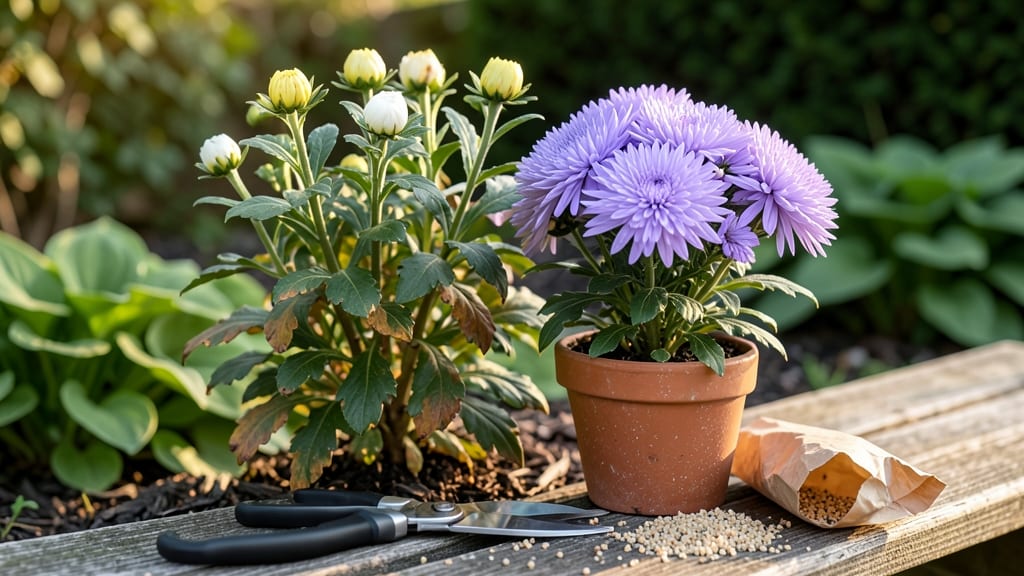
My chrysanthemums refuse to bloom—until I discovered the secret to forcing those vibrant flowers. 🌼 The trick isn’t just sunlight or fertilizer; it’s timing deadheading, pinching, and a few other moves that trick the plant into producing nonstop blooms.
I went from sparse stems to a garden full of color by mid-summer, and you can too.
Start with the basics: full sun (6+ hours daily) and well-draining soil. Then, the real magic happens with pinching—snipping the top growth in early summer to encourage branching. Deadhead spent blooms religiously, and feed with a balanced fertilizer every 4-6 weeks.
My plants now produce blooms from early fall through frost, with a few hardy varieties even flowering in spring.
By late summer, you’ll see buds forming along those new branches. The key is consistency—water deeply but let the top inch dry between waterings, and avoid over-fertilizing once blooms appear.
I’ve even had chrysanthemums rebloom in containers on my patio by following this routine. The payoff? A garden that stays showstopping when others fade.
This method works for both garden beds and pots, and even extends the season in cooler climates. The only rule? Stay patient—chrysanthemums reward persistence with months of color. Ready to transform your garden into a nonstop floral display?
📚 In This Guide
- What you need
- Instructions
- Tips and common mistakes
- Wrapping up and next steps
What you need
- ● Chrysanthemum plants (varieties like 'Bonanza,' 'Dynasity,' or 'Mammoth' for best results)
- ● Well-draining potting mix (or garden soil amended with compost, 1 part compost to 3 parts soil)
- ● Containers or garden bed (ensure pots have drainage holes; minimum 12-inch diameter for mature plants)
- ● Pruning shears or sharp scissors (sterilized with rubbing alcohol to prevent disease)
- ● Balanced fertilizer (10-10-10 or 20-20-20, diluted to half-strength)
- ● Watering can or hose with a gentle spray nozzle
- ○ Mulch (optional but recommended) (shredded bark or straw, 2-3 inches thick)
- ● Growth regulator (like Paclobutrazol, to encourage bushier blooms)
- ● Slow-release fertilizer granules (for convenience)
- ● Garden gloves (to protect hands during pruning)
- ● Plant supports (stakes or cages for taller varieties)
- ● pH test kit (ideal soil pH: 6.0–7.0)
How to encourage chrysanthemums to bloom longer
Here's the method I've used for years to keep my mums flowering from early fall through winter.
🌿 Step 1: Choose the Right Variety for Your Climate
Not all chrysanthemums bloom equally. For year-round color, select hardy garden mums like 'Bonanza' or 'Bright Lights' series—they thrive in zones 5-9. If you're in a warmer zone, opt for spray types like 'Crimson Beauty' that produce multiple blooms per stem.
I always check the plant tag for bloom time—some varieties are bred for fall only, while others will rebloom with proper care. The key is selecting plants that naturally extend their season, not forcing short-season types to perform.
☀️ Step 2: Provide Proper Light and Temperature Conditions
Chrysanthemums need 6-8 hours of direct sun daily to set buds. Place them where they get morning sun and afternoon shade in hot climates—too much midday heat causes buds to drop before opening. I've found that 50-60°F daytime temps with 40-50°F nights trigger the best blooming.
If your summers run hotter, move potted mums to partial shade during peak heat. The buds form when days shorten and nights cool—this is why they bloom so reliably in fall. In containers, I use white-washed pots to reflect excess heat and keep roots cooler.
✂️ Step 3: Master the Art of Strategic Deadheading
This is where most gardeners go wrong. Don't just cut off dead flowers—prune back to the first set of healthy leaves below the bloom. I use clean, sharp pruners to make cuts at a 45-degree angle, which helps water run off stems and prevents rot.
For continuous blooming, deadhead every 2-3 days during peak season. Watch for new buds forming in the leaf axils—these are your next blooms. If you see leggy growth with no buds, your plant needs more light or fertilizer.
💧 Step 4: Fertilize and Water for Extended Blooms
Feed with a balanced 10-10-10 fertilizer every 4-6 weeks during growing season, then switch to a low-nitrogen, high-phosphorus formula (5-10-10) when buds form. I mix fertilizer with water and apply it directly to the soil, avoiding the foliage to prevent burn.
Water deeply once weekly (more in containers), keeping soil evenly moist but never soggy. The secret to long blooming is consistent moisture without overwatering. Let the top inch of soil dry between waterings—wilting flowers often mean thirst, not heat stress.
⏰ Step 5: Extend the Season with Proper Winter Care
In colder zones, cut back stems to 6 inches tall after first frost, then mulch heavily with 3-4 inches of straw or leaves. This protects the crown from freezing. In mild climates, leave foliage intact—it insulates the plant naturally.
For indoor winter blooming, bring potted mums inside before temps drop below 30°F. Place them in a bright, cool room (50-55°F) and continue deadheading. You'll often get a second flush of blooms in winter with this method.
Tips & tricks for encouraging chrysanthemums to bloom longer
These simple strategies will help you coax vibrant blooms from your chrysanthemums well beyond their usual season.
Light and Temperature Mastery: The 6-8 hours of direct sun is non-negotiable for bud formation, but timing matters too. Place your plants where they get morning sun and afternoon shade during hot summer months—this prevents buds from dropping before opening. I've found that moving pots to a shaded area during peak afternoon heat (around 1-4 PM) makes a huge difference in bud retention.
Deadheading Technique: When you're pruning back to the first set of healthy leaves, make sure you're cutting at that 45-degree angle—this isn't just for aesthetics. The angled cut helps water run off stems, preventing rot that can kill your plant before it gets a chance to rebloom. I always sterilize my pruners between cuts with rubbing alcohol to prevent disease spread.
Fertilizer Timing: The switch from 10-10-10 to 5-10-10 when buds form is crucial. Too much nitrogen at this stage will produce leafy growth at the expense of flowers. I like to apply the second fertilizer right when I see those tiny green buds forming in the leaf axils—this gives the plant exactly what it needs for bloom development without overstimulating foliage.
Winter Care Strategy: For indoor winter blooming, don't bring your mums inside until temperatures drop below 30°F—this gives them time to harden off naturally. Once inside, place them in the brightest spot you have (even a south-facing window) and maintain that 50-55°F temperature range. I've had plants rebloom beautifully in winter with this method, often producing a second flush of flowers.
Pro Tips for Make Chrysanthemums Bloom
- These simple strategies will help you coax vibrant blooms from your chrysanthemums well beyond their usual season.
- Light and Temperature Mastery: The 6-8 hours of direct sun is non-negotiable for bud formation, but timing matters too.
- Deadheading Technique: When you're pruning back to the first set of healthy leaves, make sure you're cutting at that 45-degree angle—this isn't just for aesthetics.
Frequently asked questions
When is the best time to deadhead chrysanthemums for blooms?
Deadhead right after a bloom fades—ideally in the morning when flowers are still crisp. For fall-blooming mums, start in early summer; for year-round varieties, repeat every 2–3 weeks. Pro tip: Snip just above a set of leaves (not bare stems) to encourage new growth!
Why aren’t my chrysanthemums blooming, even after deadheading?
Blooms might skip if your plant is overfed with nitrogen (focus on phosphorus/potassium instead) or lacks sunlight (6+ hours daily). Check for pests (aphids, spider mites) too—stressed plants bloom less. Fix it: Trim back leggy growth and move to sunnier spot.
Can I make chrysanthemums bloom indoors year-round?
Use grow lights (12–14 hours/day) and a cool room (55–65°F). Deadhead religiously and fertilize lightly every 4 weeks. Bonus: Varieties like ‘Daisy Mums’ or ‘Cushion Mums’ thrive indoors. Just avoid drafts—consistent temps = happy blooms!
How often should I fertilize chrysanthemums for continuous blooms?
Feed every 4–6 weeks with a balanced 10-10-10 or bloom-boosting 5-10-5 fertilizer. Switch to a low-nitrogen formula (like 2-7-7) once buds form. Overdoing it? Can lead to lush leaves but no flowers.
What’s the fastest way to revive a chrysanthemum that’s stopped blooming?
Give it a hard prune (cut back ⅓ of the plant) and move it to bright, indirect light. Soak roots in water for 10 mins if soil feels dry. Add a phosphorus-rich fertilizer (like bone meal) to jumpstart blooming. Most mums bounce back in 4–6 weeks!
Wrapping up and next steps
With the right care—like deadheading, proper sunlight, and balanced watering—your chrysanthemums can thrive and bloom beautifully year-round! 🌸 Remember, patience and consistency are key, so don’t rush the process.
Now that you’re armed with these tricks, why not share your blooming success with fellow gardeners or experiment with new varieties? Happy gardening!