
Container Gardens
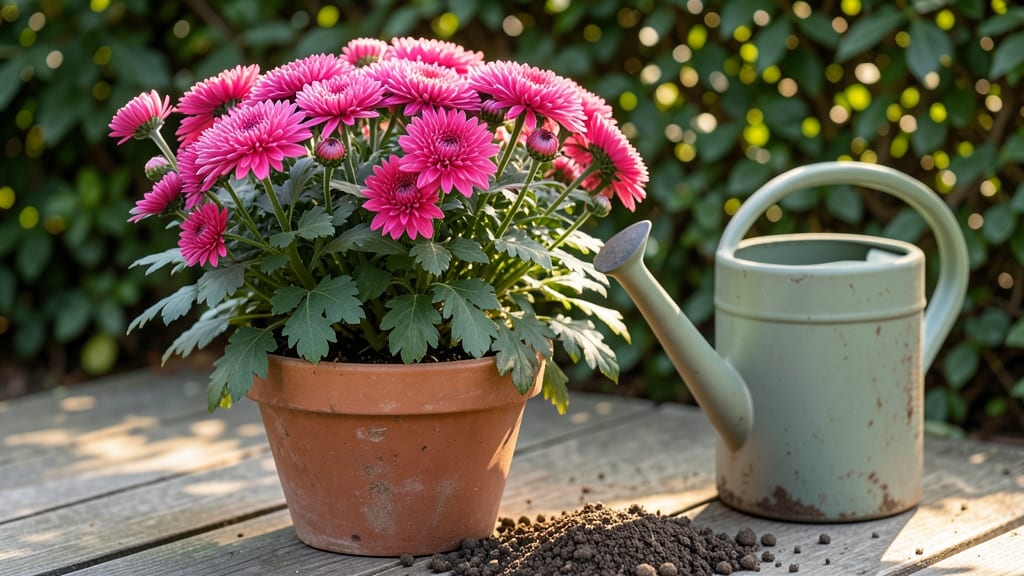
Here’s how to keep potted mums blooming past October—it’s easier than you think, and the secret starts with deadheading (plus a few seasonal tweaks). 🌼 I’ve turned my fall display into a near-year-round showstopper by tweaking light, water, and food at the right times.
Start with 6-8 hours of sunlight daily—mums need more than most plants admit. Water when the top inch feels dry (not soggy), and feed with balanced fertilizer every 4-6 weeks until early summer.
Then switch to a low-nitrogen formula to push blooms instead of leaves. The magic happens when you prune spent blooms back to the next set of leaves—this tricks the plant into producing more flowers.
Winter care is where most people fail: move pots to a bright, frost-free spot and cut back on watering. A light mulch layer keeps roots cozy without rotting. By spring, you’ll see fresh buds forming—proof the plant’s been resting right.
The payoff? Three full bloom cycles instead of one, with flowers that last weeks longer than store-bought pots.
Troubleshooting bud drop? Too much water or sudden temperature swings are usually guilty. Sparse blooms? Over-fertilizing with nitrogen (the plant’s growing leaves, not flowers). Stick with these adjustments, and your mums will outlast every neighbor’s fall display—and then some.
📚 In This Guide
- What you need
- Instructions
- Tips and common mistakes
- Wrapping up and next steps
What you need
- ● Potted mums (Chrysanthemums): Choose healthy plants with at least 3-5 buds per stem. Opt for hardy varieties (like 'Autumn Joy' or 'Mammoth') for longer blooming.
- ● Well-draining potting mix: A high-quality blend (e.g., 50% peat moss, 30% perlite, 20% compost) or a pre-mixed container soil with added fertilizer.
- ● Pruning shears or clean scissors: Sharp tools (sterilized with rubbing alcohol) to snip spent blooms and stems.
- ● Watering can or hose with a gentle nozzle: Avoid overwatering—aim for 1-1.5 inches of water per week (adjust for climate).
- ● Balanced liquid fertilizer (10-10-10 or 20-20-20): Dilute to half-strength and apply every 2-3 weeks during the growing season.
- ○ Mulch (optional but helpful): Shredded bark or straw to retain moisture and regulate soil temperature.
- ● Slow-release granules: Mix into soil at planting for steady nutrients (e.g., Osmocote 14-14-14).
- ● Epsom salt: 1 tbsp per gallon of water monthly for magnesium boost (great for leafy but non-blooming mums).
- ● Garden gloves: Protect your hands from thorns or rough stems.
- ● Reflective mulch or light-colored pots: Helps prevent overheating in hot climates.
- ● Grow lights (indoor mums): 12-14 hours of bright, cool-white LED light if overwintering inside.
Step-by-step instructions for year-long potted mum care
Here's the foolproof method I've used to keep my mums flowering through fall and even into winter.
🌱 Step 1: Select the Right Variety and Container
Choose hardy garden mum varieties (like 'Autumn Joy' or 'Purple Dome') bred for container growing. These tolerate cooler temperatures better than florist mums. Select pots with drainage holes—at least 12-14 inches wide for each plant to accommodate their spreading roots and ensure stability.
I always opt for unglazed terra cotta because it breathes better than plastic, preventing root rot. Fill the pot with well-draining potting mix (never garden soil) mixed with perlite or sand for aeration. The right container makes all the difference—your mums will reward you with stronger blooms and longer vase life.
☀️ Step 2: Position for Optimal Light and Temperature
Mums need full sun (6-8 hours daily) for peak blooming, but afternoon shade in hot climates prevents leaf scorch. I place mine on a patio or balcony where they get morning sun and afternoon shade from nearby structures. In winter, move them to a bright, cool location (like a garage with natural light) where temperatures stay between 40-50°F.
Never let them sit in below 30°F—this triggers dormancy and halts blooming. If frost threatens, cover with a breathable frost cloth at night. The key is balance: enough light for flowers but protection from extreme cold or heat stress.
💧 Step 3: Water Deeply and Consistently
Water when the top inch of soil feels dry—stick your finger in to check. Mums hate soggy roots but also despise drought stress. I water deeply until it drains from the bottom, then empty the saucer to prevent root rot. In summer, you may need daily watering, while winter care drops to every 5-7 days.
Use room-temperature water to avoid shocking the roots. Yellowing leaves often signal overwatering, while crispy edges mean underwatering. Adjust your schedule based on weather—rainy days mean less supplemental water, while windy conditions increase evaporation.
✂️ Step 4: Deadhead Religiously for Continuous Blooms
This is the secret to year-long color: deadhead spent blooms immediately by snipping the flower head and the first set of leaves below it. I use clean, sharp pruners to avoid damaging stems. Remove only the faded blooms—never cut into fresh buds. This encourages the plant to redirect energy into new flowers instead of seed production.
Do this every 2-3 days during peak bloom season (fall). If you skip deadheading, your mums will focus on setting seed and stop producing flowers. I also trim back leggy stems by one-third in early spring to promote bushier growth and more blooms later in the season.
🌿 Step 5: Fertilize Strategically for Long-Lasting Blooms
Feed every 2-3 weeks during the growing season (spring through fall) with a balanced, water-soluble fertilizer (like 10-10-10) diluted to half strength. Stop fertilizing in late summer to encourage blooming instead of leafy growth. In winter, reduce feeding to once a month with a low-nitrogen formula (like 5-10-10) to support dormancy without promoting new growth.
Over-fertilizing leads to lush foliage but few flowers. I always check the soil moisture before fertilizing—never apply when the soil is dry. If you see dark green leaves with sparse blooms, you're overdoing it. Adjust your schedule based on the plant's response, not the calendar.
Tips & tricks for perfect year-long potted mum care
These insider tricks will help you extend your mums' vibrant display well beyond the typical fall season.
Variety Matters: When selecting your hardy garden mum varieties like 'Autumn Joy' or 'Purple Dome', look for plants labeled "container-friendly" or "long-blooming". These specific cultivars have been bred to handle the stress of pot culture and cooler temperatures better than standard florist mums. I've found that the 'Autumn Joy' variety often blooms until the first hard frost, while 'Purple Dome' can continue flowering into winter with proper care. The difference in bloom duration comes from their genetic resilience to temperature fluctuations.
Container Wisdom: The 12-14 inch pot size recommendation isn't arbitrary—it's about root development. Mums spread their roots horizontally, and this width gives them room to establish without becoming root-bound. For terra cotta pots specifically, I recommend pre-soaking them for 10 minutes before planting. This helps prevent the pot from wicking moisture away from the roots too quickly, which is especially important during those hot summer afternoons when evaporation rates are highest.
Light Management Secret: The 6-8 hours of daily sun requirement is crucial, but timing matters just as much. Position your mums to receive morning sun (which is less intense) and afternoon shade. I've noticed that placing them near west-facing windows or under patio covers provides that perfect balance. In particularly hot climates, you might need to move them to shaded areas by early afternoon to prevent leaf scorch, which can weaken the plant and reduce flowering potential.
Deadheading Discipline: The every 2-3 days deadheading schedule might seem frequent, but it's what keeps your mums producing new blooms. I keep a small pair of pruners dedicated solely to this task, stored right next to my potted mums. When you see a bloom start to fade, remove it immediately—don't wait until it's completely brown. This prevents the plant from wasting energy on seed production. The key is to cut just above a set of healthy leaves where new growth can emerge.
Pro Tips for Keep Potted Mums Blooming
- These insider tricks will help you extend your mums' vibrant display well beyond the typical fall season.
- Variety Matters: When selecting your hardy garden mum varieties like 'Autumn Joy' or 'Purple Dome', look for plants labeled "container-friendly" or "long-blooming".
- Container Wisdom: The 12-14 inch pot size recommendation isn't arbitrary—it's about root development.
Frequently asked questions
Got questions about keeping your potted mums vibrant and blooming? Here are some common ones—and the answers you need to keep those flowers happy all season!
Why are my potted mums not blooming even after deadheading?
If your mums aren’t blooming, they might need more sunlight (at least 6-8 hours daily), proper fertilization (use a balanced, water-soluble fertilizer every 2-3 weeks), or better drainage. Overcrowded roots or underwatering can also stunt growth. Check soil moisture and adjust care accordingly!
How long do potted mums typically bloom, and can I extend their flowering season?
Potted mums usually bloom for 4-6 weeks with proper care. To extend their season, deadhead regularly, keep them well-watered, and fertilize lightly. Move them to cooler spots at night if temperatures rise above 75°F (24°C), as heat can shorten blooming time.
Can I keep potted mums blooming indoors, or do they need outdoor conditions?
Mums thrive outdoors but can bloom indoors with bright, indirect light (like a south-facing window) and consistent care. Use grow lights if natural light is limited, and avoid drafts or sudden temperature changes. However, blooms may be fewer or shorter-lived compared to outdoor plants.
What should I do if my potted mums have pests like aphids or spider mites?
Start by rinsing plants with water to dislodge pests, then apply neem oil or insecticidal soap (follow label instructions). For severe infestations, use a systemic insecticide. Keep plants healthy with proper watering and fertilization to deter pests—stressed mums attract more bugs!
How do I prepare potted mums for winter storage if I live in a cold climate?
Trim back foliage, repot if roots are crowded, and store in a cool (35-45°F or 2-7°C), dark place (like a garage). Water sparingly to keep soil slightly moist. In spring, resume regular care, and they’ll reward you with fresh blooms!
Wrapping up and next steps
Keeping your potted mums blooming year-round is all about consistent care—deadheading spent blooms, providing the right light and nutrients, and adjusting for seasonal changes. With these simple tricks, you’ll enjoy vibrant flowers well beyond their usual fall display! 🌸
Ready to put your new skills into action? Start by inspecting your mums this week—trim those fading blooms and give them a little extra love. Your garden (and neighbors!) will thank you for the stunning results.