
Blooming
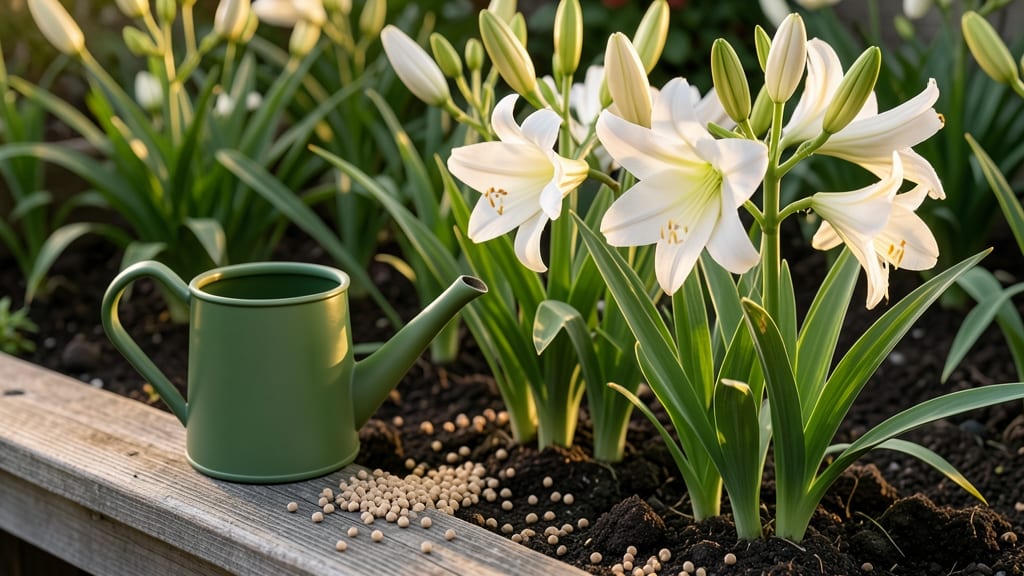
Keeping lilies blooming year after year is all about understanding their stubbornness—and working with it. 🌸 I’ve had my stubborn Asian lilies refuse to rebloom for years until I cracked the code on timing, food, and pruning.
The secret isn’t forcing them—it’s giving them exactly what they need when they need it.
Start with the right soil: well-draining, rich in organic matter, and amended with compost. Water deeply but infrequently—lilies hate soggy roots—and fertilize in early spring with a balanced organic fertilizer. Prune spent blooms just above the next set of leaves to redirect energy into next year’s buds, not seed pods.
Most gardeners mess this up by cutting too low or too late.
By mid-summer, your lilies will send up new shoots—this is your warning to stop fertilizing. Let them focus on storing energy for next spring. With this rhythm, you’ll see those dramatic blooms return reliably, year after year, with minimal fuss.
The payoff? Stunning, long-stemmed blooms that make cutting gardens look easy.
Works for Asiatic, Oriental, and Trumpet lilies alike, even in small spaces. Here’s how to keep them thriving without the guesswork—no more one-hit wonders in your garden.
📚 In This Guide
- What you need
- Instructions
- Tips and common mistakes
- Wrapping up and next steps
What you need
- ● Ready to turn your lilies into blooming superstars? Here’s everything you’ll need to keep them thriving and reblooming like clockwork! 🌸✨
- ● Pro tip: 💡 Test your soil’s pH (aim for 6.1–7.0)—lilies hate soggy, acidic soil! Adjust with lime if needed.
Step-by-step guide to encouraging lilies to rebloom year after year
Here’s how I’ve kept my lilies flowering reliably for seasons—no black magic, just smart care.
🌱 Step 1: Plant Bulbs in the Right Spot for Long-Term Growth
Lilies need full sun—at least 6-8 hours daily—to build the energy for reblooming. I dig holes 6-8 inches deep (twice the bulb’s height) and space them 12-24 inches apart so roots spread without crowding. The key is well-draining soil—amend heavy clay with compost or sand if needed. I always plant bulbs in fall, about 6-8 weeks before your first frost, so they establish roots before winter.
Don’t bury bulbs too deep—they’ll rot. If your soil stays soggy, add a 2-inch layer of gravel at the bottom of the hole. Mulch lightly with 2-3 inches of organic mulch (like shredded bark) after planting to protect roots in winter. You’ll know you’ve got it right when new shoots emerge 4-6 weeks after planting—that’s your first sign of success.
☀️ Step 2: Feed for Strength and Encourage Reblooming
Lilies are hungry rebloomers. In early spring, when shoots are 4-6 inches tall, I apply a balanced, slow-release fertilizer (like 10-10-10) at half the recommended rate. This jumpstarts growth without burning tender roots. Then, after flowering, I switch to a low-nitrogen, high-phosphorus fertilizer (like 5-10-10) to boost bulb energy for next year’s blooms. I never fertilize in late summer or fall—that encourages weak, late growth that won’t survive winter.
Organic options work too: A thin layer of compost or fish emulsion in spring keeps things natural. Watch for yellowing leaves—that’s a sign of over-fertilizing. Healthy lilies have deep green, stiff stems and no signs of stress after feeding.
💧 Step 3: Water Deeply but Strategically
Lilies hate soggy feet but need deep watering to establish strong roots. Water once a week during active growth (spring through early summer), soaking the soil 6-8 inches deep. You’ll know it’s right when water drains through the bottom of the planting hole—no puddles. Once buds form, reduce watering to keep blooms from splitting. In late summer, let the soil dry out slightly to prepare bulbs for dormancy.
Mulch helps regulate moisture. A 2-inch layer of straw or wood chips keeps soil cool and retains water without suffocating roots. If your area gets hot, dry summers, I water every 5-7 days and always in the early morning to prevent fungal issues. Avoid wetting leaves—water at the base only to keep lilies disease-free.
✂️ Step 4: Deadhead and Prune for Next Year’s Blooms
After flowers fade, cut back the flower stalk (but never the leaves) to redirect energy to the bulb. I snip stalks 1-2 inches above the foliage with clean shears. The leaves stay until they yellow naturally—this is how lilies store nutrients for reblooming. If you cut leaves too soon, the bulb won’t have enough energy to flower again.
In late fall, after leaves turn brown, I trim them back to 2 inches above the ground. This keeps the garden tidy but leaves enough foliage to protect the bulb over winter. Never remove all the leaves—that’s a surefire way to kill reblooming. Healthy lilies will push new shoots from the same spot year after year if you let them rest properly.
⏰ Step 5: Protect Bulbs Over Winter for Spring Reblooms
Lilies need cold dormancy to rebloom reliably. In zones 5-7, I leave bulbs in the ground with 4-6 inches of mulch (like straw or leaves) to insulate roots. In colder zones (3-4), I add 8-12 inches of mulch or even burlap wraps around clumps for extra protection. The goal is to keep soil temps above freezing but prevent heaving from freeze-thaw cycles.
Don’t dig up bulbs unless you’re moving them—lilies hate being disturbed. If you must relocate, do it after foliage dies back in late fall. Mark their spots with stakes or flags so you don’t accidentally dig them up next spring. With this care, my lilies rebloom within 2-3 years—sometimes even the first year if planted early enough!
Tips & tricks for perfect lily reblooming
These little adjustments make all the difference between one-time blooms and reliable year-after-year shows.
Sunlight Strategy: Those 6-8 hours of daily sun are non-negotiable, but here's what I've learned: If your lilies get partial shade (like morning sun only), they'll still grow but may skip reblooming. I've seen this happen with lilies planted under tall trees—move them to a sunnier spot if they're not reblooming after 2-3 years. For maximum blooms, position them where they get sun from late morning through early evening when temperatures are milder.
Fertilizer Timing: The switch from balanced fertilizer (10-10-10) in spring to high-phosphorus (5-10-10) after flowering is crucial—but here's the secret: I apply the second feeding right after I deadhead the flowers. This gives the bulb maximum time to store nutrients before dormancy. If you miss this window, you'll get fewer blooms next season. Watch for those deep green, stiff stems as your success indicator.
Watering Watch: The "once a week" watering rule works for most climates, but I've found that in hot, dry summers (like 90°F+), lilies need that every 5-7 days adjustment. The key is checking soil moisture 2 inches down—if it's dry, water deeply. I always water at the base and avoid wetting leaves to prevent fungal issues. That 6-8 inch deep soak is what builds strong roots for next year's blooms.
Winter Protection: Don't skimp on mulch in colder zones! I've seen bulbs survive winters with just 4-6 inches of mulch, but they often produce fewer blooms. For zones 3-4, that 8-12 inches makes all the difference. I use straw because it breaks down slowly and provides consistent insulation. The goal is to keep soil temps above freezing—this is what triggers reliable reblooming the following spring.
Pro Tips for Keep Lilies Blooming
- These little adjustments make all the difference between one-time blooms and reliable year-after-year shows.
- Sunlight Strategy: Those 6-8 hours of daily sun are non-negotiable, but here's what I've learned: If your lilies get partial shade (like morning sun only), they'll still grow but may skip reblooming.
- Fertilizer Timing: The switch from balanced fertilizer (10-10-10) in spring to high-phosphorus (5-10-10) after flowering is crucial—but here's the secret: I apply the second feeding right after I deadhead the flowers.
Frequently asked questions
Got questions about keeping your lilies blooming like clockwork? You’re not alone! Here are some of the most common concerns—and their solutions—to help you master the art of year-after-year lily magic.
Why won’t my lilies rebloom after the first flush?
Most lilies are perennial but need proper care to rebloom. If yours skip the second show, check for overwatering (root rot risk!), poor sunlight (6+ hours daily is key), or lack of nutrients. Try dividing clumps every 3–4 years to refresh growth. Patience pays off—some varieties bloom twice a year once established!
When is the best time to fertilize lilies for reblooming?
Feed lilies twice a year: early spring (when shoots emerge) with a balanced 10-10-10 fertilizer, and mid-summer (after first bloom) with a phosphorus-heavy 5-10-10 to encourage root and bulb strength. Avoid high-nitrogen fertilizers in fall—they promote leafy growth but not blooms!
Can I keep lilies blooming in containers?
Use a large pot (at least 12" deep) with well-draining soil and add compost or bulb fertilizer. Place containers in full sun and water deeply when the top inch of soil dries. Pro tip: Divide container-grown lilies every 2–3 years to prevent overcrowding. Dwarf varieties like ‘Stargazer’ thrive in pots!
How do I revive lilies that aren’t blooming at all?
Start with the basics: Sunlight (move to a sunnier spot if needed), pruning (cut back dead foliage but leave 6" for energy storage), and soil health (amend with compost). If the problem persists, check for pests (aphids, slugs) or disease (fungal spots). For stubborn cases, dig up bulbs, inspect for rot, and replant in fresh soil.
Are there any lilies that bloom more reliably than others?
Yes! Asiatic lilies (like ‘Red Lion’) and Oriental hybrids (like ‘Stargazer’) are top performers, often reblooming with minimal fuss. Martagon lilies (turk’s cap) and daylilies (technically not true lilies but hardy) are also low-maintenance. Avoid calla lilies or rain lilies—they’re annuals and won’t rebloom.
What’s the deal with lilies and deer—or pets?
Lilies are toxic to cats and dogs (especially true lilies like Lilium species)—keep them out of paws! Deer usually avoid lilies, but hungry herds might nibble. Try deer-resistant companions like alliums or fritillaries nearby to deter them. For pets, opt for daylilies (Hemerocallis) instead—they’re safe and still stunning!
Wrapping up and next steps
Keeping your lilies blooming year after year is all about consistent care, patience, and a little extra love! 🌸 From proper pruning and feeding to smart watering and winter prep, these simple steps will help your lilies thrive.
Remember, even the most experienced gardeners face challenges—so don’t be discouraged if results take time.
Ready to level up your lily game? Start by noting what worked (or didn’t) this season, then tweak your approach next year. Happy gardening—your future blooms will thank you! 🌿✨