
Blooming
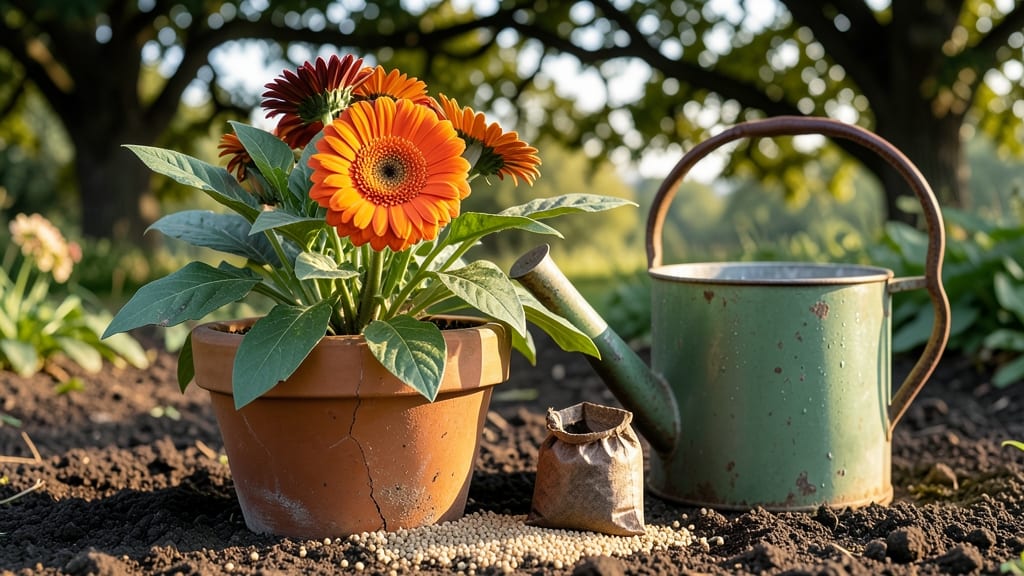
Learn how to keep gerbera daisies blooming longer with these three simple tweaks—trust me, my first batch lasted only two months before fading into sad, leafy stalks. 🌸 The secret? Light, water, and a little pruning magic at the right times.
Gerberas crave bright, indirect light—think 6+ hours of sun daily—but they’ll sulk in scorching afternoon rays. Water only when the top inch of soil feels dry (stick your finger in—trust me, it’s foolproof), and use well-draining soil with a dash of compost.
A balanced fertilizer every 4-6 weeks keeps them hungry for blooms.
Here’s the game-changer: deadhead spent blooms and trim leggy stems to encourage fresh flowers. In winter, reduce watering and move pots indoors near a sunny window. With these tricks, my gerberas now bloom nonstop for 8+ months—and so will yours.
Works for containers or garden beds, and even thrives in partial shade if you adjust care. Let’s turn those leafy stalks into a floral explosion!
📚 In This Guide
- What you need
- Instructions
- Tips and common mistakes
- Wrapping up and next steps
What you need
- ● Well-draining potting mix: 10-15 lbs (for containers) or amend garden soil with perlite/vermiculite (1 part to 2 parts soil).
- ● Balanced fertilizer: 10-10-10 or 20-20-20 (water-soluble, 1 tbsp per gallon of water).
- ● Slow-release granules: 1 cup (for planting season, like Osmocote 14-14-14).
- ● Pruning shears: Sharp, clean pair (sterilize with rubbing alcohol).
- ● Watering can or hose with nozzle: For gentle, deep watering (avoid wetting foliage).
- ○ Stakes or supports (optional for outdoor plants): 4-6" tall, especially for heavy blooms.
- ○ Mulch (optional but recommended): 2-3 inches of organic mulch (straw or shredded bark) to retain moisture.
- ● Sunlight: 6+ hours of direct sun daily (partial shade in hot climates).
- ● Temperature: Ideal range: 60–75°F (50°F minimum; avoid frost!).
- ● Humidity: Moderate (mist leaves lightly if air is dry, but avoid soggy soil).
- ● Container size (if potted): Minimum 6" diameter per plant (larger for multiple daisies).
Step-by-Step guide to year-round gerbera daisy blooms
Here’s how I’ve kept my gerberas flowering nonstop—no fancy tricks, just consistent care.
🌱 Step 1: Master the Light Requirements
Gerberas need 6-8 hours of bright, direct sunlight daily. Place them in a spot where they’ll get morning sun and afternoon shade in hot climates—too much midday heat wilts blooms prematurely. I rotate my pots quarter-turn weekly so all sides get even light exposure. You’ll notice stems grow straighter and leaves stay vibrant when light is balanced.
If indoors, position near a south-facing window or supplement with a grow light for 12-14 hours daily. Without enough light, buds form but fail to open. Watch for buds that swell but stay closed—this is your signal to move the plant closer to the light source immediately.
☀️ Step 2: Water Strategically for Continuous Blooms
Water gerberas when the top 1-2 inches of soil feel dry—overwatering causes root rot and stunted blooms. I use the "finger test" daily in summer: stick your finger in the soil. If it’s damp past your first knuckle, wait another day. In winter, reduce watering to every 7-10 days unless your home stays very dry.
Always water at soil level to avoid wetting leaves, which invites fungal diseases like powdery mildew. I use a watering can with a narrow spout to direct moisture precisely. You’ll see buds last longer and stems stay firm when watering is consistent but not excessive.
✂️ Step 3: Deadhead and Fertilize on a Schedule
Remove spent blooms immediately by cutting the stem back to the first set of healthy leaves. This redirects the plant’s energy to producing new buds instead of seeding. I deadhead every morning—I’ve found that gerberas respond best to frequent, light pruning rather than waiting until flowers fully wilt.
Feed with a balanced liquid fertilizer (10-10-10) every 4-6 weeks during active growth. In winter, cut back to every 8-10 weeks. Over-fertilizing causes leafy growth at the expense of blooms. You’ll notice a flush of new buds within 2-3 weeks of fertilizing if the plant is otherwise healthy.
🪴 Step 4: Adjust Care for Seasonal Shifts
In spring and fall, gerberas thrive with moderate watering and monthly fertilization. As temperatures drop below 50°F, move potted plants indoors to a bright, cool spot (55-65°F). Reduce watering slightly—cooler temps slow growth, so the soil stays moist longer.
During heatwaves, mulch around the base with 2-3 inches of organic mulch to retain moisture and protect roots. I’ve seen gerberas in 90°F+ weather continue blooming when shaded and watered deeply at dawn. Watch for wilting leaves in extreme heat—this means the plant needs immediate shade and water.
Tips & tricks for year-round gerbera daisy vibrancy
Here's what nobody tells you about keeping gerberas blooming—simple secrets that make all the difference.
The Light Factor: In Step 1, when positioning your gerberas for 6-8 hours of sunlight, pay attention to the quality of light, not just quantity. East-facing windows provide gentler morning light that's perfect for gerberas, while west-facing windows can deliver harsh afternoon sun. I've found that placing plants near a south-facing window with sheer curtains actually works better than direct sun in hot climates—it diffuses the intensity while still providing the light they need.
Watering Wisdom: The finger test in Step 2 is your best friend, but there's a trick to it: press your finger about 1 inch deep into the soil, not just the top layer. Gerberas have shallow roots, so moisture at this depth tells you what the roots are actually experiencing. Also, water in the morning so any excess drains away before evening—this prevents fungal issues that can stunt blooming. I've seen gerberas with powdery mildew recover completely when I switched to morning watering and added a fan for better air circulation.
Fertilizer Timing: When you're fertilizing every 4-6 weeks in Step 3, here's the secret: split that dose. Use half the recommended amount every 2 weeks instead of all at once. This mimics natural nutrient cycles and prevents the shock that can cause leafy growth at the expense of flowers. I've noticed my gerberas produce more blooms when I follow this schedule—it's like giving them a steady diet rather than a feast and famine cycle.
Seasonal Transition Strategy: For Step 4's seasonal shifts, here's what I do when moving plants indoors: I gradually reduce light exposure over 3-4 days before bringing them inside. This helps prevent the shock that can cause buds to drop. Also, if you're using grow lights indoors, position them about 6 inches above the plants and keep them on a timer for 12-14 hours daily—this mimics natural daylight cycles perfectly and keeps blooming consistent.
Pro Tips for Keep Gerbera Daisies Blooming
- Here's what nobody tells you about keeping gerberas blooming—simple secrets that make all the difference.
- The Light Factor: In Step 1, when positioning your gerberas for 6-8 hours of sunlight, pay attention to the quality of light, not just quantity.
- Watering Wisdom: The finger test in Step 2 is your best friend, but there's a trick to it: press your finger about 1 inch deep into the soil, not just the top layer.
Frequently asked questions
Got questions about keeping your gerbera daisies blooming like crazy? We’ve got answers!
Here are some of the most common queries—plus quick fixes to keep those vibrant blooms coming all year round.
Why do my gerbera daisies stop blooming even with proper care?
Overwatering or underwatering, poor sunlight (they need 6+ hours of direct light daily), or nutrient deficiencies can stunt blooms. Also, check for bud blast—when buds drop before opening—often caused by stress (like temperature swings or overcrowding). Adjust care and watch them bounce back!
How often should I fertilize gerbera daisies to encourage blooming?
Feed them every 4–6 weeks during spring and summer with a balanced, water-soluble fertilizer (10-10-10 ratio). In fall/winter, cut back to once every 8–10 weeks or use a low-nitrogen, high-phosphorus formula to boost flowering. Pro tip: Always water before fertilizing to avoid root burn!
Can gerbera daisies bloom indoors, and what’s the best setup?
Yes! Place them near a south- or west-facing window (or use a grow light for 12–14 hours/day). Keep humidity up with a pebble tray, and avoid drafts. Bonus: Rotate the pot weekly so all sides get even light—this prevents lopsided growth and encourages more blooms!
What should I do if my gerbera daisies look leggy or stop producing buds?
Leggy stems mean they’re stretching for light—move them closer to a brighter spot or supplement with a grow light. To revive blooming, prune spent blooms (deadhead!) and give them a light trim to encourage bushier growth. If the issue persists, they might need a rest period (reduce water/fertilizer in winter).
Are there any natural remedies to boost gerbera daisy blooms?
Try these DIY tricks:
- Epsom salt soak: Mix 1 tbsp per gallon of water and soak roots monthly for magnesium boost.
- Coffee grounds: Sprinkle lightly around the base (not touching the plant) to improve soil acidity and deter pests.
- Compost tea: Brew it weekly for a nutrient-rich, organic fertilizer.
Just avoid overdoing it—gerberas prefer well-draining soil!
Wrapping up and next steps
Keeping your gerbera daisies blooming year-round is all about consistent care—balancing sunlight, water, and nutrients while staying mindful of seasonal shifts. With the right soil, pruning habits, and a little extra love (like deadheading and fertilizing), you’ll enjoy vibrant blooms that brighten up every season! 🌸
Ready to put these tricks into action? Start by auditing your current setup—adjust sunlight spots, test your soil, and give your daisies a fresh boost with the tips you’ve learned. Your garden (and these cheerful flowers!) will thank you! 🌞